A closer look at the hardware powering solana:9oxGicd5KXNcthYM6yD23X9zcznQVnHjrAEN38fFpump's humanoid robot "BIMO", from NVIDIA's onboard computing to its cameras and movement systems.
@4R7I5T gives a closer look at the hardware behind its humanoid robot, from its onboard processing and wireless capabilities to its battery and camera setup.
They're also exploring open-source robotics to make sourcing parts and modifying hardware easier as they continue experimenting with the robot.
“He kicked me in the shin really hard and left this big bruise.”
Yesterday we finished our first LLM fine-tune with zero GPU time in training. A living neuron culture on a CL1 does the training step.
Projected about 80% less electricity for that step than our standard GPU fine-tune. Meter is on, real numbers tomorrow.
What should it learn next? 🤖🧠
Chatbots on human neurons someday? We're testing a nearer version now on CL1 chips: living neuron responses, checked against sham stimulation, shape adapters for open-weight models. Does biology make a model think better? That's the experiment. https://t.co/wGdEJWH5sD
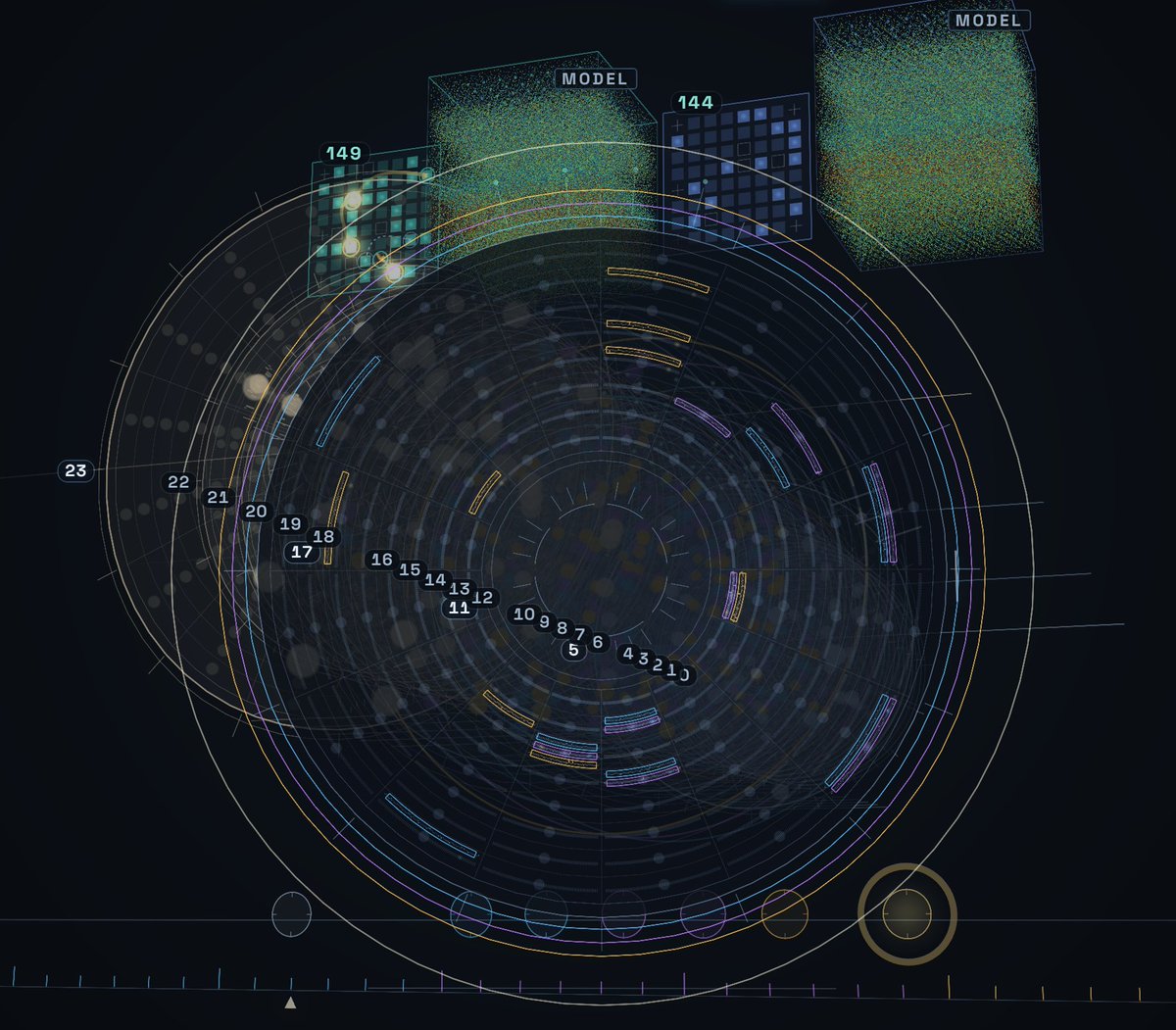
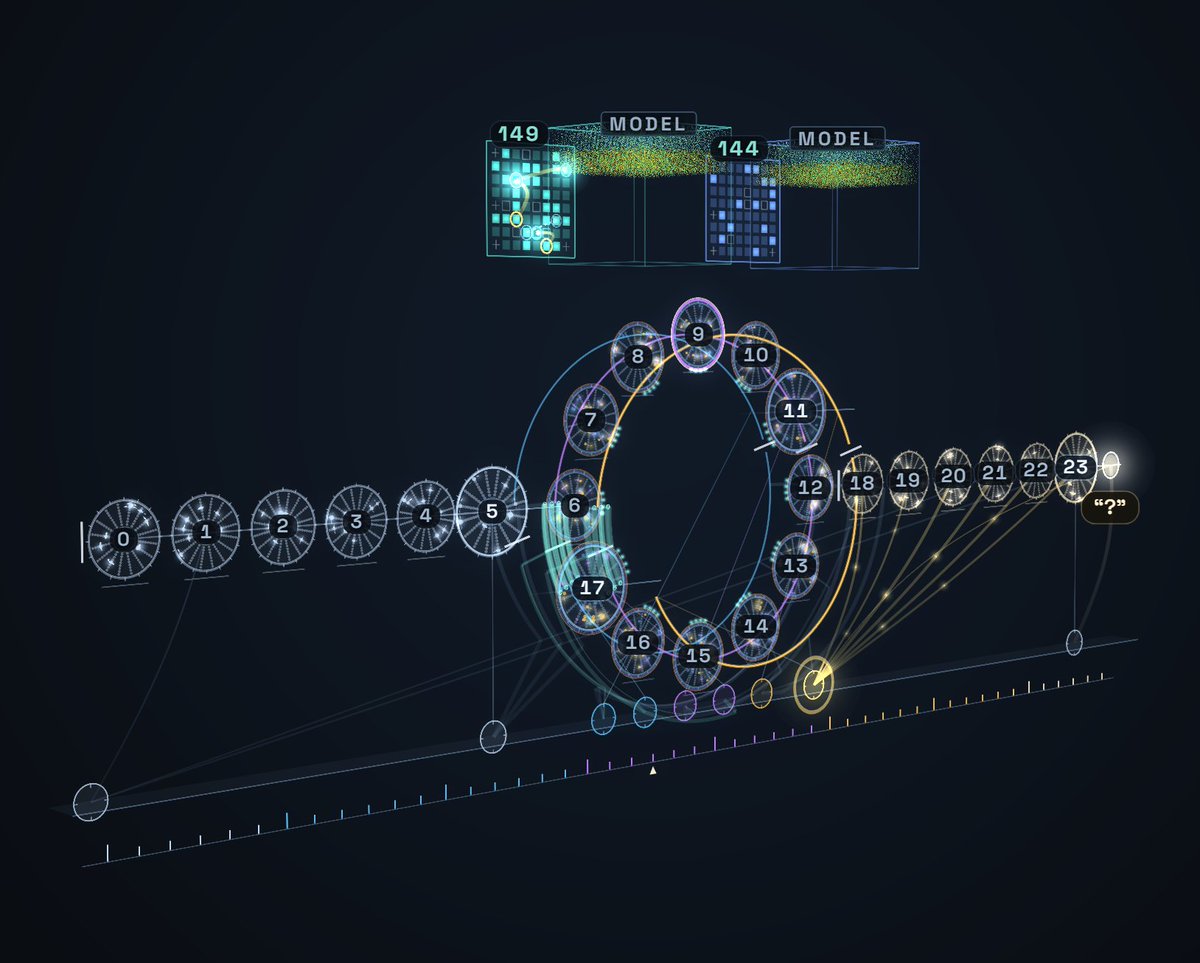
We trained up @thinkymachines Inkling 2 Mini and built a way to watch it think.
24 layers run as 48 steps, a loop it takes three times, and 3.5M MLP neurons you can zoom into live.
Next we wire it to living neurons on a chip from @CorticalLabs
What should we ask it first?
WOAH! @pewdiepie just got hands on with human brain cells on a @CorticalLabs CL1.
We run our own sessions on those same chips and turn what the neurons do into adapters for open-weight AI models. Great to see this hit the mainstream.
Link to video below 👇