Biological Invasions Network of India | Research | Policy | Communication | Management | Restoration |
Led by Ninad Mungi, Monica Kaushik, Rajat Rastogi
Invasive species can kill ecosystems and impact people dependent on it. Their propagation must stop and their population must be controlled. India needs more targeted efforts towards this challenge
#WATCH Imphal, Manipur: Despite social media buzz, the blooming of water hyacinths in Lamphelpat has raised environmental concerns.
Manipur University PhD scholar Namirkpam Rakesh says, "...the roots of these plants can absorb heavy metals and oil from the water... This plant can grow rapidly, and one plant can produce 100 offspring in 23 days... Its increasing numbers can impact the ecology of the water..." (23.05)
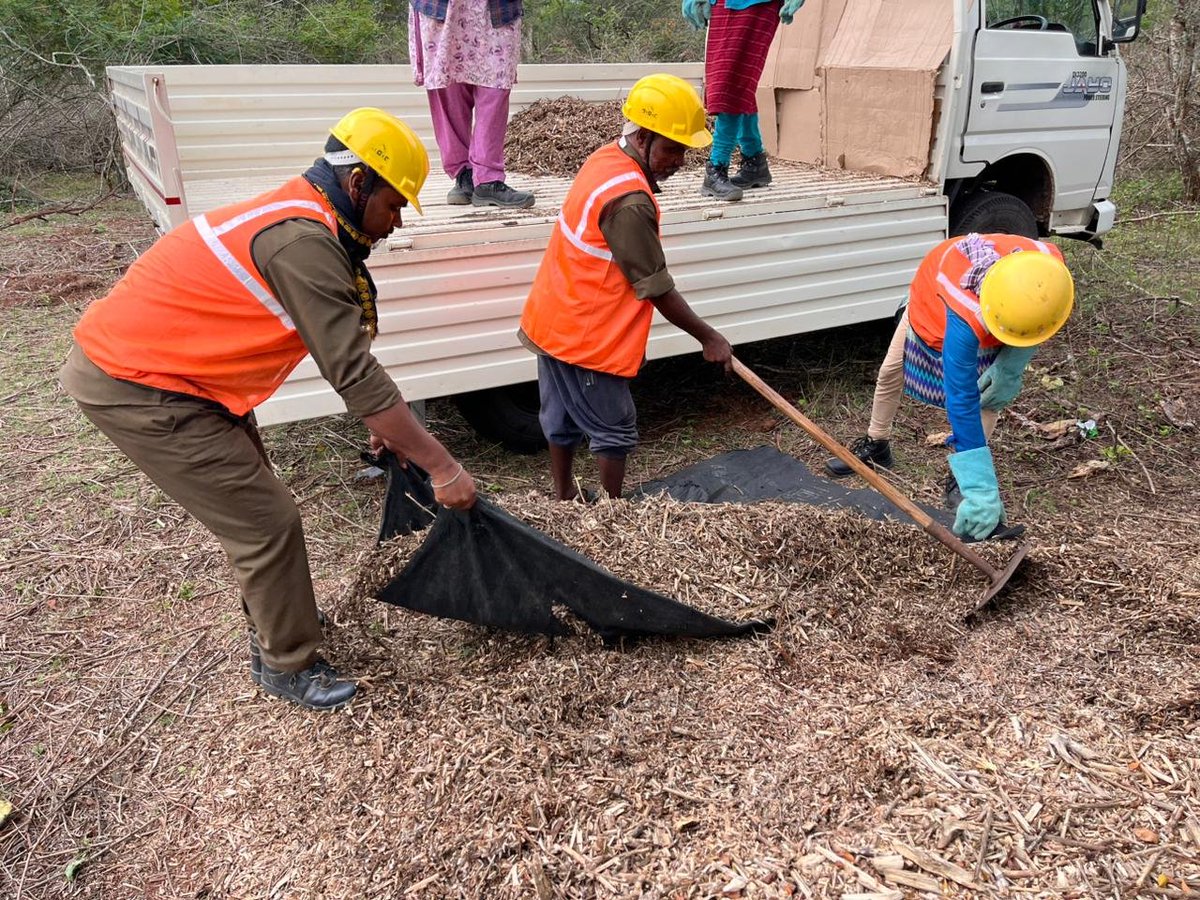
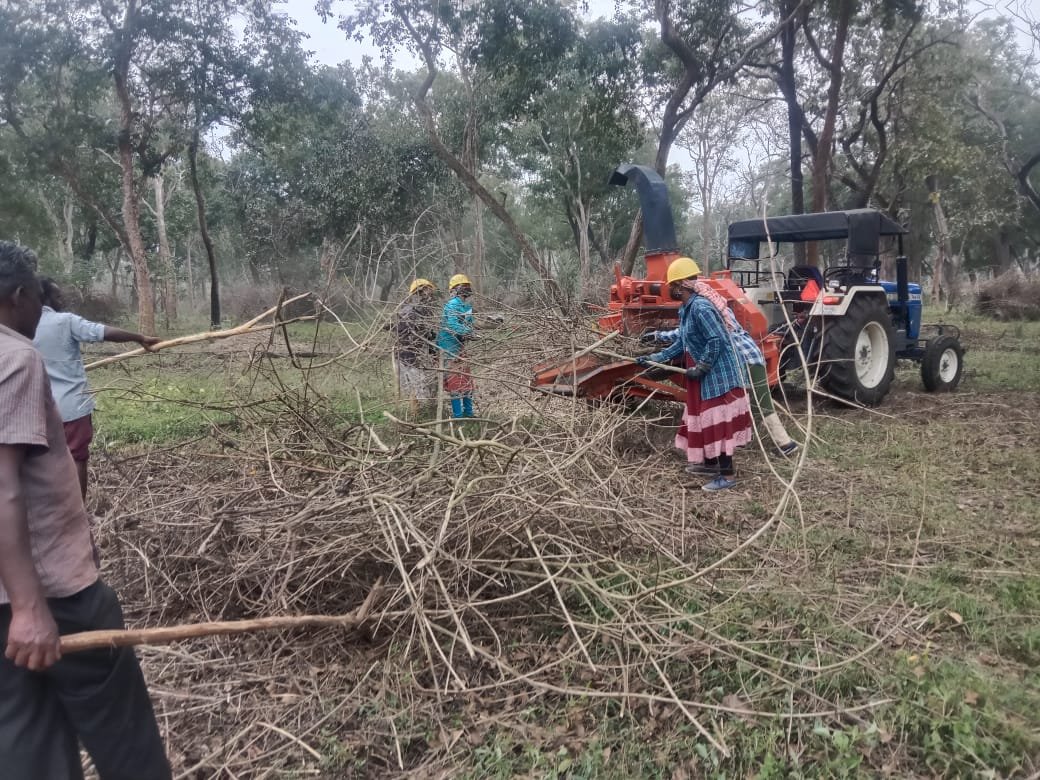
In a quiet corner in @MudumalaiTR lies a local solution to the #LPG crisis & helping stem the foxing issue of #Lantana an aggressive invasive weed chocking forests (occupies over 40% #tiger reserves) across #India.
So here is what @tnforestdeptis doing, with help of trained & employed local tribals:
Systematically remove the #lantana → reduce them to chips → transport to factory →pulverise to fine, uniform powder →solar dry →dry lantana compressed, binded w/o binders using only press & heat→cooled, cured, packaged. And voila, you have lantana #briquettes that provide highly efficient cooking fuel in grt demand in surrounding #teaestaes & schools.
Essentially invasive weed → cooking fuel replacing firewood & restored #forests.
The #Muddumalai mgt cannot keep up with the demand.
#Circulareconomy #TNForest #lpgसंकट #ecosystem
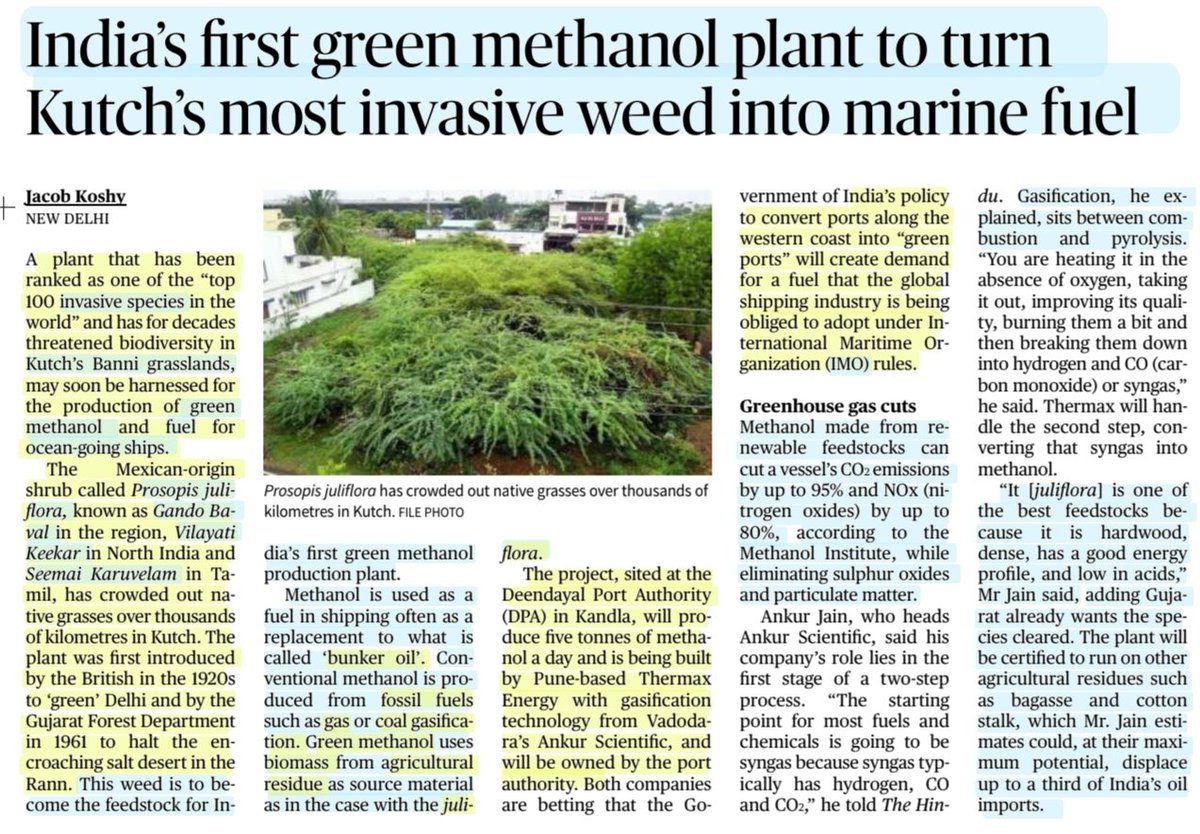
पिछले कुछ दशकों में प्रोसोपिस जूलिफ्लोरा (विलायती बबूल) ने पश्चिमी भारत के रेगिस्तानी और घासभूमि क्षेत्रों के स्थानीय इकोसिस्टम को गंभीर नुकसान पहुंचाया है।
इस विदेशी प्रजाति ने स्थानीय वनस्पतियों को समाप्त कर जैव विविधता, चरागाहों और पर्यावरणीय संतुलन के सामने बड���ी चुनौती खड़ी कर दी है।
सरकारों द्वारा समय-समय पर इसे रोकने, नए पौधे नहीं लगाने एवं पूर्व में लगे पौधों को हटाने के निर्णय भी लिए गए, लेकिन जमीनी स्तर पर अपेक्षित परिणाम अभी तक दिखाई नहीं दे रहे हैं।
ऐसे में कच्छ में स्थापित भारत के पहले “ग्रीन मेथेनॉल प्लांट” की पहल एक सकारात्मक और दूरदर्शी कदम है, जहां इसी विलायती बबूल का उपयोग ग्रीन फ्यूल बनाने में किया जाएगा। यह मॉडल पर्यावरण संरक्षण, ��ैव विविधता बचाने और वैकल्पिक ऊर्जा उत्पादन तीनों क्षेत्रों में एक साथ समाधान प्रस्तुत करता है।
राजस्थान और विशेषकर पश्चिमी राजस्थान के क्षेत्रों में भी इस प्रकार के नवाचारों पर गंभीरता से कार्य करने क�� आवश्यकता है, ताकि एक ओर इस आक्रामक प्रजाति से मुक्ति मिले और दूसरी ओर ऊर्जा एवं रोजगार के नए अवसर भी विकसित हो सकें।
https://t.co/G6ROUk1ZoS
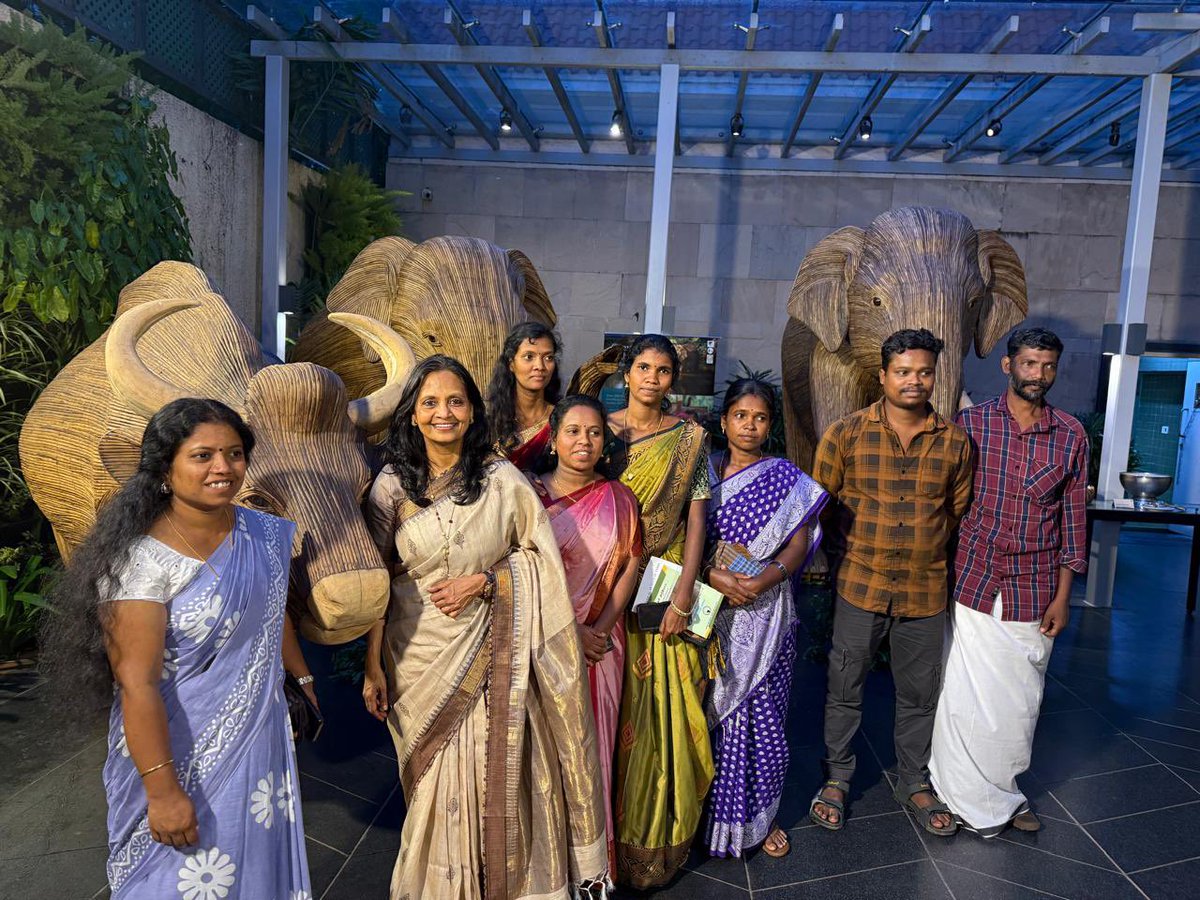
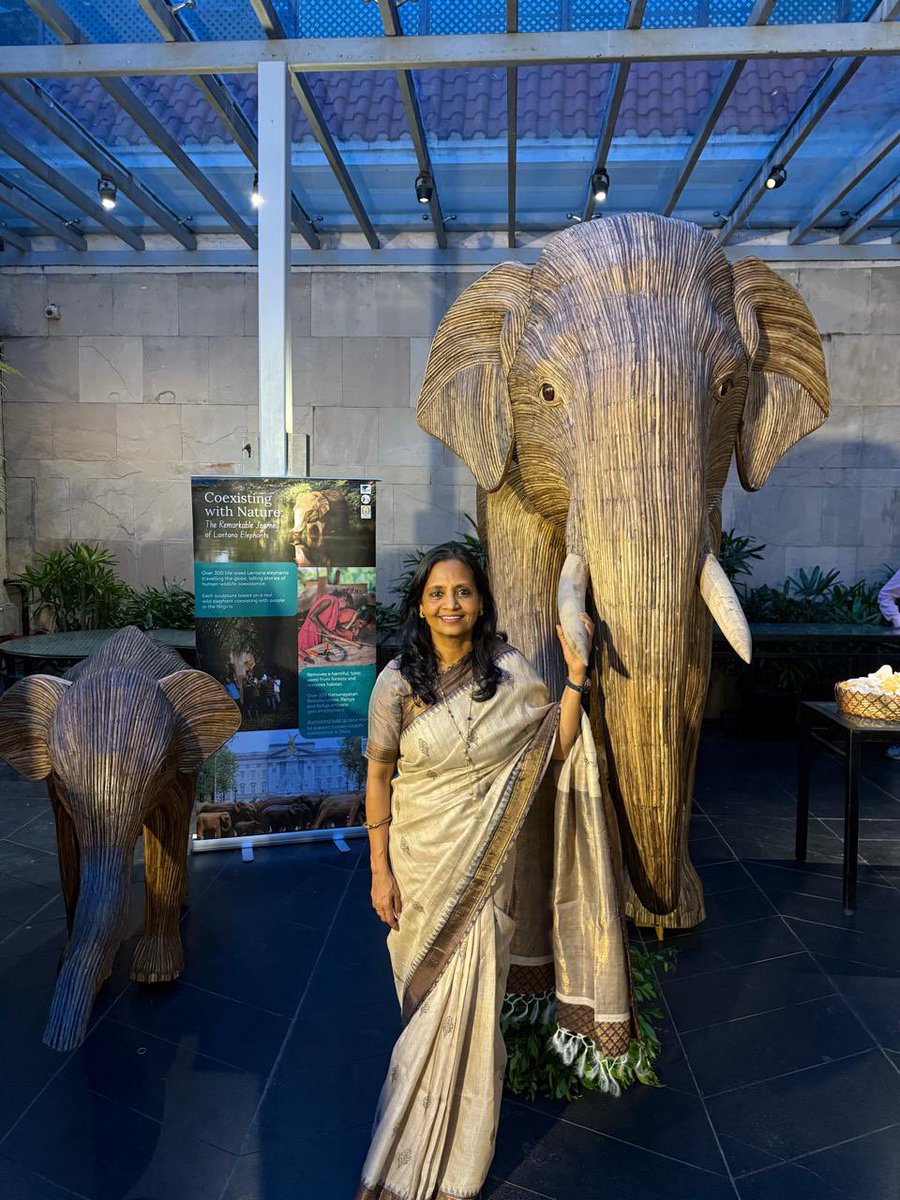
They are here again. They have arrived. From the misty mountains of Gudalur, Nilgiris to the shores of Chennai, the Lantana Elephants have travelled far. Crafted by local tribal artisans from lantana, an invasive weed choking our forests, these elephants now stand tall as symbols of ecosystem restoration and biodiversity conservation in Tamil Nadu. Catch them at the Blue Beach, Marina, during the Pongal holidays. Thanks to @chennaicorp & @kgbias for making this possible #lantanaelephants @therealeleco
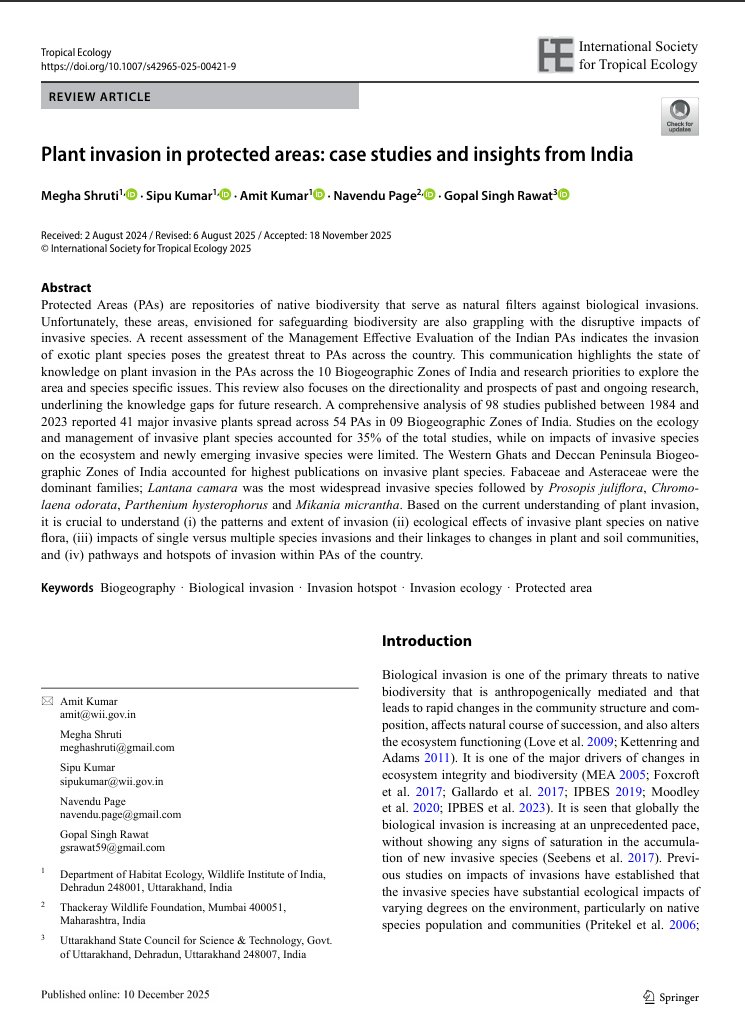
🌿 New publication!
India’s Protected Areas are under growing pressure from invasive plants. @wii_india new article ‘Plant invasion in protected areas: case studies and insights from India’ reports 41 major invasive plant species across 54 PAs in 09 Biogeographic Zones of India, and identifies invasion hotspots. We outline key knowledge gaps and research priorities for better invasion management in the country.
🌱 Read more: https://t.co/4q9T5IVZbw
https://t.co/Wkx71RQxWn
@moefcc@wii_india@SACONCoimbatore@GobindsagarBha1@RuchiBadola2@tweetmegha@sipuwildlife@amitwii
Briefing on our new paper: Invasive plants and global changes are degrading biodiverse habitats of tigers🐅, and threatening livelihoods of the marginalized and nature-dependent people. The scale of impacts far exceed the management scale, needing urgent and effective policies
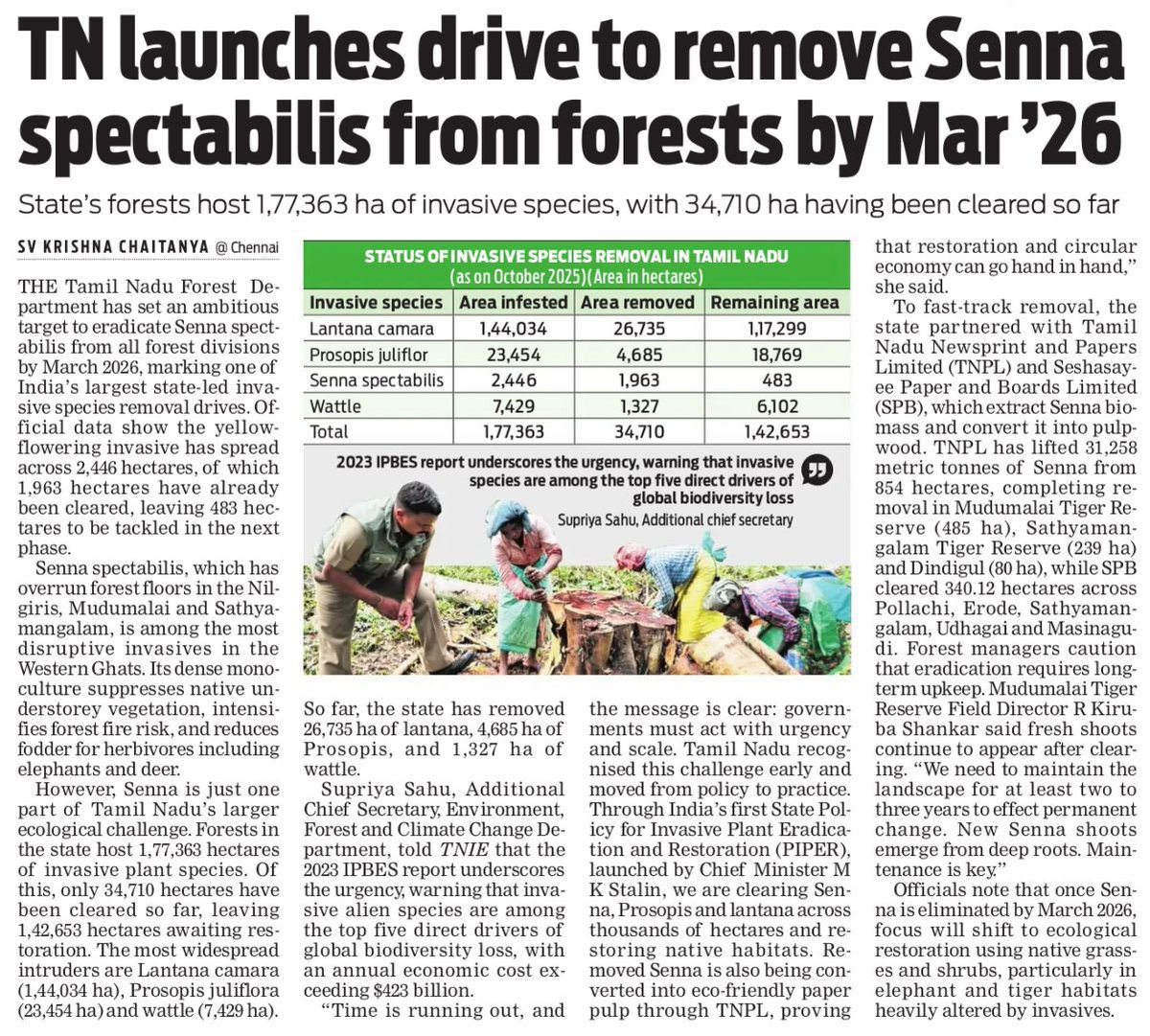
When forests are freed from invasive species the biggest win is for the biodiversity and wildlife. TN Forest team has documented wildlife returning to areas cleared from invasives #invasives#TNForest#SatyamangalamTigerReserve
When forests are freed from invasive species the biggest win is for the biodiversity and wildlife. TN Forest team has documented wildlife returning to areas cleared from invasives #invasives#TNForest#SatyamangalamTigerReserve
In one of India’s largest ecosystem restoration efforts, the Tamil Nadu Forest Department is reclaiming forests from invasive species and reviving habitats for wildlife to flourish. Already 34,710 hectares have been restored , including 26,735 ha of Lantana camara, 4,685 ha of Prosopis juliflora, 1,327 ha of Wattle, and 1,963 ha of Senna spectabilis. This strengthens native vegetation restoring the right of wild animals to roam freely. With the full removal of Senna spectabilis targeted this year, Tamil Nadu is moving decisively toward ecological renewal. The entire operation is tracked through a dedicated geo-tagged restoration dashboard, ensuring scientific precision at scale #ecosystemrestoration #invasiveremoval @Krish_TNIE@IndianExpress@tnforestdept
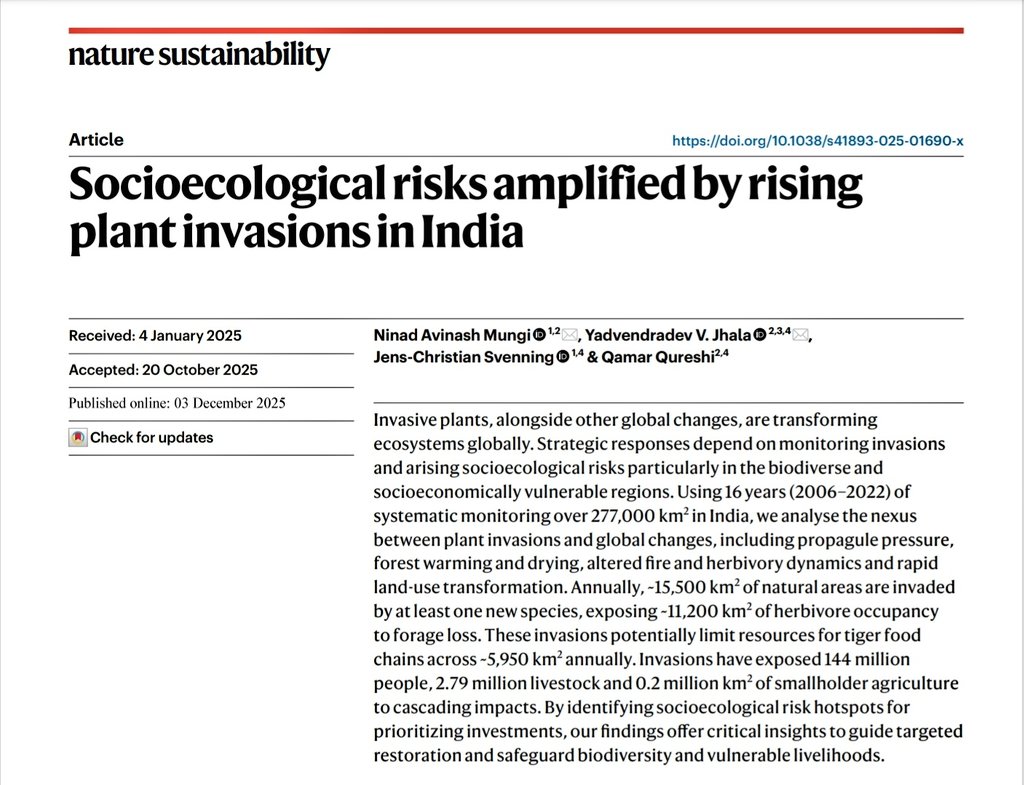
New study records globally unprecedented rates of plant invasions in India, driven by rapid changes in land-use, disturbances, and climate. It risks tiger food-chains and livelihoods of local communities. Study guides restoration
@ntca_india@EconovoAU@NCBS_Bangalore@wii_india
Our longitudinal study from India shows that 21st-century global changes have accelerated plant invasions; together affecting ecosystems, tiger habitats, and millions of people. We map risk hotspots to guide restoration for nature and people
Paper: https://t.co/lbjMDZwMMB
Invasive alien plants are spreading across India at unprecedented speed — invading 15,500 km² of natural areas each year and putting millions at risk. New paper warns losses already top Rs 8,30,000 crore
https://t.co/AmqnP4DVzz
🖋️ @himanshujourno
Our longitudinal study from India shows that 21st-century global changes have accelerated plant invasions; together affecting ecosystems, tiger habitats, and millions of people. We map risk hotspots to guide restoration for nature and people
Paper: https://t.co/lbjMDZwMMB
More studies are recognising the importance of monitoring invasive species using multiple strategies, stakeholders, and surveillance @isro@moefcc@BioinvNet
https://t.co/3pjbGVN2rk
India’s invasive aliens problem complicates; can we wait to understand scope. Multi-pronged bottom-up, and inclusive approach is more effective and must be developed.
@BioinvNet
https://t.co/7h0KNqitYy
"families living in the fringes of the tiger reserve, it (invasion) is a menace that has disrupted every aspect of daily life – from farming and foraging to safety and nutrition"
@BehanBox@fesforcommons@wildelock@TrKanha@BioinvNet
https://t.co/En5rIG3yrc
Studies are increasingly exploring community gains from managing invasive plants. Here's an interesting study on the revenue potential of managing invasive water hyacinth @moefcc@BioinvNet
https://t.co/BlQDY1UGBm
These “invasive” fishes outcompete native species, reproduce aggressively, and thrive in disturbed environments. In India, 12 invasive fishes are recognised as a major threat, but this list will likely grow without stronger policies and more scientific monitoring in place
Invasive alien fishes are introduced due to human activity outside their natural range, where they establish, spread and cause ecological or economic harm.
What makes them “invasive” is not just their exotic origin but their ability to outcompete native species and thrive in disturbed environments. To read more, check out the article by Nobin Raja from ATREE using the link.
https://t.co/8GGCdYDnmJ