Thomas Sankara drove the cheapest car in the country as President of Burkina Faso. He declined to have his portrait hung in public places, rejected air conditioners in his office, and lowered his monthly salary to $450.
He was the most powerful man in his country yet chose to live like the people. Sankara did not perform humility; he practiced it as policy.
While African presidents collected state mansions, motorcades, and Swiss bank accounts, Sankara drove a Renault 5—the cheapest car on the Burkinabe market. He banned his portrait from public buildings, refused air conditioning in his office, and capped his salary at $450 a month.
This was not symbolism but a sharp political statement that made every other African leader uncomfortable. When one man in power lives without excess, it exposes all who do not.
Sankara understood that the real currency of leadership is moral authority, not material display. He vaccinated 2.5 million children in one week, planted millions of trees to fight desertification, and achieved all this on an embarrassingly small budget.
They assassinated him at 37 and erased him from history.
What does it say about a continent’s future when its most disciplined leaders are always the ones removed?
References: Thomas Sankara Speaks (Pathfinder Press, 1988) | BBC Africa — "Thomas Sankara: The upright man" (2017)
We aren’t dominating the beef industry in the region, because most of our herders keep beautiful cows as a cultural lifestyle, not as disposable economic assets.
Horn, stature and colour aesthetics over quantity and profits.
Until oil revenues translate into regular payment of civil servants' salaries, investment in education, healthcare, and infrastructure, many citizens will struggle to see the real benefits. 🇸🇸
A nation's natural resources should improve the lives of its people, not just enrich a small group of elites.
The true measure of success is not how much oil is produced, but how much it improves the lives of ordinary South Sudanese.
South Sudanese are so patient with their Leaders. Bro, no peace, insecurity, delayed salaries for almost 18 months, poor service delivery, the economic crisis is choking people, and hyper corruption after 14 years of independence.😔🇸🇸
Yet somehow, ordinary citizens continue waking up every day trying to survive, hustle, and hope for a better country. 💔
Quote of the day
Your Lordship, I stand before this honorable court not because I committed any of the alleged offenses, but because I refused to become a tool of destruction and a betrayer of my community, my party — SPLM-IO — and my leader, Dr. Machar Teny Dhurgon.
— Hon. Puot Kang Chol
He continued:
Your Lordship, I wish to affirm that if being a Nuer is considered a crime, then we are all Nuer, and we must be prepared to face whatever comes with it.”
#ssot #uox #southsudan #Humanright @BBCWorld@AJEnglish
If one man can build a mega-refinery, #SouthSudan can too. We must stop importing poverty.
Our development needs to start with: a refinery to export fuel, reliable electricity to power industry and agriculture to stop wasting $800M a year importing basic food.
Process at home!
Every time the Congolese put their foot down and say they don't want UN in their country, there's a sudden Ebola outbreak. But I guess correlation does not mean causation
Look at how the BBC frames it. "If the people want me to have a third term, I will accept." Like it's a humble offer. Like the people are begging him.
But here is what the headline leaves out.
Tshisekedi is already serving his second term. The DRC constitution limits the president to two terms. What he is suggesting is an illegal power grab dressed up as democracy.
And why does the BBC soften this? Because Tshisekedi is their man. He plays nice with Western mining companies. He keeps cobalt flowing to your electric cars. He does not expel your diplomats.
When a leader in Mali or Burkina Faso talks about extending terms, the BBC calls it a coup or a regression. When a Western-backed leader does it, the headline is gentle. "He may consider."
Same continent. Same violation of term limits. Different framing.
That is not journalism. That is propaganda with a British accent.
A society can gather millions for three days of dancing, but cannot mobilize to build a school or renovate a health centre. What is it with dancing in this country?
Misplaced priorities.
I come in peace.
South Sudan(ese) is/are going through tough times in the hands of her/their own leaders.
Earlier this week, one appointed governor told young people that they fought for the country and they shouldn't be threatened with papers (education). The youth either bow down for them or else they won't be welcomed on the table of decision making. A country that was fought by every household for 21 years.
Today, a former minister of finance that was sacked a couple of days ago stated it clearly that the ministry which is the heart of the country is being held and run by a few individuals who decide where the money should go.
The real insecurity South Sudan is facing right isn't gun insecurity but insecurity of corruption. Leaders have delegated their sole responsibilities to NGOs.
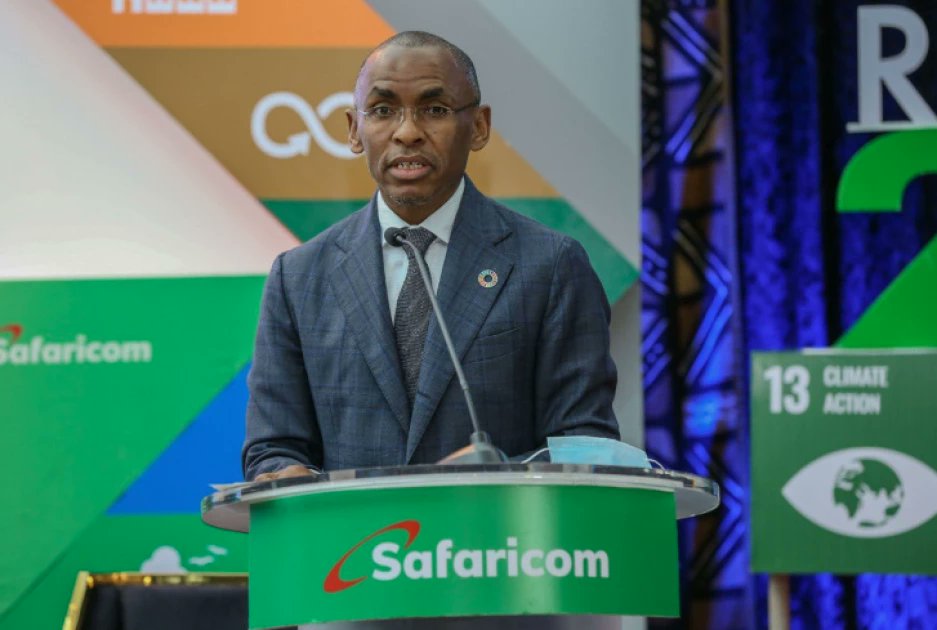
A Kenyan has just beaten Safaricom PLC in court and been awarded Sh1.4 billion.
And honestly, this case is disturbing.
Peter Nthei Muoki says he developed a child-wallet concept for M-Pesa and pitched it to Safaricom in 2021.
According to court documents, he was told it wasn’t workable. Then later, Safaricom rolled out a similar feature.
He sued.
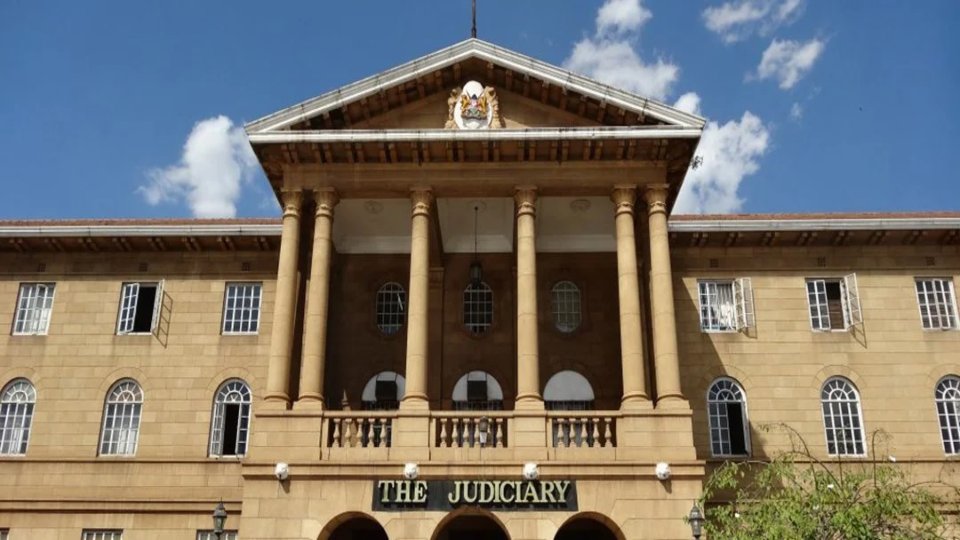
And High Court Judge Josephine Wayua Wambua Mong'are ruled in his favour.
Safaricom has now been ordered to pay him Sh1.4 billion plus annual royalties.
Imagine being told your idea won’t work, then later seeing it launched by one of the biggest companies in the country.
That’s the painful part.
Because, how many ordinary Kenyans have pitched ideas to powerful companies, been ignored, and watched those same ideas come back as products?
This case will make many innovators think twice.