Day/3 👩🏻💻
Day 3/30 👩🏻💻
Today I learned more about HTML fundamentals!
📚 What I practiced:
HTML = HyperText Markup Language
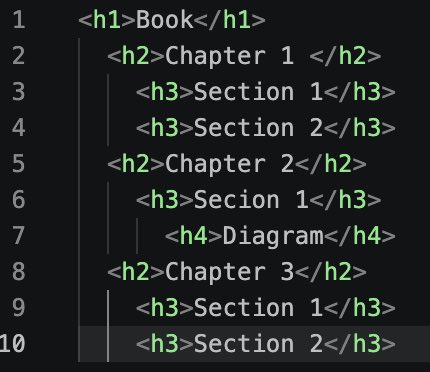
Headings: <h1> to <h6>
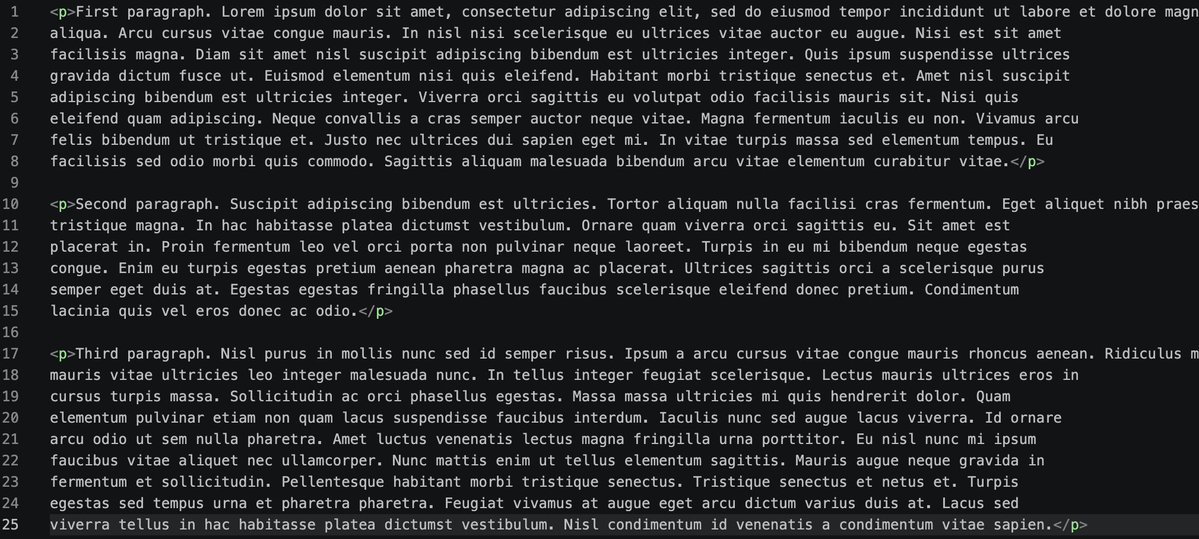
Paragraphs: <p>
Void elements: <br> and <hr>
Lists: <ul>, <ol> and <li>
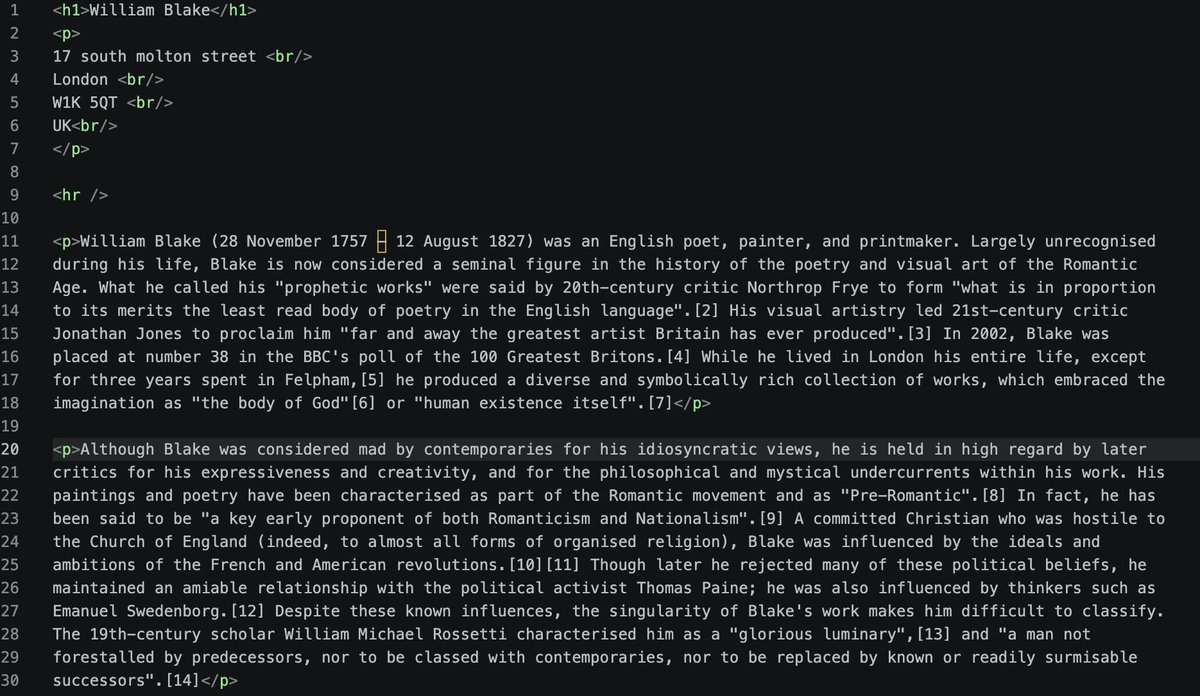
I updated my personal webpage and practiced organizing content with headings, paragraphs, and lists.
My goal is to understand the code, not just copy it.
One day at a time. 🚀
#HTML#WebDevelopment#Frontend#LearningInPublic
You need to be lore-maxxing. Taking risks. Failing miserably. Relentlessly strategizing and experimenting. Nobody wants to die with a story that isn't worth telling.
What did I expect?
What actually happened?
Take screenshots of code and errors.
Use browser DevTools and the console.
Search for solutions and learn how to ask good questions.
Small steps, one day at a time. 🚀
#WebDevelopment#HTML#100DaysOfCode
• HTML → Content and structure (the bricks)
• CSS → Design and appearance (colors, layout)
• JavaScript → Actions and interactions (buttons, forms, dynamic behavior)
🛠 What I learned about problem-solving:
• Try to understand, not just copy.
• Ask:
#LearningInPublic
• A large part of global Internet traffic travels through submarine cables connecting continents.
🌐 How do websites work?
When we visit a website, servers send files to our browser:
• My computer is a client that requests information.
• ISP (Internet Service Provider) connects us to the Internet.
• DNS (Domain Name System) works like a phone book, translating names into IP addresses.
• Every device connected to the Internet has a unique IP address.
Day 1/30 👩🏻💻
Today I learned how the Internet and websites actually work.
🌍 How does the Internet work?
• The Internet is a huge network of connected computers.
• Servers are computers that provide services and stay online 24/7.
Day 1/30 👩🏻💻
Today I built my first HTML page from scratch.
My first project is a simple personal page introducing my web development journey.
I practiced:
• HTML document structure
• Headings
• Paragraphs
• Lists
• Basic HTML syntax
@FlorinPop17 Forget syntax. Master first principles. Build fast, break things and iterate relentlessly. If you aren't embarrassed by your first version, you launched too late. Solve impossible problems by leveraging physics and not just libraries.
Yesterday's AIs ate the Internet and became a patchwork mediocrity.
Today's AI hunts and feasts upon the Mozarts, Einsteins, and Shakespeares of our age.
To birth a gang of ghostly geniuses that write our code, drive our cars, do our work, and run our world.
Jacob is correct here—we really do earnestly believe AI could kill all humans! I personally think it is >10% within the next decade. I believe Anthropic is trying its best, but we do not yet have a plan to solve alignment for superintelligence and are not clearly on track to.
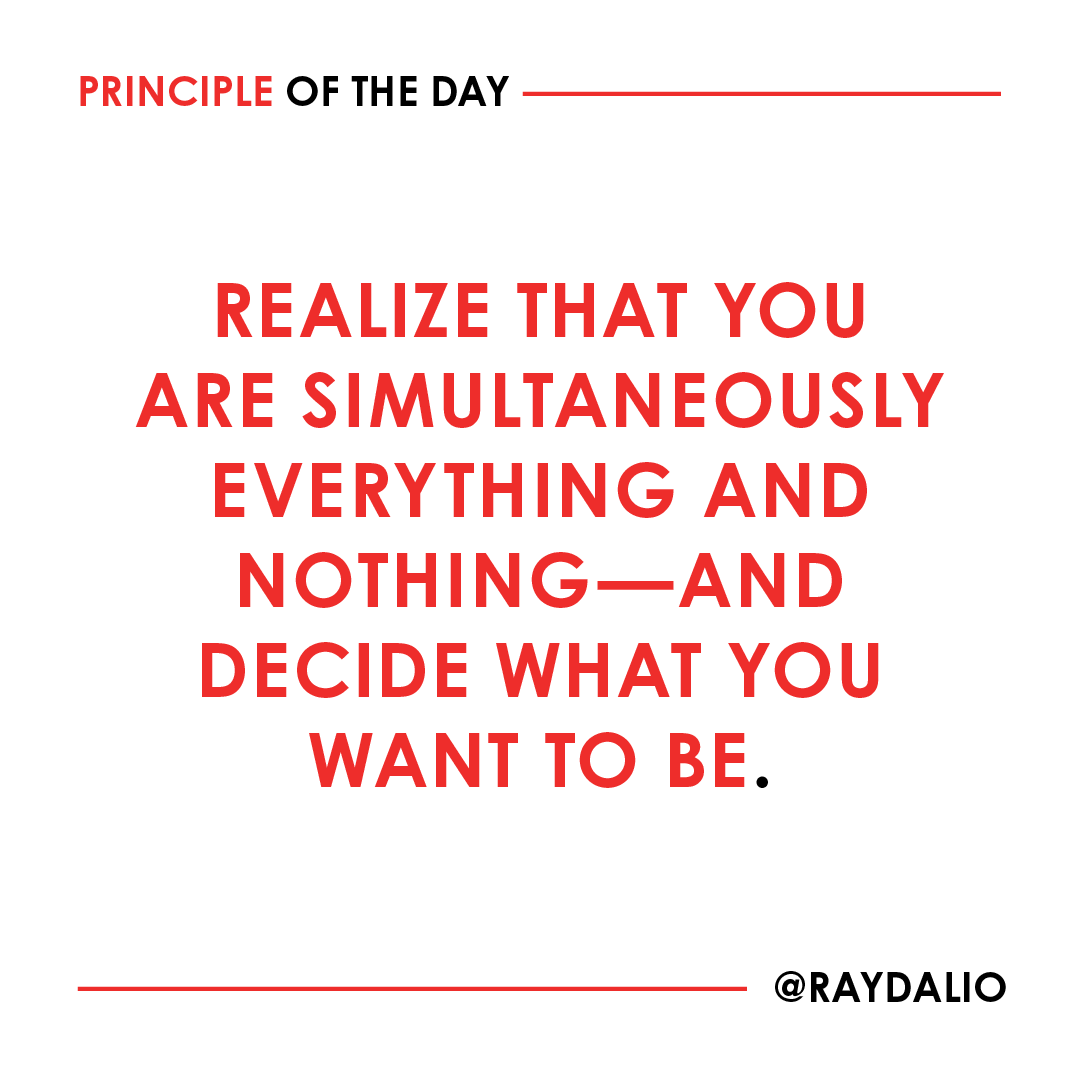
Earth is just one of about 100 billion planets in our galaxy, which is just one of about two trillion galaxies in the universe. And our lifetimes are only about 1/3,000 of humanity's existence, which itself is only 1/20,000 of the Earth's existence.
In other words, we are unbelievably tiny and short-lived and no matter what we accomplish, our impact will be insignificant.
At the same time, we instinctually want to matter and to evolve, and we can matter a tiny bit--and it's all those tiny bits that add up to drive the evolution of the universe. #principleoftheday
having too many interests sounds like an advantage.
until you realize the cost.
you want to study:
• math
• physics
• robotics
• biology
• design
• business
• philosophy
so you start everything.
and compound deeply in nothing.
the da vinci curse by leonardo lospennato is about this problem. the enemy of the polymath is not lack of curiosity.
it is fragmentation.
you do not need to kill your interests.
you need to organize them.
→ choose a central mission
→ let multiple disciplines feed it
→ go deep when the problem demands depth
→ stop confusing novelty with progress
the goal is not to become ten different people.
it is to make ten different interests converge into one coherent body of work.