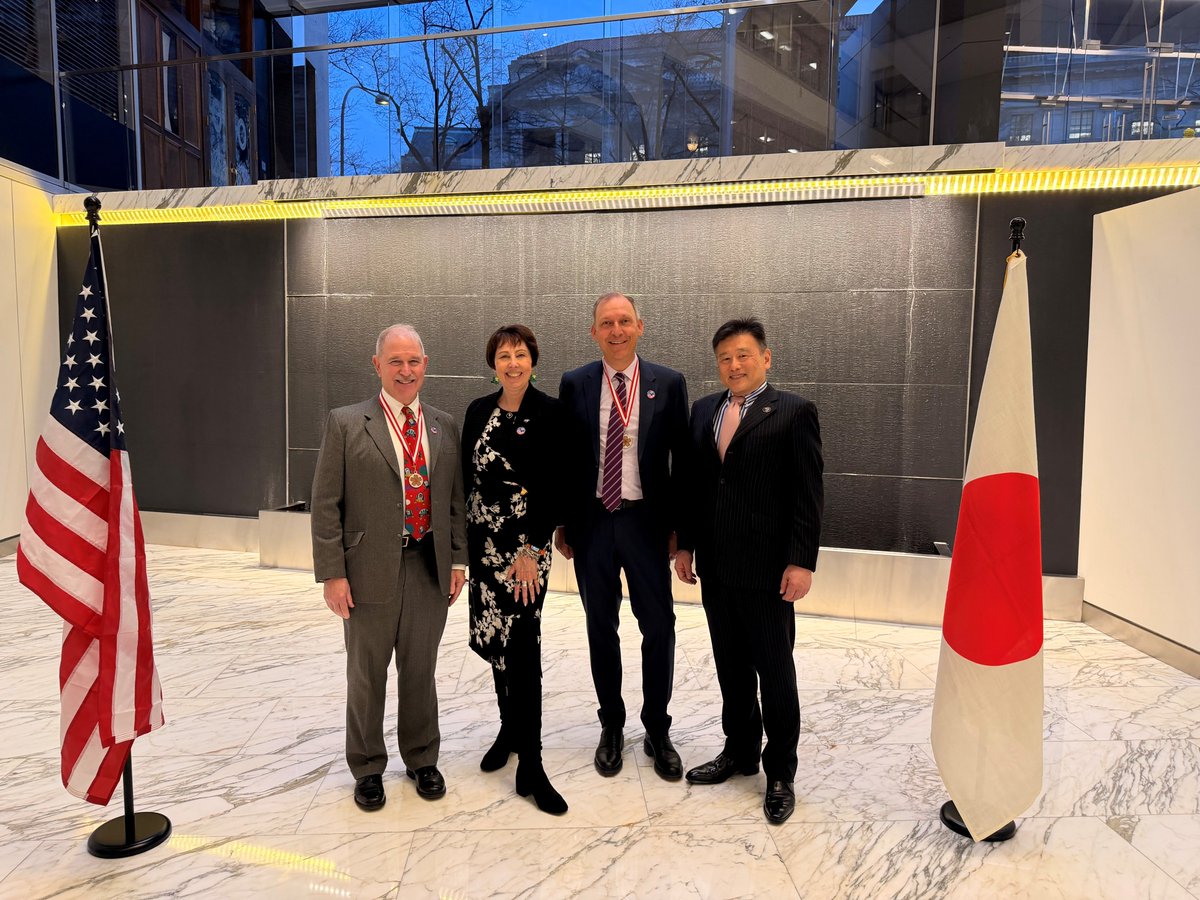
Congratulations to Dr. Grunsfeld and Dr. Zurbuchen on receiving the Ambassador’s Commendation in Washington DC! Well deserved for your outstanding contributions to XRISM and leadership in space science. ISAS DG Fujimoto was also in attendance, along with Dr. Fox from NASA.
We were honored to present the Ambassador’s Commendation to Dr. John Grunsfeld and Dr. Thomas H. Zurbuchen for their contributions to XRISM and extraordinary leadership on space science. Japan & the US will continue to work together to unlock the mysteries of our universe.🚀🇯🇵x🇺🇸
Ever wonder what happens in the aftermath of a supernova?
In this video, you’re watching the glowing remnants of a stellar explosion disperse over a period of 25 years, making this @chandraxray’s longest-spanning video ever released. https://t.co/suIQHKdWM0
This new video shows changes in Kepler's Supernova Remnant using data from @NASA's Chandra captured over more than two and a half decades. Located about 17,000 light-years from Earth, parts of the remnant are still traveling at ~13.8 million mph. https://t.co/Iwl7n8w0Of #AAS247
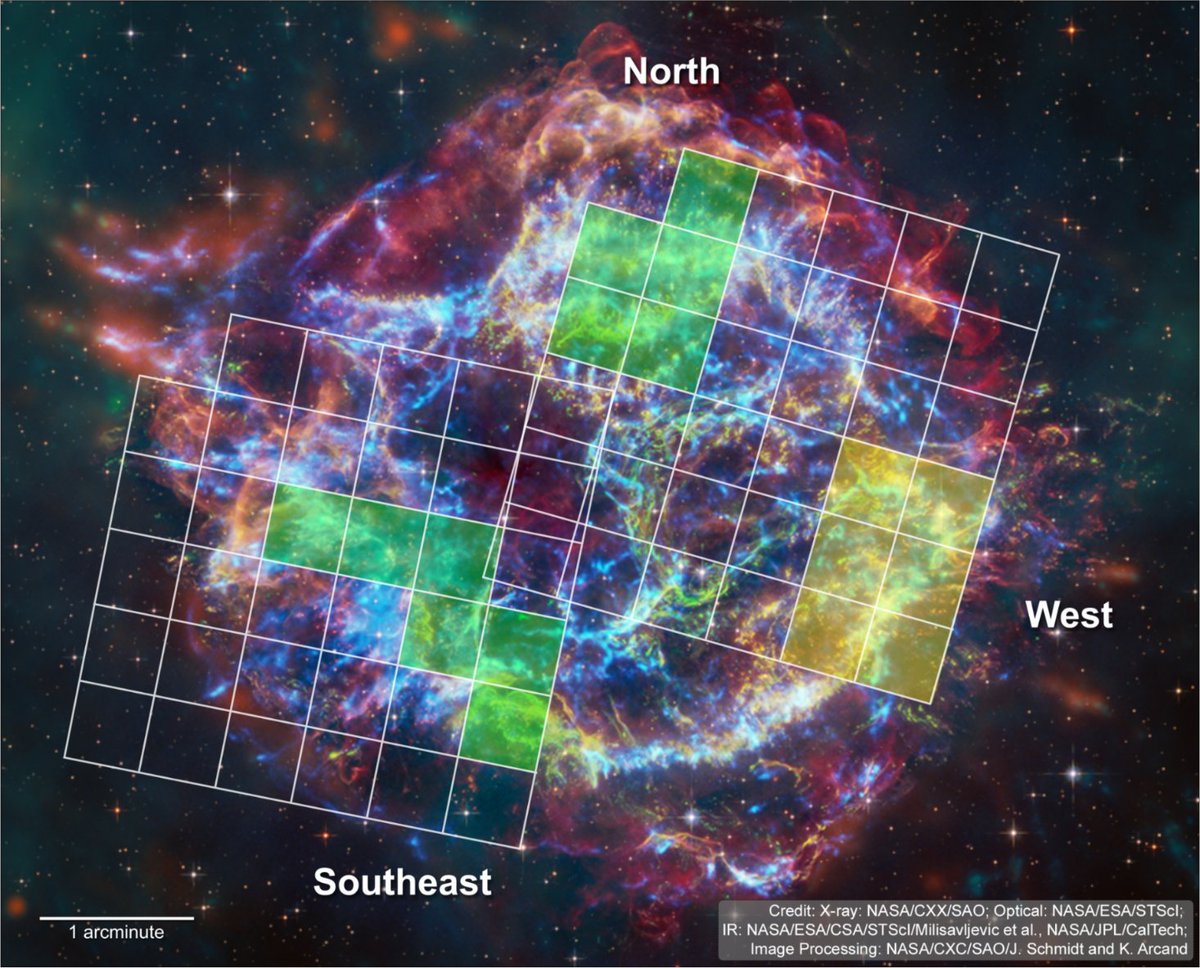
@XRISM_jp has made the first ever X-ray detections of chlorine and potassium in the remains of a supernova, showing that these elements critical for the formation of life are indeed spread throughout the cosmos by exploding stars
https://t.co/MCozEoi2wb
Thanks to X-ray data from the XRISM telescope — a partnership between @JAXA_en and @NASA with @ESA participation — astronomers traced potassium and chlorine in supernova remnant Cassiopeia A, helping connect our lives on Earth to the deaths of stars. https://t.co/XzcwjaFrgr
Cosmic wind of change
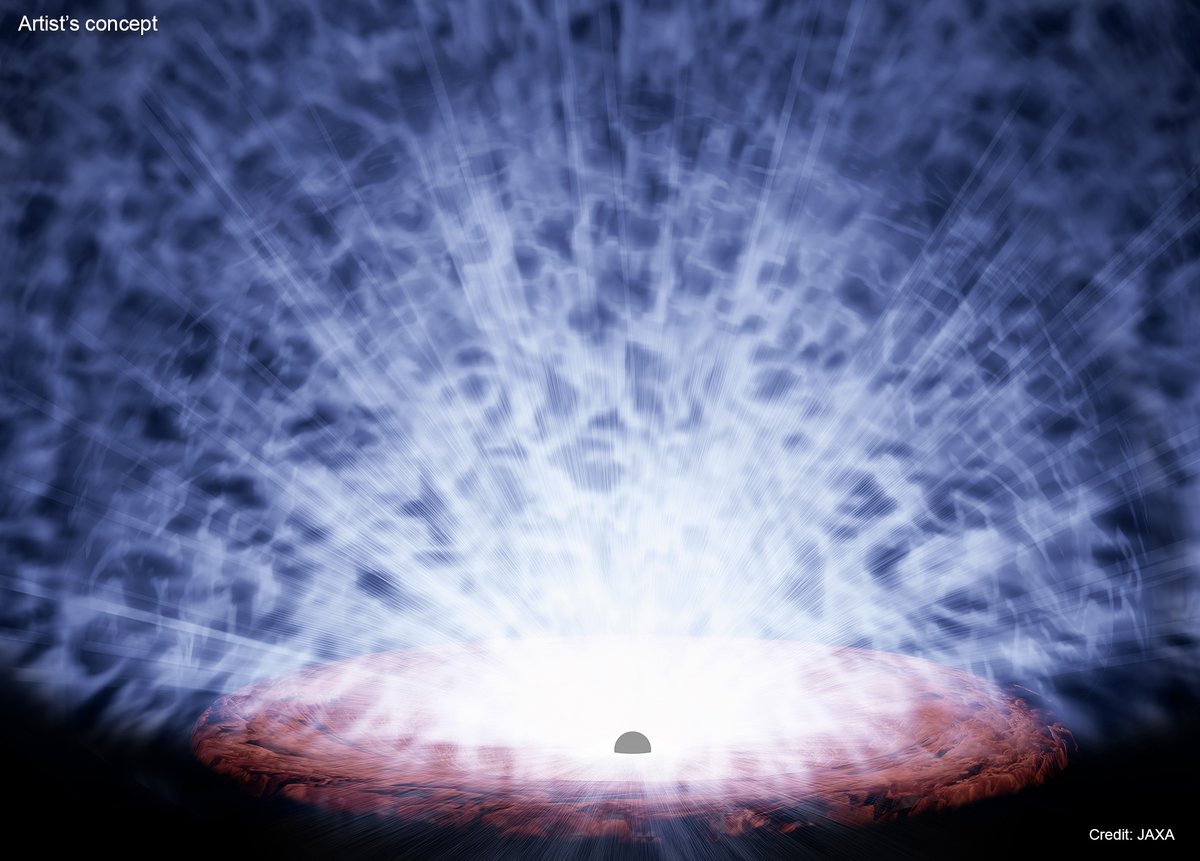
#XRISM makes an unexpected discovery: winds from neutron star discs are quite different from those around supermassive black holes.
The discovery could reshape our understanding of the most extreme environments in the Universe 👉 https://t.co/fJTLdkGmxq
Astronomers used the XRISM telescope — a partnership between @JAXA_en and @NASA with @ESA participation — to measure sulfur within our galaxy. They "X-rayed" clouds of gas and dust using bright sources behind them, finding sulfur in gas and solid forms: https://t.co/8iA6XnQOOF
New research using XRISM, a partnership between @JAXA_en and @NASA with @ESA participation, reveals that high-speed winds from supermassive black holes are clumpier and more energetic than expected, helping us learn how black holes and galaxies coevolved: https://t.co/eyNgS3Vkgq
For the first time, "bullet-like" winds blasting from a supermassive black hole at nearly light speed have been revealed.
These powerful outflows challenge our understanding of how black holes and galaxies grow together.
🔗https://t.co/yTeXvoc3GG
remember when they did exactly this and discovered that like less than 5% of people who got welfare were on illegal substances and they realized testing everyone at random was actually costing them??? lmfao!
The AO for XRISM Cycle 2 is now open; deadline May 15th. This is a *6-month* cycle. Proposals should assume gate valve closed. The team continues to evaluate the feasibility of another operation to open the GV. Proposals for lab astrophysics are also solicited.
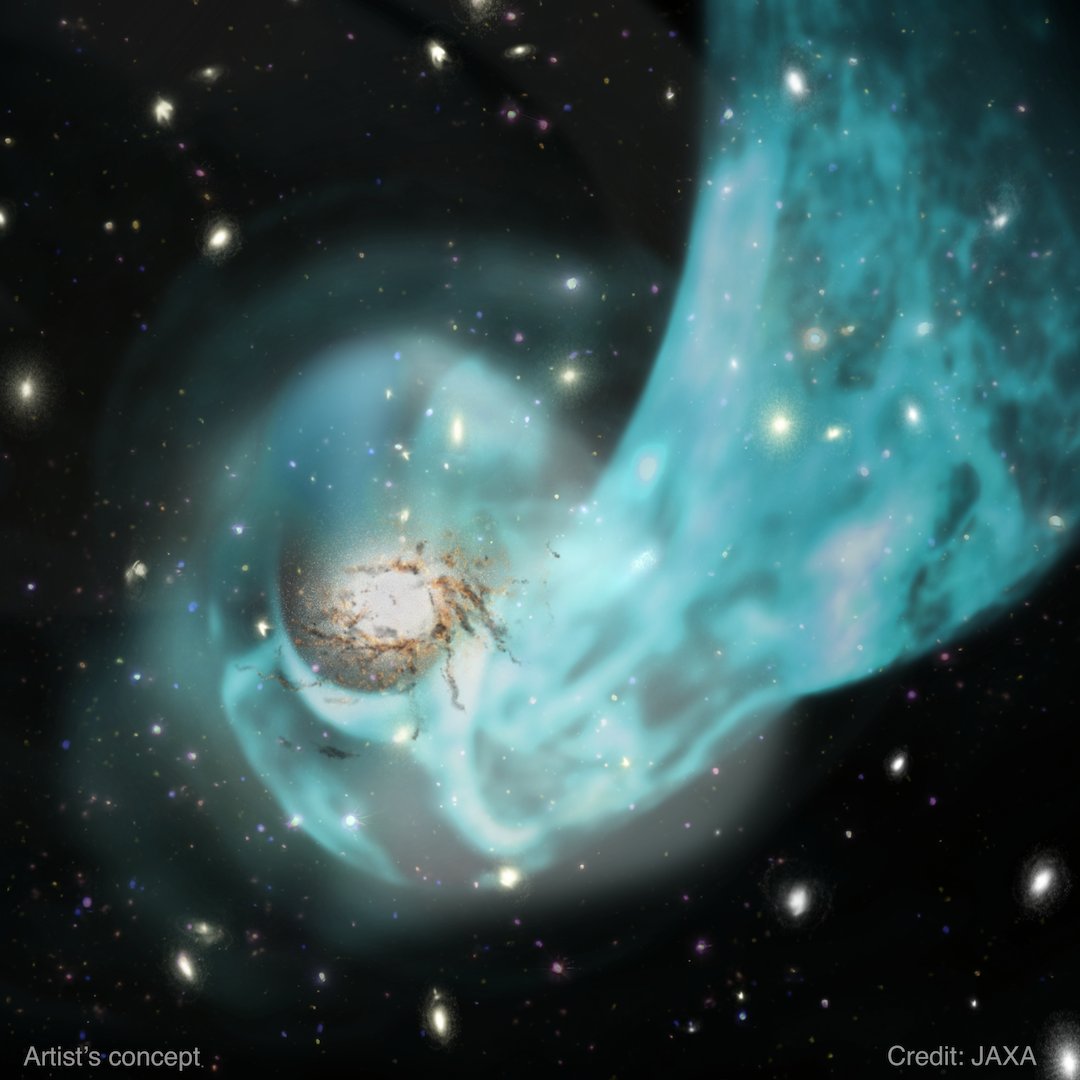
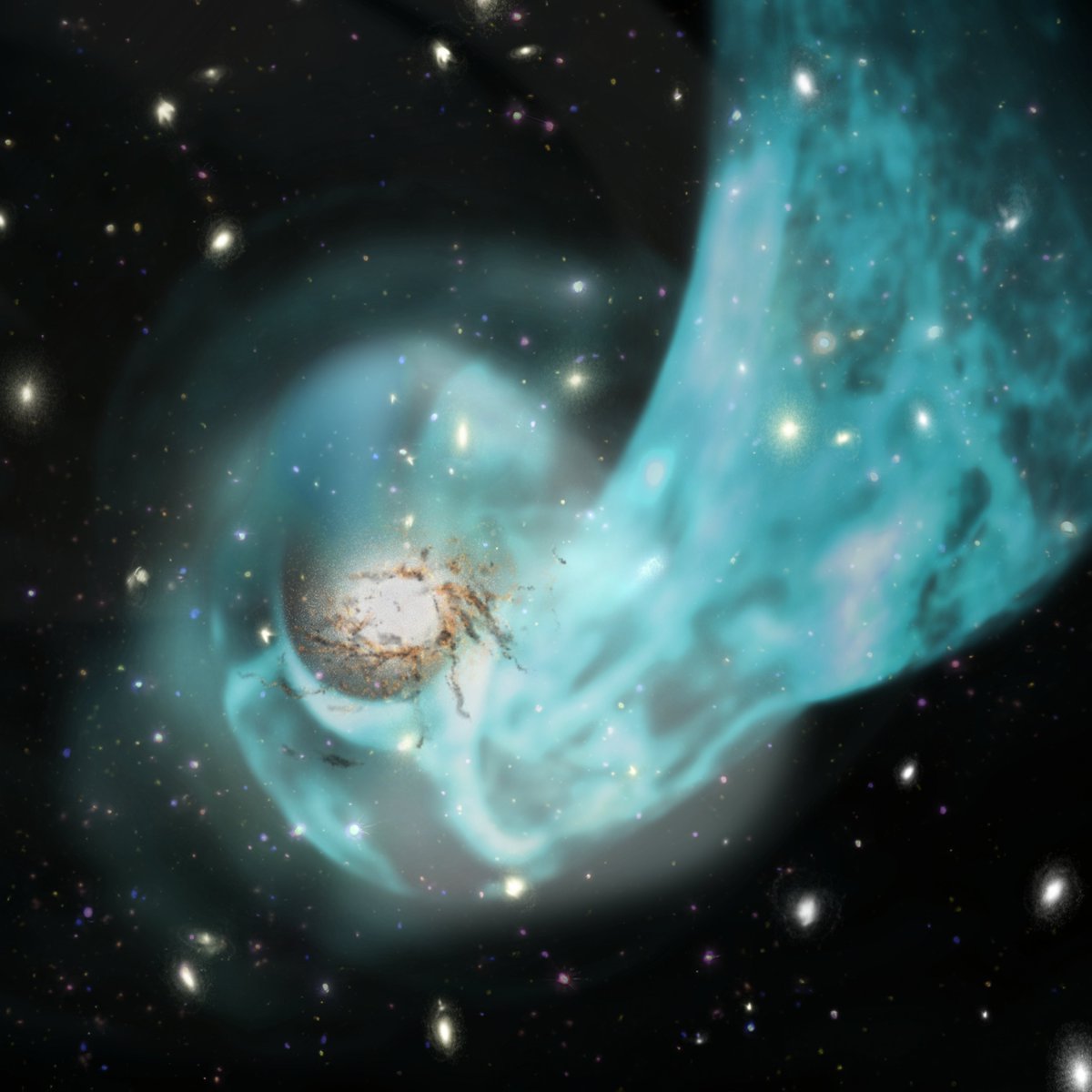
An international research team used @JAXA_en’s XRISM to study the nearby Centaurus cluster and found that the gas appears to be sloshing, likely from past collisions with smaller clusters. This sloshing stirs up the gas, preventing it from cooling.
More: https://t.co/0esaJ7P2x3
What keeps the superheated gas at the center of a galaxy cluster hot? Sloshing!
Galaxy clusters are huge structures with hundreds or thousands of galaxies all bound together by gravity. Though in X-ray light the galaxies fade next to intensely hot gas permeating the cluster.
XRISM’s ultra-precise X-ray spectrometer has, for the first time, detected oscillating hot gas motion in the Centaurus Cluster’s core! 🌌✨ This breakthrough helps unravel the decades-old mystery of how the cluster’s core remains heated.
📄 Read more: https://t.co/TH5MWoaigb