@LauraMFissel@BLAST_TNG I am so sorry to hear about the problem with the BLAST flight. For @CCATObservatory we look forward to hearing about the detector performance though, because we're planning to deploy similar detectors on CCAT-prime around the end of 2021!
And we'll work hard to try to rebuild @BLAST_TNG so that we can use it to study magnetic fields, star formation and planet formation, and interstellar dust on a (hopefully not too distant) future flight. #onwardsandupwards
We won't get to do the star formation science we had hoped from this flight of @BLAST_TNG. However we should have some cool results on the new experimental detectors flew, which might help make them ready for use in satellite telescopes!
@BLAST_TNG So sorry to hear about this guys. I'm following your adventure since the first flight in 2003 and it's really devastating and frustrating when this happens.
However, ballooning always gives a second chance. Always.
Have you heard? As of today, BLAST has successfully launched! @SESEASU's Phil Mauskopf reporting from Antarctica via his blog: https://t.co/g0nFEU3in1. Congrats Phil and the Super BLAST-TNG team! @ASUTheCollege
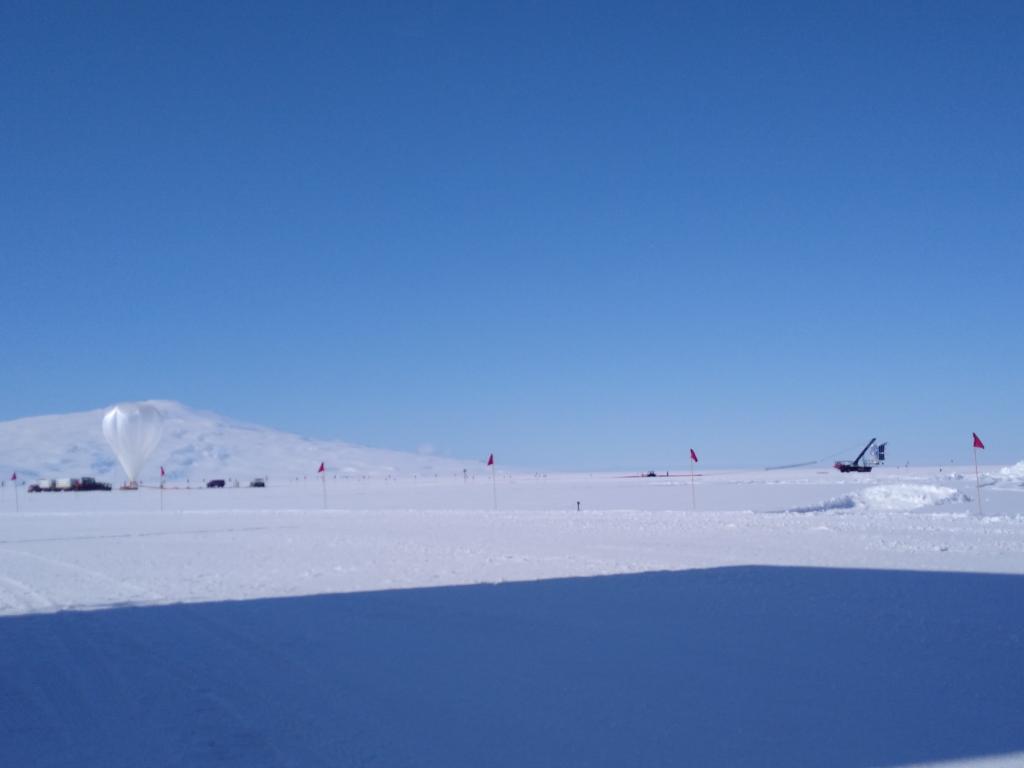
@BLAST_TNG has been launched tonight at 5:00 utc from NASA's Long Duration Balloon Facility at Williams Field airport in Antarctica as mission #708N.
It became the first balloon launched worldwide in 2020.
Track it in real time at: https://t.co/wtpktjhpW7
#BLASTTNG has almost reached its cruising altitude of about 120,000 feet! Now begins the nerve wracking task of checking out all of the systems. #itsinthesky