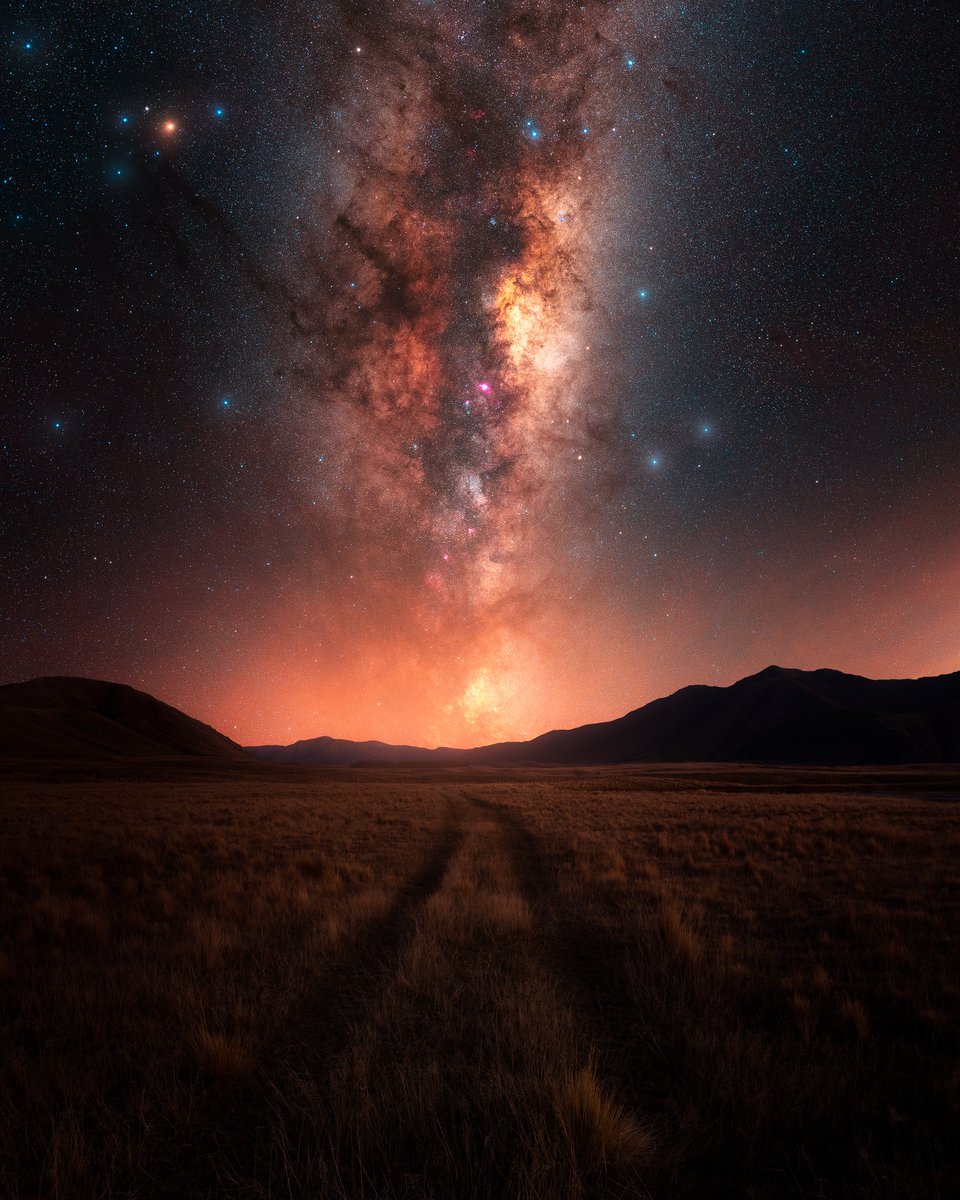
Three cameras, three locations, one scope, and one nutty astrophotographer.
This is my latest capture of the Trifid Nebula otherwise known as Messier Object 20. Photographed with the Explore Scientific ED127mm APO triplet refractor telescope.
One of our #NASASocial participants @blastrophoto asked the @NASAWebb team about the use of color in the telescope’s spectacular images.
Our latest Gravity Assist podcast episode dives into the cyan-tific colorizing process: https://t.co/hHWPGZMN4H
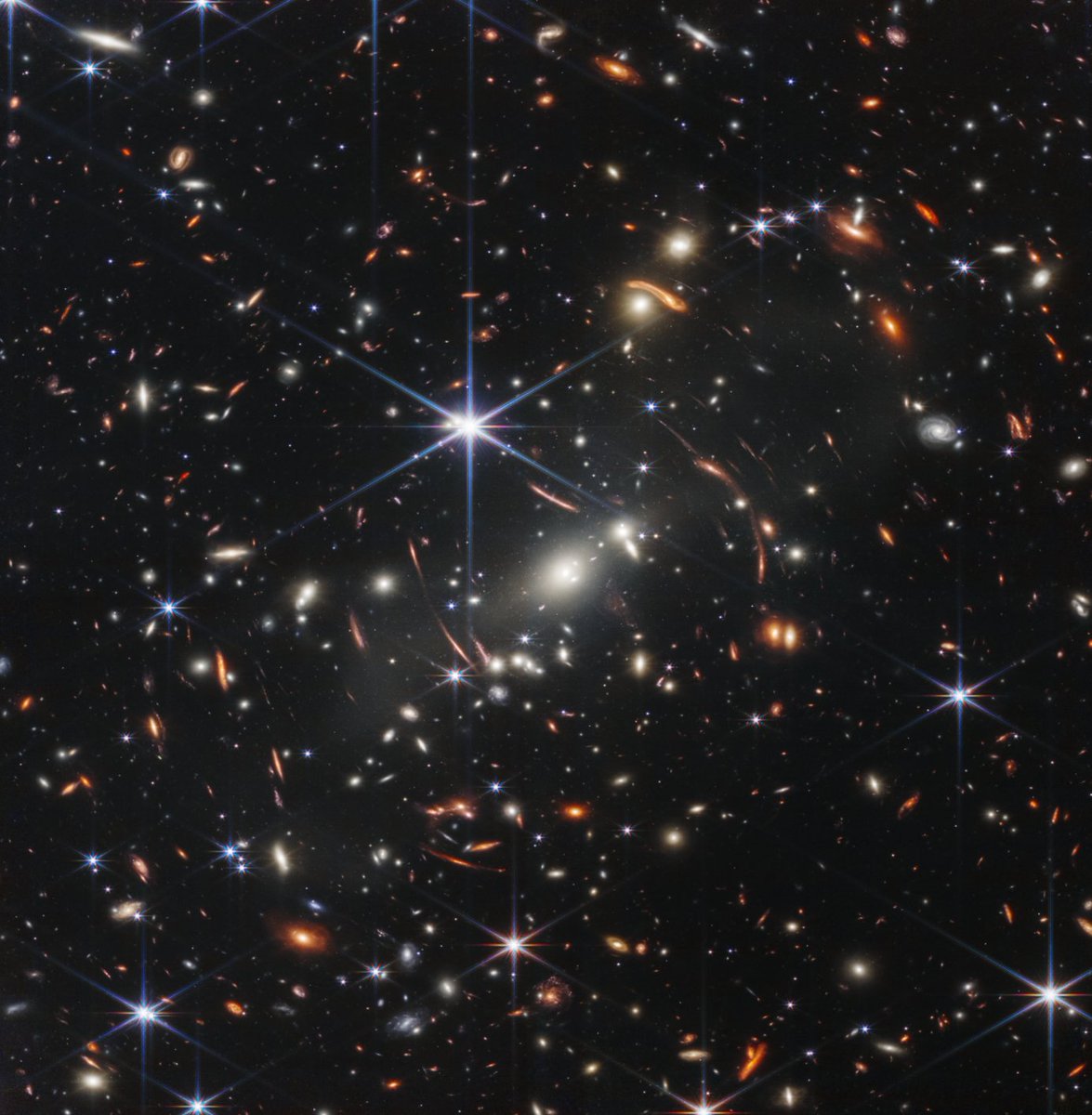
👀 Sneak a peek at the deepest & sharpest infrared image of the early universe ever taken — all in a day’s work for the Webb telescope. (Literally, capturing it took less than a day!) This is Webb’s first image released as we begin to #UnfoldTheUniverse: https://t.co/tlougFWg8B
@JAY21564 I keep a close eye out for dark banding, if I start to see that, then I replace my master darks. I think I’ve rebuilt my dark library once in two years.
Captured from my backyard in Woodbridge, VA with an Explore Scientific ED127.
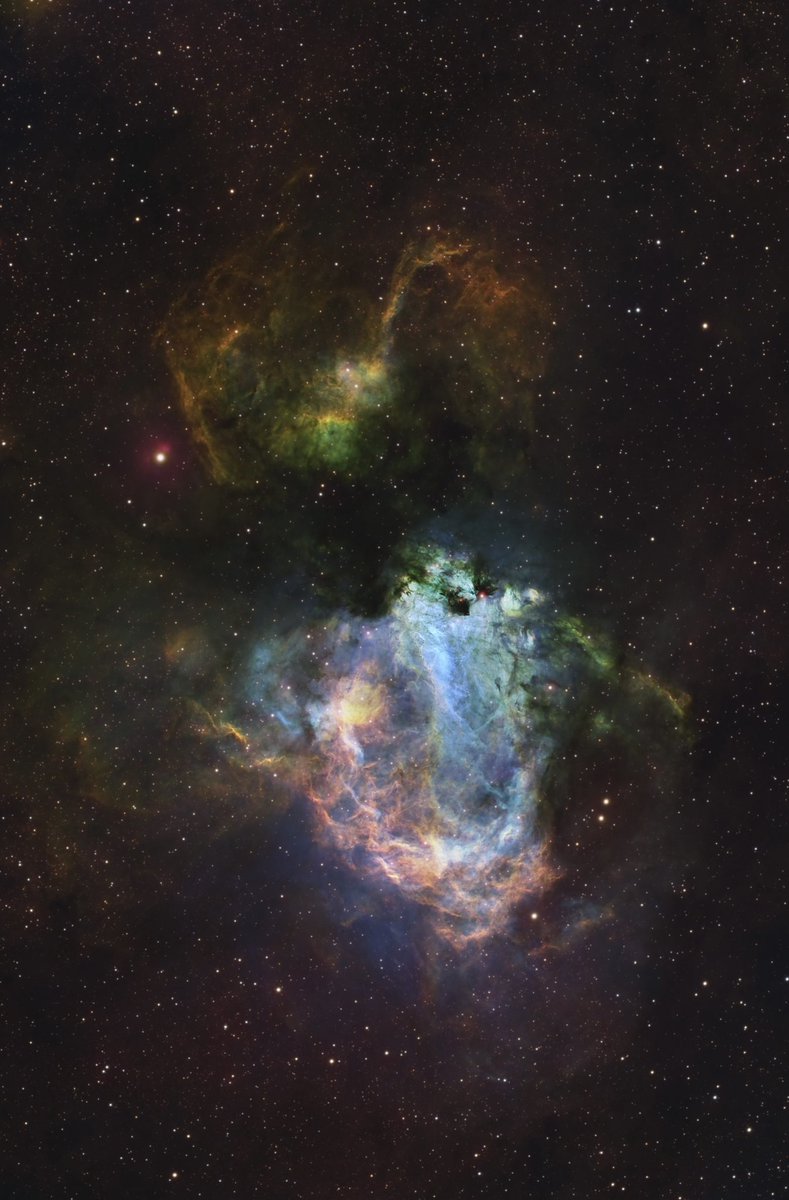
The #Omega#Nebula, also known as the #Swan Nebula, is an H II region in the constellation #Sagittarius. The Omega Nebula is 5,000-6,000 #lightyears from Earth and it spans some 15 LY in diameter.
#Cat’s Paw #Nebula (NGC 6334) and the #Lobster Nebula (NGC 6357). These dramatic deep #space objects are regions of active star formation where the hot young stars are causing the surrounding hydrogen gas to glow red. The very rich field of view also includes dark clouds of dust.
Hello! Here is the first of many astrophoto's I'll be bringing you here on Twitter. I hope that with this new account on Twitter, I'll be able to bring you higher quality content.
This is a 6-Panel Panorama captured from Cherry Springs State Park. #Astrophotography