Data News- More than a dozen Level 1, 2, and 3 data products from NASA's Tropospheric Emissions: Monitoring of Pollution (TEMPO) Version 03 collection are now available at provisional maturity. #ASDCDAAC#airquality
➡️Learn more: https://t.co/EDNrBdaLUK
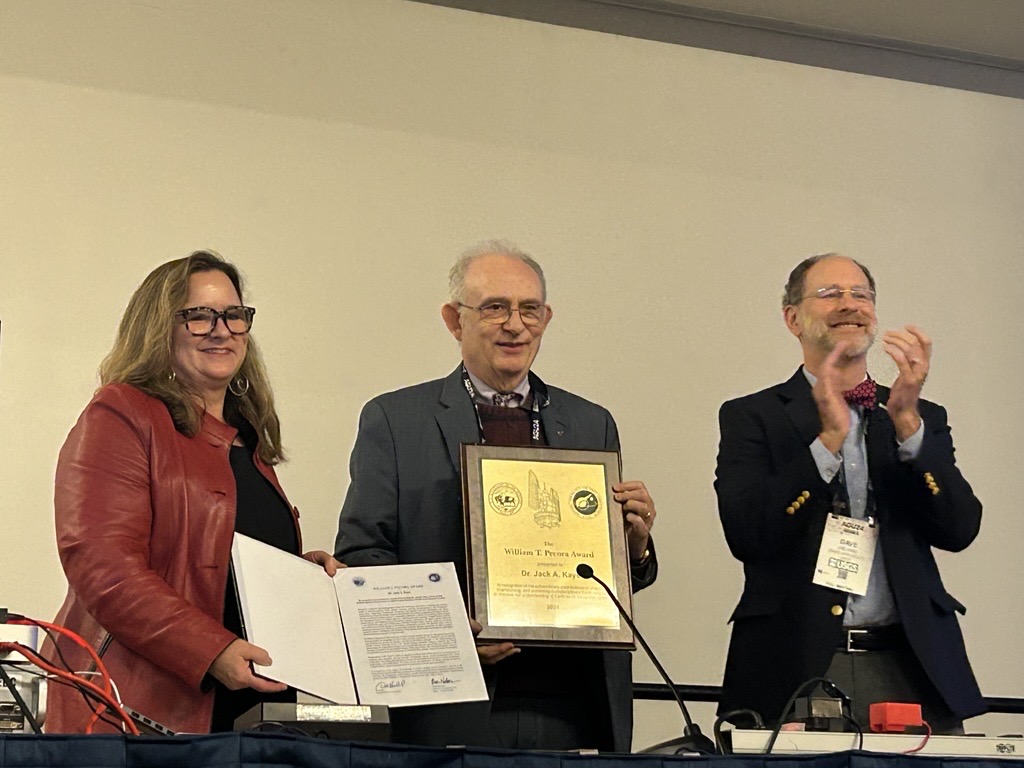
👏Congratulations to @NASAEarth’s Dr. Jack Kaye for receiving the Pecora individual award at #AGU24. Dr. Kaye’s contributions have improved our understanding of Earth as a system.
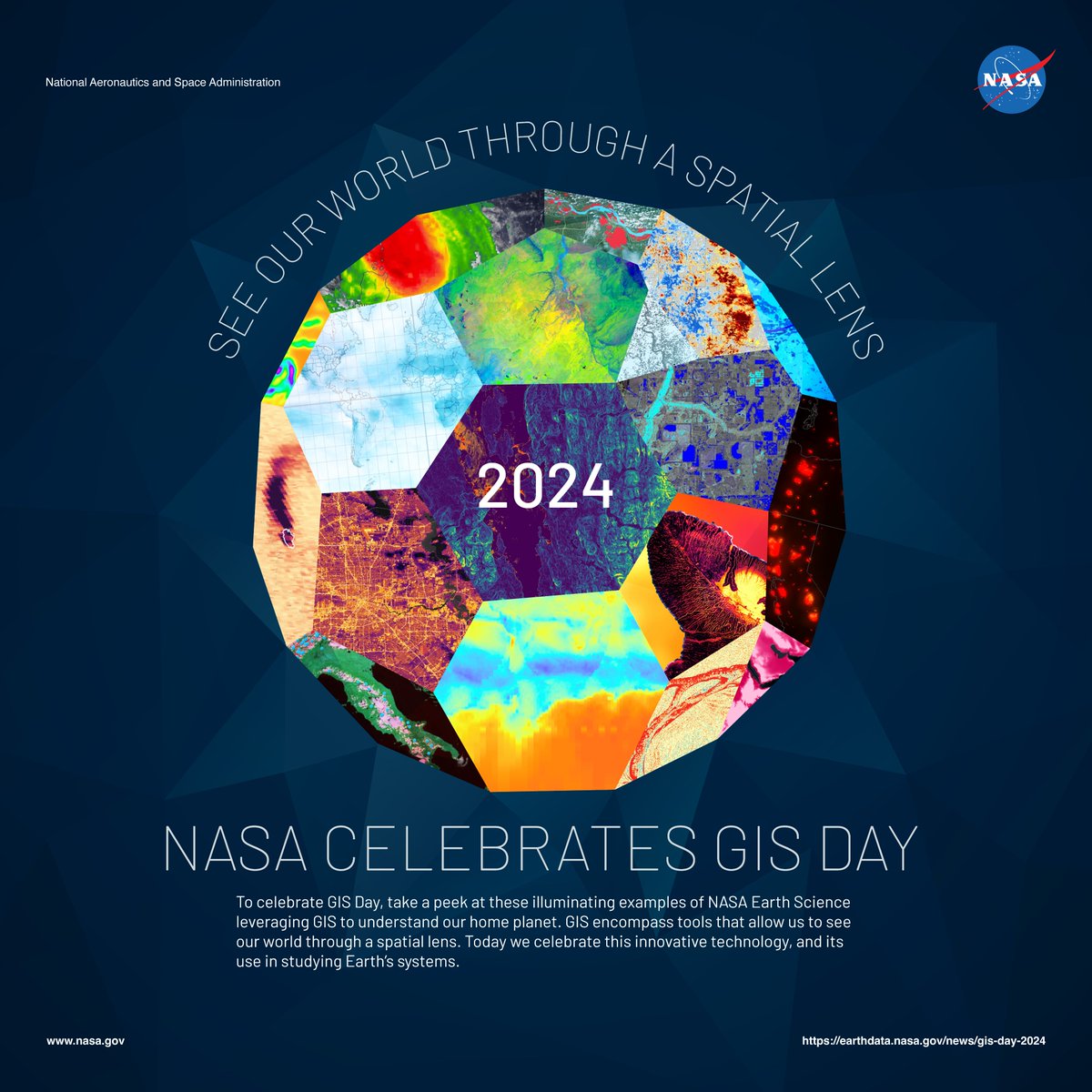
To celebrate Geographic Information Systems (GIS) Day, take a peek at these illuminating examples of NASA Earth Science data, tools, & apps leveraging #GIS to understand our home planet: https://t.co/aNT7wYPpII
#GISDay#EarthObservations#geospatial
The land is drying out according to @NASA satellites & other data as heavier, less frequent rainfall runs off rather than replenishing ground water & a thirstier atmosphere more effectively saps soil moisture.
Blog: https://t.co/qj7WhtTFRo
Paper: https://t.co/QHmwJfksyQ
We are pleased to inform you, we are now launching RFA 24-3: Walter A. Rosenblith New Investigator Award.
The award supports early career investigators, at the Assistant Professor or equivalent level, who are interested in the health effects of air pollution.
1/3
Find webinars, tutorials, and video tips at NASA's #LPDAAC for accessing and working with land processes data from missions like EMIT, GEDI, and ECOSTRESS using a variety of software, web applications, custom tools, and scripts.
➡️Access resources: https://t.co/CZxw9Tbq5P
Our latest report, "Something in the Air: Bridging the Air Quality Data Gap with Satellite Technology," shows how satellite data can give communities across the US better insight into air quality. Learn more: https://t.co/XOAYu9K48G
The American Lung Association released a new report with HAQAST analysis, "Something in the Air: Bridging the Air Quality Data Gap with Satellite Technology", tracking unhealthy levels of PM2.5 in areas without ground-based monitors.
Read it here:
https://t.co/Smub9iM4D3
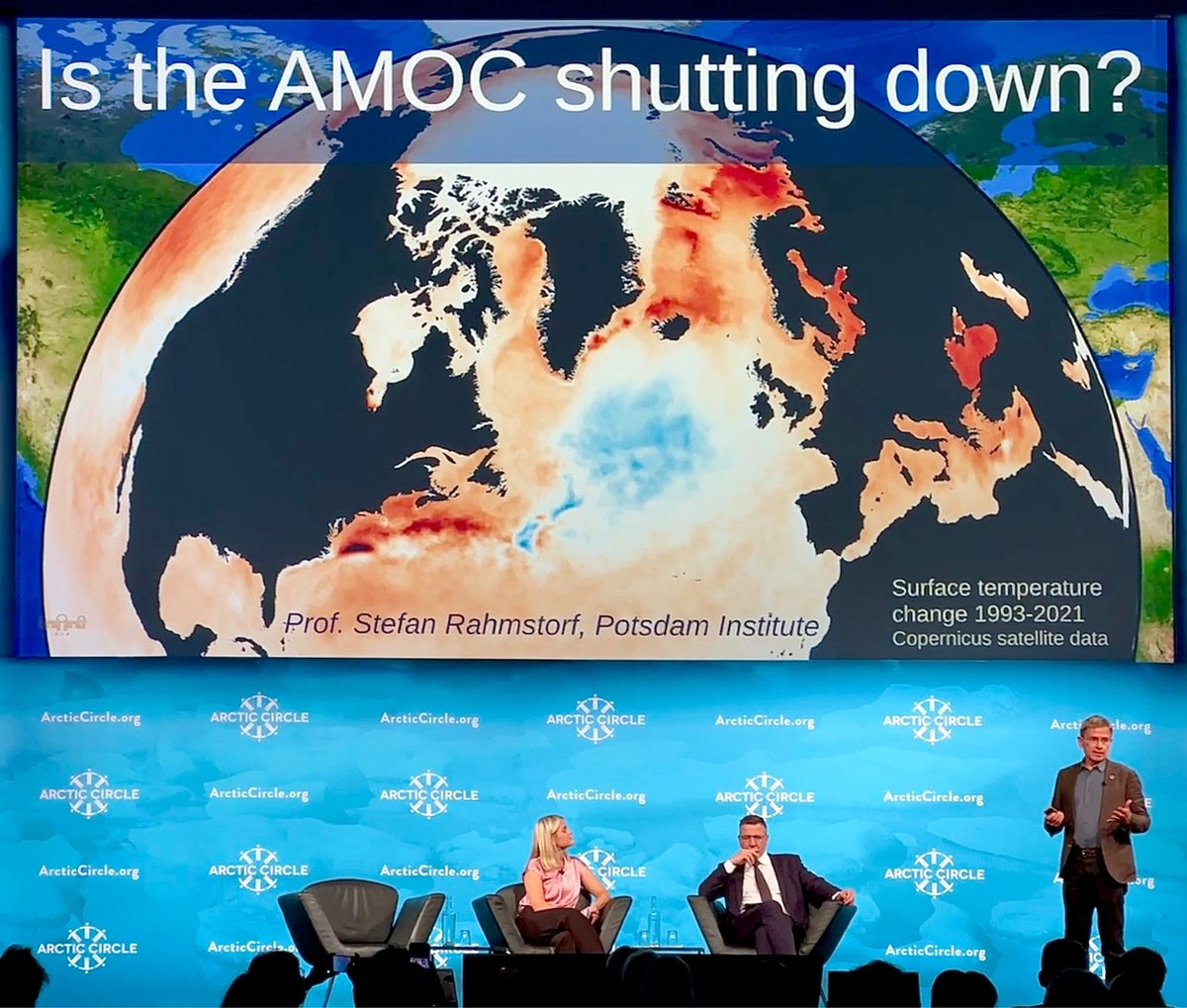
The risk of an #AMOC shutdown - explained in 15 minutes at the Arctic Circle in Reykjavik on Saturday.
I had the honor of presenting a letter by 44 experts warning of that underestimated risk to many countries.
Watch the video: https://t.co/Ld8Dly2a5J
Have you registered for the @NASA Plankton, Aerosol, Cloud, ocean Ecosystem workshop on Dec. 8 held just before #AGU24? Join the team in person to discuss #PACE science, applications, user readiness, and data integration!
Biggest climate news in California this week: Phillips 66 says it will shutter its Los Angeles-area oil refinery next week. Nobody saw this coming, at least not so soon. Details from my @latimes colleague @ldarmiento: https://t.co/vNQtMoxEeX
Excited to share my latest work in ES&T Letters @EnvSciTech!
We find that US air pollution monitoring network lacks adequate coverage, leaving millions of people unprotected under the stricter 2024 PM2.5 standard.
With @joshapte and @MarshallJulian
https://t.co/0R0mcxDvx8
New NASA-funded research reveals higher levels of particulate pollution in Southern California ZIP codes with more or larger warehouses.
Diesel truck emissions from these e-commerce hubs contribute to poor air quality, affecting local communities. More: https://t.co/HkfBvjUemD
Students: There is space for you at @NASA. 🤝
Hear from students sharing their stories of supporting @NASAJPL. Plus, experiences like these are a great way to prepare for future internships!
Get involved: https://t.co/RPKjfOlHlm
HAQAST connects NASA satellite data and products with public health experts and air quality managers.
Celebrate successes of the last four years and learn more about the opportunities at our Showcase, January 28, 2025, in Washington DC and online!
https://t.co/8ehePocogZ