Fello 1 is live. 🧵
Meet CoinFello’s onchain agent that went general-purpose. First headline capability: LP-ing has never been easier.
Here is what changed and what you can do with it today.
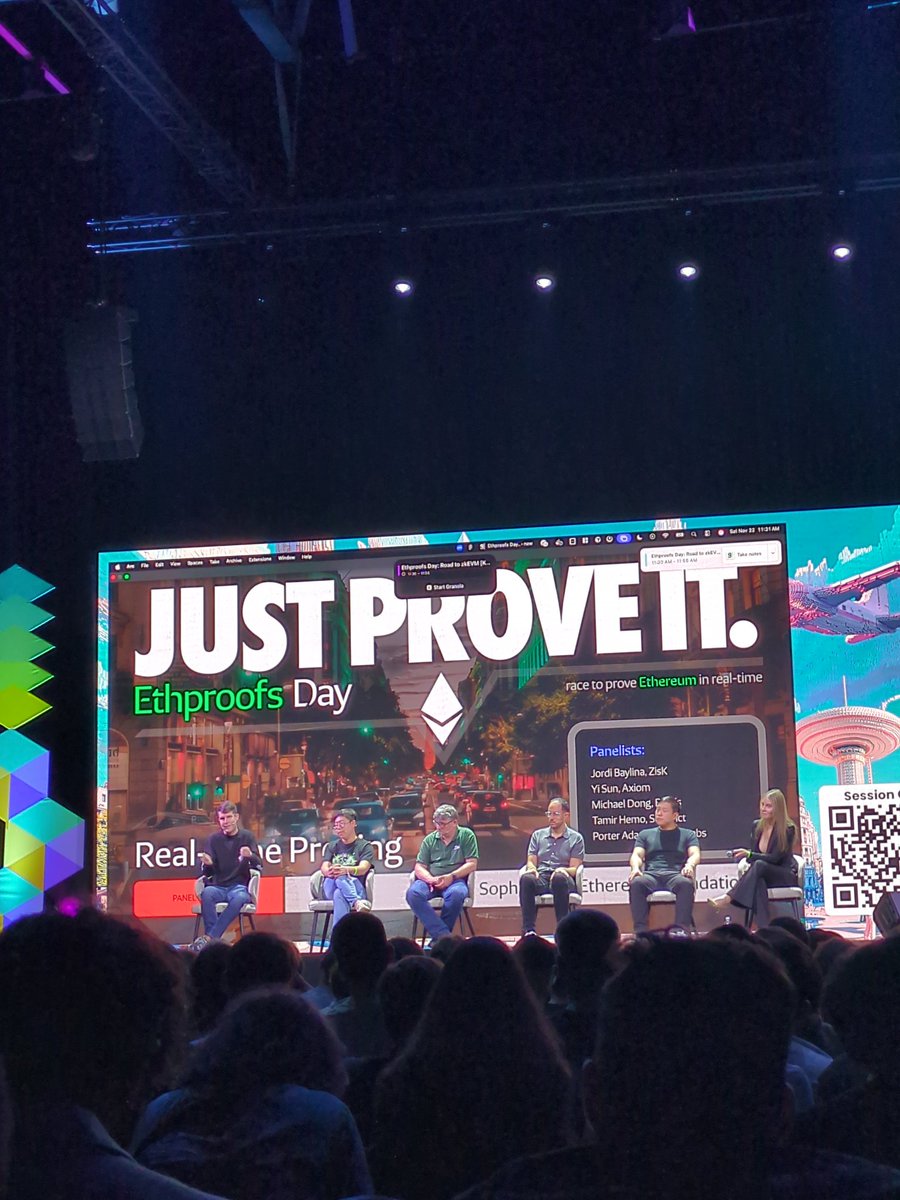
EF will only consider provable security from now on.
Huge race towards real time proving but likely another 1.5+ years to provable 128 bit security + real time proving in a zkvm
Are benchmarks legit or marketing hype?
Consensus is if assumptions are disclosed, then benchmarks help show progress
"We should be marketing Jedis, understanding the force but not going to the dark side. We, the builders, deserve marketing reach, not these f**ing scammers"
Lots of debate around open source licensing. Brevis is fully OS and MIT licensed while others are using business license or combinations where zkvm is MIT but prover code is a biz license
Teams need to get paid but should users be paying a royalty to provers on every block?
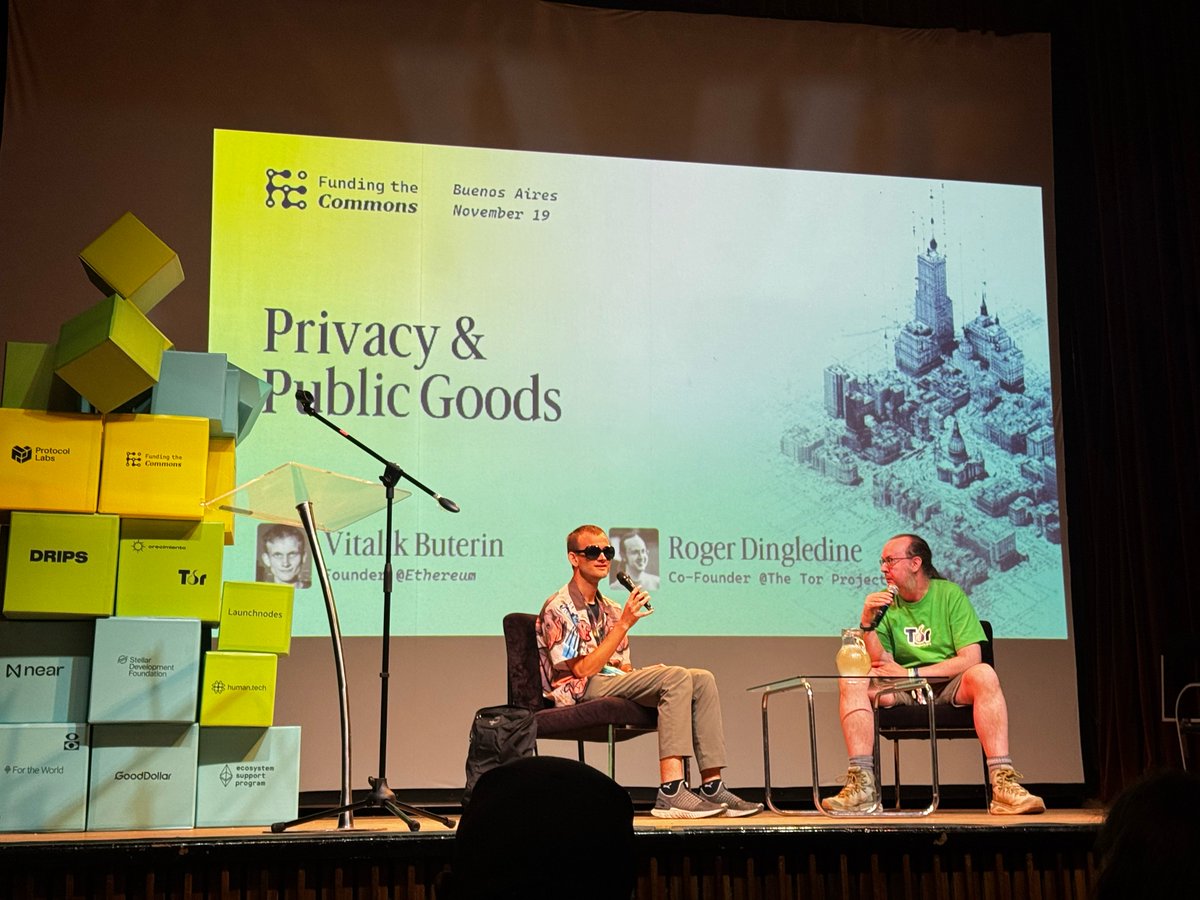
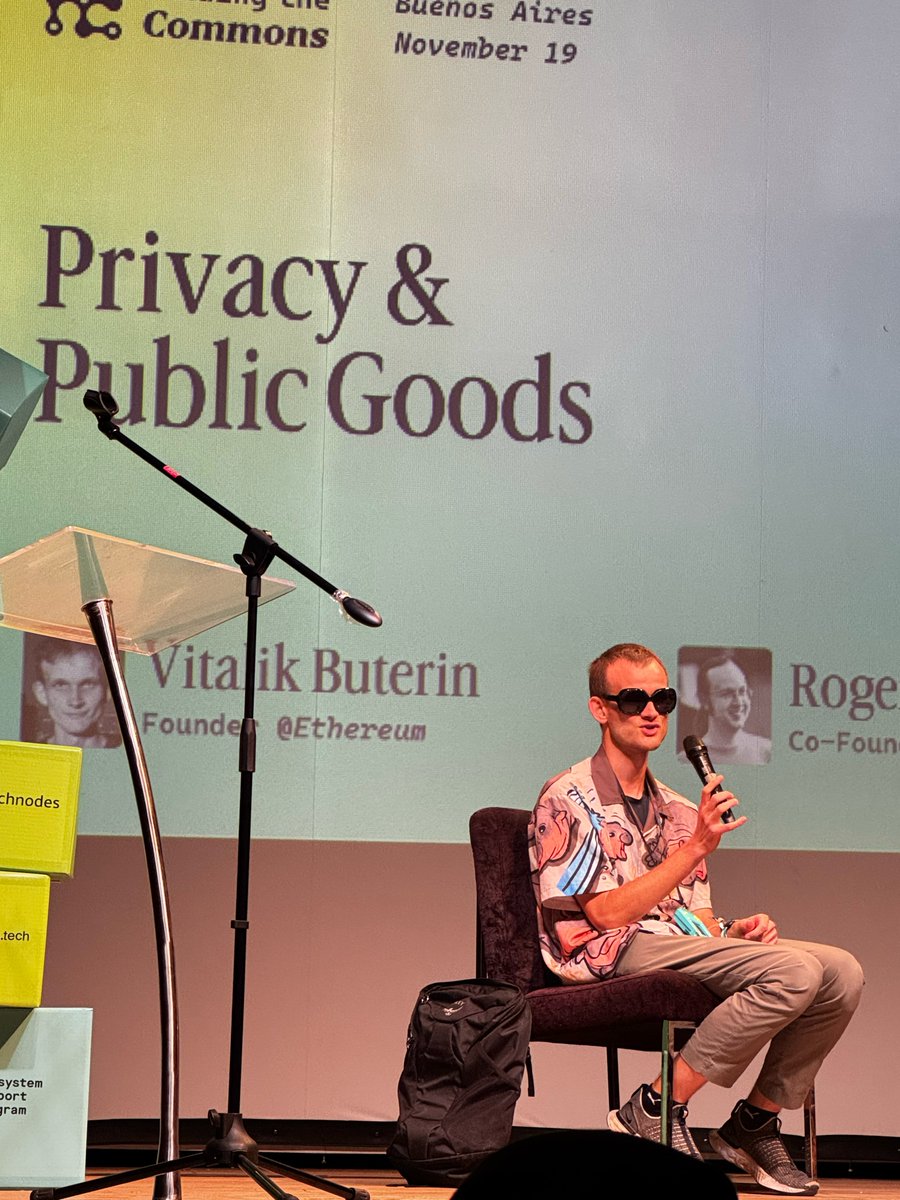
Vitalik Buterin: "if I did not go to an in-person event for one and a half years and I only read twitter every day… that would almost certainly lead me to rage quit and retire and publish a hundred tweets saying why I think the whole crypto space is evil and deserves to burn."
🧵 let's unpack this with direct quotes from his fireside chat with Roger Dingledine from @torproject at @FundingCommons in Buenos Aires
You need at least a million logical qubits to break 256 bit ECC
Quantum tech today can barely manage a few logical qubits out of 100+ physical qubits and there are significant scaling challenges with each order of magnitude increase
Easily 10+ years out, if not 30+ years
Important not to scaremonger here about quantum timelines.
Running Shor's algorithm is not the same thing as breaking an actual 256-bit ECC key. You can use Shor's algorithm to factor a number—that will be impressive—but will take a huge degree of scaling and engineering to factor a number with hundreds of digits.
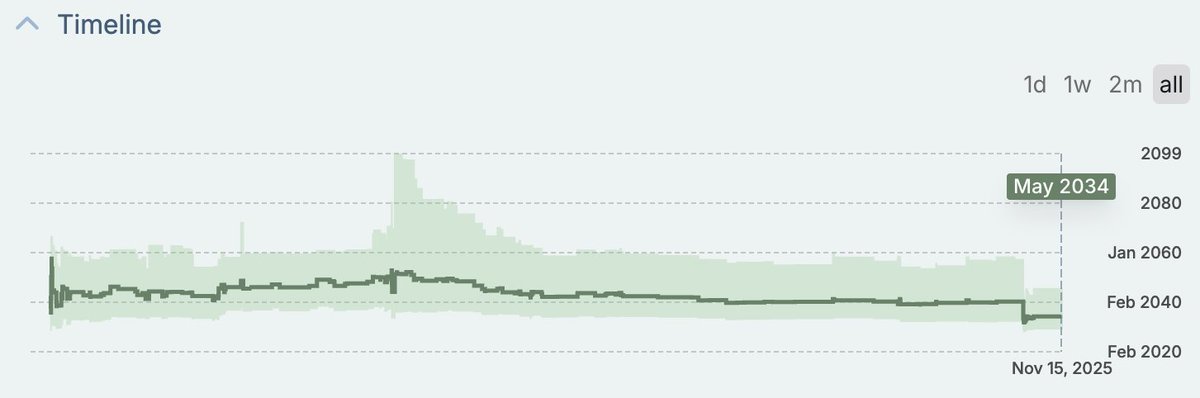
@metaculus is projecting first RSA number gets factored using Shor's algorithm in 2034. That gives us median estimate ~10 years before modern public key crypto is definitively broken. (That said, can happen sooner! It's not a point estimate, but a distribution, fuzzy on both the downside and upside.)
Also worth noting that this estimate has significantly come down in the last 3 years. In 2022, Metaculus was forecasting 2052, so the timer has come down by almost 20 years since then. Progress is certainly ahead of schedule.
Important to take seriously. But not imminent by any means.
All blockchains will need to adapt to post-quantum cryptography. An orderly transition probably needs at least 4 years, which means we have the next few years to decide on a viable upgrade path.
Never forget, the crypto market is trying to kill you, and your only goal is to survive.
In my experience, most people who make it in crypto learn fast that they aren't pro traders and shouldn't compete with those who are. This is one of the most brutal markets on the planet. Even when everything goes right, the face-melting volatility can be fatal. And as we saw yet again on 10/10, everything doesn't always go right. Even highly credentialed firms can get blown out overnight.
Sure, some people who aren't full-time traders will make money, sometimes a lot of money. But more than you think end up giving it back to the market, overtrading as it turns against them when narratives shift or sentiment reverses. And many people don't make money at all. It's one of those classic games where the only winning move is not to play.
Here's the good news: if you work in the industry, you have enough exposure to crypto already without being drawn into the casino. You've invested your "human capital" and that's the most valuable of all. If you hold spot crypto, that's risky enough already. Crypto often goes higher than you expect and lower than you expect, which is why so many people blow up on leverage.
Most importantly, don't forget why you're here. Prices are down, bear market calls are up, and McDonald's memes are back. Nobody knows what's next. But the only way to win is to survive, and the best way to survive is to remember crypto is more than just a volatile asset class. We're here to build a stronger foundation for the financial system and the internet. Keep focused on that and you'll always stay alive.
Is crypto dead? It feels dead.
It felt dead in 2014 when Mt. Gox happened and I was already the “weird bitcoin person” on campus. But it didn’t die, legit companies like Coinbase got formed.
It felt dead in 2017 after getting pilled on the world computer, only to see the most horrible scams as the first wave of adoption. But it didn’t die, it tripled the talent market in crypto.
It felt dead in 2021, because technology didn’t matter when the casino ruled all. But it didn’t die, it flooded the ecosystem with capital.
Now it’s 2025.
With every hype cycle there’s been a comedown. It weeded people out, and provided the necessary focus to prepare the infrastructure for the next wave of adoption.
Global finance will settle on crypto rails. The world computer is effortlessly handling trillions in value and the OP Stack processes more than half a billion transactions every month.
I’ve returned to OP Labs as the CEO to take us into this new chapter. We have made a ton of changes - both bittersweet and exciting. For years, we've operated as a fragmented ecosystem, crippling our ability to move quickly. Now, we are re-unifying our GTM and Engineering teams under one roof. Our Foundation remains focused on decentralization.
And, after 3 years in Mexico City, my cofounders and I have finally returned to the US and we've opened up a new office in NYC.
We’re rounding out year 7 of scaling Ethereum. None of us are going anywhere. This isn’t the last storm we’ll weather, and we’re still fighting like hell.
And you know what, Crypto isn’t going anywhere. Stop taking so much adderall and buying extra strength Zyns, it’s making everything feel worse. Go to the gym, drink some water, and I’ll meet you back at the office.
We’ve been cooking & I can’t wait to share more with y’all.
Today, we released our full post-mortem on the recent exploit.
I encourage everyone to read it to understand what happened, how we responded, and our path forward.
This is not the end. We remain fully dedicated to our recovery efforts and are exploring every avenue to restore value to affected users.
User safety has always been our highest priority, and we're taking every lesson from this incident to build stronger safeguards. More details will follow as we progress.
Thank you for your patience and trust during this time! 🙏🏼