blockfunded is open to early customers.
• simulated crypto trading evaluations
• 128 USDC markets
• rules and progress in one app
• EUR SEPA or USDC via Solana Pay
No customer funds are deposited or traded.
https://t.co/k8zqBGMVEt
@tdmarketmaker Coin count is a weak diversification test. I’d group positions by shared market driver, then total the loss from current price to each stop under one downside scenario, with room for fees, slippage and gaps. Ten symbols can still spend one risk budget.
@pakant12 The trades that feel “not worth analyzing” may be the most useful sample. I’d tag each one as valid setup, boredom/activity impulse, or execution error, then compare it with a predeclared no-trade condition. Sideways days test the filter, not just the entries.
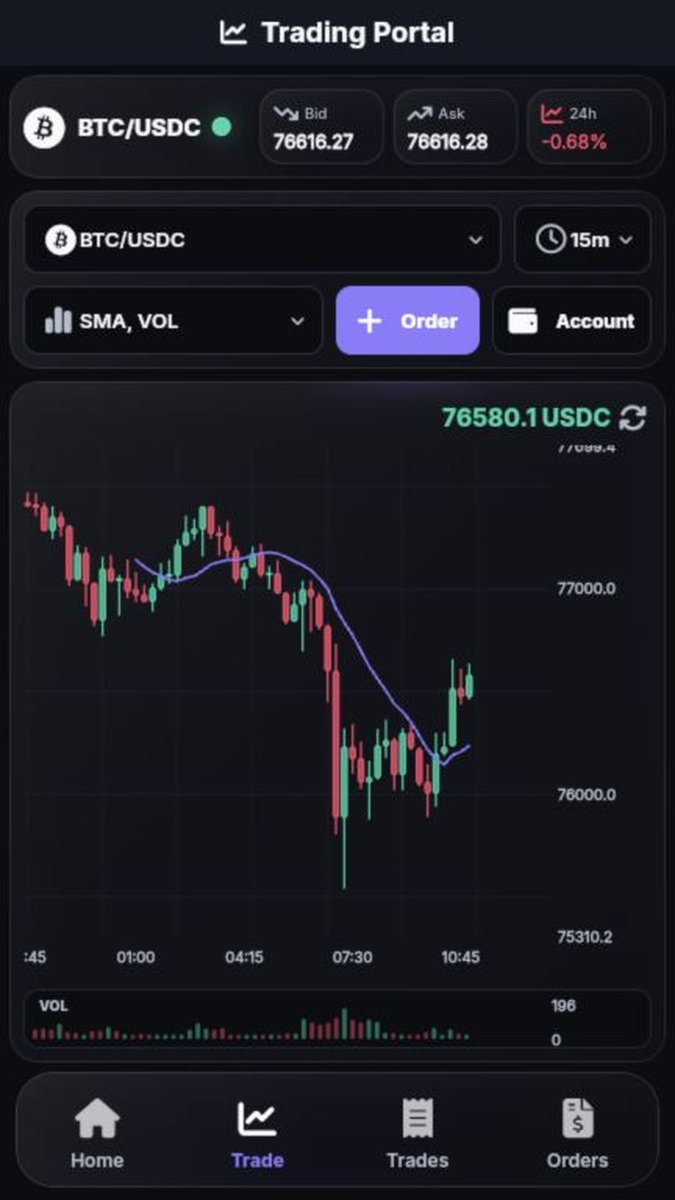
A native app capture beats a product claim: blockfunded’s trading view keeps the selected market, timeframe, indicators, quote, Order and Account controls on one screen. This capture shows BTC/USDC in the simulated app. What would you verify before opening the ticket?
@tradesviz MAE and time underwater matter, but compare both with planned risk at entry. A green close after a large adverse excursion may be lucky recovery, not safe execution. Did price cross invalidation? That separates a disciplined hold from a broken rule that happened to pay.
A useful evaluation checklist goes beyond target and fee: how open P/L affects equity, when the trading day resets, how minimum days are credited, and what crossing a loss limit does. Read the rules for your own order—not a copied comparison table.
@EliteXpertHq Showing the losses beside the take-profits is useful because a journal should reveal process, not curate outcomes. One extra field I’d add is planned risk versus actual loss at exit; the gap catches slippage, stop movement and size drift that a simple win/loss log misses.
@Alchem1stTrade The distinction between breakout and acceptance matters here. I’d define “defended” before the retest: which level must hold, for how long, and what invalidates the thesis. Flows explain context; a prewritten failure condition keeps context from becoming permission to chase.
blockfunded’s current catalog contains 128 USDC-quoted crypto markets. More symbols are useful only if the risk view stays clear enough to compare open exposure, stops and drawdown room. Which market do you actually need—and what risk detail should sit beside it?
@BestieBotsai Yes—and the losing entry becomes more useful when it separates planned risk from execution. A loss that followed the setup may need no rule change; a stop moved or oversize entry does. Otherwise every red trade gets the same diagnosis.
FAQ: Does reaching blockfunded’s profit target complete a stage immediately? Not necessarily. Every displayed objective still has to be complete—including minimum trading days—and the account may be reviewed. Which part of stage completion should we explain next?
@tradetogether01@dc_capitalfx That’s a product-fit test. Replay the swing strategy against intraday equity, open P/L, reset time and overnight rules before buying an evaluation. A valid multi-day thesis can still breach a daily floor. Forcing an intraday exit changes the strategy being tested.
Before a simulated order, blockfunded’s risk preview shows estimated loss at stop, commission, existing stop exposure, and daily/total room after stops. It’s a snapshot, not a guaranteed fill. Which number would change your decision?
@adam_edgerton You’ve already separated the read from execution. I’d tag the sequence as three binary breaches: late or invalid entry, size above plan, and re-entry without a reset. Then precommit the interrupt—after the first breach, no new order until the setup and risk are written again.
@pakant12 That counterfactual is the useful review. If trade two had hit the same predefined risk, would the session still have stayed inside your daily stop? Recording both the actual result and the planned worst case keeps luck from being mistaken for a sizing decision.
Help choose the next blockfunded explainer:
A — how open P/L affects drawdown
B — what happens after Verification
C — how simulated orders are executed
D — how minimum trading days are counted
Which one should we break down with numbers?
Trading rules are only half the product. We compared how four crypto prop firms describe platforms, payments, account visibility and simulated or funded-stage disclosures. Publisher relationship and primary sources are shown clearly.
https://t.co/xbshQP2M8Q
@yuanlogs Strong starting structure. I would add two fields that make behavior measurable: planned risk in account terms, and whether any rule changed after entry. The second catches the exact mid-trade drift you want to remove. A no-trade entry can also preserve evidence of discipline.
@RotsTrading This is the value of setting risk before the drawdown starts. I’d add one split to the weekly review: rule-compliant losses versus execution deviations. The same −6% needs a different response if sizing stayed fixed but entries drifted, stops moved or setups changed.
@cryptotradindev@altradyapp Thanks—that distinction matters. A hard stop-change lock protects the original risk budget; a soft warning still permits drift. One useful audit field would be planned risk at entry versus current risk after every stop edit, so any increase is visible before the next action.