This seems like a very useful new data set: Small-Area Global Elections (SAGE). The main benefit is the combination of extremely fine-grained geographical election data, broad international coverage, and harmonised information across countries and elections.
Only three days remaining to submit your papers to the exciting Frontier Research on Fiscal Policy conference, in the the beautiful Tuscan Hills on October 15-16.
Keynotes by Marios Angeletos, Benjamin Born, Roberto Perotti.
https://t.co/XMwGIHKEEM
🚨 Public Good Alert 🚨
Two years of development. Zero funding. 𝟲,𝟲𝟵𝟯 𝗼𝗳𝗳𝗶𝗰𝗶𝗮𝗹 𝘀𝘁𝗮𝘁𝗲𝗺𝗲𝗻𝘁𝘀 𝗳𝗿𝗼𝗺 𝟱𝟭 𝗰𝗲𝗻𝘁𝗿𝗮𝗹 𝗯𝗮𝗻𝗸𝘀. #TextData
Today, we are opening the doors to it all for free 🚀
Visit our website: https://t.co/ToBke8Dxww
🧵1/12 #NLP
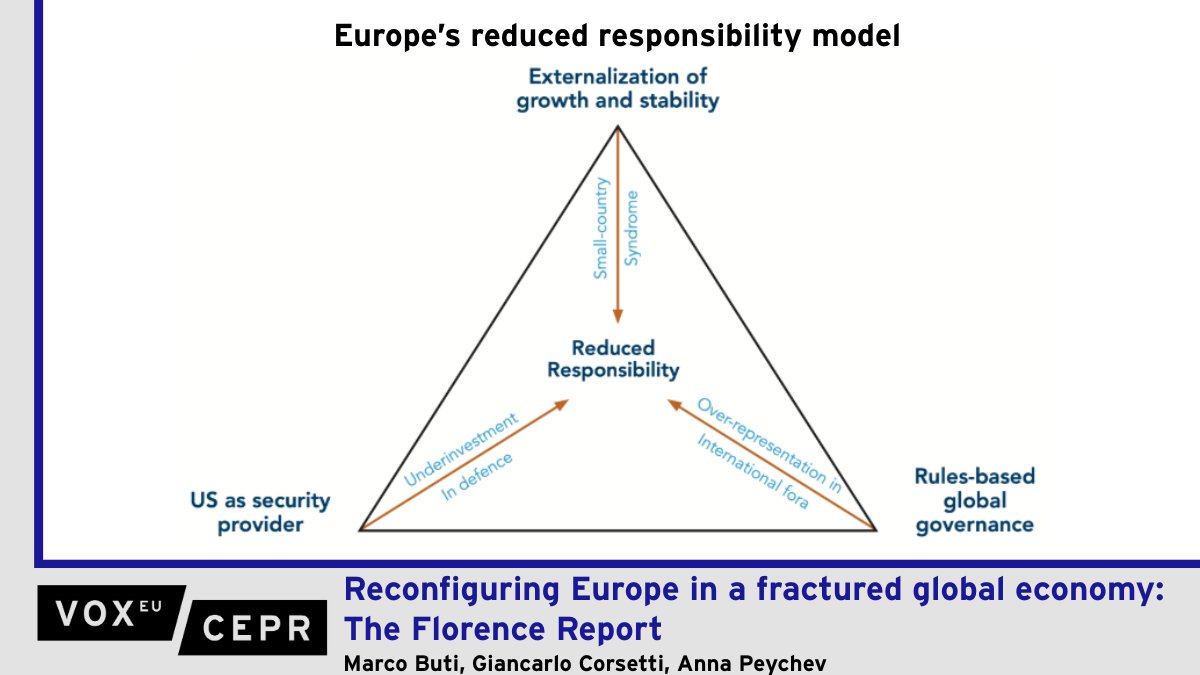
Reconfiguring Europe in a fractured global economy: The Florence Report
Marco Buti, Giancarlo Corsetti, Anna Peychev @EUI_EU@EUI_ECO
https://t.co/dDYAgoD63e
Europe isn’t powerless: you’re just looking at it wrong.
The EMU Lab Florence Report 2026 - Reconfiguring Europe in a Fractured Global Economy is now out! The Report is a collaborative effort to address EU’s challenges and the outcome of a 2-year project by a team of 40 experts.
🔴 LIVE EVENT: Launch of the April 2026 Fiscal Monitor, with an overview of public finance developments and fiscal implications of policies relevant to the global economy.
https://t.co/zDXDGkNcM1
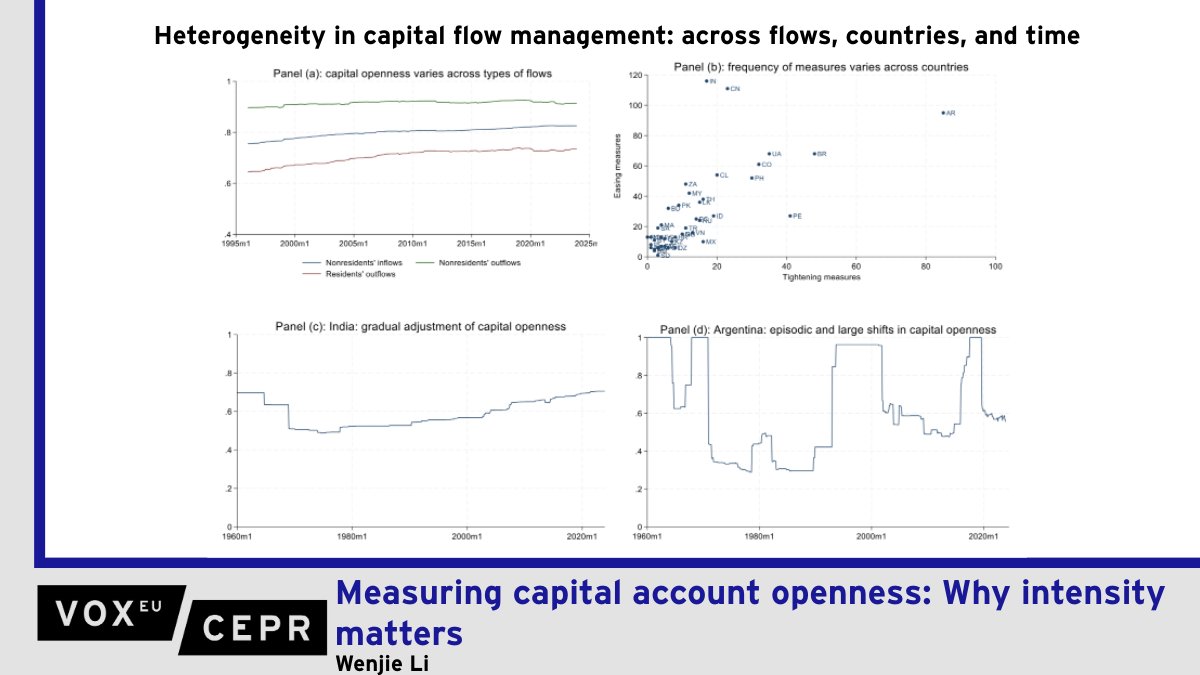
Not all capital flows carry the same risks. The new IMF FinOpen Index shows that opening to equity before debt leads to more stable external financing, especially in countries with stronger institutions. Watch our Analytical Corner on April 13 at 4:00 PM ET. https://t.co/ZOV1mvR2Uv
✍️Register now for the 5th Finance and Productivity (FINPRO) Conference!
This year's theme: Corporate Finance and Productivity in Times of Geopolitical Fragmentation
📆24-25 April 2026 | 📍Tokyo, Japan and Online
🗣️Keynote speaker: Laura Alfaro @HarvardHBS@the_IDB
https://t.co/WWrKleoi9J
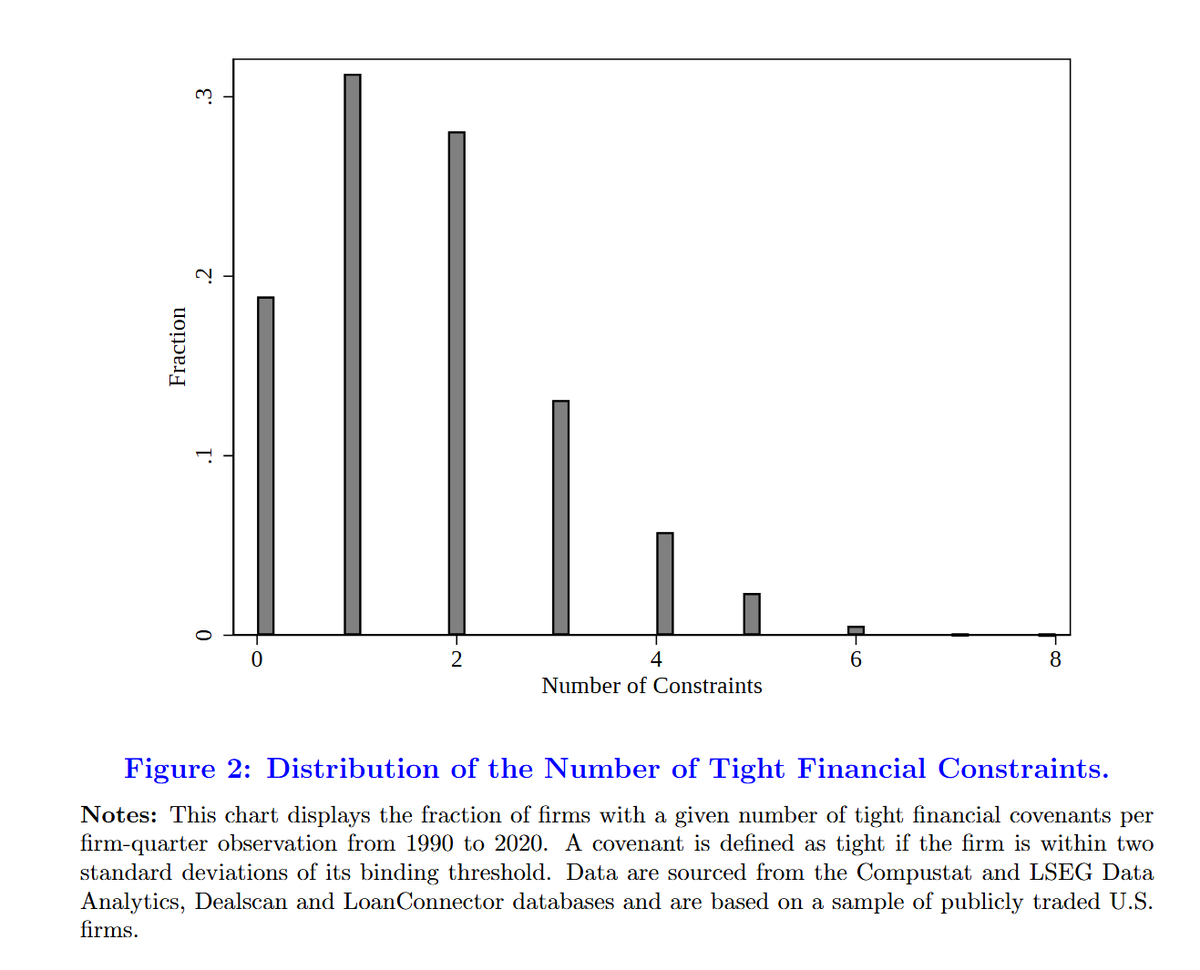
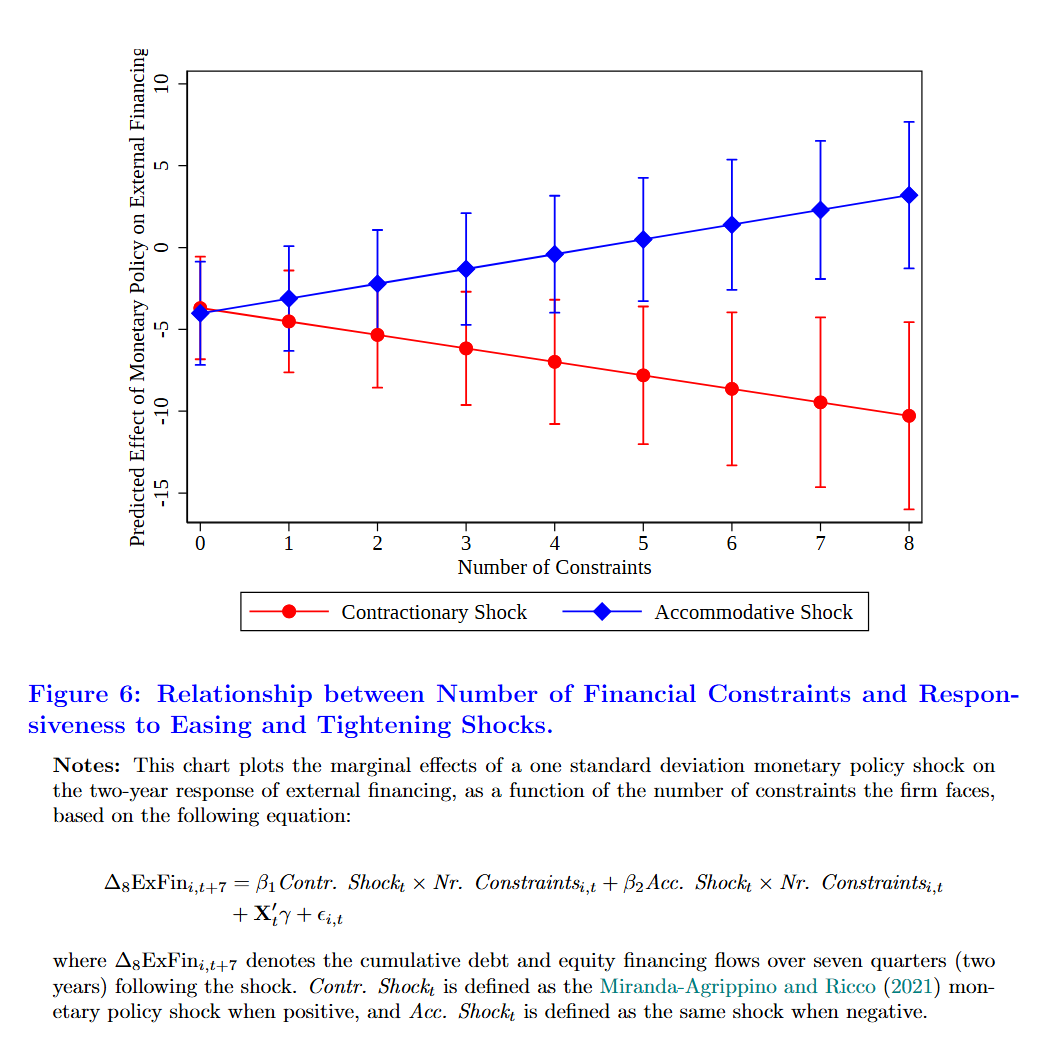
Firms commonly face multiple tight credit constraints. This prevents expansion after monetary easing but amplifies the response to tightening, explaining the well-documented asymmetry in monetary policy transmission. https://t.co/EH7berZiXC #FEDSPaper#EconTwitter
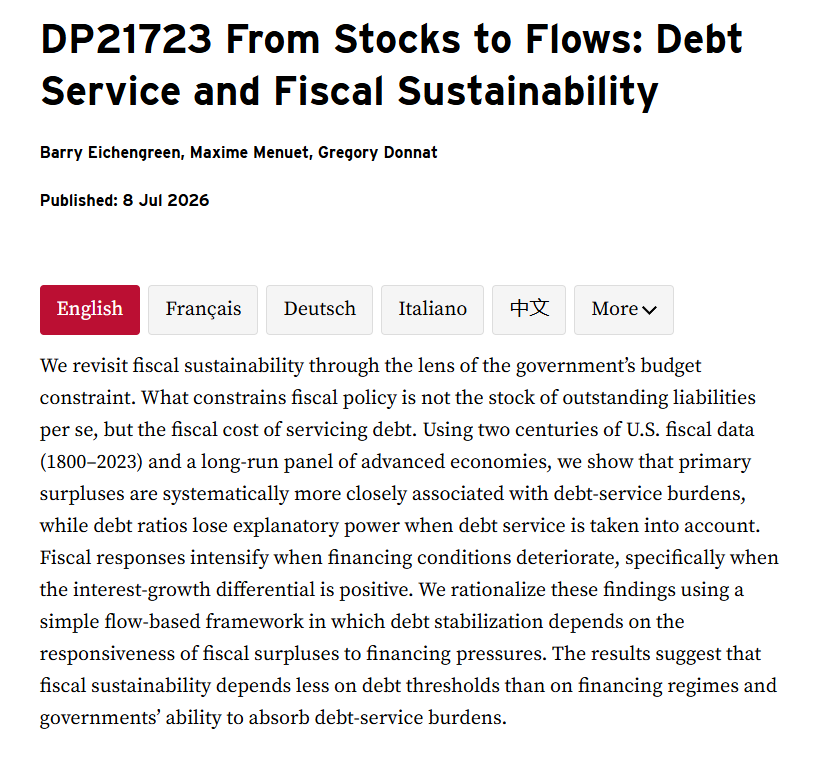
Designing fiscal consolidation to achieve fiscal sustainability and the sustainable development goals
Karan Bhasin @ualbany, Prakash Loungani @LounganiPrakash@JohnsHopkins
https://t.co/lrgLqmhSlH
Applications are open for my course on "Monetary and Fiscal Policies for Productivity Growth" at the @bse_barcelona/@CREIResearch Macroeconomics Summer School https://t.co/6QszN8NOjt, to be held in Barcelona on July 6-10. Please reach out if you need more information.
Super interesting!
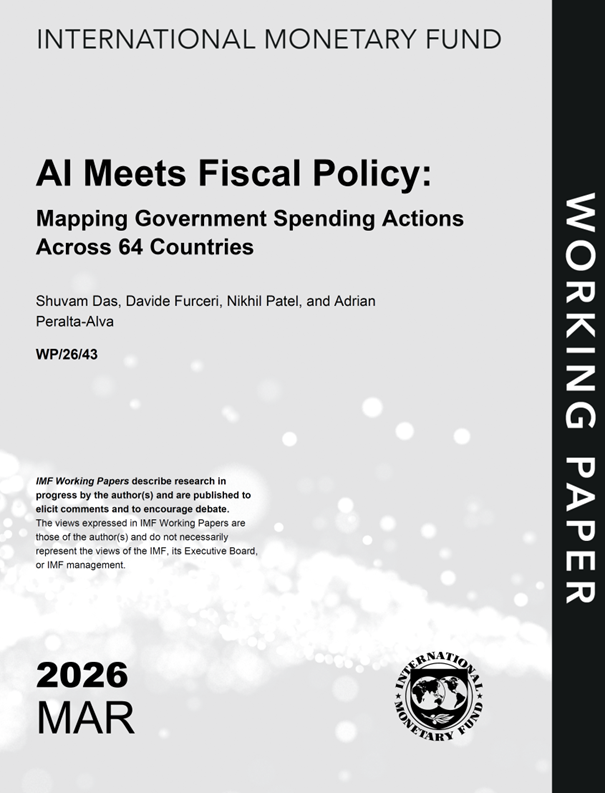
"AI Meets Fiscal Policy: Mapping Government Spending Actions Across 64 Countries" by Shuvam Das, Davide Furceri, Nikhil Patel, and Adrian Peralta-Alva.
"We build the first global quarterly narrative database of discretionary government spending actions by applying a fixed GPT–4.1 prompt to Economist Intelligence Unit (EIU) Country Reports. The resulting series identifies exogenous spending shocks—expansions and contractions—for an unbalanced panel of 64 countries from 1952:Q1 to 2023:Q4. We validate the database by (i) replicating expert narrative coding in Romer and Romer (2019), (ii) showing that the identified shocks predict subsequent movements in measured government spending, and (iii) establishing alignment with action-based consolidation measures in Adler et al. (2024). Using country-by-country proxy SVARs that treat the narrative indicator as an internal instrument, we estimate cumulative government spending multipliers. The median multiplier is about 0.7 at horizons up to two years, with substantial heterogeneity across countries and states. Multipliers are larger in countries that are less open to trade, under fixed exchangerate regimes, during downturns, and at the zero lower bound. Political conditions also matter: multipliers are smaller when broad economic policy uncertainty and fiscal policy-specific uncertainty is high, but weak political support is associated with larger conditional multipliers."
https://t.co/wQSdjwUZVa
🚀Major upgrade to the GMD Stata package 🚀
The Global Macro Database (GMD) is the most comprehensive collection of macroeconomic statistics, with around 8,000 users.
We are now excited to announce a major improvement to our Stata package:
ssc install gmd
gmd
Forthcoming in AEJ: Macroeconomics: "Leaning Against the Global Financial Cycle" by Andrea Ferrero, Maurizio Habib, Livio Stracca, and Fabrizio Venditti. https://t.co/fGPIiZOAhF