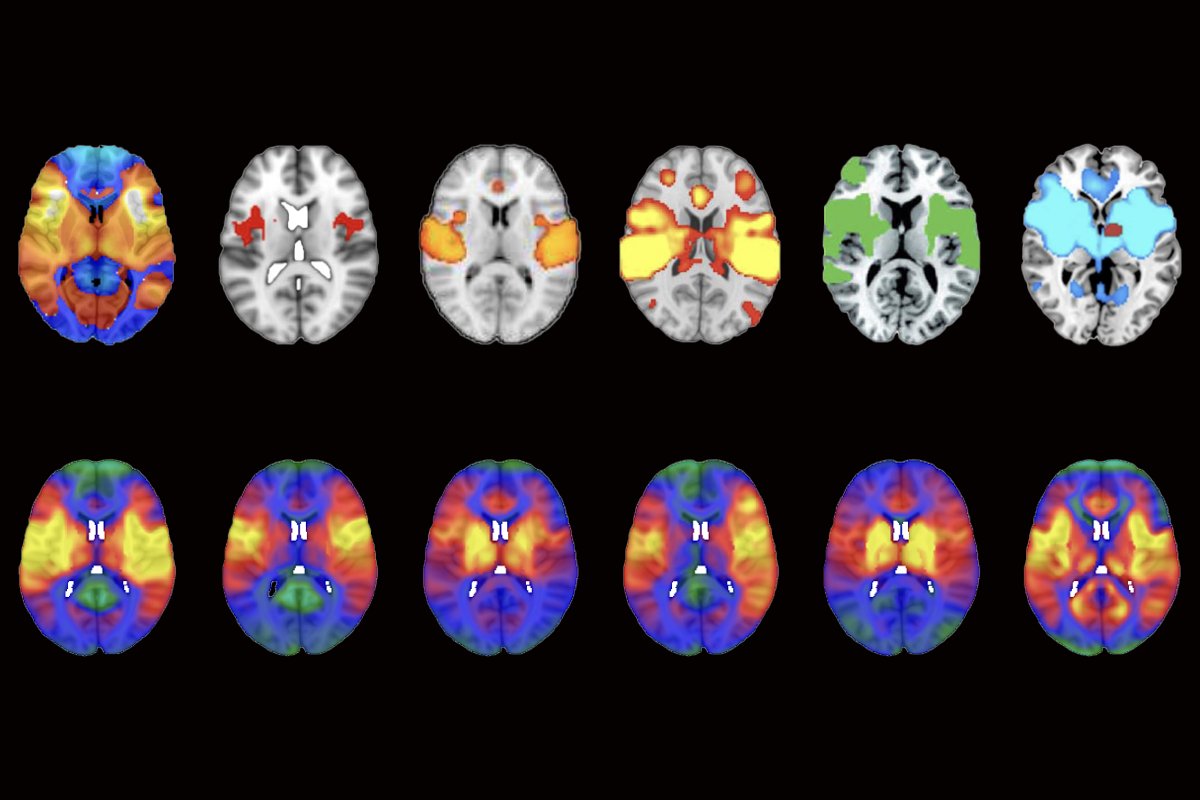
Why is the insula the most interesting region in the brain?
Here are 6 things worth knowing. This is topic #3 for our lab's Friday 'Ode to Neuroanatomy' series.
We recently saw two people with lesions of the right mid to posterior insula.
What do you guess – they lost all desire to enjoy which of these guilty pleasures:
A. gambling
B. sex
C. eating junk food
D. getting massages
The localization for these two lined up perfectly with a recent large-scale lesion study from Nick Trapp’s lab @NickTrapp13 showing reduced appetite and weight loss associated with right insula lesions.
Super excited to share that I have received the NIMH K99/R00 Pathway to Independence career development grant 🚀. This news has been a long time coming. This recognition gives me deep confidence, not only in myself but also in the research I am pursuing.
Nothing is more exciting than being among inspiring neurology leaders and talks.
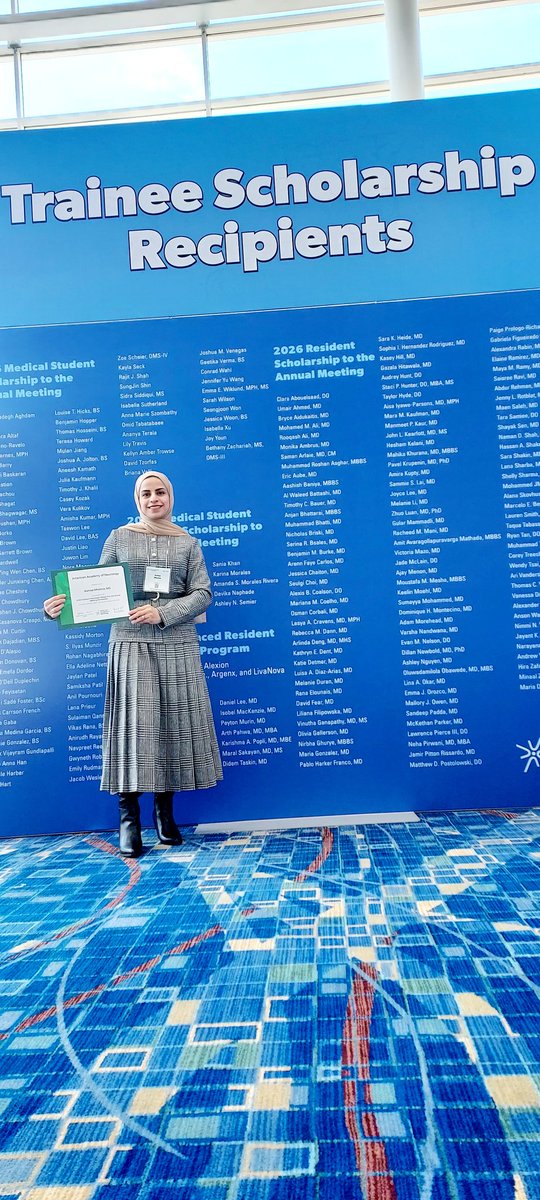
So honored to be recognized at the AAN as a trainee scholarship recipient. @AANmember
Always grateful to you, @boeslab, for all the support you’ve given me as I take my early steps in research.
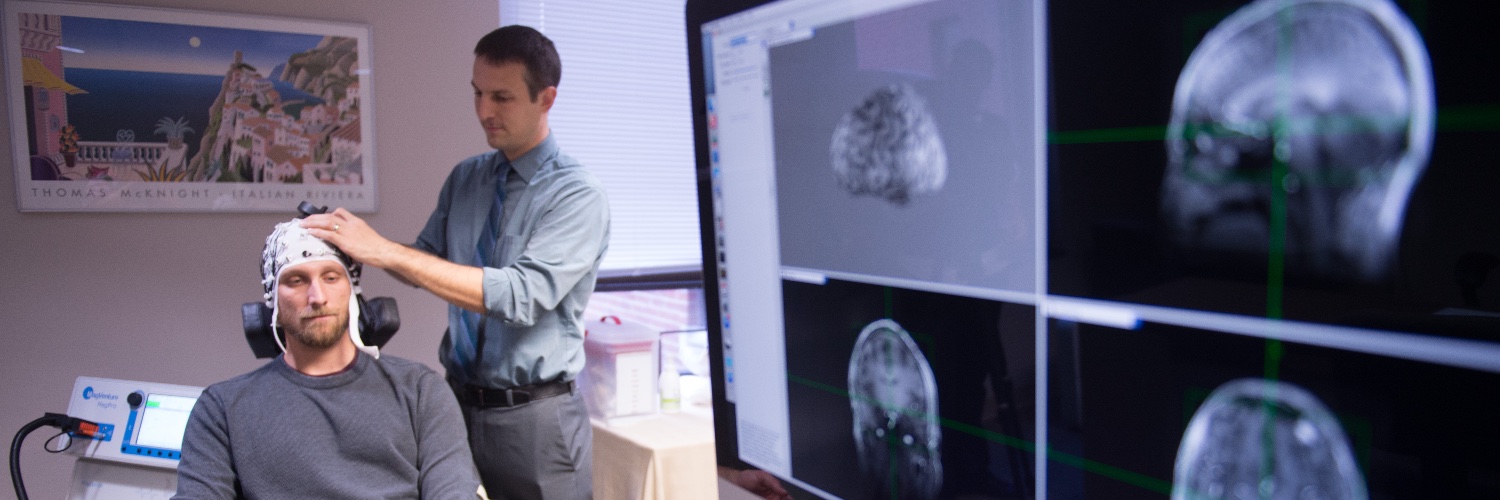
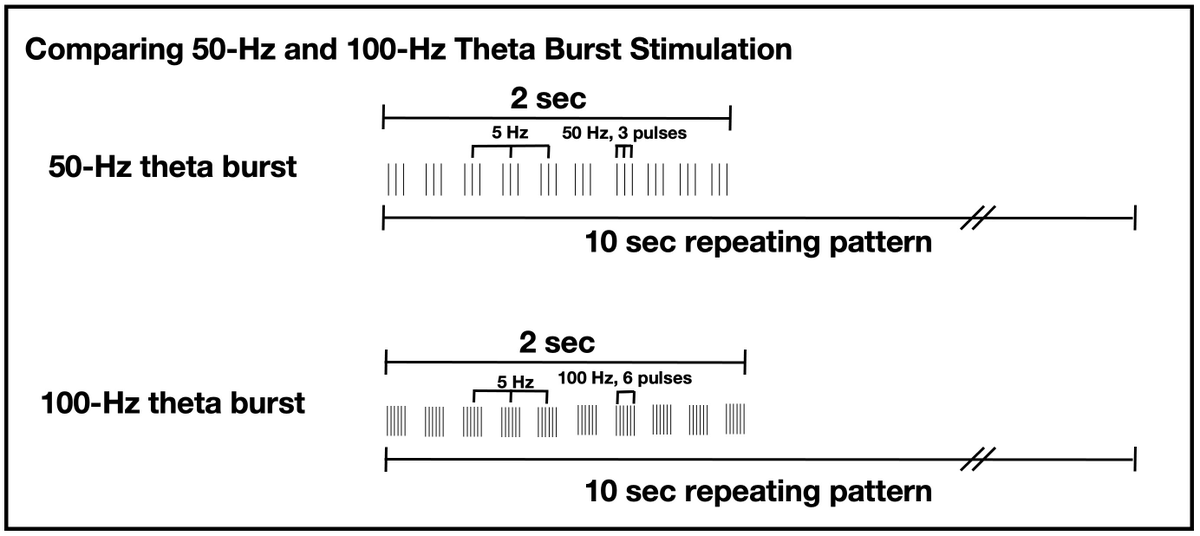
Why 100-Hz iTBS? This is actually the stimulation pattern discovered in the 1980s that is optimized LTP\neuroplasticity.
50-Hz was only used because TMS machines were not capable of delivering 100-Hz in 2005.
50-Hz was a placeholder until TMS technology improved, and it has.
A new TMS protocol:
100-Hz intermittent theta burst TMS. Initial safety testing in press.
If we see triple the modulatory effects, as in rodents (Hanbing Lu) this will be a big step forward for TMS
Rodent: https://t.co/cBQxI5rGGf
Human:
https://t.co/nvKNz1UbTu
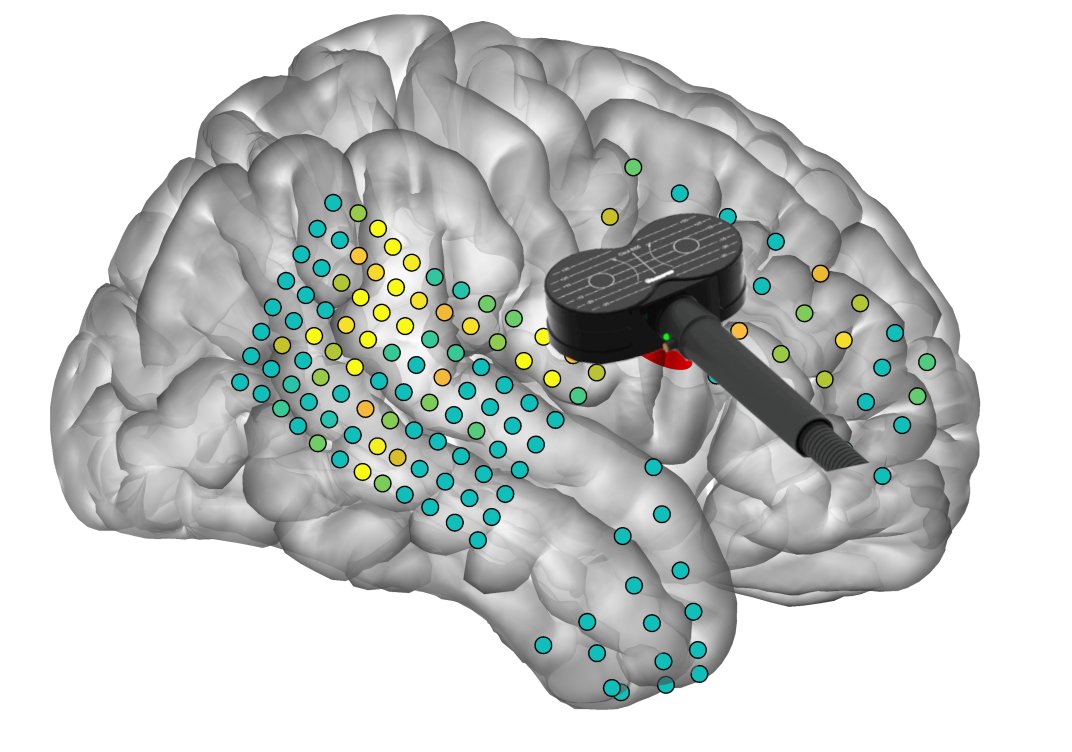
📢 Can noninvasive TMS reach & modulate the human hippocampus? 🧠⚡🧲 Multimodal evidence (TMS-iEEG + TMS-fMRI) from our new @NatureComms paper says YES: https://t.co/tDGpm8Tvil
Here’s what we did and why it matters. 👇
#TMS#iEEG#fMRI#Hippocampus#Memory#Emotion
I'm incredibly honored to share that I have been selected to receive one of the American Brain Foundation's Next Generation Research Grants, specifically the award in epilepsy!
The Third Brain Stimulation Subspecialty Summit (Mar 23-24, Boston) is open for registration!
By popular demand, this year we increased capacity to 400 attendees.
If you are involved in brain stimulation subspecialty training, you will want to be there.
https://t.co/seFMukK3QH
Tsang et al. reviewed 13 studies combining TMS with intracranial EEG in humans and non-human primates. They found that stimulation can rapidly alter neuronal activity and connectivity, with some effects persisting for extended periods. https://t.co/3cvW3JzJep
A recent paper in @NatureNeuro raised concerns about the lesion network mapping method. Our team of 16 coauthors analyzed >1000 lesions and 34 symptoms and found that "The methodological foundations of lesion network mapping remain sound" https://t.co/kkmpKFh3eE
Agree! High spatial correlations of unthresholded network maps is pretty weak sauce. If statistical thresholds are used their only analysis falls apart.
Are connectome-based network mapping methods and the >200 papers that have used it invalid?
New paper out in @NatureNeuro says YES. https://t.co/U0OLZUSJWl
I have concerns about this new paper's methods and conclusions, but am biased. What do others think?
My first impression is that the article raises an important point. Kudos to the authors for that. A critique is they don't really define how high of a spatial correlation is too high, just a sweeping generalization that it must all be garbage. Good debates ahead I imagine
‘Mapping the neuroanatomy of dystonia using causal brain lesions’ – now out as a preprint! https://t.co/6vzmAGUAWz Huge thank you to @JJoutsa@foxmdphd!
We map the brain networks for the different types of dystonia, showing significant differences, somatotopy...and much more!!
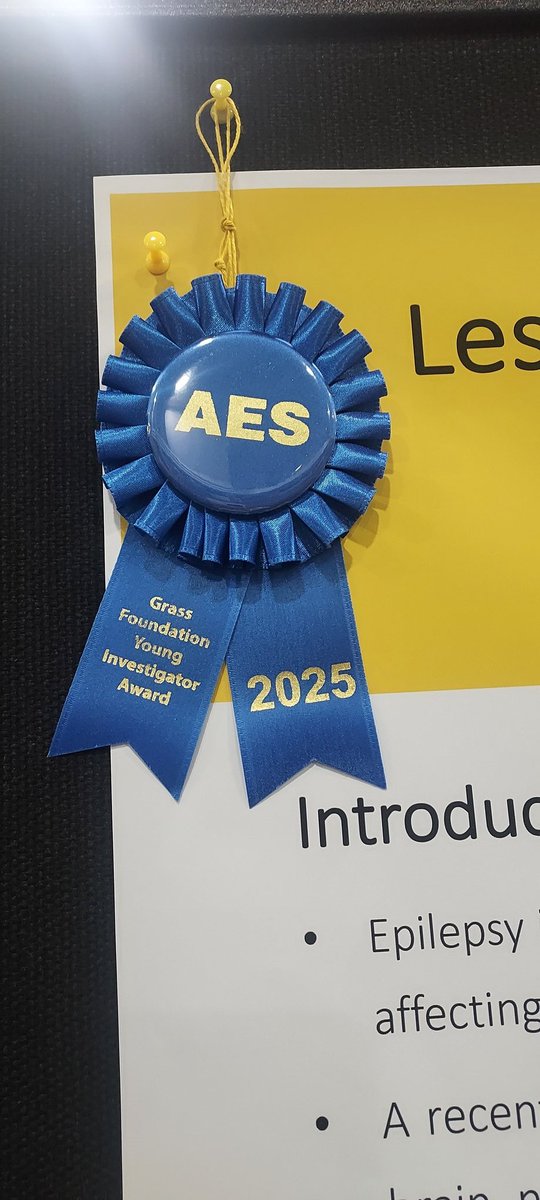
Check out our poster on the role of lesion-derived networks in predicting post-stroke epilepsy in children @AmEpilepsySoc
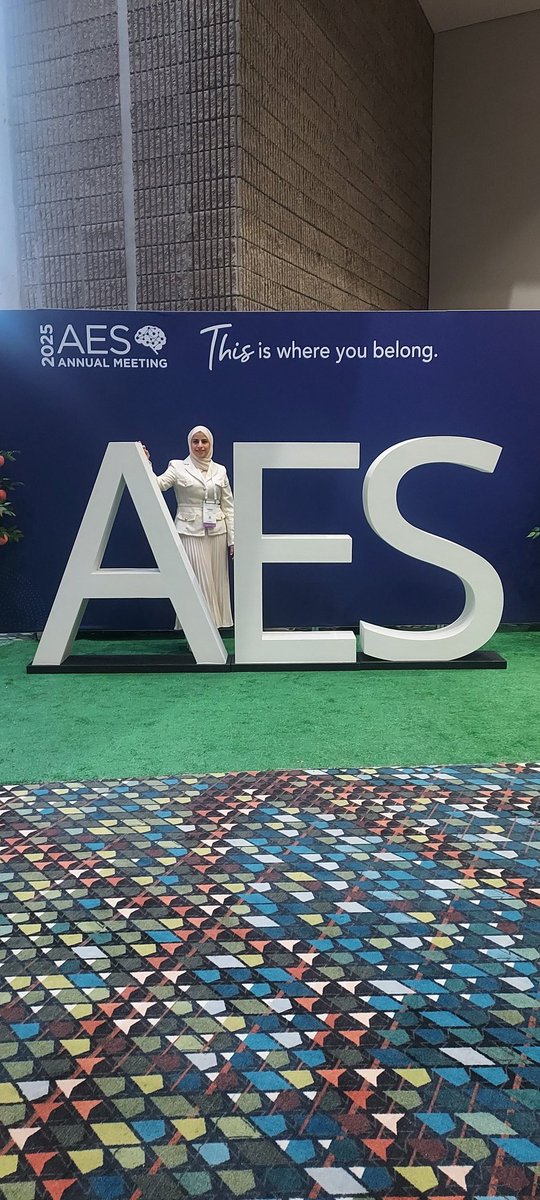
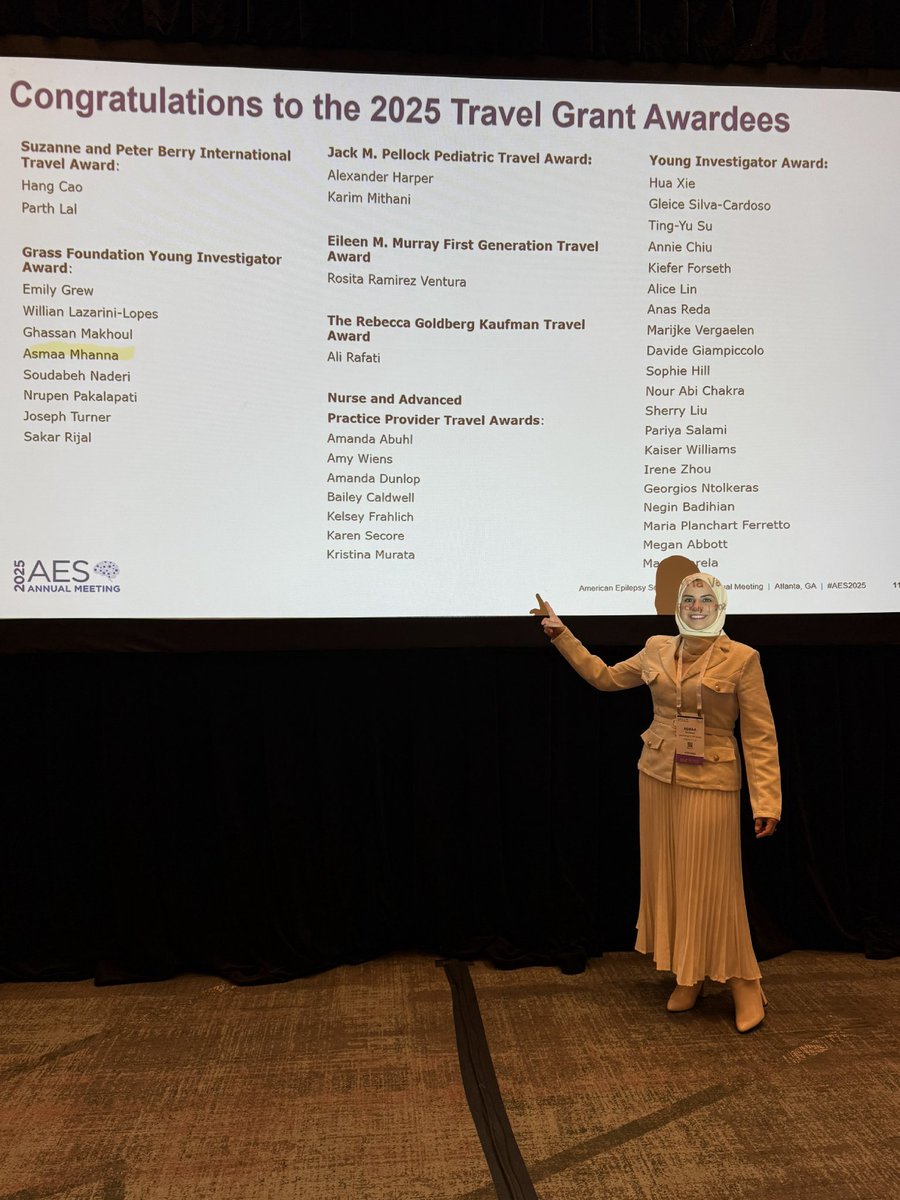
Incredibly honored to receive the AES 2025 Young Investigator Award.
Grateful to my mentor @boeslab whose guidance and inspiration shape my work every day.
We'll have our Iowa Lesion Retreat tomorrow.
The topic this year:
'Neuropsychology of Personality'
We'll do a deep dive with lectures from luminaries on personality and how brain lesions influence personality and psychopathology.
Zoom link: https://t.co/5Ele0iEgAF
How do brain lesions affect personality?
The Iowa Lesion Retreat will be open to a zoom audience for the first time this year. Our topic this year:
The Neuropsychology of Personality
Join us!
Friday Oct, 17, 9 am - 5pm central time
https://t.co/5Ele0iEgAF
How do brain lesions affect personality?
The Iowa Lesion Retreat will be open to a zoom audience for the first time this year. Our topic this year:
The Neuropsychology of Personality
Join us!
Friday Oct, 17, 9 am - 5pm central time
https://t.co/5Ele0iEgAF