Struggling with Stress and Overwhelm?
These 5 Steps Changed a Female CEOs Life
Many believe it's tough to live one's best life in today's hectic world.
Before we started our coaching journey, Anne's life was characterized by constant stress and overwhelm.
As a 43-year-old CEO of a global company, she was always juggling multiple responsibilities, from managing her team to meeting tight deadlines. This relentless pressure left her feeling drained, anxious, and unable to find any time for herself.
Her sleep was poor, her eating habits were inconsistent, and she felt disconnected from her loved ones.
The constant pressure of demands was beginning to affect her mental and physical health significantly, leaving her desperate for a change.
Here’s what we did:
1. Remove any forms of toxicity from your life. We mapped out what was positive and negative in her life, both energetically and intellectually (learning and self-development). Then, we placed them in order of priority and agreed on a plan to deal with each area one by one. Housekeeping for your life is essential to make room for health and happiness.
2. Focus on your breath, breathe through your nose, nice and slow. Adding breathing exercises to her routine helped Anne refocus from her constant thinking about past/future events, to connecting with the present moment and relaxing. It was especially helpful when trigger thoughts like “I don’t deserve this” or “what if X happens” took over her mind. This calmed her nerves and let her switch from monitoring threats and problem-rumination to using intuition and problem-solving.
3. Be outside more than you are inside. Anne spent time outdoors, took walks without technology, and only sometimes listened to podcasts or called friends. She even took colleagues on walking meetings, boosting all of their moods, energy and problem-solving ability.
4. Rise and fall with the sun. Aligning her sleep with natural light cycles improved her sleep quality. She stopped working late at night and got up earlier for a fresh start, doing the most important work when she was clear-headed. She found that every 1hr of focused work before noon counted as 2-3hrs unfocused after, and with much higher quality.
5. Eat a decent-sized breakfast every day. A nutritious breakfast became a cornerstone of Anne's daily routine, as a way to reduce her already high cortisol levels. Fasting or breakfast skipping can be beneficial at certain times, but not if it stacks on top of an already excessive sum of stressors. It also resolved her cravings and excessive snacking in the evenings.
How This Guide Helped Anne Transform Her Life
This is just scratching the surface of what we did during our coaching journey - but with the steps outlined here, Anne experienced a remarkable transformation.
- She felt more grounded and less overwhelmed by her responsibilities.
- Her mental clarity improved, allowing her to make better decisions at work and home.
- By removing toxicity from her life and focusing on positive changes, Anne regained control over her time and energy.
- Breathing exercises, spending time outdoors and aligning her sleep with natural light cycles helped her manage stress, leading to a calmer, more focused mind while improving her physical health and sleep quality.
- Eating a nutritious breakfast every day provided her with the energy she needed to tackle her daily tasks with vigor. Anne also found joy and balance in her personal life, reconnecting with loved ones and rediscovering hobbies that she had long abandoned.
This transformation not only improved Anne's quality of life but also inspired her to maintain these habits long-term. No need for discipline or will-power when your habits clearly align with your values and provide such significant outcomes.
If you're feeling overwhelmed and stressed, these steps may help you find balance and clarity, just like Anne did.
The anti-seed-oil crowd often points to their high omega-6 fatty acid content, particularly linoleic acid, arguing it promotes inflammation and contributes to chronic diseases like obesity, heart disease, and diabetes. They contrast this with traditional fats like lard, butter, or tallow, which have been used for centuries and are seen as "natural." The processing argument adds fuel to their fire—seed oils like canola, soybean, or corn oil go through extraction, refining, and sometimes chemical treatments (e.g., hexane), which can feel industrial and suspect compared to churning butter or rendering fat.
On the flip side, the research doesn’t fully back up the villainization. Studies—like those from the American Heart Association or meta-analyses in journals such as *Circulation*—consistently show that replacing saturated fats (think butter or lard) with polyunsaturated fats (like those in seed oils) reduces LDL cholesterol and lowers cardiovascular risk. For example, a 2017 study in *The Lancet* found that higher linoleic acid intake was associated with reduced mortality, not increased. Obesity-wise, there’s no direct causal link pinning seed oils as the culprit; calorie excess, regardless of source, remains the primary driver.
The naturalistic argument—favoring lard or butter because they’re older—doesn’t hold up under scrutiny. Longevity of use doesn’t equal superiority; it just reflects what was available. Seed oils emerged with industrial advances, sure, but so did sanitation and antibiotics—new doesn’t mean bad.
The disconnect might come from correlation being mistaken for causation.
Seed oils flooded diets alongside ultraprocessed foods, sugar, and sedentary lifestyles—obesity’s real accomplices.
Guilt by association doesn’t mean they’re the mastermind.
That said, the pro-seed-oil studies aren’t flawless—some are industry-funded (e.g., by canola or soy producers), and long-term effects of *very* high omega-6 intake (without balancing omega-3s) are still debated.
So, where’s the truth? Probably in the middle. Seed oils aren’t poison, and the data leans toward them being neutral or beneficial in moderation, especially compared to heavy saturated fat intake. But the naturalistic crowd isn’t entirely wrong to question industrial processes—less processed fats can feel intuitively safer, even if the evidence doesn’t demand we ditch seed oils entirely.
@5HTskeptic@scottykberg35 There are literally dozens of studies showing full maintenance and even some gain of muscle mass provided sufficient protein intakes and resistance training, and unless you’re talking diets to contest leanness, muscle mass loss isn’t really an issue for most people.
@Thermobolic@lerpclide40920 A common starting dose could be around 0.57 μg/kg of body weight based on Norwegian doctoral thesis (Bjerkreim), divided into two or three doses per day to maintain stable blood levels, as T3 has a shorter half-life than T4.
@ekinoks1071 @TerryEsselstyn@Thermobolic @pursuingTruth_ Actually, these results suggest you’re barely 40% of the normal range on FT3 and it’s probably better to be in the top half of the range. You’re just above 50% of the range on FT4, so better...but when correctly dosed, your TSH should be around 1-1.5 and you’re at 2.3.
@bionoetic@anabology You’re forgetting that as bodyweight is lost, maintenance calories drop, so the 100kcal deficit soon stops being a deficit. You’d have to drop a further 100kcals at that point etc.
Some people struggle for years to climb a mountain.
But when they finally reach the summit, they’re hit with ecstacy.
You see, at the peak of that mountain, they see everything clearly.
They understand everything. Everything makes sense.
From this perspective, there’s no need for new perspectives.
There really is nothing more left to learn.
The name of that mountain is Mt.Stupid.
It’s that infamous peak of the Dunning-Kruger curve.
When someone have learned enough to think they know it all.
They will desperately claw and scream to stay at that summit.
Do anything to avoid falling into the Valley of Despair.
Because being in the Valley; really sucks.
I’ve been there. On and off for 30 years.
But the road to mastery starts at the bottom of the Valley.
That’s where you uncover your blind spots.
That’s where your hidden potential lies.
That’s where you find your unlimited source.
Being in the Valley will always suck.
That’s the worst part. And the best part.
If you want to limit the impact of dysbiosis on health, it should be addressed at three levels:
1. Endotoxin release
Antibiotic foods/herbs reduce dysbiosis through targeted effect against overgrowth in the upper intestine, lowering endotoxin production
- antibiotic foods include 1-2 raw eggs daily, coconut oil, ginger, horseradish, garlic, and many spices
- gentle antibiotic herbs include black seed oil, skullcap, andrographis, and frankincense/myrrh
- worst cases may benefit from thymol containing oils (oregano/clove/strong BSO), black walnut, or garlic oil
(it's important that any herb used is active against gram-negative bacteria)
2. Gut barrier integrity
By improving gut barrier integrity we limit the systemic absorption of endotoxins
- reduce foods that contain gliadins (gluten/grains), lectins (beans/some nuts), and emulsifiers (like carageenan)
- lower zonulin by limiting gluten intake, but more importantly by increasing intake of soluble fiber and polyphenols like quinones and flavonoids
- build gut mucus barrier, vitamins D/K are important, along with plenty of soluble fiber again, anti-inflammatory probiotic dairy, and quinones again
3. Inflammatory response
Reducing inflammatory response to endotoxin through TLR4 and iNOS inhibition limits downstream symptoms of endotoxin
(this works best paired with the above)
- TLR4 inhibitors include black seed oil, skullcap, sulforophane, oat straw, turmeric, and berberine
- iNOS inhibitors include many flavonoids, quinones, magnesium, glycine, taurine, short chain fats, etc
- most importantly control general inflammatory response through Nf-kB and cytokines as these increase iNOS
- general principles like sunlight, exercise, grounding, seafood, soluble fiber, and polyphenol-rich foods work best
That study/review concluded: "Based on the current studies it is extremely alarming if a successful treatment of magnesium fails by propagation of transdermal magnesium, a scientifically not yet proven form of magnesium application."
And "However, we cannot yet recommend the application of transdermal magnesium."
@taurihanveree I don’t measure my bodyfat, I go by how I look, and the "pinch test":
The aim is to pinch the skin on my abs and my lower back, and have it be the same thickness as the back of my hand. Or d*ck skin thick, as some say 😊
This summer was a literal nightmare with trips, family visits, unplanned meals here and there - and I’m only 7 weeks from having to be stage-ready for a classic bodybuilding competition.
Yet I’ve been to fairly consistently stay at 1700-1800kcals (one refeed/week) throughout this whole time with minor deviations.
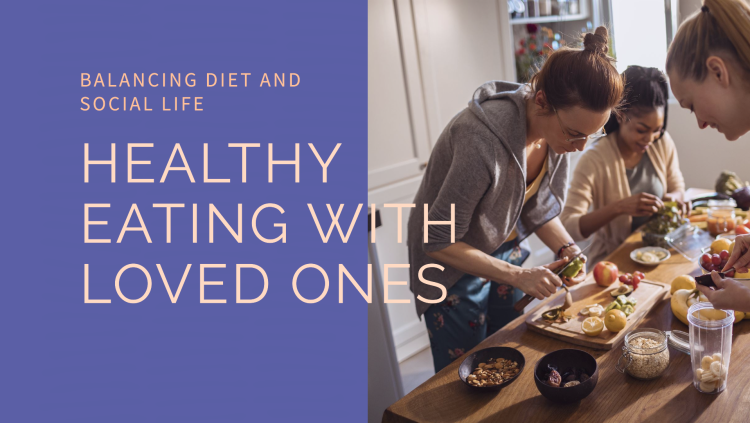
So it’s certainly possible to maintain your diet progress while enjoying family time, and here’s how:
1. Communicate your goals: Let your family know about your fitness goals and working with a coach. They may/should be supportive and accommodating.
2. Plan ahead: Research restaurant menus in advance
3. Suggest healthier dining options when possible
4. “Worst" case chug a protein shake beforehand.
5. Practice portion control: Use smaller plates
6. Get your lean protein portion first (you should be able to eyeball at this point)
7. Choose grilled over fried foods
8. Fill half your plate with vegetables
9. Opt for tomato-based sauces instead of cream-based
10. Have fruit for dessert instead of high-calorie options
11. Dressing and oil on the side, I’ve literally gotten served 1000kcal+ salads because they were swimming in oil, aioli/thousand island dressing etc.
12. Maintain exercise and training routines: Invite family to join you for walks or activities
13. Do quick, intense Myo-reps workouts when you have time (my family knows my workouts are required Me-time so they respect that I have to go to the gym).
14. Intermittent fasting: Consider time-restricted eating to allow for bigger meals during family time.
Circadian rhythm is optimised when you eat an early breakfast and dinner (preferably 3-4hrs before bedtime), but when you know there will be late dinners I think skipping breakfast on occasion is fine.
Finally - A short period of less strict eating won't undo all your progress.
Enjoy time with your family while making mindful choices, and you can resume your strict routine after they leave.