How do you stress test a DeFi protocol before deploying capital at your organization?
Or how do you choose between a loan based market maker & retainer based market maker?
I spoke with @bozhangles, COO at @FunctionBTC to learn more about active crypto treasury management
Chapters
(0:00) Coming Up
(2:44) Background in web3
(6:02) Stress testing DeFi protocols
(11:25) Treasury management for web3 projects
(14:41) Active treasury management
(17:36) Get 2 months for free with @RequestFinance
(19:16) Working with market makers
(22:54) Crypto hedging basics
(26:27) Outsourcing crypto hedging
(28:19) Do web3 organizations use derivatives
(29:24) Evolution of Bitcoin DeFi
(35:56) About Function & FBTC
(37:30) Lessons from Ren Protocol
(42:14) Function’s vision & RWAs
(45:32) Guiding principles for web3 treasuries
5/ The good news? Corporate treasuries only own < 3 % of Bitcoin’s circulating supply (MSTR ≈ 2.8%, everyone else < 0.5%). So any margin unwind pain is likely not to move the price of BTC much (for now).
Cash flow is still king.
While BTC holdings can boost valuations in bull markets, companies with sustainable cash flows will outlast those riding purely on asset appreciation.
What's your take on the Bitcoin treasury strategy? 🤔
#Bitcoin just smashed a fresh all-time high above $122k. Companies with $BTC on their balance sheets are seeing their valuations explode📈—but is a bubble forming? Let's break it down 👇
4/ If BTC prices fall, it could trigger a vicious cycle of other companies being margin-called, forcing a cascade of defaults on BTC-backed loans, and even more forced selling.
This could send BTC price into a tailspin.
3/ But the upside in all of this is:
(i) smart projects are finally talking about sustainability and real revenue models, and
(ii) there's never been a better time for funds running liquid crypto strategies.
My takeaway from EthCC: crypto's funding model is facing an existential crisis. 🧵👇
1/ Retail is GONE
Tier-1 projects are actively exploring IPOs. Why? Because they need access to real liquidity in traditional stock markets.
The crypto retail investor base has been systematically destroyed by cycle after cycle of getting dumped on by VCs and insiders.
There's barely any exit liquidity left for institutional players like crypto VC funds to realize their paper profits.
2/ Crypto VCs are rekt
VCs are struggling to raise new rounds as their LPs realize there's no one left to buy their bags.
Massive discounts on locked tokens are being hawked in secondary markets, reflecting a huge mismatch between buyers and sellers as everyone rushes for the exit.
Performance numbers are brutal. Top-tier crypto VCs delivering 2-2.5x MOICs.
You could literally just buy Bitcoin and get similar returns - with actual liquidity.
Institutions aren’t coming—they’re already here.
And they’re asking for clean books, not hype.
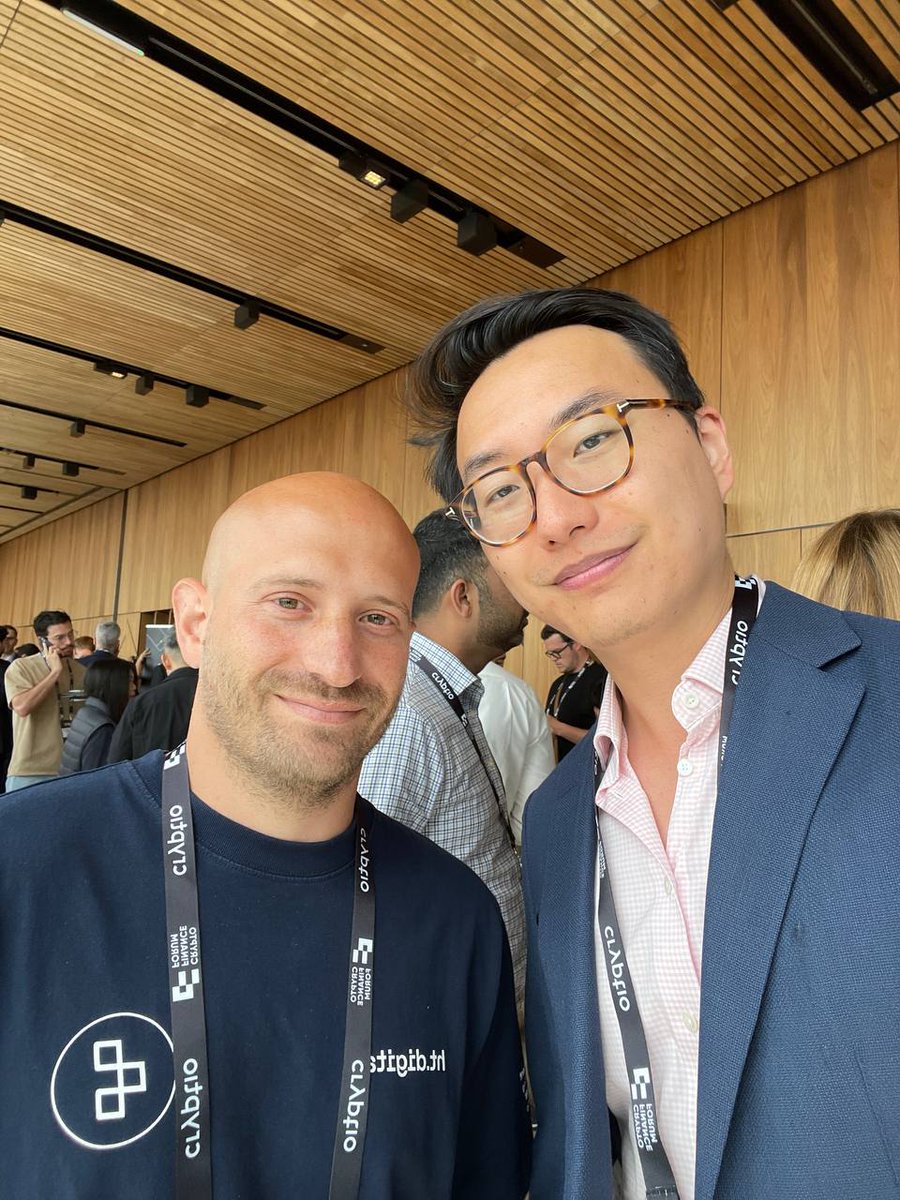
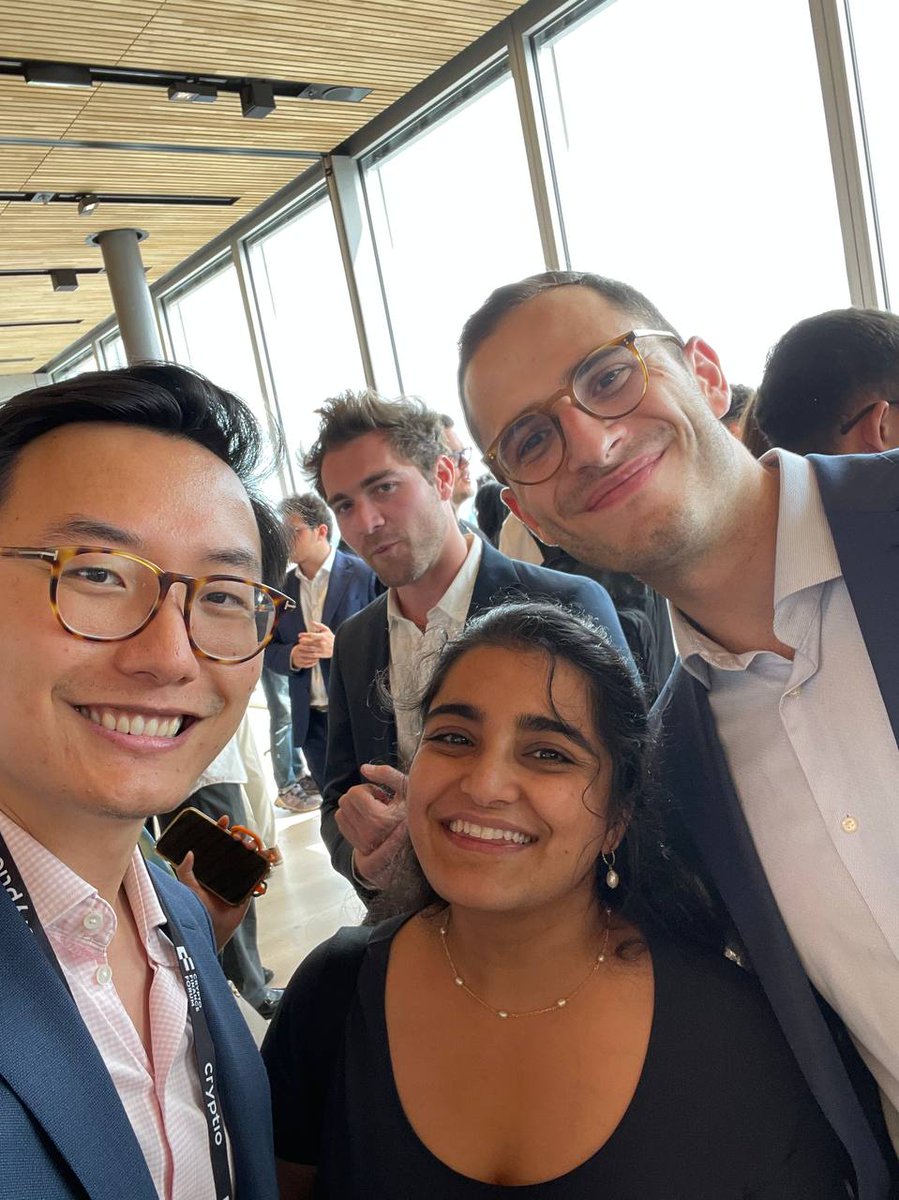
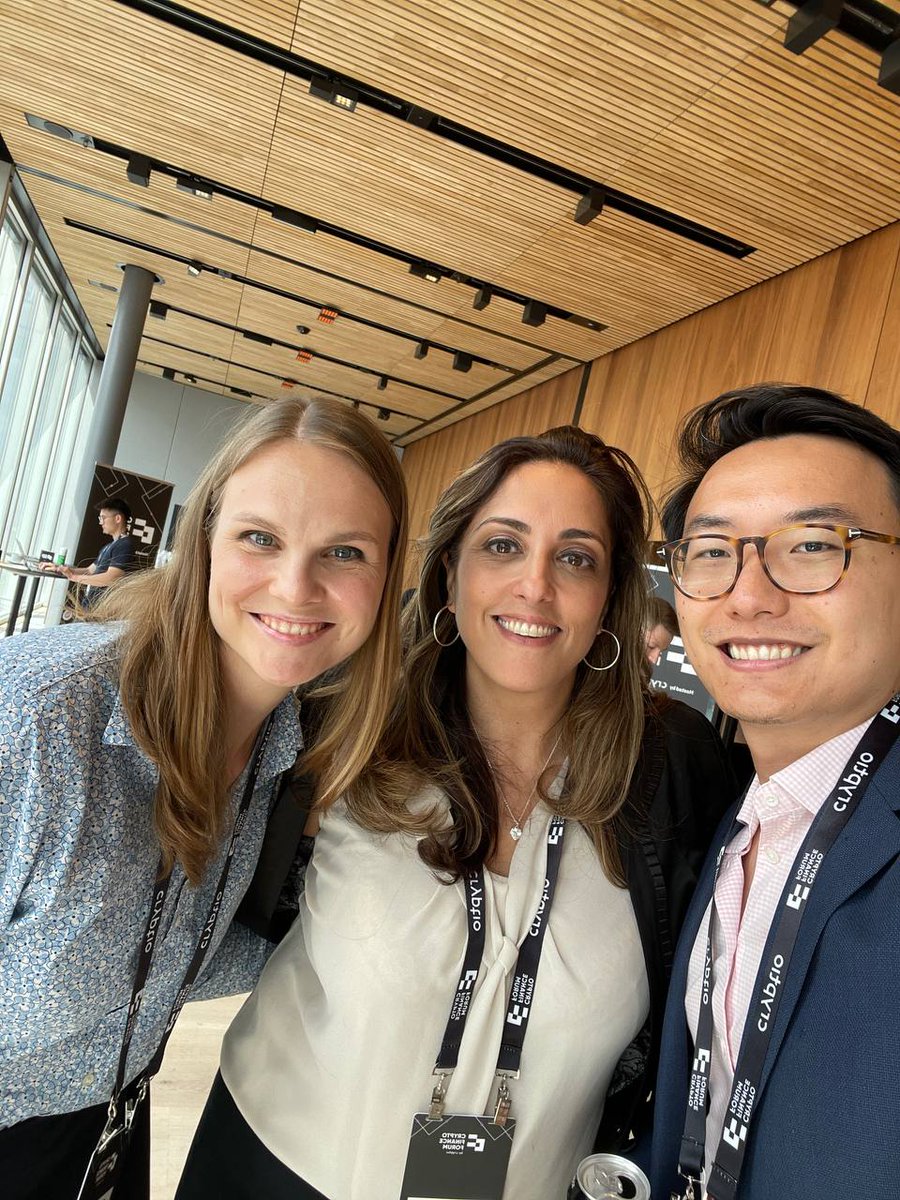
Big thanks to @cryptio_co for hosting the Crypto Finance Forum.
Compliance, reporting, and treasury infra are the real unlocks for the next bull.
Great convos with folks from @bankofengland@1inch and more.
6) P.S. I’ve worked with over 20 crypto teams, with a touchpoint of over $800m in assets @FydeLabs , plus ~5 years as a portfolio manager in J.P. Morgan’s Chief Investment Office (>$500 billion in AUM)
1/ @blockworks just dropped the Token Transparency Framework (TTF) — a self-reported checklist for crypto teams to “signal transparency.” But how does it stack up to tradfi disclosure rules? Spoiler: It doesn’t. 🧵👇
5/ To close the gap with TradFi, crypto projects need:
✅Audited onchain treasury dashboards
✅Audited financial reports (with real-time on-chain proofs)
✅Enforceable commitments to regular updates
✅Legal clarity on equity vs tokenholder rights
✅Disclosure of smart contract risks + exploits
Until then, transparency in crypto remains “trust me, bro” with extra steps.
@blockworks TTF is a baby step in the right direction. But let’s not confuse "open-source checklists" with actual accountability.
“Token Transparency” without independent verifiability, or enforcement is just marketing in disguise.