Just modernized my 10-year-old #OCR project from .NET 4.5.2 to .NET 10. Replaced manual #EmguCV setup with NuGet packages and automated tessdata downloads. Clean build, zero environment variables.
https://t.co/bVi4KdEYKc
#opencv
we have signed a deal for an additional 4.5 gigawatts of capacity with oracle as part of stargate. easy to throw around numbers, but this is a _gigantic_ infrastructure project.
some progress photos from abilene:
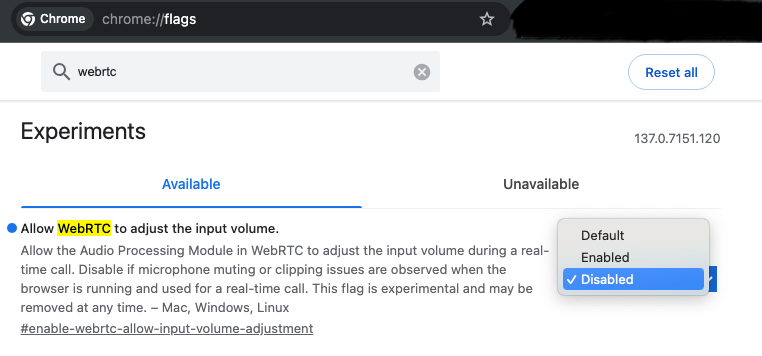
🚨 WARNING: Chrome browser can permanently set the global microphone volume, without notifying the user.
This functionality is enabled by default. 😱
Disable it under chrome://flags (experimental).
Vibe coding isn’t meant for serious software, it’s like typing code from 80s magazines for fun. It’s all about play and discovery, not something you’d ship to customers.
Yes! #BosqueLang is going even further, looking at rich #API specs that are easy for Agents (and humans) to use. With explicit and type-safe designs, as well as the ability to provide strong safety guarantees -- I never want an agent to "accidentally" wire $50K to an offshore bank!
In fact we have been working for a few years on an entire programming language designed for supporting formal methods and #Agentic #programming !
https://t.co/N18LDCEDnc
https://t.co/oirqCrhQtu
https://t.co/z0gUJU2kdi
This is a great perspective. The view that agents should generate "workflows" in code is something I agree with 100%. Gave a talk as Onward!, on work focused on a language for API/Data specs, with the same pitch (https://t.co/UaWOE75s5u).
I think you need a bit more than pre/post conditions though. Agents may makeup values specifically to satisfy them. So, I think you also need a way to specify that certain operations were used in deriving the values -- sort of like I should get API keys by calling a keyvault instead of hardcoding them. In both cases I get the same key-value but one of the derivations is correct while the other is not.
Just published a new piece on combining QGIS Server with Kubernetes for scalable geospatial apps. It covers Angular and JS clients using OpenLayers.
https://t.co/67WqPLfLfR
#QGIS#Docker#Kubernetes#Angular#OpenLayers
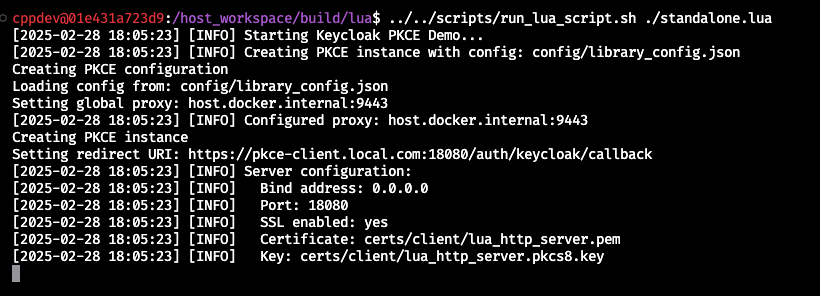
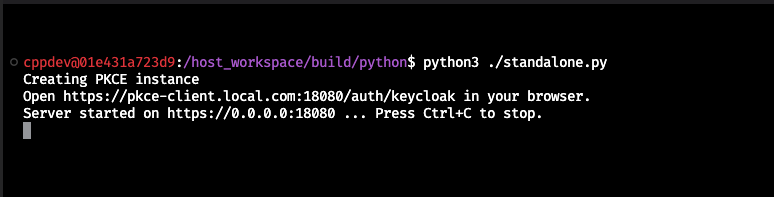
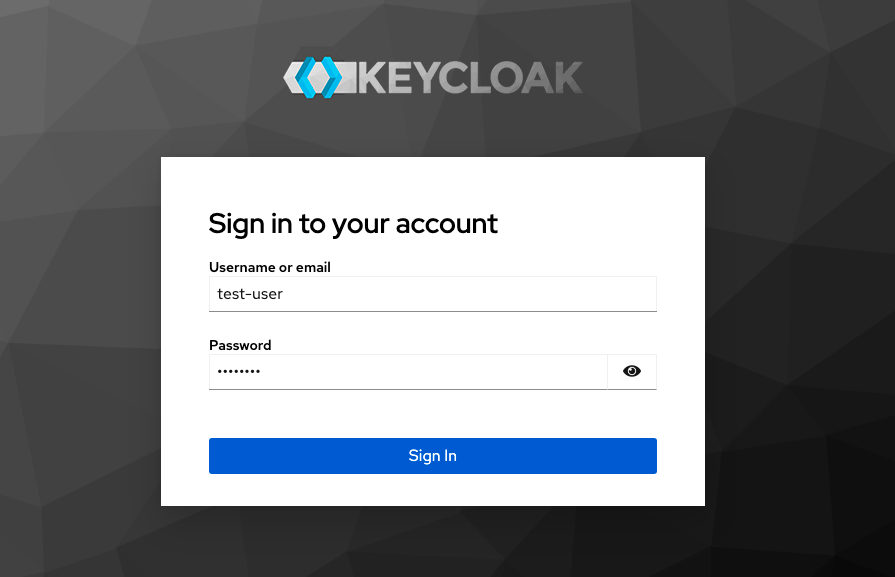
Just finished a little experiment creating a C++ PKCE library for #Keycloak—complete with C, Python, and Lua wrappers. It’s more of a learning project than a polished solution.
If you’re curious about the details, here’s the write-up: https://t.co/ULdvKrMkhV
Just published a follow-up on deploying Angular with Express.js BFF and Keycloak for multi-domain setups.
https://t.co/QibQvrJyxk
#Angular#Keycloak#PKCE
Just published a guide on implementing the BFF pattern with Angular, Express.js, and Keycloak. Learn how to securely handle authentication without exposing sensitive data to the browser. Hope it’s helpful!
https://t.co/SJsttiT6x8
#Angular#Keycloak
I've published a new article on implementing PKCE with Keycloak using the passport-keycloak-oauth2-oidc-portable library.
https://t.co/eqf5maJ1uh
#OAuth2#Keycloak#PKCE
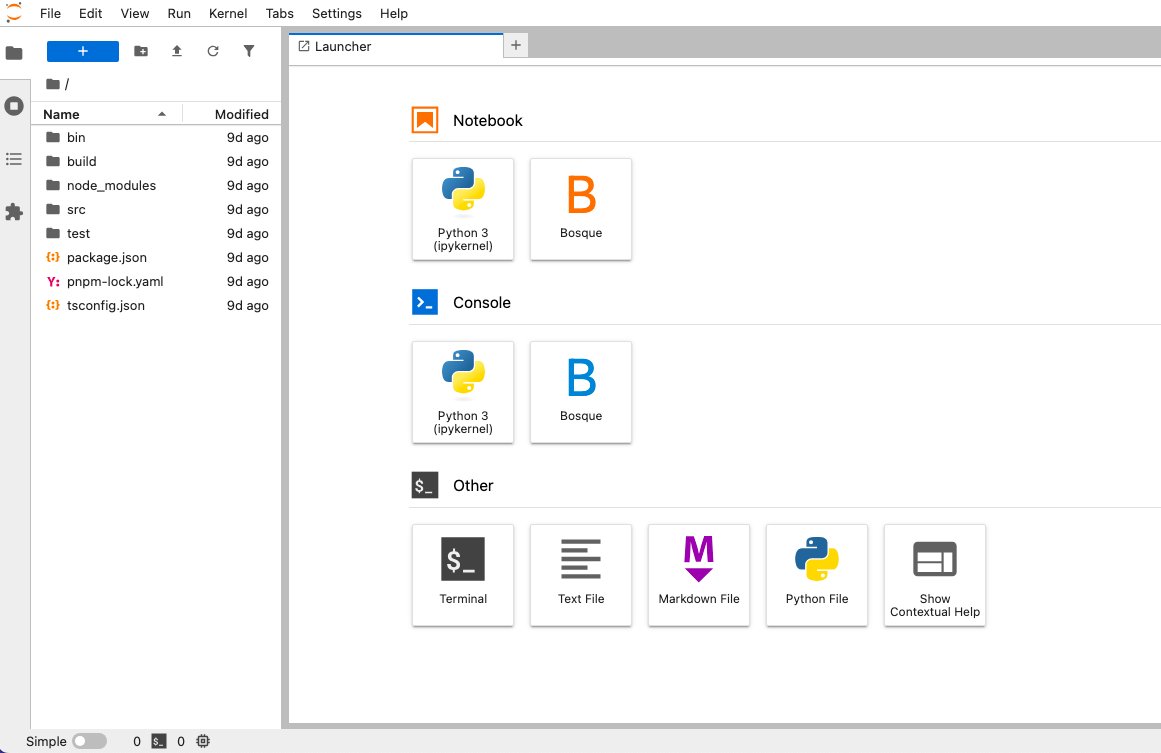
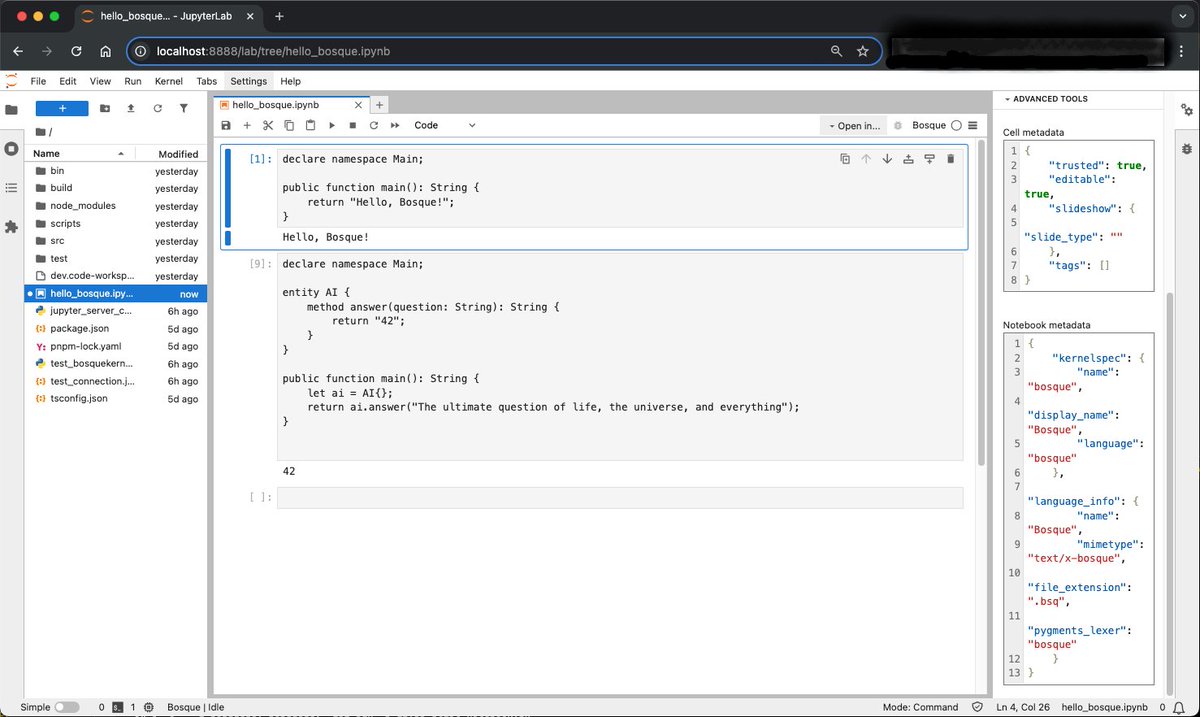
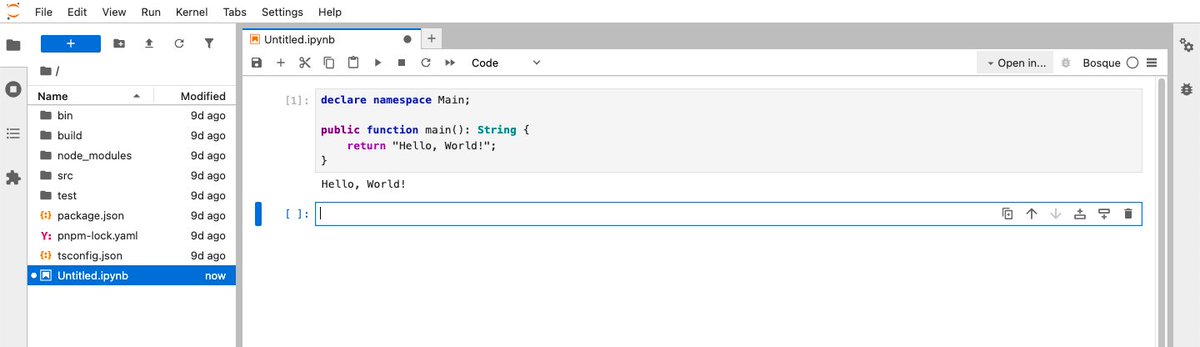
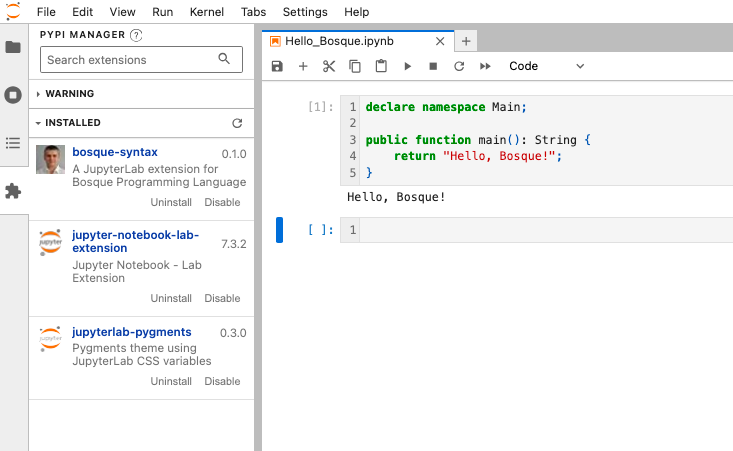
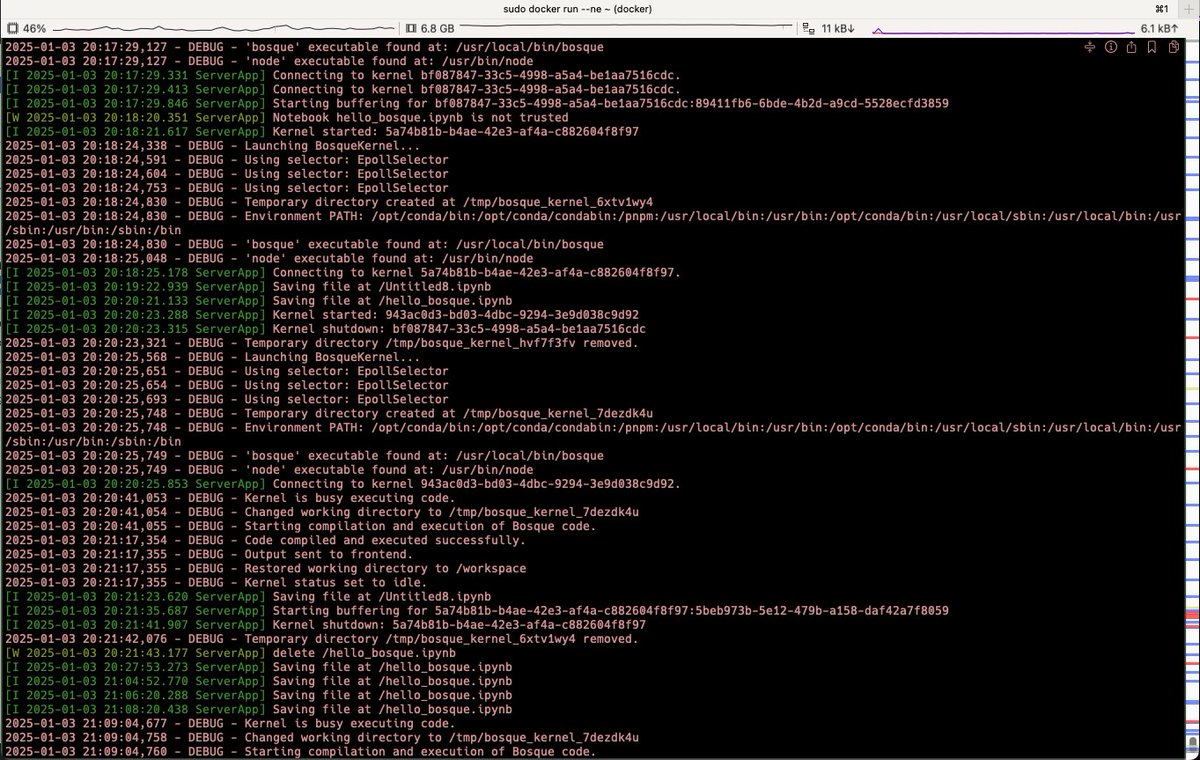
🚀 Integrate #BosqueLanguage into #JupyterLab! Discover how to develop custom kernels and syntax extensions to support Bosque programming.
👉 https://t.co/brte6DVXmi
🚀 Excited to share that my @BosqueLanguage Kernel for #JupyterLab can now compile and execute code! 🎉
Next up: syntax colorization... because apparently, I have no clue how to make code colorful in Jupyter yet. 😂
Stay tuned for the colorful chaos! #BosqueLanguage