🗓️Mark the date: 5/9/2024, Vilnius -
The @coe Framework Convention on #AI & #HumanRights, #Democracy & the #RuleOfLaw - a global treaty ensuring #AI upholds your rights - will be open for signature!
Contribute to a safe #AI future! Encourage your government to sign!
Save the date 📅
On 25 June we will pre-release a special chapter of our Annual Economic Report, covering all you need to know about #AI and central banks
#BISAnnualEconReport
✨Another step closer to the future 🇪🇺 Digital Identity!
🆔 Today, the #EUDigitalIdentity Wallet rules enter into force, paving the way for a safe, easy & voluntary digital identification for everyone in Europe.
Explore the upcoming digital wallet & how it will work ↓
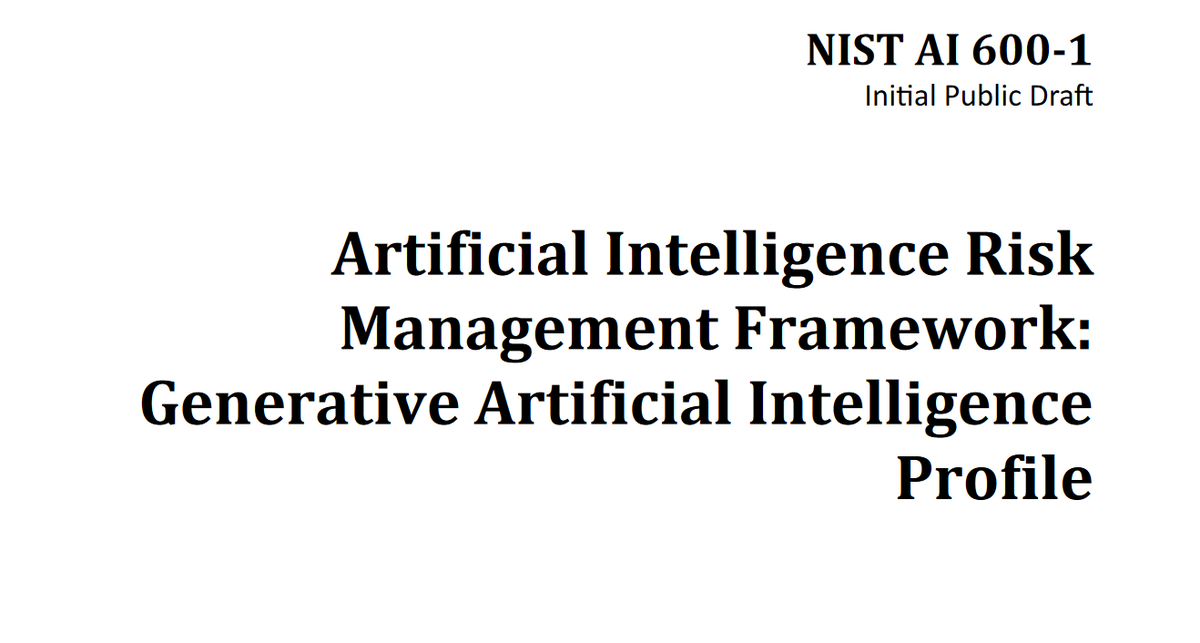
NIST Drops 232 Pages of AI Guidelines
Partly due to duties from the 2023 AI Executive Order, the National Institute of Standards and Technology (@NIST) released four new documents with guidelines for reducing AI risks.
First, NIST applied the principles in its original AI Risk Management Framework (#RMF) to focus on generative AI (GAI).
The GAI RMF outlines twelve different risk areas exacerbated by GAI: data privacy, environmental impacts, human-AI interactions, misinformation, cybersecurity, intellectual property, chemical, biological, radiological, or nuclear (#CBRN) weapons information, as well as GAI systems confidently stating erroneous content (“hallucinations”), recommending harmful actions, generating obscene content, generating biased content, and utilizing bad data or other third-party components.
The document then recommends straightforward actions to manage these risks for organizations working with GAI models. Here are some examples:
📣 “Disclose use of GAI to end users.”
⚠️ “Establish policies to identify and disclose GAI system incidents to downstream AI actors.”
🕵️ “Bolster oversight of GAI systems with independent audits or assessments.”
🔄 “Re-evaluate risks when adapting GAI models to new domains.”
🔍 “Conduct adversarial role-playing exercises, AI red-teaming, or chaos testing to identify anomalous or unforeseen failure modes.”
And so on. What is remarkable is the sheer number of useful practices for reducing various risks. In total, NIST recommends over 450 different actions.
Next, NIST adapted its Secure Software Development Framework (#SSDF) in a second publication targeting GAI and large general-purpose AI models. This view of AI software can be useful, even though there are many important differences between AI and traditional software in the context of risk management.
Here are some sample recommendations from the AI-specific SSDF:
📂 “Store reward models separately from AI models and data.”
📋 ���Conduct periodic audits of AI models.”
🔙 “Be prepared to roll back to a previous AI model.”
Lastly, NIST’s other two documents offer (1) plans for crafting global AI standards and (2) technical approaches for reducing risks posed by synthetic content.
If it wasn't clear already, the US Government is piling loads of critical AI work on NIST.
But NIST cannot enforce any of its AI suggestions, because NIST is not a regulatory agency.
With Big Tech companies already reneging on their voluntary commitments to the UK @AISafetyInst, it's looking increasingly important to create an AI regulatory authority to ensure that companies actually adopt these best practices.
#AI #AIPolicy #NIST
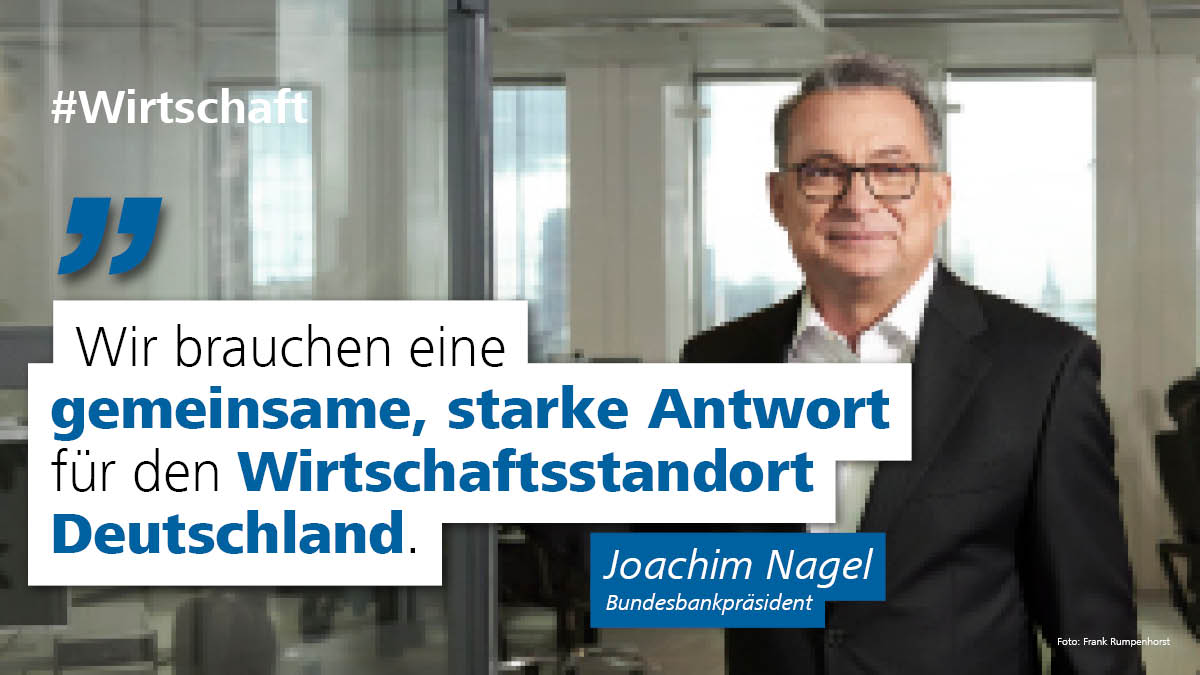
Im Interview mit @FUNKEMEDIEN spricht #JoachimNagel über die Herausforderungen für die deutsche Wirtschaft, die Preisentwicklung in Deutschland und den digitalen Euro.
👉 Mehr zum Interview unter https://t.co/q5AQuH63Jy
#Wirtschaft#Inflation#DigitalerEuro
Digitalisation in Europe 2024
https://t.co/u5KDm1FAx9 France ranking often in the EU middle or below, but very low for the use of “AI by firms” and “social network by households”. A lot more in this @eurostat survey on digital practice. Spotted by @BRASLS
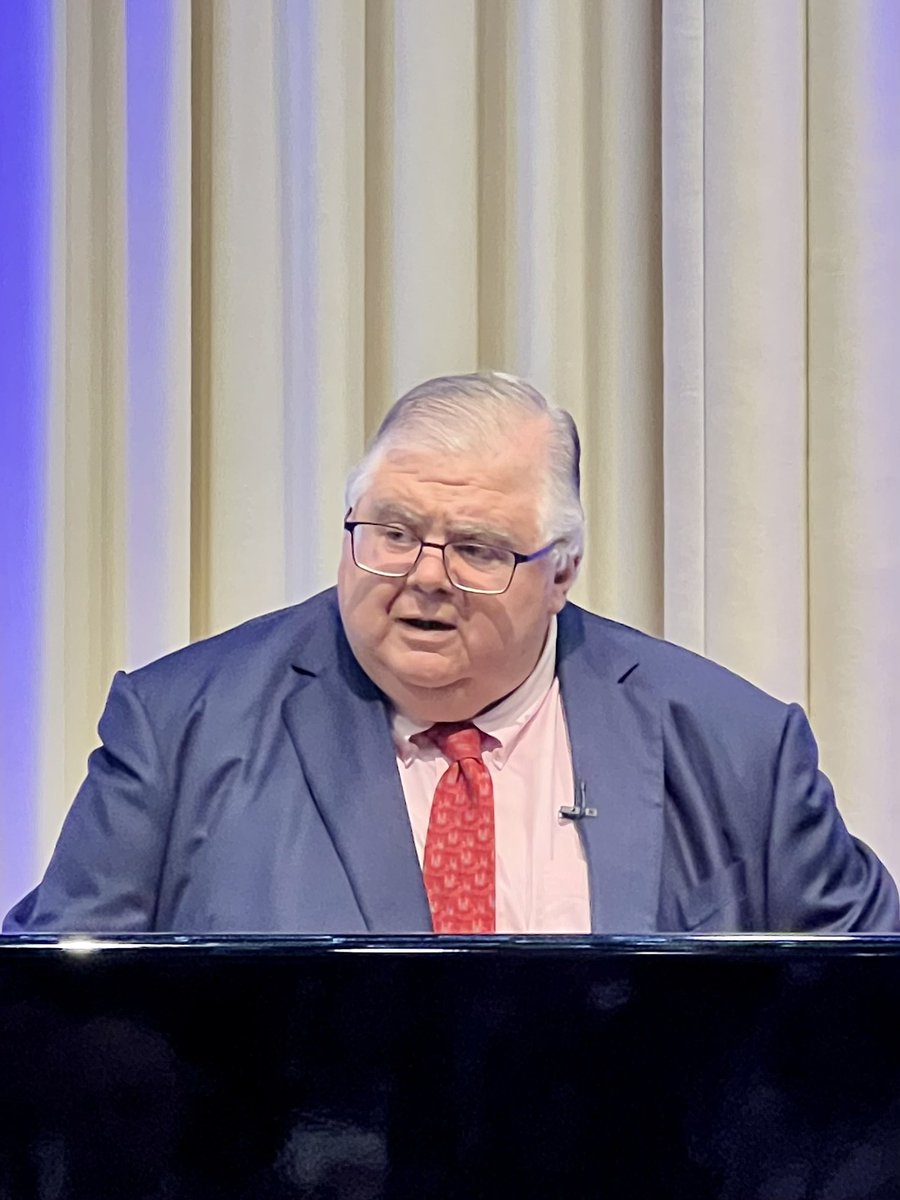
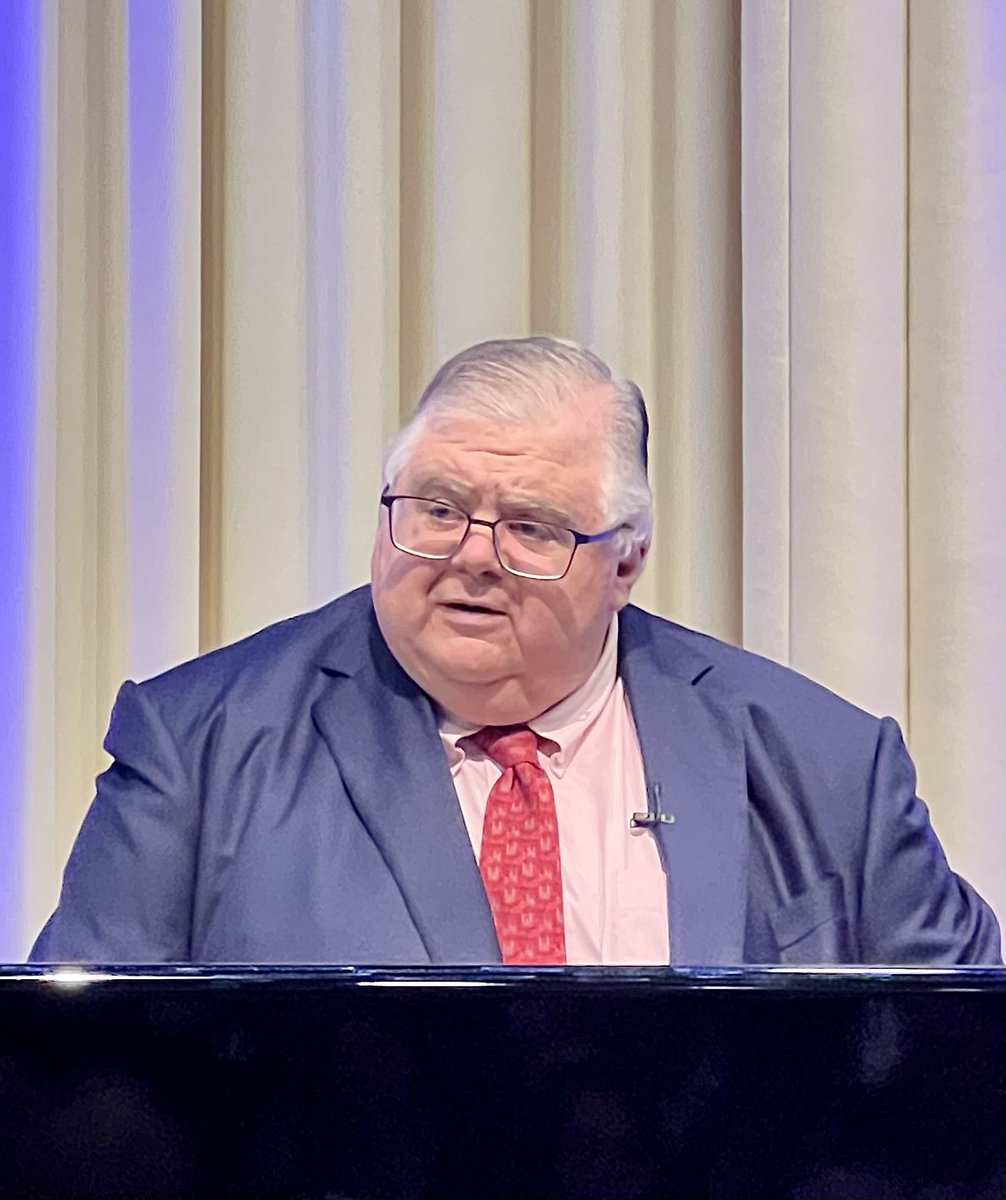
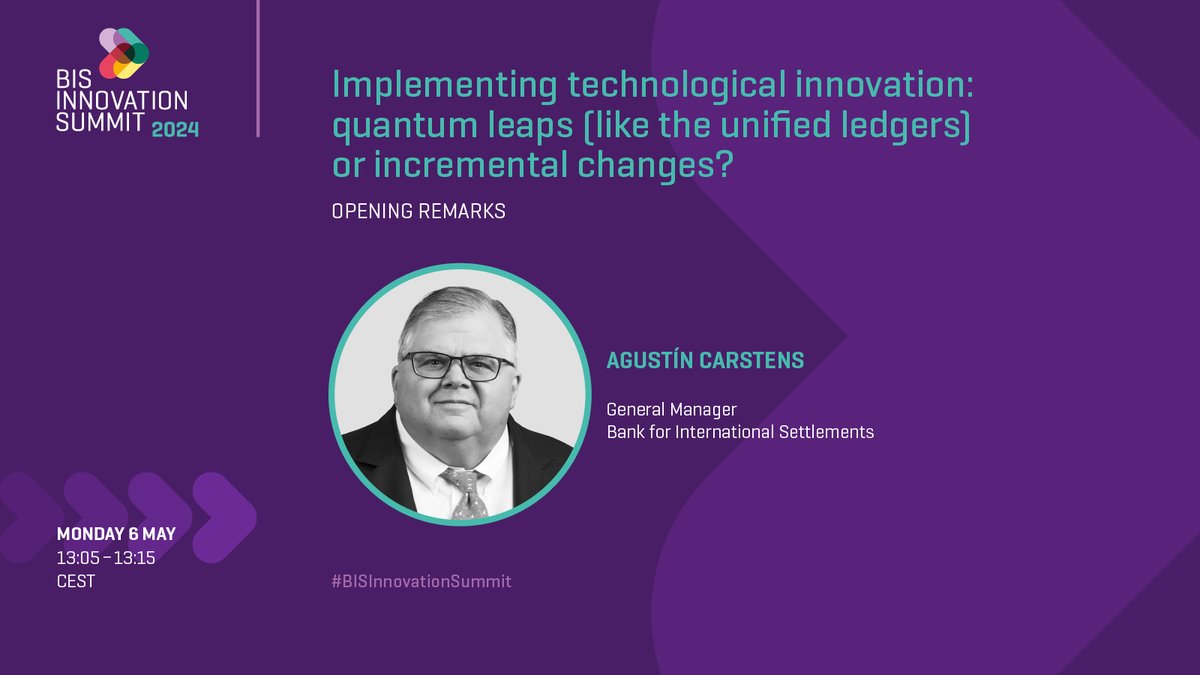
To create a “coherent vision of the future financial system, we will have to supplement cutting edge technologies with an efficient economic and financial architecture and robust governance and regulatory arrangements” Agustín Carstens #BISInnovationSummit https://t.co/U4I75sSPi6
“Sometimes we need giant leaps that deliver a fundamental rethink of the financial system and foster the development of entirely new architectures”, said Agustín Carstens at the opening the #BISInnovationSummit https://t.co/U4I75sSPi6
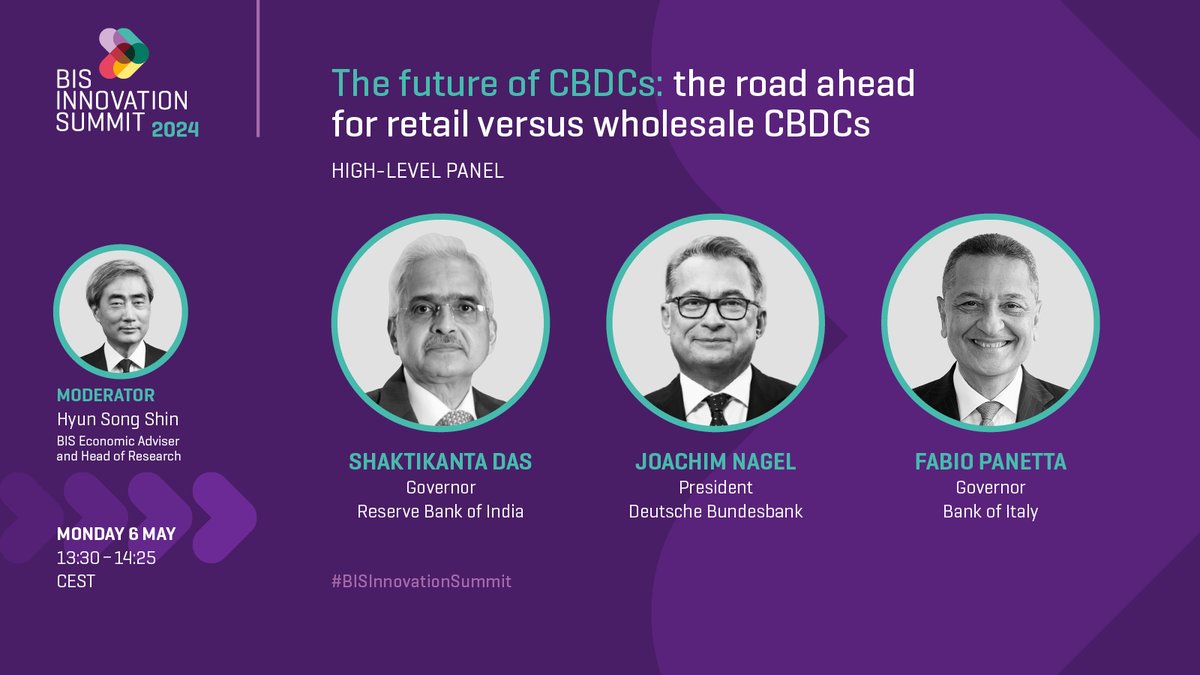
Coming up live at 1 pm CEST - Day 1 of the #BISInnovationSummit opens with BIS General Manager Agustín Carstens. Join the livestream https://t.co/eaI8LusTs3
#Cerveau🧠| Première mondiale : le cerveau dévoilé comme jamais grâce à l’IRM le + puissant au monde conçu et développé au CEA !
🤩Découvrez les 1ères images de cerveau obtenues avec le scanner IRM Iseult, doté d’un champ magnétique inégalé de 11,7 teslas👉https://t.co/h0Tpps7Jcy
The Rise of #Intangibles – Global Intangible Assets Reach US$61.9 Trillion in 2023
-Global corporate intangible assets grew to US$61.9 trillion in 2023, up 8% from 2022.
-@WIPO, in collaboration with Brand Finance, has identified the top 5,000 global firms in terms of their ownership of intangible assets for each country in the Global Innovation Index.
-Using Brand Finance’s original data from its annual #GIFT™ study, this groundbreaking analysis aims to highlight the pivotal role of intangible assets in driving corporate value and innovation ecosystems worldwide.
-Read the full article - https://t.co/4eS9s5nXLa
#intangibles
🔴 Another step closer to the implementation of DORA and MiCA : milestone Delegated Acts on #digitaloperationalresilience and #cryptoassets adopted today 🇪🇺 1/3 ⤵️
https://t.co/Yw3GCFYb4L
"The programming barrier is incredibly low. We have closed the digital divide. Everyone is a programmer now - you just have to say something to the computer."
https://t.co/HbQSrwf2EA