A work in progress, but I used @claudeai to organize all the Chicago price theory problems @irwincollier has collected from the archives. Access the database here: https://t.co/CaNJy8TMs0
Suggestions welcome.
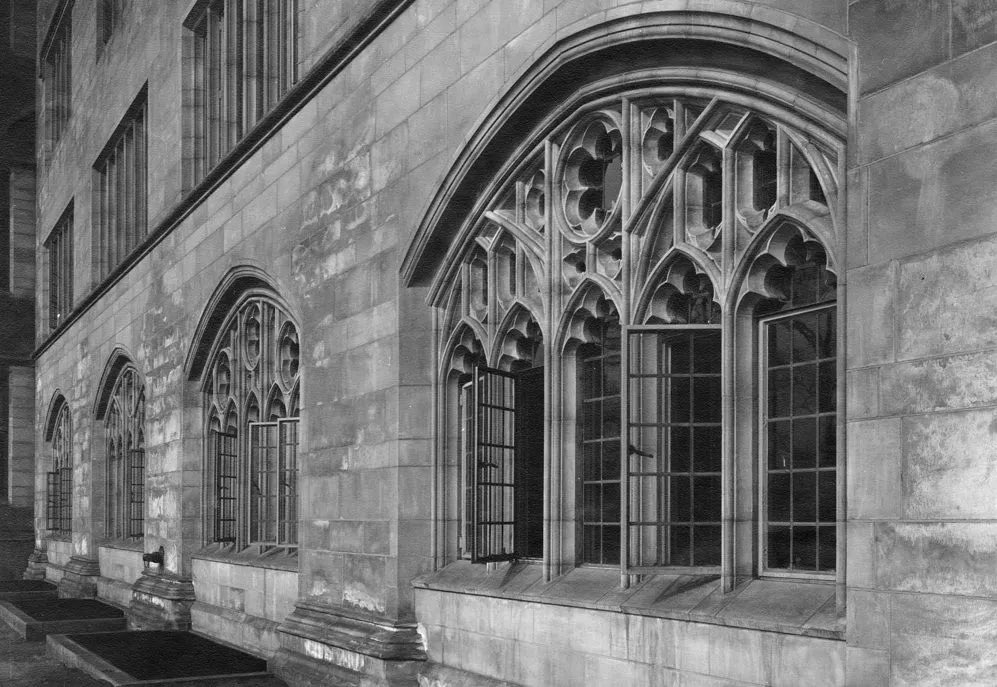
Economics in the Rear-view Mirror has crossed the 2000th artifact threshold. Presenting the Univ of Chicago’s economic theory prelim from the Winter quarter of 1953.
https://t.co/R20A8MbZQO
Milton Friedman died 20 years ago this week. A great economist, yes, but what I want to stress is the depth of his ideas.
1. Permanent income (1957). The Keynesian consumption function tied spending to current income via a fixed MPC. Friedman: with credit markets, even imperfect ones, households smooth. Consumption tracks permanent income. Hence temporary tax rebates buy little spending.
Great news to share! @faubusiness is ranked No. 14 nationally for undergrad entrepreneurship in The Princeton Review! As your Hometown University, we're building a thriving entrepreneurial ecosystem and preparing the next generation of business leaders.👌
https://t.co/KZ26jhf1GF
A free society cannot survive on a free economy alone, because liberty is more than the ability to trade with whomever we like or to produce and buy whatever we want. Democratic societies and free markets will not last long without the moral principles that make them possible.
None of those countries have outlawed for-profit enterprises.
None has free healthcare — there are copays.
The radical left unaffordable “Medicare for All” does not imitate these aspects.
Good old observation by @bryan_caplan : Regular people worry when someone is "profiteering" from solving a problem, economists worry when there's no obvious way of making a profit by solving a problem.
Are politicians motivated any differently from the rest of us?
The late James Buchanan says they are not, and explains how public choice challenges the assumption that government is benevolent.
Nothing is more embarrassing that the opining about whether economics is or is not a science by people with no actual interest or knowledge of the field
We need temporary rent control to ease affordability until we've built new supply. That's the argument pushed by some Biden administration officials. Aside from economics, it's naive about the political dynamics of the policy.
See @ATabarrok on this week's "The Economics of It"
Richard Posner has died at 87, after receding from public view following an Alzheimer’s diagnosis in 2018.
It was a cruel way to go for a fantastically prolific thinker and writer, but there is no easy exit from this life. | @baseballcrank
https://t.co/e9ROv9c1K3
I don't think people appreciate how powerful a theorist Richard Posner was.
In my little tribute, I try to draw out what made him unique and how we should all be a bit more Posnerian
https://t.co/oxy30h31SK
I’m not a credentialist and don’t think having a PhD is either necessary or sufficient to be a credible economic thinker. But belief in kook MMT “theories” and disbelief in budget constraints are both disqualifying.
We mourn the loss of Senior Lecturer Richard Allen Posner, a longtime #UChicagoLaw scholar, former federal appellate judge, and pioneer in the field of law and economics, who died on November 10.
Read more about his legacy: https://t.co/PhOaZWZIAN
This is wrong on the theory and on the facts. There’s actually a great literature on how private actors — be it private companies or communities — were very efficient in providing supplies following Katrina, often before the government got there.
Whole research project here:
https://t.co/sFJp4wz6a8
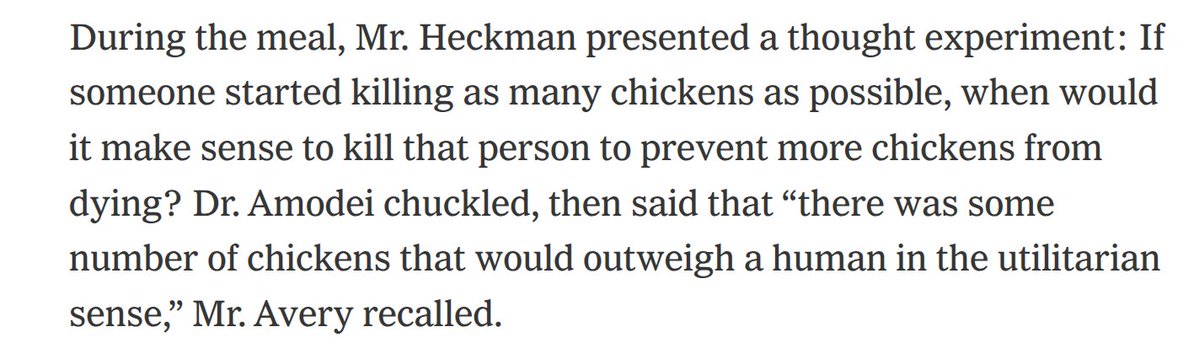
How would a @usc economist answer this question? A thread about ethics and property rights based on this thought experiment posed by the CEO of @AnthropicAI before he founded the company.
https://t.co/oqPaUyquUc