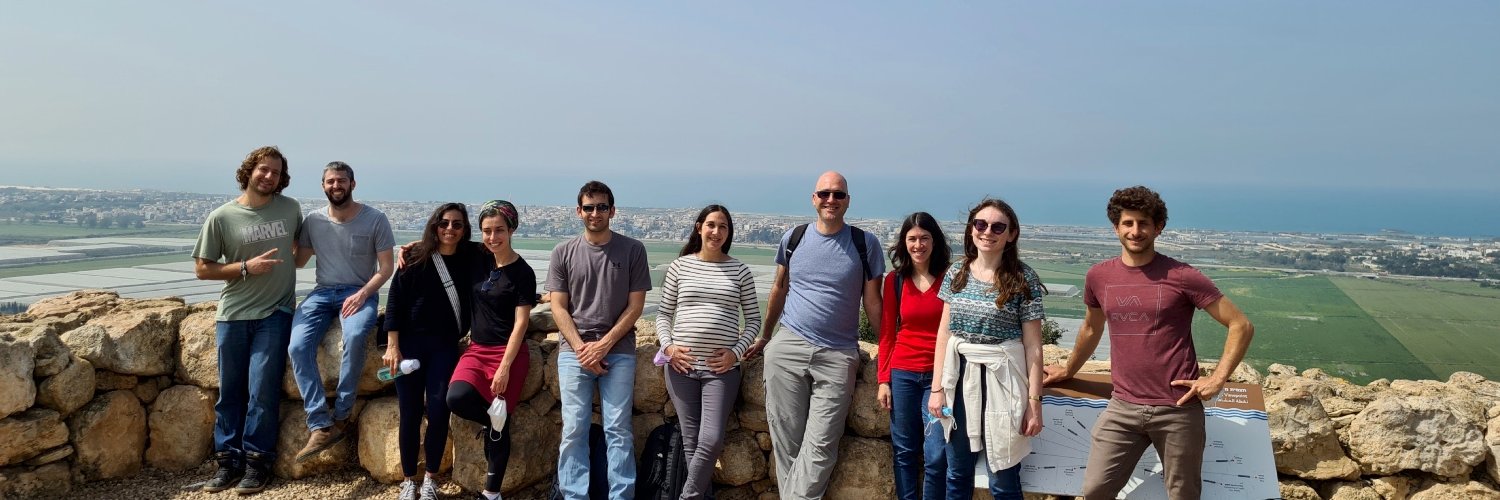
Fellow microbial immunity, mobile elements, and plasmid enthusiasts: the paper of our wonderful @BruriaSamuel on anti-defense genes in plasmids is now published in @Nature!!!
Check out her thread below for highlights of our new results.
1/2
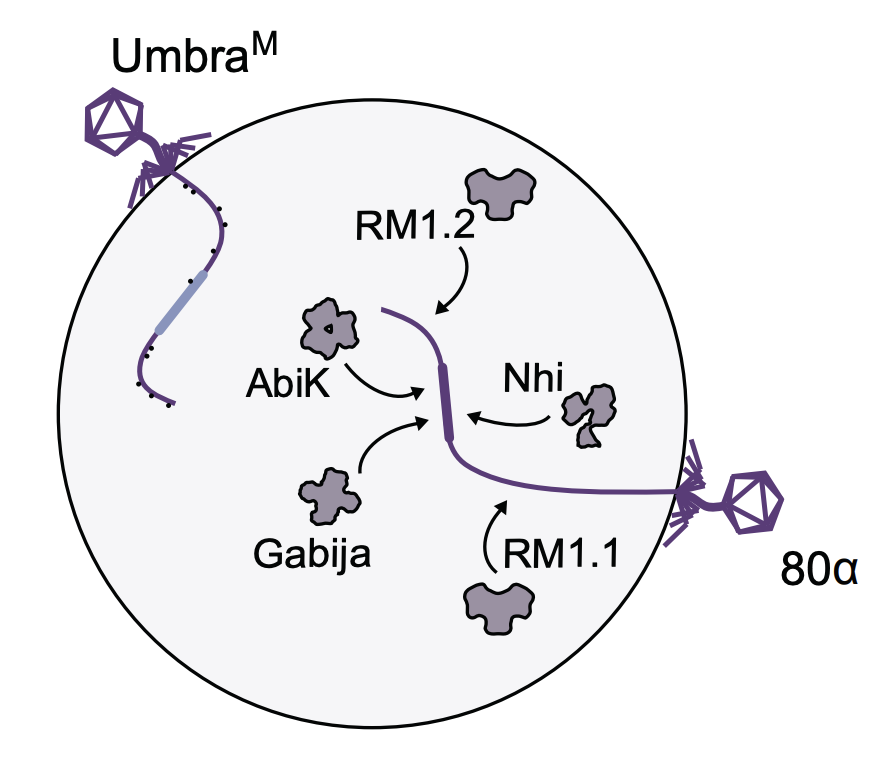
Meet The Shielded Plasmid🛡️🧬
Our new @Nature paper reveals how plasmids outsmart bacterial defenses during conjugation.
It's all about being in the right place at the right time! The positioning of anti-defense genes boosts transfer efficiency🧵(1/7) https://t.co/6n8brUx1PU
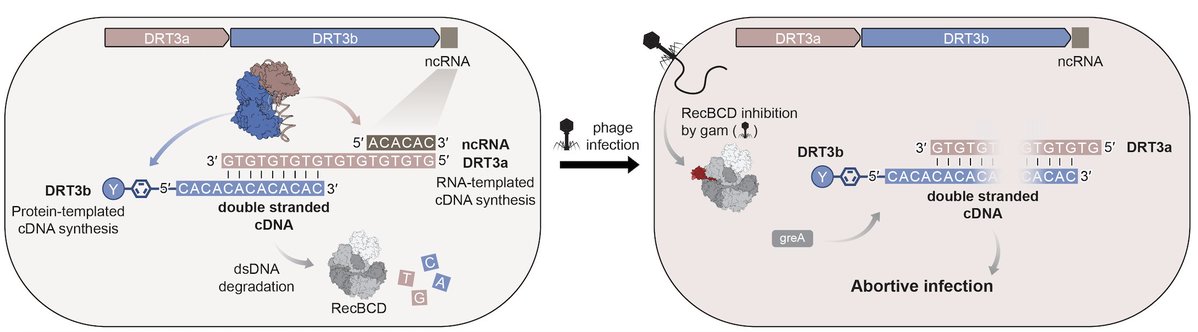
1/9 New preprint from the Sternberg Lab in collaboration with the Nishimasu Lab! We uncover how the DRT3 antiphage immune system pairs two reverse transcriptases, one RNA-templated and one protein-templated, to build a double-stranded DNA effector. https://t.co/KvouqrCWDW
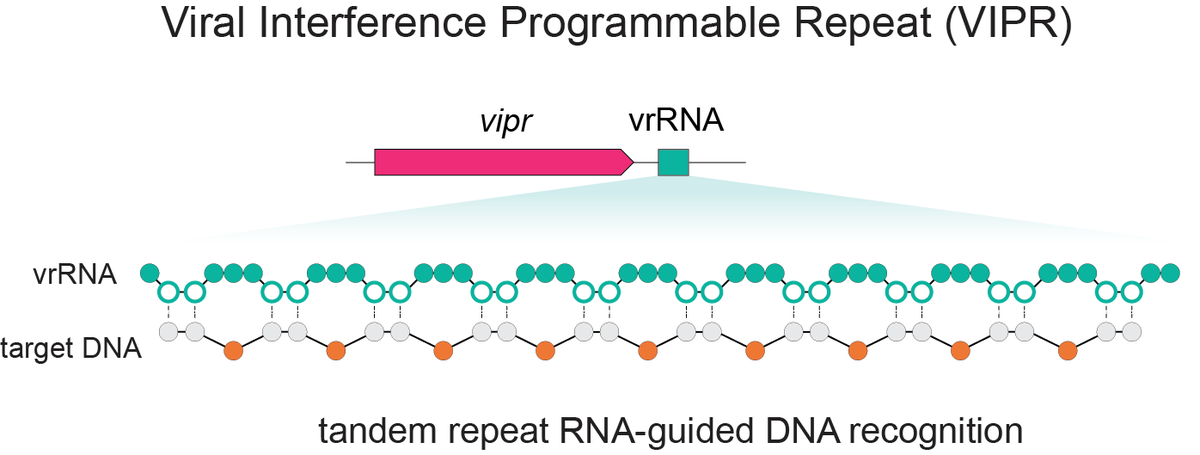
Excited to share our discovery of a new programmable RNA-guided DNA-targeting system hiding inside bacteriophages that predates CRISPR.
We call it VIPR (Viral Interference Programmable Repeat), and it uses an entirely new logic to find its targets.
Thread + link below.
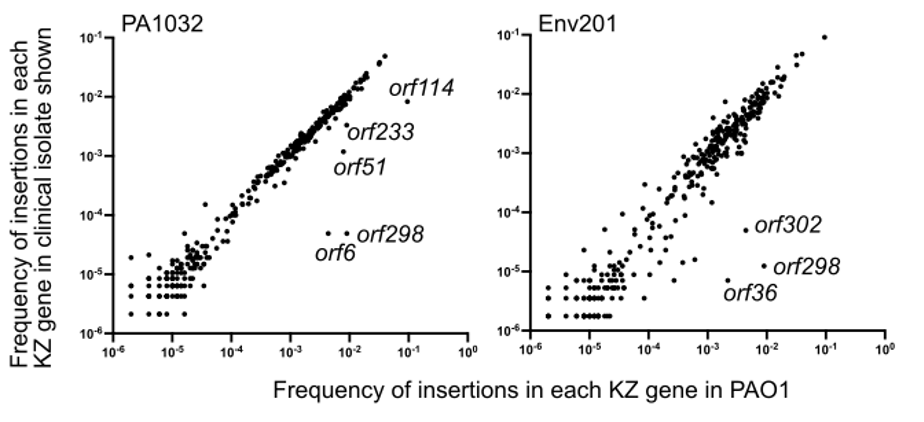
Phage community: our plasmids for executing phage transposon mutagenesis are now on AddGene and I would love for you to try it out! It is powerful for ID'ing all essential genes and knocking out all non-essentials in a single experiment :) New exp here:
https://t.co/rLtpaXWXR6
How do you kill a MRSA superbug armed with 15 defense systems? You engineer a smarter phage. Check out the Modell lab's preprint on overcoming bacterial immunity via defense-guided engineering to build durable therapeutic phage cocktails! Led by Sarah Voss https://t.co/ATKf4NLjl1
Very excited to see this work out today @ScienceMagazine!
Discovering viral proteins that block immune signaling from predicted protein structures🤩
https://t.co/2fwDOJA3iE
Huge thanks to the amazing collaborators! 🤗
Linking previous thread on our findings below 👇
Out now! In collaboration with @LeifuChangLab, we uncover the molecular and structural underpinnings of CRISPR-Cas12f-like RNA-guided transcription systems!
Links to the articles in the following tweet:
Evo 2, our genome language model that generalizes:
- across biological prediction and design tasks,
- across all modalities of the central dogma,
- across molecular to genome scale, and
- across all domains of life,
is published today in @Nature.
In new work in @jbloom_lab , we asked: how does endemic coronavirus keep evolving to erode human antibodies without disrupting spike function?
https://t.co/uCDd2dJcSC
We’ve identified industrial-scale distillation attacks on our models by DeepSeek, Moonshot AI, and MiniMax.
These labs created over 24,000 fraudulent accounts and generated over 16 million exchanges with Claude, extracting its capabilities to train and improve their own models.
AlphaFast: High-throughput AlphaFold 3 via GPU-accelerated MSA construction
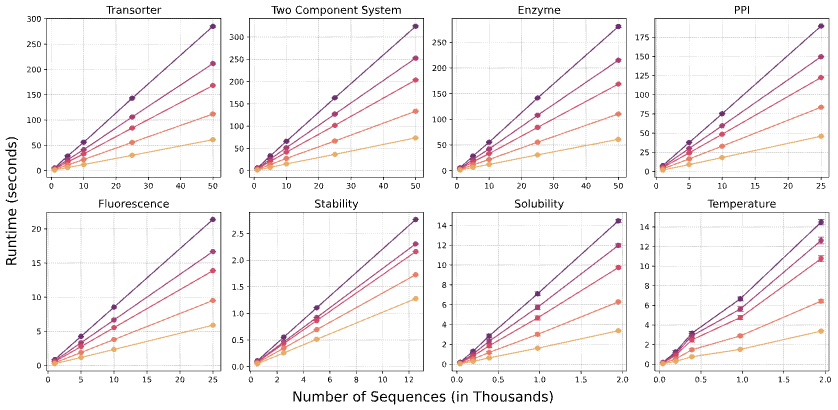
1. AlphaFast achieves a remarkable 22.8× speedup in end-to-end inference on a single GPU and up to 71.2× acceleration with four GPUs, reducing per-target runtime from nearly 15 minutes to just 8 seconds.
2. The core innovation replaces CPU-bound JackHMMER with GPU-accelerated MMseqs2 for multiple sequence alignment (MSA) construction, which was previously the dominant bottleneck accounting for over 95% of total runtime.
3. AlphaFast introduces a batched query architecture that consolidates unique sequences into a single GPU search, coupled with concurrent MSA post-processing and strict two-stage separation to resolve VRAM conflicts with JAX initialization.
4. Despite the massive speed improvement, AlphaFast maintains statistically indistinguishable structural accuracy from AlphaFold 3, with equivalent TM-scores, RMSD, pLDDT, and pTM metrics validated through bioequivalence testing.
5. The system supports both single-GPU and multi-GPU deployments with near-linear scaling, and includes a serverless implementation enabling cost-effective structure prediction at approximately $0.035 per target.
6. AlphaFast preserves the original AlphaFold 3 folding module, weights, and end-to-end performance, serving as a drop-in framework that decouples feature generation from inference for extensibility to other architectures.
💻Code: https://t.co/xhOefM4dM1
📜Paper: https://t.co/OZZVpOQPlh
#AlphaFold3 #ProteinFolding #StructuralBiology #GPUComputing #Bioinformatics #ComputationalBiology #MachineLearning #HighThroughput #ProteinDesign
🚀 Our results highlight a promising direction for improving the efficiency and scalability of protein language models. Read all about it! (5/5) https://t.co/VTmP0tcDPL
🧬 New preprint alert!
Protein language models have transformed bioinformatics, but what about the tokens they read?
In our new preprint, 👑@EllaRannon👑 studies how tokenization choices shape pLM performance and efficiency. 🧵(1/5) https://t.co/VTmP0tcDPL
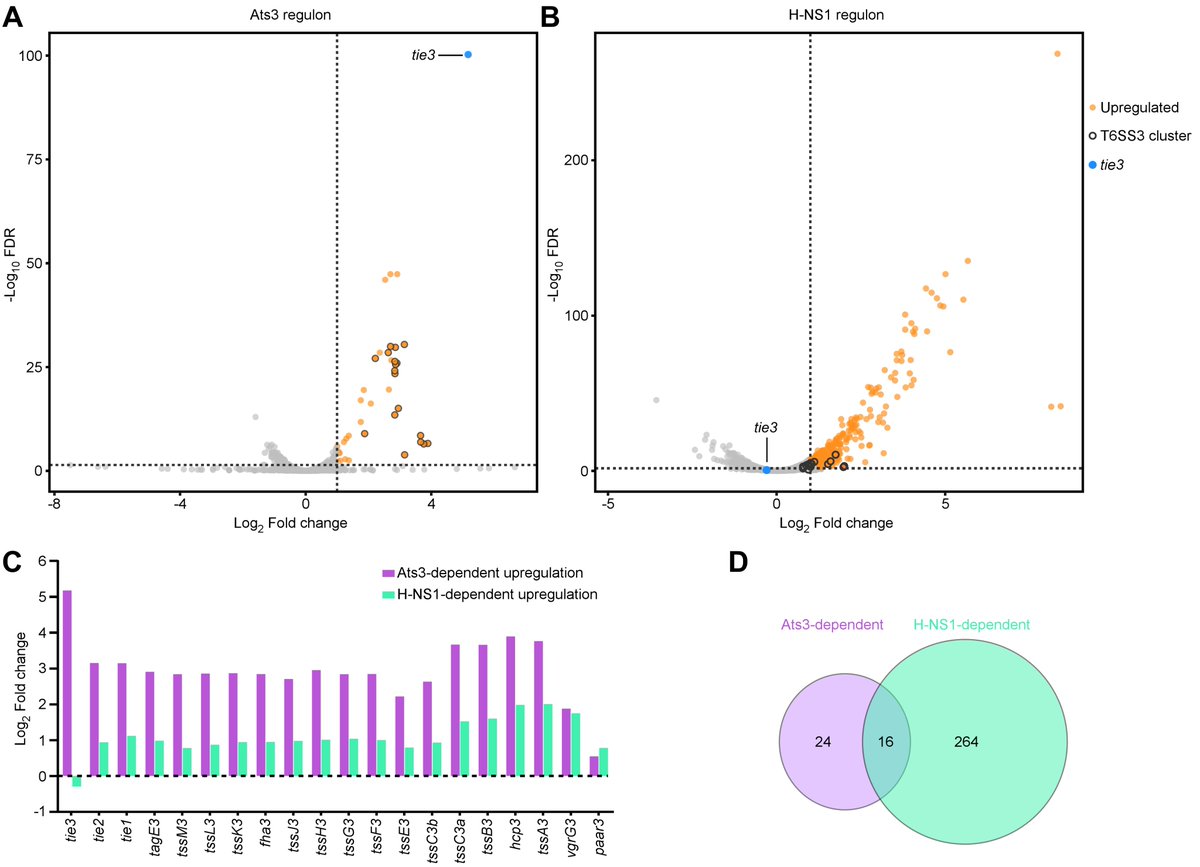
"All #T6SS-inducing regulators are equal, but some regulators are more equal than others".
Preprint 🚨: We use #Vibrio to show that T6SS activation by regulator manipulation may result in the expression of different effector repertoires, affecting toxicity
https://t.co/HsNB3MnbZ3
🧬 THREAD: How bacteria evolved thousands of “smart syringes” to target specific cells
Bacteria don’t just secrete toxins — some fire them with precision. Meet extracellular contractile injection systems (eCISs): phage-derived nanomachines that inject proteins directly into