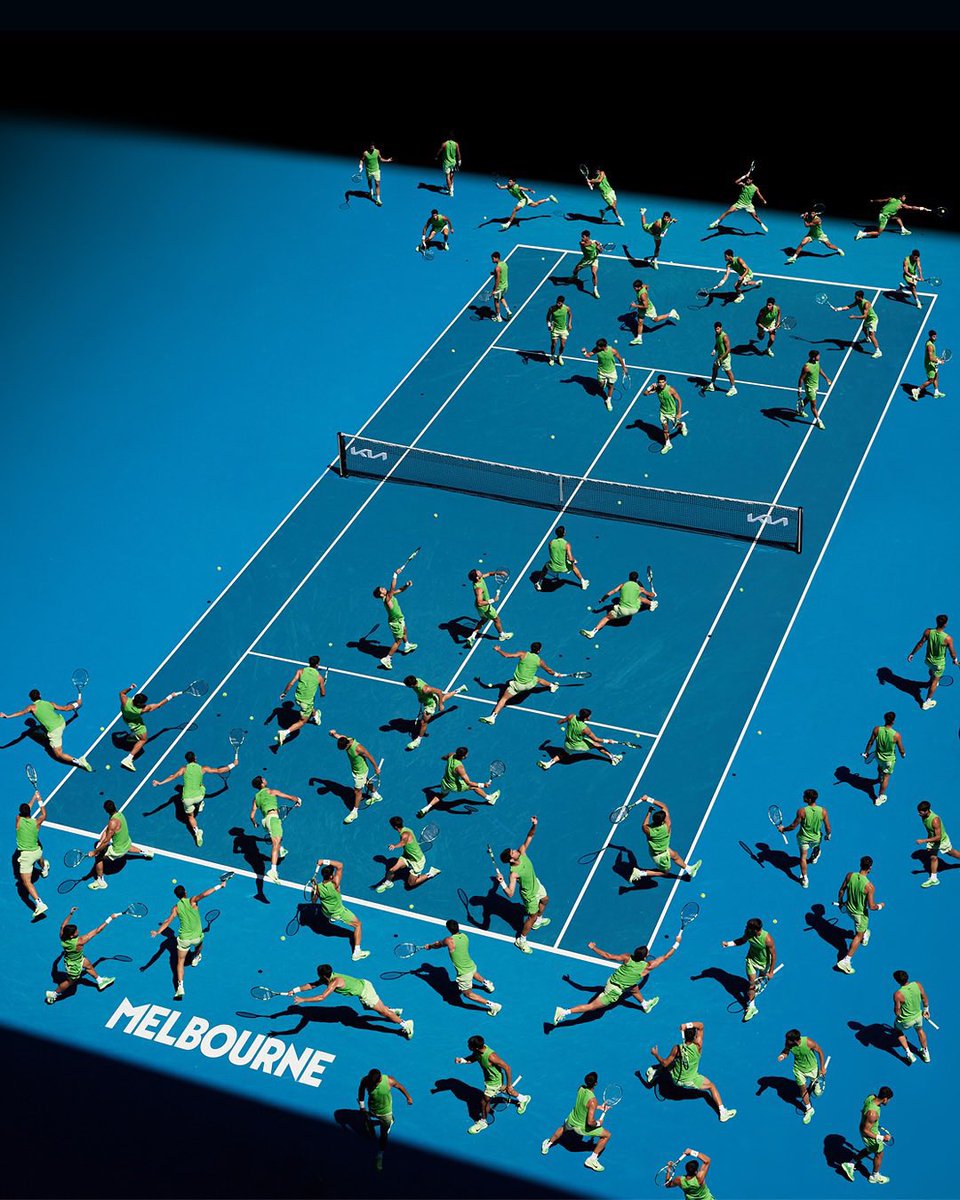
How do you survive at the top of tennis in the strongest era the sport has ever seen?
Kyle Edmund reached world number 14, became British number one, made a Grand Slam semi-final, won two ATP titles…and played against the likes of Djokovic, Nadal & Federer.
But what does it take to get there, stay there and then work out who you are when it ends.
@kyle8edmund left home at 13 to pursue tennis properly. By the time most people are still working out what they want to do, he had already committed to one of the most demanding individual sports in the world.
No team to hide behind. No shared responsibility. No guaranteed income unless you win.
And as Kyle explains, even reaching the top does not remove the pressure.
Coaches. Physios. Travel. Hotels. Taxes. Agents. The costs of staying competitive are enormous, and unless you are consistently winning at the highest level, the business of being a tennis player is far more fragile than people realise.
Then there is the other side… Injuries.
Retirement at 30; the reality of waking up one day without the thing that has defined your life since childhood.
This is a rare look inside the world of elite tennis from someone who has lived every part of it.
All on Business of Sport 🔥
(links below)
Winston Churchill fought his depression with bricks. He'd lay them for hours at his country home in Kent. He joined the bricklayers' union. And in 1921 he wrote about why it worked. It took psychology another 75 years to catch up.
He called his depression the "Black Dog." It followed him for decades. His method for fighting it back was as basic as it sounds: laying brick after brick, hour after hour.
Churchill spelled out his theory in a long essay for The Strand Magazine. People who think for a living, he wrote, can't fix a tired brain just by resting it. They have to use a different part of themselves. The part that moves the eyes and the hands. Woodworking, chemistry, bookbinding, bricklaying, painting. Anything that drags the body into a problem the mind can't solve by itself.
Modern psychology now calls this behavioral activation. It's one of the most-studied depression treatments out there. Depression sets a behavior trap. You feel bad, so you stop doing things, and doing less means less to feel good about. Feeling worse makes you do even less. The loop tightens until you can't breathe inside it.
Behavioral activation breaks the loop from the action side. You schedule the activity first, even when every part of you doesn't want to. Doing it produces small rewards: a wall gets straighter, a painting fills in, a messy room gets clean. Those small rewards slowly rewire the brain. Action comes first, and the feeling follows.
Researchers at the University of Washington put this to the test in 2006. They studied 241 adults with major depression and compared three treatments: behavioral activation, regular talk therapy, and antidepressants. For the people who were most severely depressed, behavioral activation matched the drugs. It beat the talk therapy. A 2014 review of more than 1,500 patients across 26 trials backed up the result.
Physical work like bricklaying does something extra on top of this. It crowds out rumination, the looping bad thoughts that grind people down during the worst stretches of depression. Bricklaying needs both hands and gives feedback brick by brick: each one is straight or crooked. After an hour you can see exactly how much wall you built. No room left for the mental chewing.
The line George Mack used in his post, "depression hates a moving target," is good poetry. The science behind it is sharper. Depression hates a brain that has somewhere else to be.
🚨Breaking;
Former head of MI6 says Mandelson was appointed Ambassador BEFORE security clearance was completed.
@Keir_Starmer wanted Peter in the job.
Sir Richard Dearlove tells Planet Normal podcast he is “disgusted” a man of “zero integrity” was given such a role. 👇
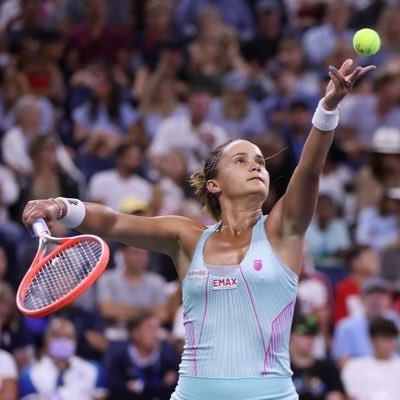
Carlos Alcaraz:
'Having Rafa [Nadal] in the stands made it even more special. After the semifinal, I thought about that semifinal in 2009 against Verdasco, he came back physically and won such a great final against Federer. I was thinking about it to push through for the final.'





![BastienFachan's tweet photo. Carlos Alcaraz:
'Having Rafa [Nadal] in the stands made it even more special. After the semifinal, I thought about that semifinal in 2009 against Verdasco, he came back physically and won such a great final against Federer. I was thinking about it to push through for the final.' https://t.co/Vwrsl7BhOb](https://pbs.twimg.com/media/HAIMKcebAAA0CMX.jpg)