Most camera layouts still start as marker dots on a printed floor plan.
We built a free fix: open your plan, click to place cameras, aim the coverage, download a PDF with a legend and camera list.
No sign-up. Nothing uploaded.
https://t.co/aUhkvtMpf1
A split pair passes continuity. Wiremap looks clean. Every pin lands right.
It fails NEXT. Two conductors from different pairs twisted together, cancellation gone.
A $30 tester says good. A certifier says otherwise.
Bend single mode too tight and light leaks through the cladding. The link still comes up. Nobody notices.
Test 1550 as well as 1310. Macrobends look worse at the longer wavelength.
Loss that jumps between the two is a bend, not a splice.
#FiberOptics#OTDR
A pass at 0.4 dB margin and a pass at 6 dB both print PASS.
One survives a warm summer, a new coupler and five years of somebody leaning on the bundle. The other doesn't.
Read the margin column, not the result column.
#DataCabling#NetworkEngineering
Every pair in a Cat6 cable has a different twist rate. Deliberate. Same rate and they'd couple into each other.
Untwist more than half an inch at the jack and you've undone it.
Most NEXT failures happen in the last inch of the run.
#Cat6#DataCabling
Patch cords are stranded, not solid. Stranded has about 20% more attenuation, which is why the channel model gives you 90 metres of permanent link and only 10 of cords.
Run 90 in the ceiling then hang a 15 metre patch cord off it and you are over, on paper and in practice.
Cablify is now a Hubbell Certified Installer.
What that actually means: systems we install can be registered under Hubbell's Mission Critical warranty. 25 years covering the components, the performance of the finished links, and the installation itself. https://t.co/qCTFAhEvFj
Bend radius on unshielded copper is four times the cable diameter. Shielded wants more.
Tight bends deform the geometry inside the jacket. You cannot see it. The tester finds it as return loss.
American spec sheets say CMR and CMP. Canadian inspectors do not look for either.
Here it is CSA. FT4 for general and riser. FT6 for plenum.
Most Toronto office towers return air through the ceiling void, which means FT6. It costs more. Confirm before you compare quotes.
802.3bt puts 90W down the same conductors carrying your data.
Bundle forty of those above a ceiling tile and the ones in the middle run hottest. Insertion loss rises with temperature, which shortens every run in that bundle.
Smaller bundles. More pathways.
Cat6A is a fatter cable and people forget.
Cat6 runs 5.5 to 6.2 mm. Cat6A runs 7 to 9.
At 40% conduit fill, a 1" EMT that carried seven or eight Cat6 takes about four Cat6A. Reusing conduit without recalculating is how a pull stalls halfway.
Cat6 and Cat6A both carry 10 Gigabit.
The difference is distance. Cat6 manages it over roughly 37 to 55 metres depending on how tightly it is bundled. Cat6A holds it over the full 100.
Speed is not the spec that matters. Reach is.
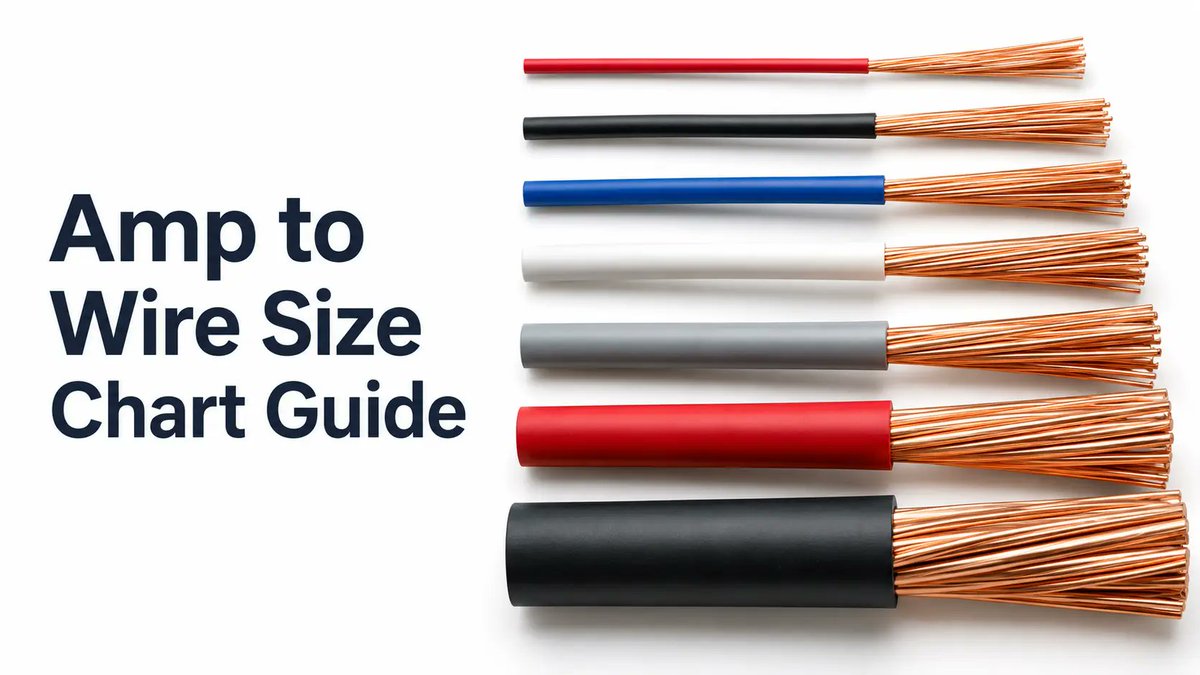
Choosing the right wire size matters. Undersized cable = heat, voltage drop and safety issues. Here’s a simple amp-to-wire size chart you can actually use: https://t.co/FNBXO0OwoU
#Electrical#TechTips#Cabling#Toronto
How much UPS wattage do you actually need? Most people buy the wrong size and find out during a power cut. Full breakdown: https://t.co/lVMlIKNmra
#UPS#PowerBackup#TechTips#Toronto
Electricians and low‑voltage techs: stop digging through PDFs for conduit fill tables. Here’s a clean EMT fill chart for Canada with a free calculator. https://t.co/Ag4zDXUPme
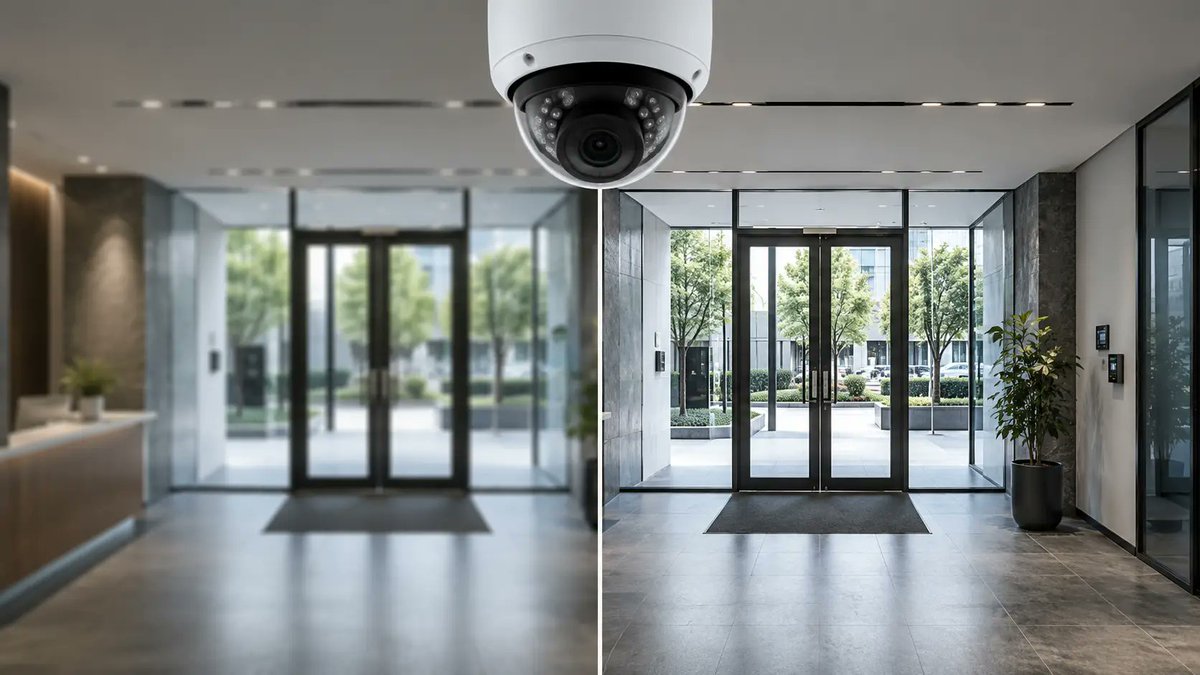
5MP vs 4K security cameras. Big difference or just hype? I broke it down so homeowners and businesses don’t waste money. Read the full breakdown: https://t.co/aaozhRxgfk
#SecurityCameras#CCTV#Toronto#TechTips