We hear from @DrLadeSmith at #RCPsychIC that we don’t have enough psychiatric beds for people who need them in the places where they live. We have known this for years, time to sort it: https://t.co/hTrJ9nGc5f
Everyone who works in healthcare needs to read this mum's live account of the ongoing plight of her young son's emergency NHS care - but most of all, @wesstreeting, you need to read it.
This is the reality of NHS 'improvement' on your watch, and it is soul-destroying.
I am so very sorry you and your son are enduring this, Victoria, & that all the staff around you are enduring the same.
@LucaAnaise@icod Haha! Probably a wise insight. I still get a frisson of joy from climbing the stairs to the top deck, I’m in my 40s, no one has stopped me going upstairs for almost 30y!
@LucaAnaise@icod I mean the same person who thinks earrings are a common frivolity and drinking water from a bottle marks you out as a social inferior. This is not about mere pleasure, it is doing the ‘right’ thing 😂
@ramage_olivia@_i_sahar@BjorkBrodern Yes! We lived in Scotland when my son was a baby and they did that at his nursery too - he slept 3 hours every afternoon. He’s 14 now and has had antibiotics once (about 2 weeks after we moved to England when he was 5). I’m sure he had fewer colds/conjunctivitis as a baby too!
Exciting news! Ainsleigh is my husband’s godfather and I had the pleasure to talk to him about apple genetics earlier this year. He’s an incredible scientist and gardener and is curious about just about everything. Also an incredibly patient and kind man 🍏 🧬 ❤️
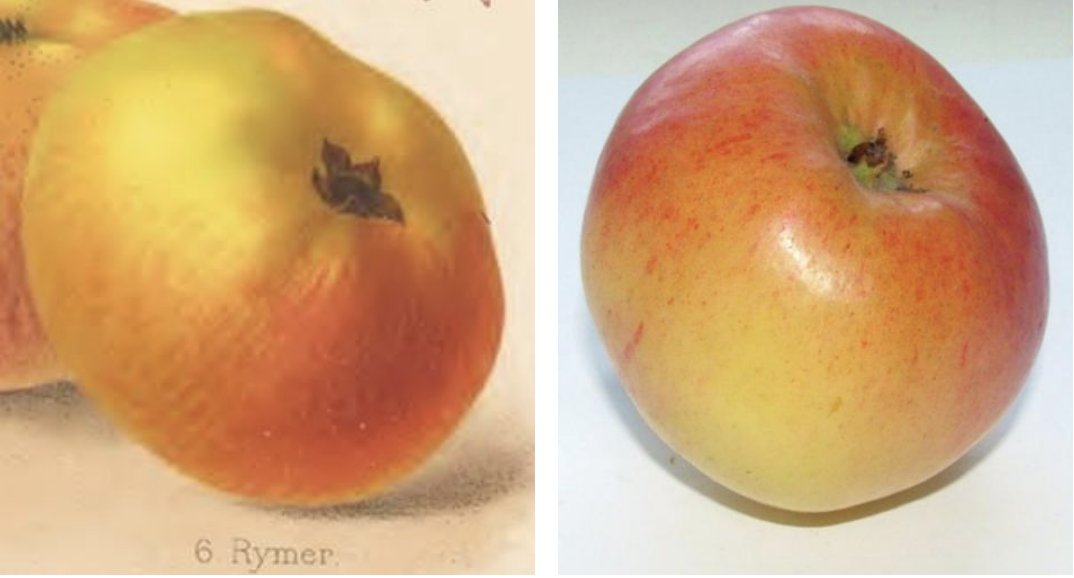
LOST APPLE 'RYMER' REDISCOVERED! Thanks to amazing sleuthing by Stephen Ainsleigh Rice in England and Gary Sully in Australia, this wonderful cooking apple has been confirmed rediscovered. Believed lost for nearly 100 years, DNA testing shows it was a grandparent of Bramley. 1/3
@Autistic_Lauren I think I would call this prosody - there are subtle differences in rate, rhythm, volume and tone compared with speech in NTs. So eg when speaking about a topic of interest the acceleration, emphasis and slight changes in pitch different from what the neurotypical ear expects