@tiffanynguyenUC I had never designed a website until this class, it was really interesting to learn how to develop one to make it engaging and authentic to you at the same time
@Dereklzs888 Learning how to write a SciComm was a really interesting experience for me as well, it was cool to find ways break down our research articles
#WhatIlearnedinWR60 is how to curate a website and blog posts that are engaging while being authentic! I’ve never did anything like this before and went through my fair share of frustrations with designing pages and posts. But this truly expanded my creative abilities !
#WhatIlearnedinWR60 has taught me to pay attention to issues surrounding dogs today such as puppy mills and how to help! Whether it is advocating our four legged friends or supporting your local shelter and animal rescues, this can all help the dogs in your community
#WhatIlearnedinWR60 has taught me how to break down complex articles such as the scientific article for my SciComm and make it simple and engaging for people to read. I never worked with this style of writing before so it was fun trying new styles of writing !
#WhatIlearnedinWR60 is how useful multimedia platforms such as twitter would actually be! This connected me to scientists and organizations that helped guide me to helpful research about dogs that would help me in my own writing
#WhatIlearnedinWR60 is that dogs have the same general intelligence factor that humans do! Which means we can see the same intelligence patterns in dogs that we see in humans !
@gin_giselle I’m also looking at the issue of puppy mills and this is an interesting counter argument to bring up especially regarding their health coming out of these facilities !
People have raised some concerns surrounding the emphasis on “Adopt don’t shop”. They describe that breeders ensure the integrity of the breed which shelters cannot provide. Also, the puppies raised from mills still deserve homes and to not forever live in that system. #UCanimals
While it is hard to raise counter arguments regarding the ethics surrounding the issues of puppy mills, some believe that these facilities meet the demand of purebred dogs that reliable breeders or shelters cannot provide when consumers want a specific breed. #UCanimals
Another proposed solution is that local governments need to become more hands on when it comes to curbing puppy mills. Local government have the authority to issue care and handling standards to regulate puppy mills in ways that other federal laws can’t enforce. #UCanimals
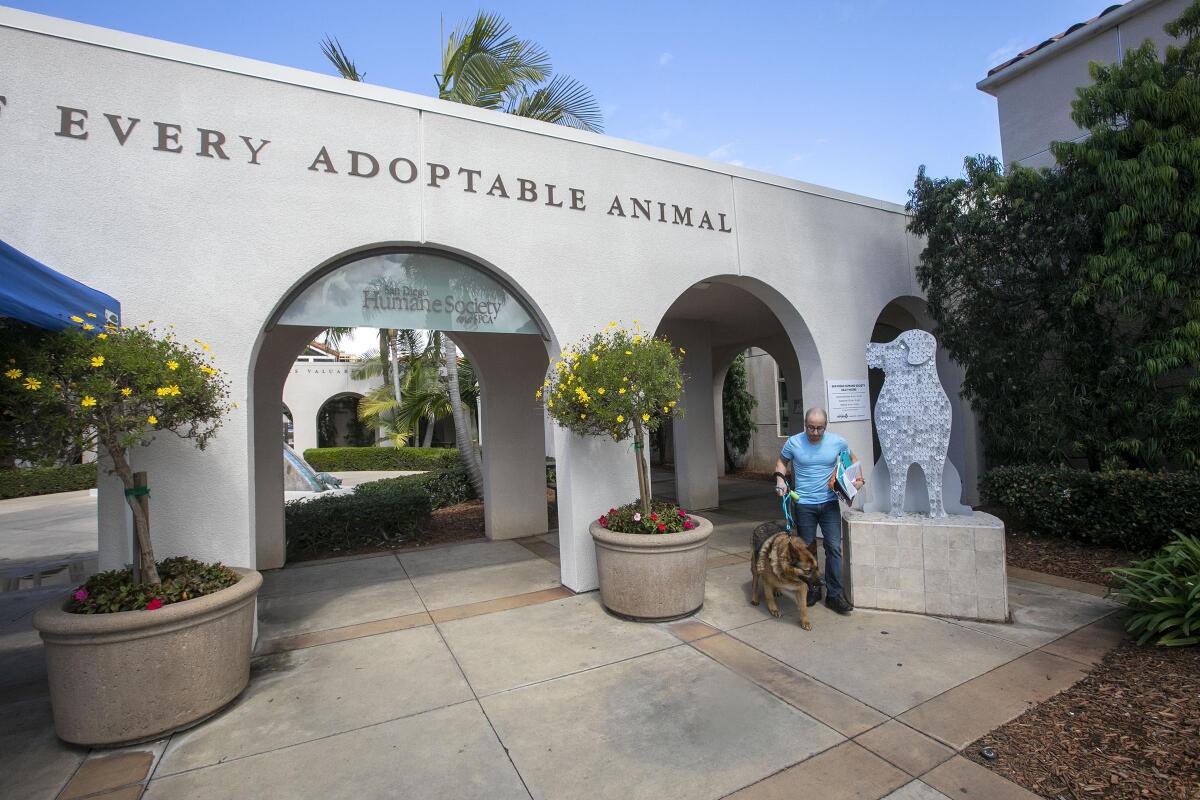
One of the most accessible ways to put an end to puppy mills is to support your local shelters. By focusing on adopting one of the many dogs in local shelters that need a home as well, this breaks the cycle of putting more money back into these facilities. #UCanimals
A solution proposed by the US Humane Society in order to stop puppy mills is to contact your legislators and press them to ensure that the enforcement of the animal welfare act is top priority because many offenders of this type of neglect, are repeat offenders. #UCanimals
This video shows an example of a puppy mill raid and how many dogs can truly be in this horrific environment. These types of raids could cost anywhere to $500,000 to care for these dogs and house them. #UCanimals Mississippi Puppy Mill Raid https://t.co/7Xpbdkdc79
This photo shows that even with cage stacking, these cages are constantly overcrowded and follow no sanitary guidelines and place these dogs into some of the most inhuman conditions without access to clean water or food. #UCanimals https://t.co/SBrlK4kfb8