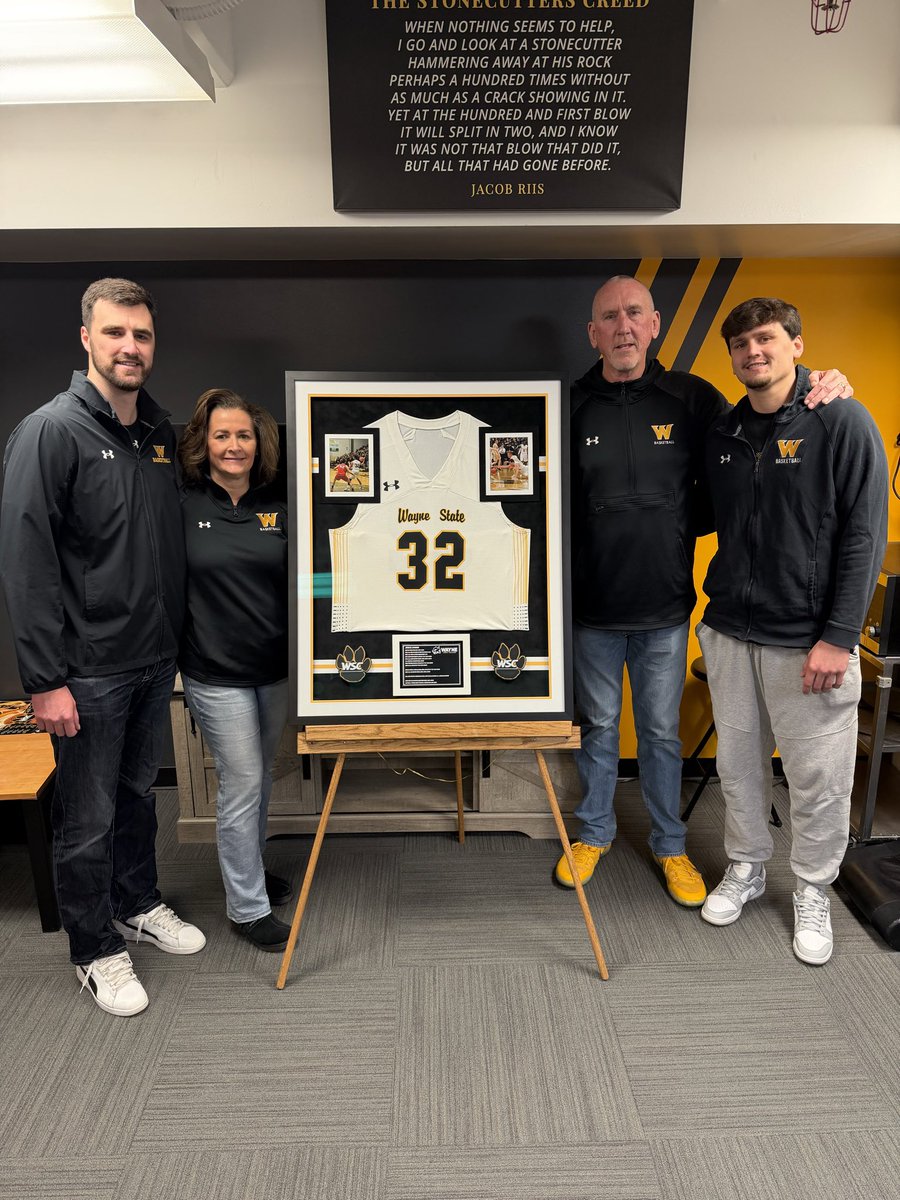
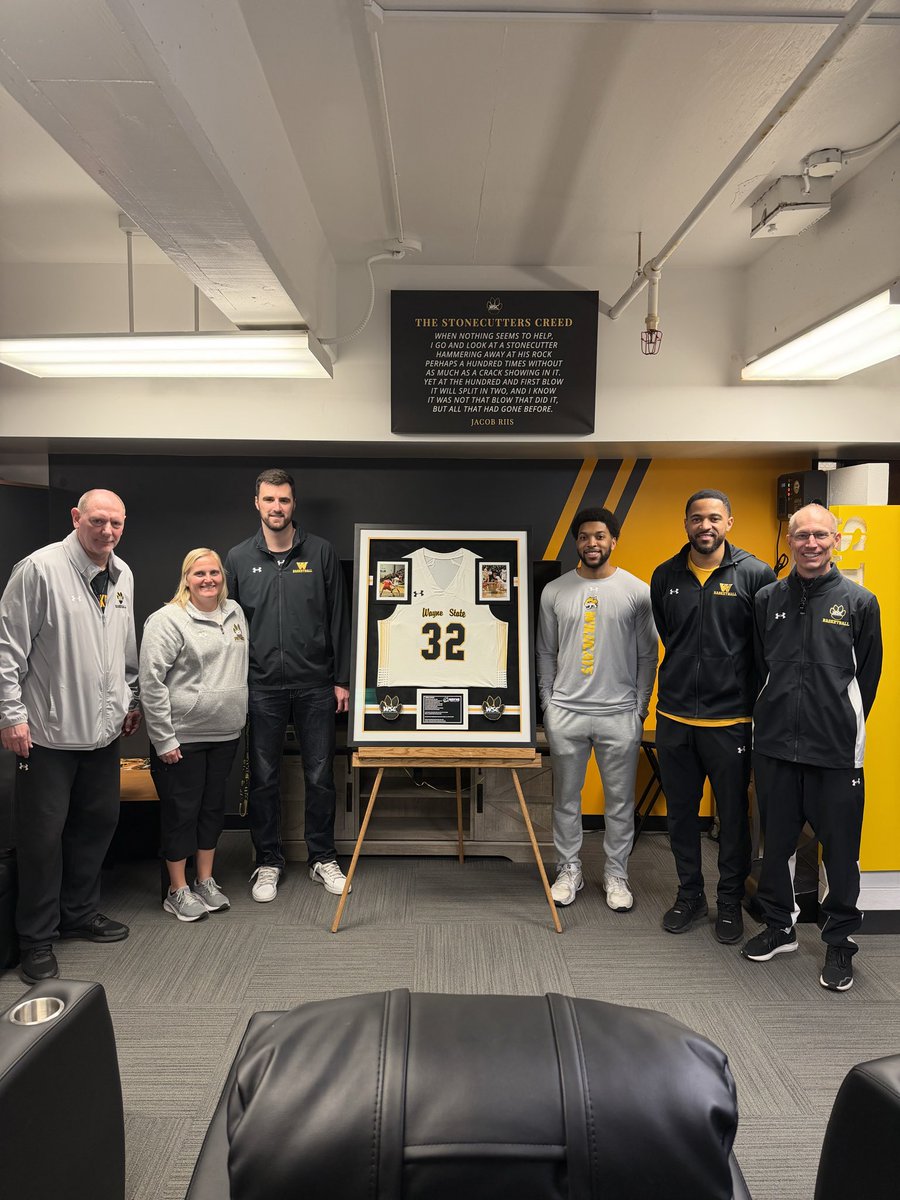
SPECIAL MOMENT FOR THE WSC MBB PROGRAM
UNVEILING A FRAMED JERSEY OF THE LEADING SCORER AND REBOUNDER IN THE HISTORY OF OUR PROGRAM
JORDAN JANSSEN
ACCOLADES BELOW:
NO. 3 ALL-TIME IN THE NCAA. 🤯
Berlyn Schutz runs the third-fastest outdoor mile in NCAA history! 4:27.30 in the Grand Blue Mile, finishing as the top collegian and cementing her name in the NCAA record books. 🔒📚
When a spacecraft leaves Earth, it doesn’t just fire its engines and head straight to its destination.
In many missions, especially those going beyond low Earth orbit, there’s a more subtle and elegant strategy at play, one that uses gravity itself as part of the navigation system.
This is often called a gravity assist, or a slingshot maneuver. But in the case of missions like #Artemis II, what’s being used is a closely related idea known as a free-return trajectory.
At first glance, it might sound simple: the spacecraft goes to the Moon, loops around it, and comes back. But the physics behind it is anything but simple.
Instead of relying on continuous propulsion, the spacecraft follows a carefully calculated path through the gravitational field of the Earth–Moon system. It is launched with just the right speed and direction so that, as it approaches the Moon, the Moon’s gravity bends its trajectory. The spacecraft is effectively flung around the Moon, redirected onto a path that naturally brings it back toward Earth.
No major engine burn is needed for the return. Small trajectory corrections may still be required, but gravity does the heavy lifting.
That’s the key.
This kind of trajectory is not just efficient, it’s also safe. If something goes wrong with the spacecraft’s engines or onboard systems, gravity itself ensures the return.
It’s an inherent backup plan, built into the trajectory from the very beginning.
The same fundamental idea appears in gravity assists used across the Solar System. When a spacecraft flies past a planet, it can gain or lose speed by exchanging momentum with that planet. From the spacecraft’s point of view, it’s as if it has been accelerated without using fuel.
In reality, it has borrowed a tiny amount of orbital energy from the planet itself.
That’s how missions like Voyager reached the outer planets, and how probes continue to explore regions far beyond what their onboard fuel alone would allow.
But there’s an important distinction.
An interplanetary gravity assist is typically used to change speed and direction, often increasing the spacecraft’s energy. A free-return trajectory, like the one used in Artemis II, is designed for something more specific: a path that naturally loops back to Earth without requiring additional propulsion.
It’s less about gaining energy, and more about shaping a trajectory that guarantees a return.
To understand why this works, it helps to stop thinking in straight lines. In space, motion follows curves defined by gravity. The spacecraft is constantly falling, first toward Earth, then toward the Moon, and then back toward Earth again.
What looks like a loop is really a continuous free fall through a changing gravitational landscape.
This way of navigating space reveals something deeper. We tend to think of engines as the drivers of motion, but once a spacecraft is on its way, gravity does most of the work.
The art of spaceflight is not just about thrust.
It’s about knowing when not to use it.
#GoodLuck #Artemis @NASAArtemis
1 million percent disagree. Just go play defense. The team on defense isn't helpless. Pressure the ball. Extend into a trapping 1-3-1. Anything other than, "well I guess that's it." There are two teams responsible for this when it happens. The offense and the defense.
In the 4A State Title game, Crown Point held the ball for a minute plus…. With 5 minutes to go in the 3rd quarter. No movement… as deafening boos came down from this Gainbridge Fieldhouse crowd. Indiana needs a shot clock and it needs it now.
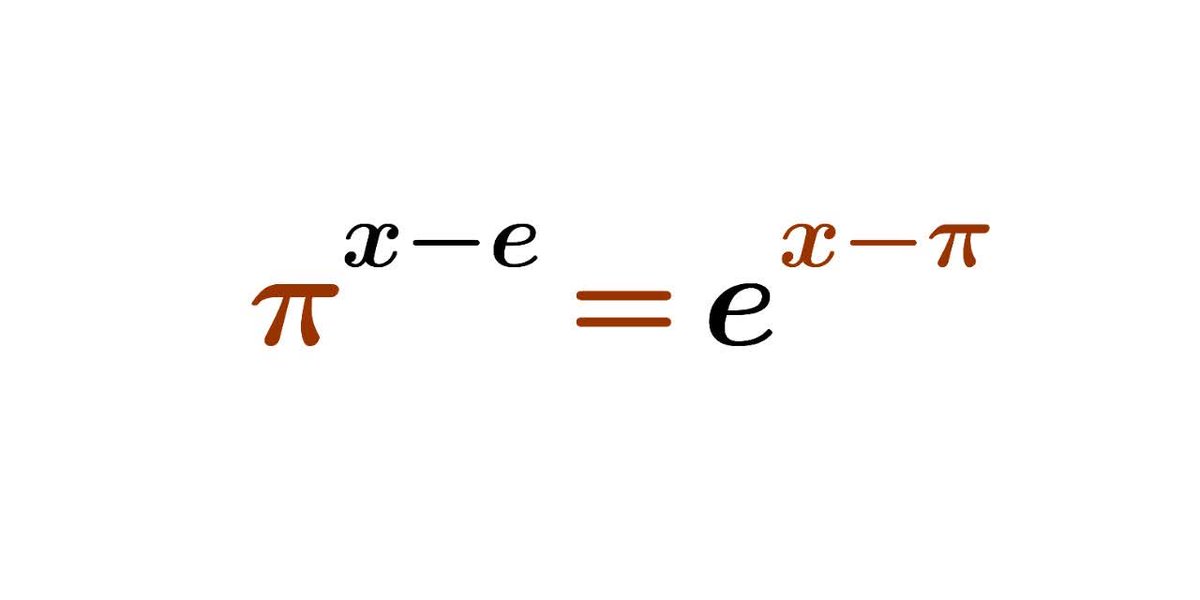
This is a great problem. I used calculus and volume by slicing and general r and h for radius and height. It all drops out very nicely to the quadratic, independent of r, h^2-2h-84=0, which as mentioned the positive solution is 1 + sqrt(5).
Great insight about how a culture shift can happen when you have selfless servant leadership from within.
Player mind sets from the recent past are still impactful today!
Been at ESPN a long time - this one was an all timer. Before social media, it was as viral as a story can be. I watched it on a tape in the news room. I couldn’t stop watching his teammates.
This afternoon we celebrate the contributions our Sr. class has made. This group has shown amazing commitment to one another and our program. Proving in 2025-26, we CAN compete at a high level having a team of players that have ONLY been EAST HIGH SPARTANS their entire careers.