Postdoctoral researcher at @obsge studying galaxies in the very early Universe; the interplay between galaxy properties and their environments. (he\him)
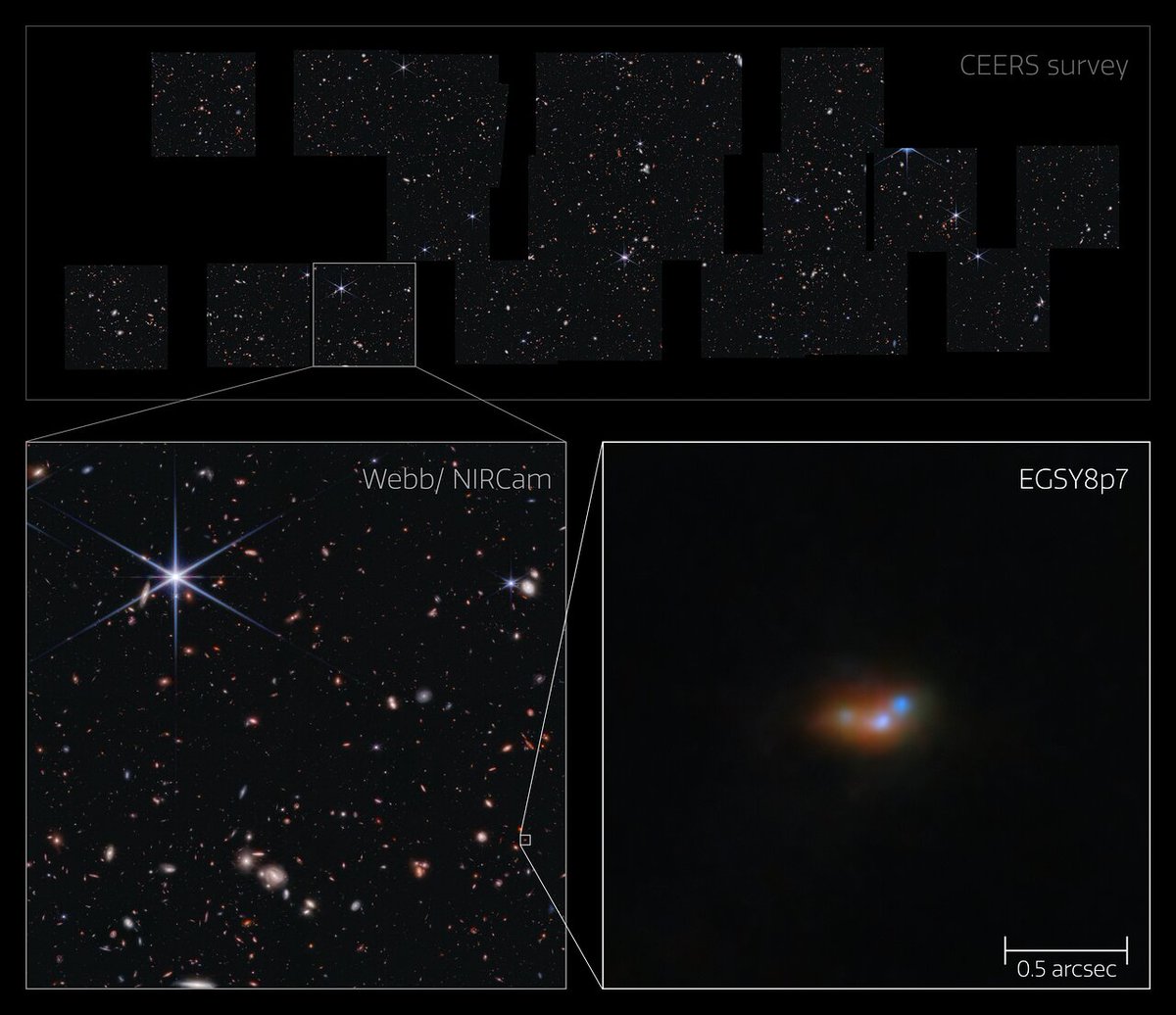
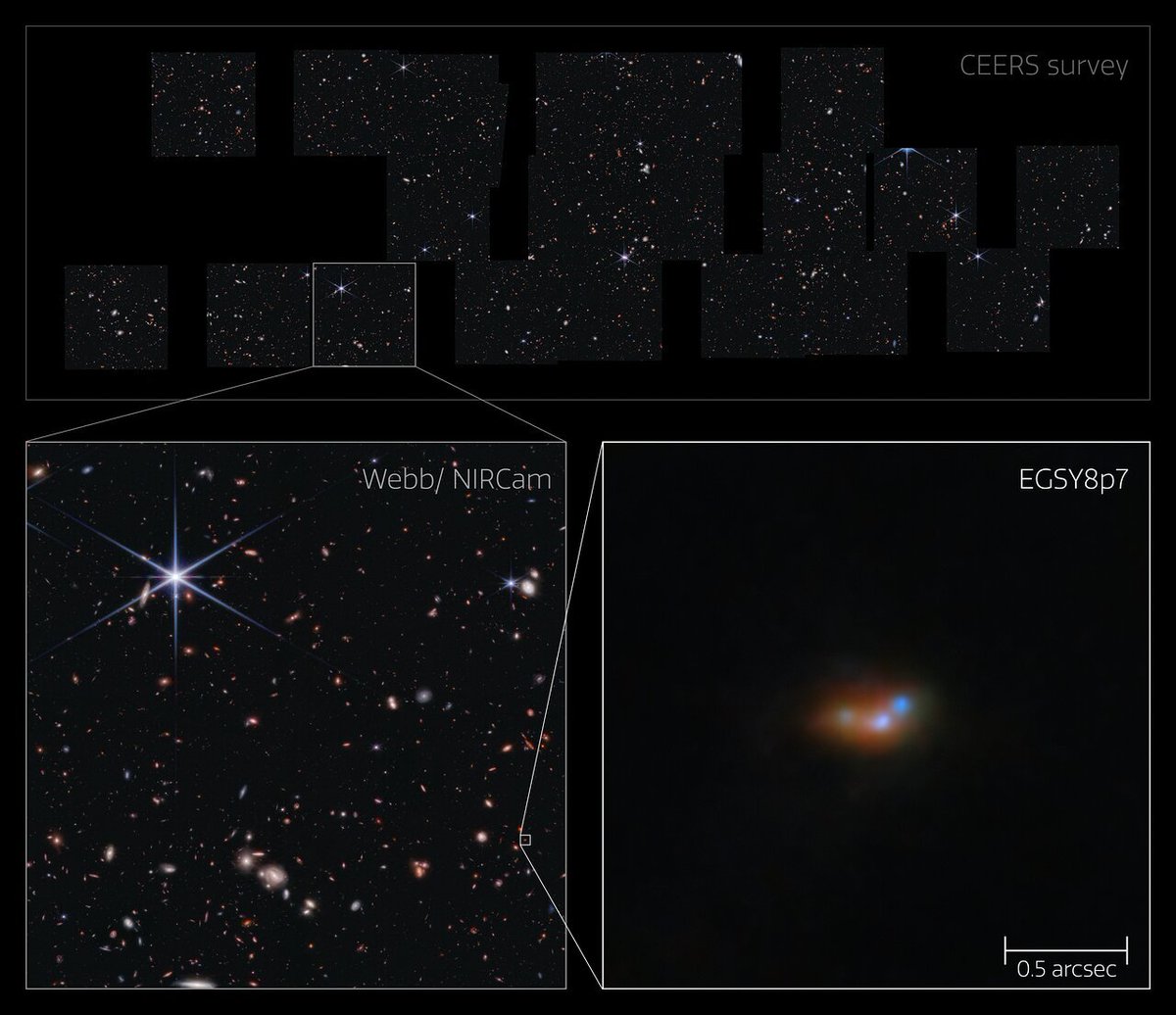
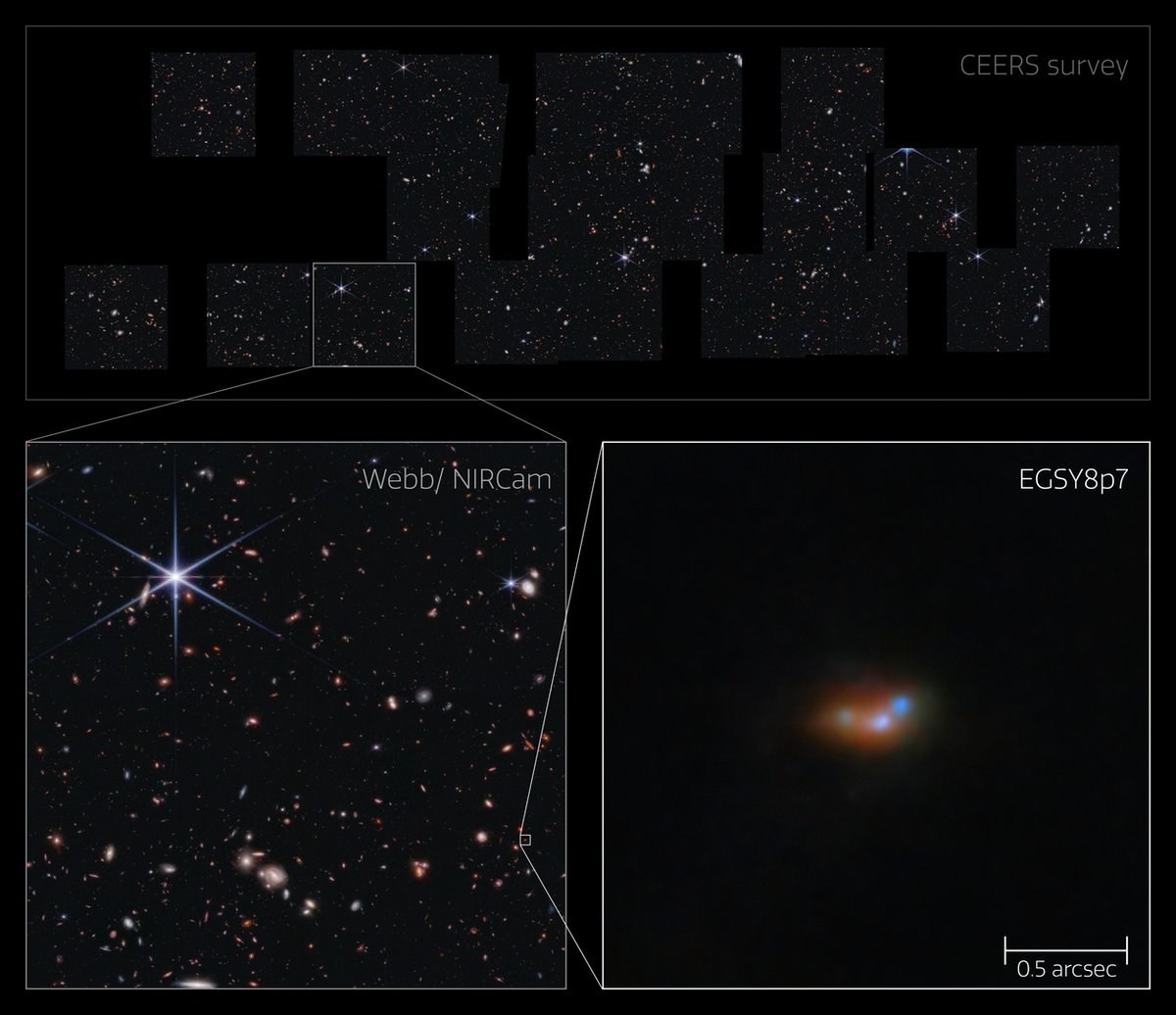
A combo of JWST/NIRCam observations & magnetohydrodynamic simulations suggests that frequent mergers with close companions give rise to bursty star formation and hence the unexpectedly high Ly-α emission detected from early galaxies. @callumwitten et al.: https://t.co/3BMqEpxajT
The unmatched resolution and sensitivity of James Webb has revealed, for the first time, what lies in the local environment of galaxies in the very early Universe.
New research by IoA PhD student Callum Witten, published today in Nature Astronomy.
https://t.co/u22uuFYMsw
The unmatched resolution and sensitivity of James Webb has revealed, for the first time, what lies in the local environment of galaxies in the very early Universe.
New research by KICC PhD student Callum Witten, published today in Nature Astronomy.
https://t.co/5I5Gp4PEGt
The NASA/ESA/CSA James #Webb Space Telescope has solved one of the most puzzling mysteries in astronomy using galaxy mergers!
Previously, astronomers didn't know why we detect light from hydrogen atoms which should have been entirely blocked by the pristine gas that formed after the Big-Bang, until now.
Find out how they did it 👉 https://t.co/Necx1T8wuf
GN-z11 paper day 🧵:
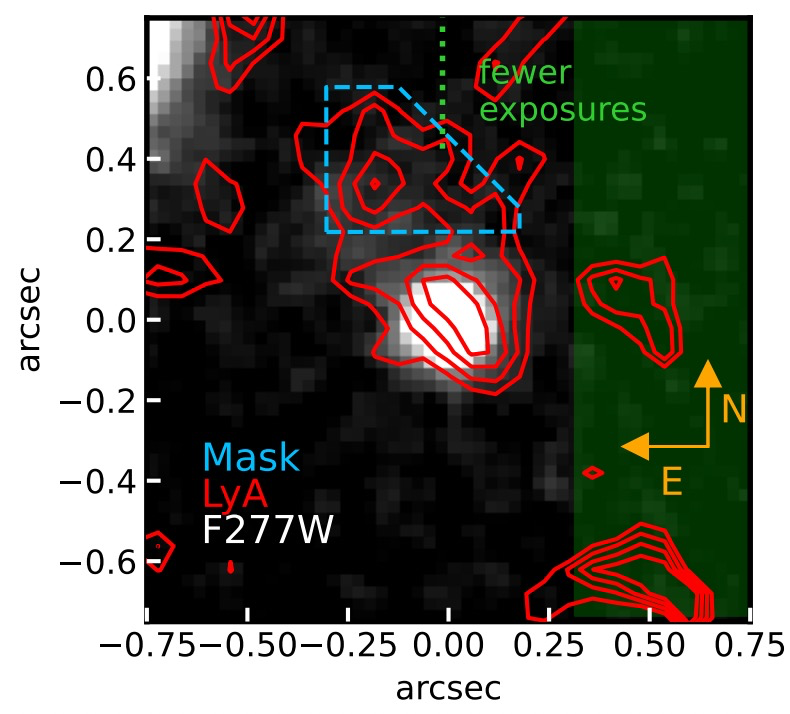
With Callum Witten, @nicolastro63 and the JADES collaboration we analysed the latest @NASAWebb@ESA_Webb DDT data from the NIRSpec IFU. And we found a Lyman-alpha halo around z=10.603 galaxy! How cool is that! https://t.co/hGPSflfcnJ