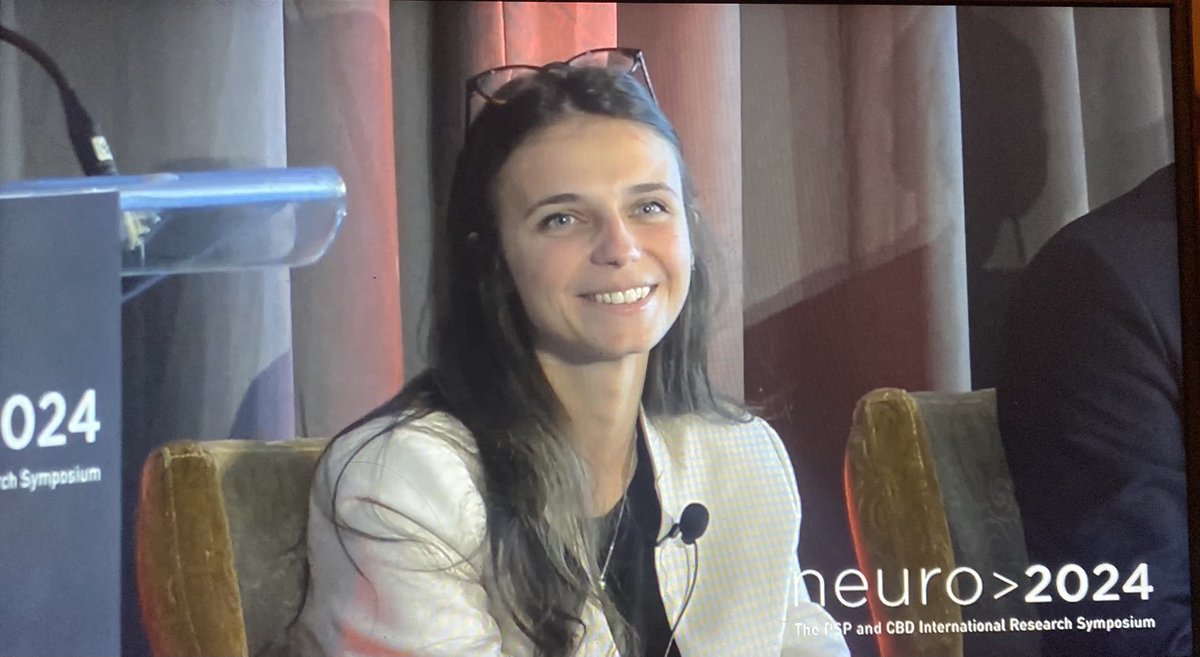
not sure why X gives the "warning sensitive content" - this is a great study, we are proud to support.
@racingdementia and @M_Malpetti are *sensitive* to the urgent need for better diagnosis and treatment
A simple blood test to help detect signs of dementia decades before it develops is being rolled out across the UK by the University of Cambridge.
Part of a new study, the researchers are backed by @RacingDementia, the charity founded by Formula 1 racing legend Sir Jackie Stewart.
Learn more 👉 https://t.co/CZTV8URxNU
Very proud of the team for showing that restoring GABA can mitigate behavioral & physiological deficits following frontotemporal lobar degeneration
A drug x MEG x PSP|FTD study #PSP#FTD@wellcometrust@mrccbu@CambridgeBRC@CurePSP@PSPAssociation
https://t.co/dIErAuJS9v
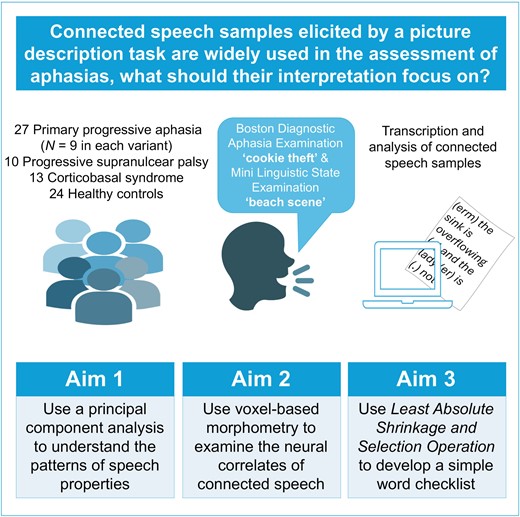
Henderson et al (@HendersonShalom) analysed connected speech samples from patients with primary progressive aphasia, progressive supranuclear palsy, & corticobasal syndrome & optimised simple, practical word checklists for 2 widely used picture-narratives: https://t.co/dl7l2PW01P
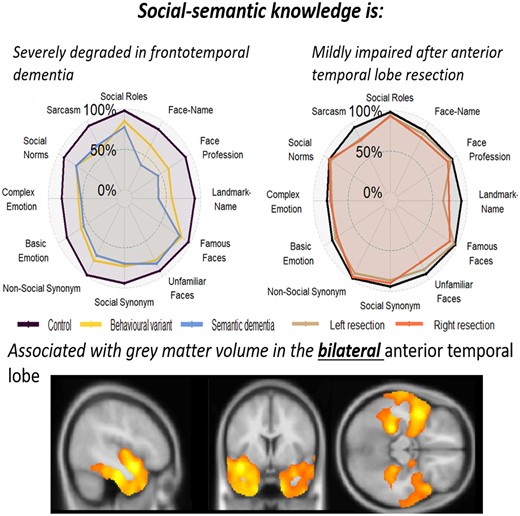
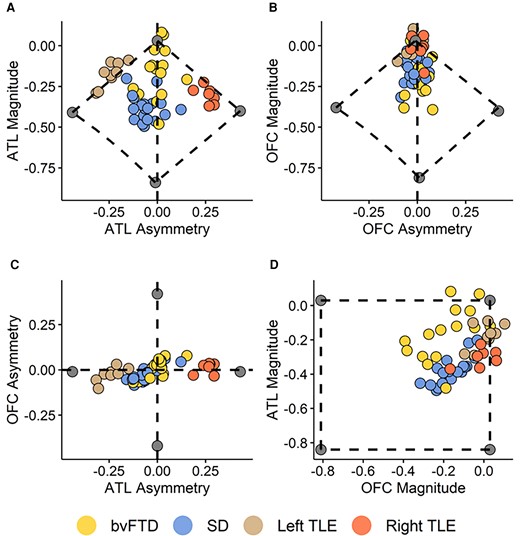
Rouse et al. report that social- and non-social semantic memory are degraded in frontotemporal dementia following bilateral anterior temporal lobe atrophy. Read at: https://t.co/L83ksdKLyu @mattr19909@Ajay_Halai@SidRamanan@pg220@CambridgeFTD@mrccbu
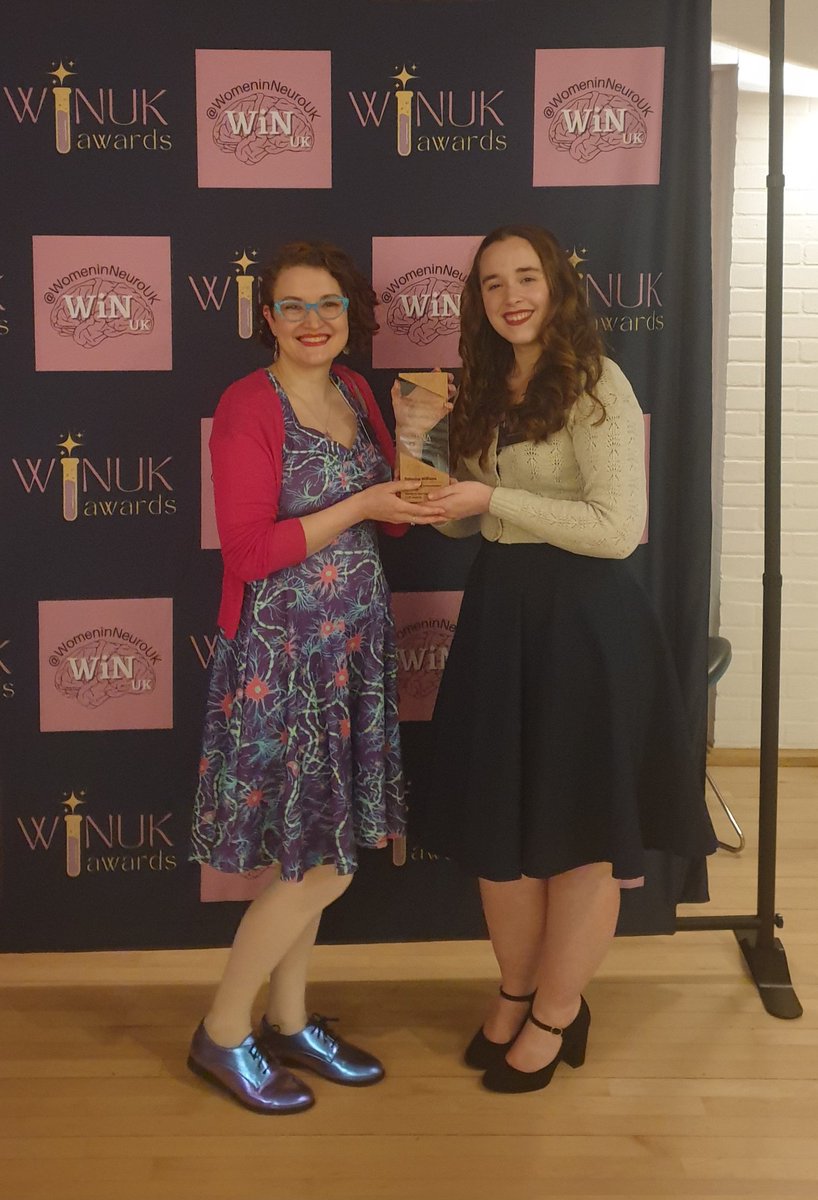
Wonderful to see your commitment, talent, and effectiveness in science communication being recognised by #WinUKAwards2024@WomeninNeuroUK with colleagues, students, the public, schools and people with neurological conditions
@mrccbu@Cambridge_Uni
Come and join the DPUK team (@DementiasUK ) to find the best blood based biomarkers of Dementia – A new post doc position working with Prof James Rowe @CambridgeFTD the READOUT study
https://t.co/T5ztzoojij
You don't need high tech to get accurate diagnostic separation of dementia
Simple item-level analysis of low-tech ("paper & pencil") short carer questionnaire gives high accuracy
From Alex Murley @CambridgeBRC
N=2500 people, 11 conditions
https://t.co/LxlPPzOMjL
@alazassociation
Social-semantic knowledge in frontotemporal dementia and anterior temporal lobe resection - laterality and severity
=Social- and non–social-semantic deficits highly correlated
=No left vs. right difference in social-semantic knowledge
@mattr19909@mrccbu
https://t.co/4sdXvsTPHE
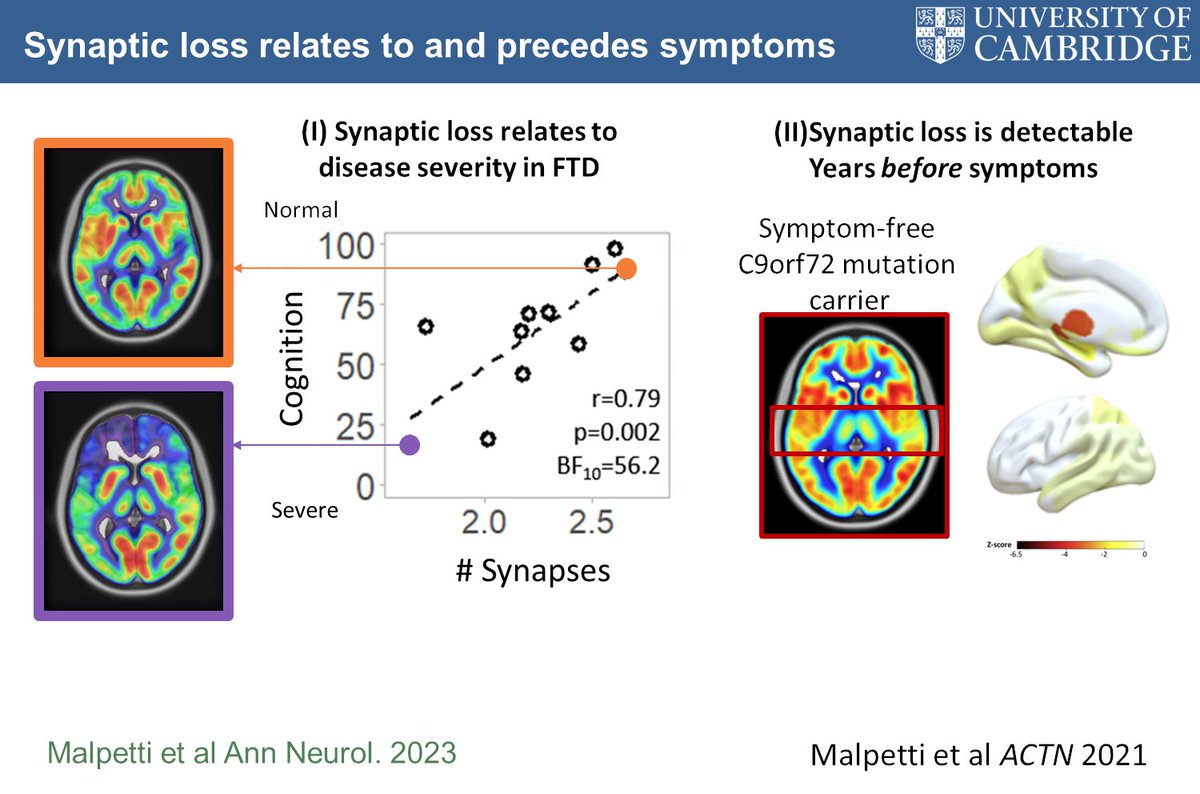
Fantastic morning at the #DGN Kongress 2024 Berlin, discussing #SynapticHealth and synaptic biomarkers in blood, CSF, PET and pathology. Thanks to Markus Otto, Patrick Oeckl, Dietmar Thal @lorbarba and @M_Malpetti and the great audience @wbic_cam@DementiasUK
Immunophenotyping dementia
Congratulations @M_Malpetti Alex Strauss John O'Brien and NIMROD group at @CambridgeBRC and collaborators @NicholasAshton Henrik Zetterberg @UCLIoN@UniofGothenburg
AD, FTD, CBS, PSP, LBD
👉TREM2+ vs classical monocytes correlate with survival
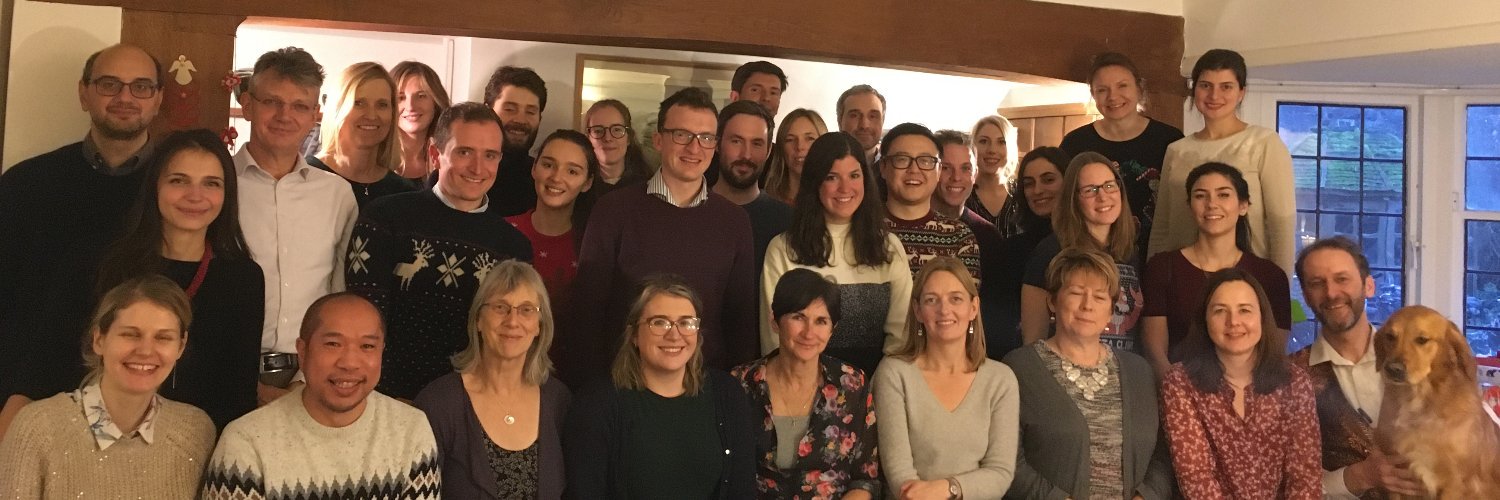
It is brilliant to see one of the first projects out of my lab now published on @molpsychiatry!
Congrats to Alex, all lab members and collaborators involved - and huge thanks to the participants and families, and all our funders!
Enjoy the read:
https://t.co/50vy8mdqeJ
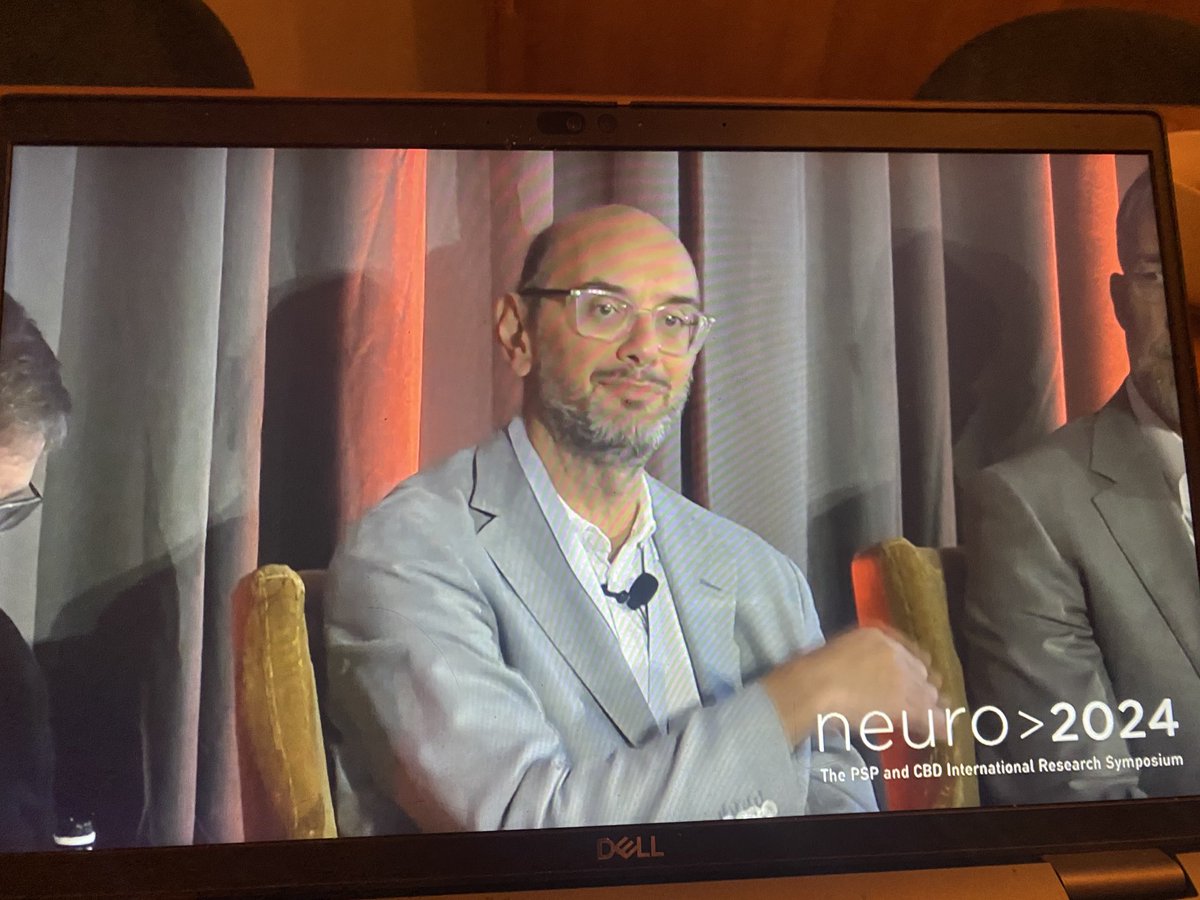
Great to see @mrccbu and @CambridgeFTD ‘s old friend Luca Passamonti discussing biomarkers in support of therapeutics at #Neuro2024 @CurePSP - now at the “other Cambridge”
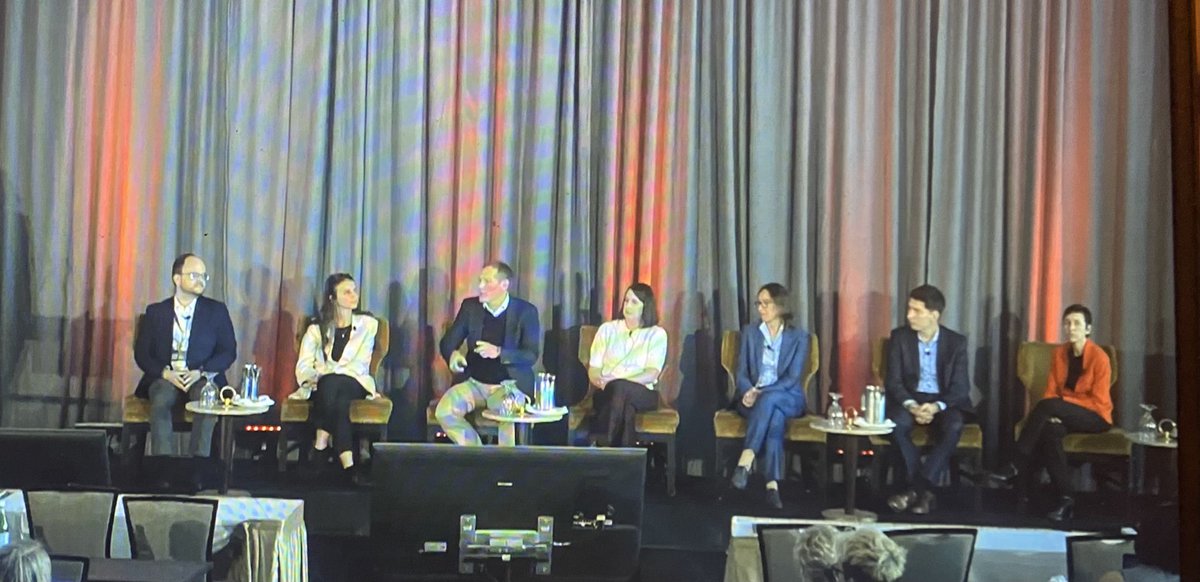
@CurePSP NEURO2024 underway in Toronto with great sessions and panels on genetics, biomarkers, PET, and more - including @M_Malpetti discussing PET assays of inflammation and synapses
How to recognise it and why it matters
Frontotemporal Dementia with Right Anterior Temporal Predominance - consensus Recommendations of the IWG out now
https://t.co/ezqFwKLcMi
oh, and the name? answers on a postcard please
#rtvFTD#esvFTD#rightSD@AlzheimerAms#HulyaUlugut
The prefrontal cortex - it does so much that makes us who we are as people.
Inspired? puzzled? want to know more?
The @ESI_Frankfurt have published the definitive guide, to PFC in health, disease, evolution, structure, function, cognition & more
see https://t.co/poc6sUeJBf
Semantic variant primary progressive aphasia #svPPA (#SemanticDementia)
Is it genetic ?
Looks increasingly unlikely, in puzzling contrast to other forms of frontotemporal dementia
See new data from @HendersonShalom@mrccbu and @GENFI1 team
https://t.co/ufM7cHYT4X