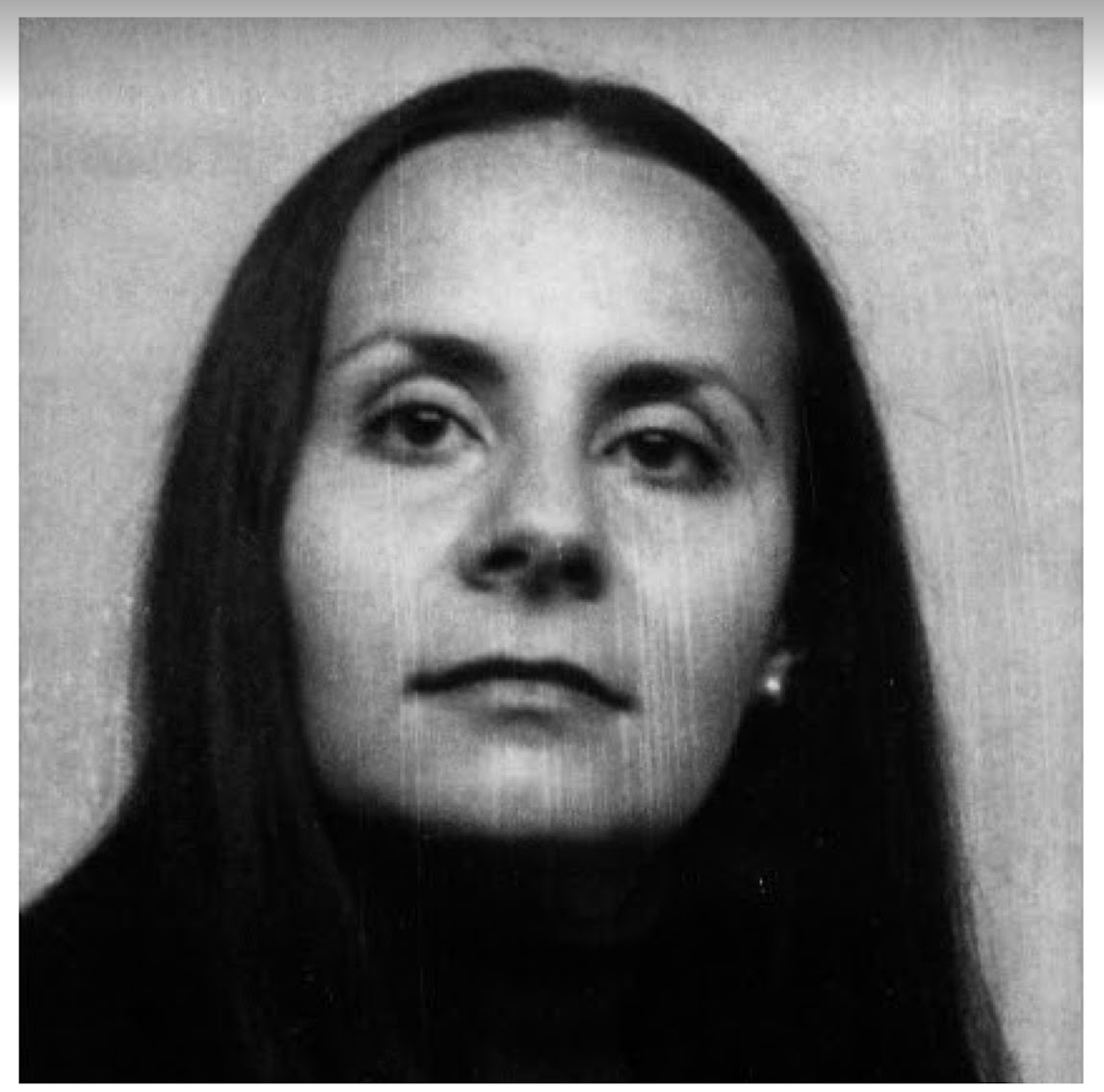
When I was 15, I learned firsthand what grit truly looks like.
It was 1990. My mother was 42 and two years into a confirmed Multiple Sclerosis diagnosis—a condition she had suspected since her twenties.
She was a dynamic middle school French teacher, beloved by her students. Her South African accent captivated them whenever she snuck in a few sentences in English. She had a way of lighting up any room.
My mother's passion for French took her from South Africa to Paris as a teenager, where she studied at the Sorbonne. Though English was her native tongue, she also spoke Afrikaans and Hebrew.
Fast forward to 1990: she was teaching at a private school in the NY suburbs, but the public schools offered better salaries (is this still true?). My mother wanted a position in the local public school system. However, the demand for French was dwindling, with Spanish on the rise. She couldn't get a public school teaching job.
So, she took a bold risk. She left her job and took a year off to get certified as a Spanish teacher. Only a year? How would that work? Despite not speaking Spanish, her strong foundation in romance languages gave her the confidence to learn quickly.
What she did next was remarkable. She went to the local community college and declared she wanted to take Intro and Spanish 101 simultaneously. The registrar said it was impossible—Intro was a prerequisite for 101.
"How about I register for Intro and audit Spanish 101?" she proposed. "If I pass both, you give me credit for both." They agreed.
She aced both classes.
That summer, she immersed herself in Spanish literature and Telenovelas. She used a Spanish-English dictionary and even a French-Spanish dictionary, finding it easier to map French to Spanish than English to Spanish. This detail still amazes me.
She repeated her (now precedented) request for Spanish 201 and 301 and aced them both, earning all the credits needed for Spanish Teacher Certification in one year. This landed her a job, eventually tenured, teaching both French and Spanish at the local public school.
My mother passed away from complications of Multiple Sclerosis three years ago. Her determination and resilience continue to inspire me.
Where did she get this incredible determination? Her father, my grandfather, immigrated from Lithuania to South Africa at age 14. He worked in a furniture factory, saving half of his weekly salary for English lessons. Through sheer hard work and perseverance, he eventually owned the factory.
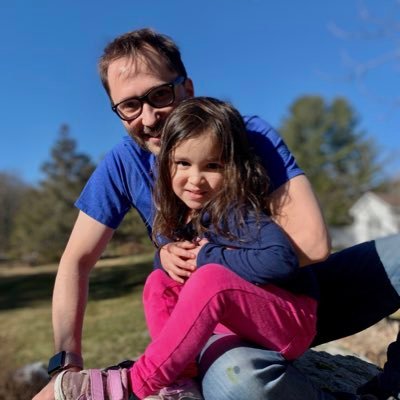
As a young child witnessing her perseverance, I witnessed the true meaning of grit. Now, as I steer @WellPrept from idea into existence, and now help it expand... I frequently reflect on her tenacity. Every day, I try to embody her ability to tackle challenges head-on and her unwavering belief in herself.
I think you can see it in her eyes in the photo.
"GG1 shares molecular features with higher grade cancer, we must call it cancer"
"Great point, let's look into it"
Every one also present in benign and pre cancers, fairly certain we shouldn't call those cancers
QED to that counterargument
https://t.co/PDSxwScNJM
@TylerSbrt@OpenMedicineHQ If the goal is to create an algorithm reflective of current practice, AS for all non crib GG2... we're not there yet. I agree maybe we should be. Maybe.
But if this particular flow chart becomes "Tyler's opinion" how generalizable is it?
love the conversation, genuinely.
@TylerSbrt@OpenMedicineHQ Most urologists would use 20% as a rule of thumb (AFAIK), but of course actual mm of pattern 4 is more important than % because % doesnt account for small core length in a fragmented core.
40% is so close to GG3 I’d be very reluctant to use that as a rule of thumb
I think to go back 20 years to protect and use that q3 month instead of the more updated considerations from NCCN … could cause too much patient anxiety and limiting anxiety on active surveillance is very important.
I realize this is opinion rather than strong evidence, but there’s no way that checking PSA every three months is important
Very logical
It's not like we castrate eugonadal men on active surveillance for prostate cancer, so how dangerous could we really have believed it to be?
But here's the evidence for all you non believers.