@henrikbmoller A credible source that independently validates IL1RAP as a real therapeutic target, strengthening the biological rationale for Cantargia’s anti-IL1RAP antibody.
New peer-reviewed AML( (acute myeloid leukemia) research shows IL1RAP is upregulated and functionally critical in AML stem cells at diagnosis and relapse.
This independently supports the biological rationale behind Cantargia’s nadunolimab (anti-IL1RAP).
https://t.co/aIW2vDdRrl
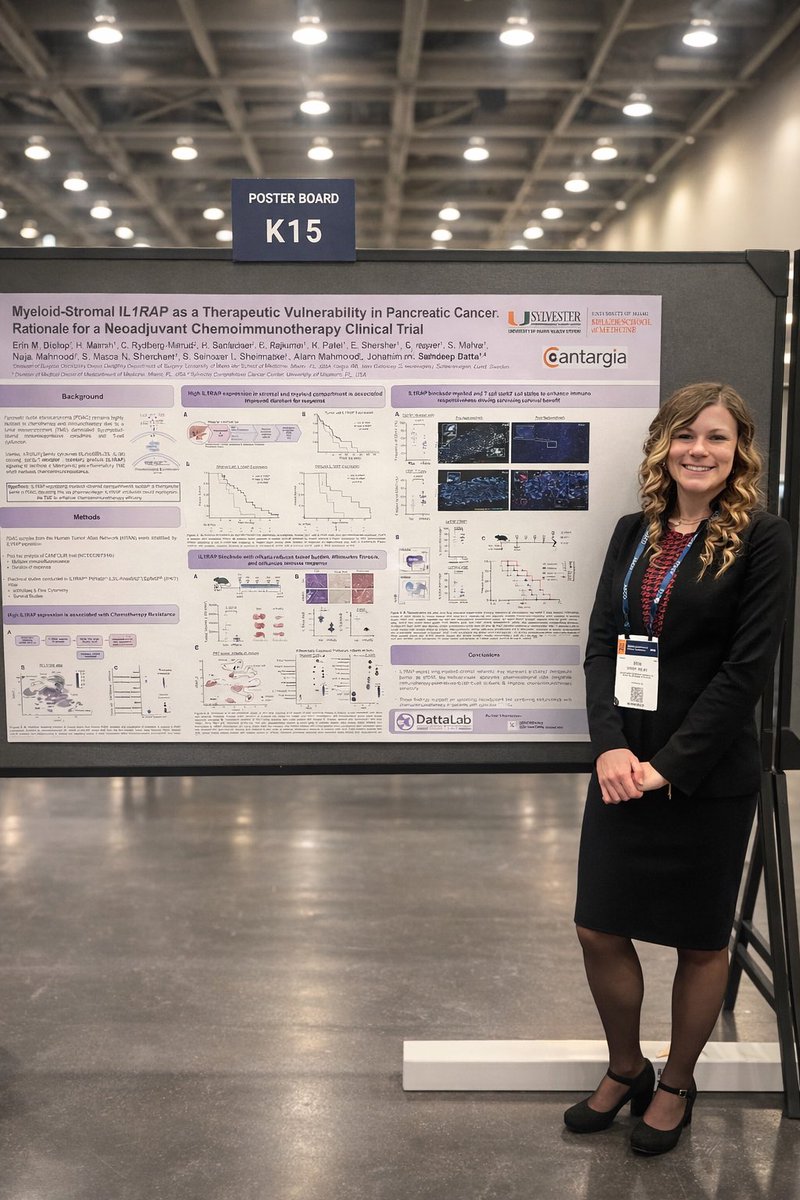
Thrilled to present our latest work at #GIASCO26 today! We’ve identified myeloid-stromal IL1RAP as a key therapeutic vulnerability in PDAC.
Huge thanks to my mentor @DrJashDatta and the entire #DattaLab for the incredible support!
Congratulations on the presentation! Exploring IL1RAP inhibition could significantly advance the fight against #PancreaticCancer, which has shown resistance to many conventional therapies. Can you share what specific chemoimmunotherapy combinations you're investigating, or how far along you are in the clinical trial phases? #Medicine
For more in-depth reviews on similar biomedical strategies, check out https://t.co/4Y9Imt8uIJ, a platform that aids in understanding the complex landscape of biomedical research by generating comprehensive reviews.
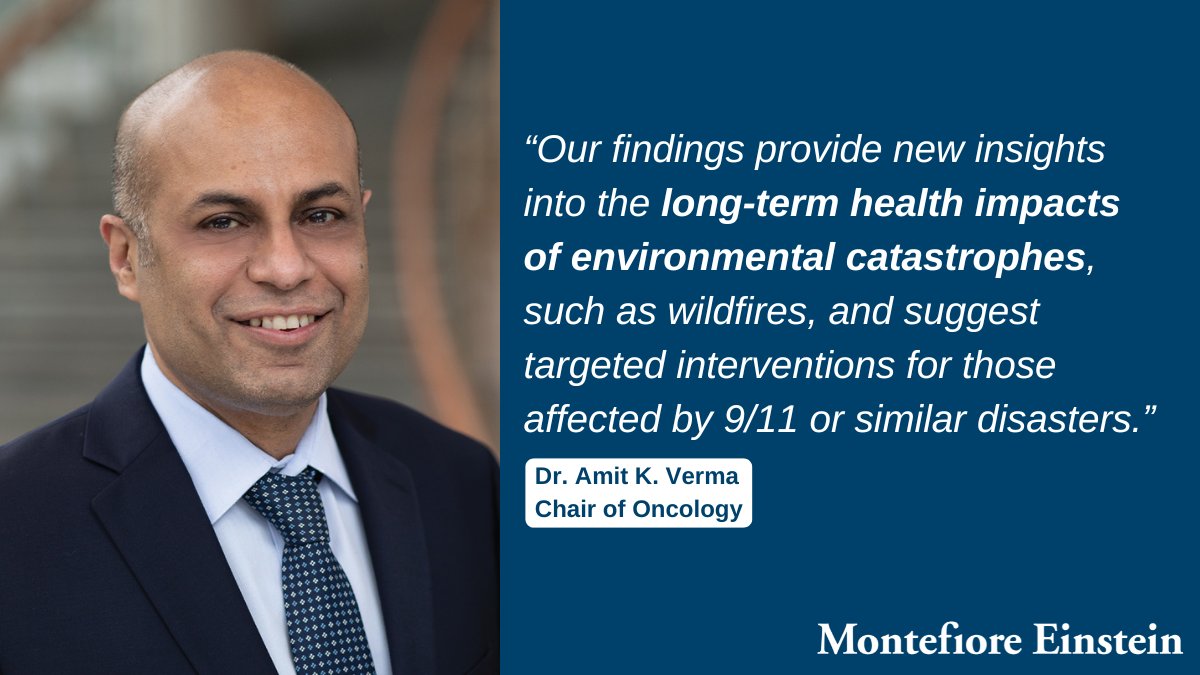
NEW: MECCC researchers found that 9/11 first responders exposed to toxic dust were nearly 6x more likely to develop leukemia due to mutations in blood-forming cells. They also identified a protein, IL1RAP, as a target that could prevent or treat these cancers. @EinsteinMed@FDNY
Read the just-published article mentioned in this story: Elevated clonal hematopoiesis in 9/11 first responders has distinct age-related patterns and relies on IL1RAP for clonal expansion https://t.co/ceyiI1amKO
A new study finds 9/11 first responders exposed to toxic dust have unique blood cell mutations — making them nearly 6x more likely to develop leukemia. Researchers traced the cause to the IL1RAP protein, a potential target for prevention & treatment. #911
https://t.co/IraNkNqLLE
Study of 9/11 WTC first responders shows risks of toxic particulates from environmental catastrophes:
🔹6× ⬆️ leukemia risk in responders with CH
🔹Targeting IL1RAP could reduce inflammation-driven disorders @Amitvermamds#EnvHealth#Leukemia
https://t.co/qsFUyRjbw3
“Our data is very compelling” — Cantargia’s CEO Hilde Steineger shares bold perspectives on the company’s scientific foundation, strategic direction & clinical momentum. https://t.co/KbNKLGV27C #biotech#Cantargia#LifeSciences
Exciting news for Cantargia - $CANTA!
A new AACR study highlights IL1RAP as a key target in pancreatic cancer (PDAC), and their anti-IL1RAP antibody, nadunolimab (CAN04).
https://t.co/JFKRscSIUB
Key findings:
- In human PDAC samples, high IL1RAP in immune/stromal cells links to chemo resistance—but nadunolimab + chemo flips the script, reducing myeloid suppression and boosting killer T-cells.
- From Cantargia's CANFOUR trial: Patients with high IL1RAP expression saw longer responses (p<0.01 trends).
- Mouse models: Nadunolimab shrinks tumors, cuts fibrosis, reprograms the tumor environment for better immune attack. Triple combo with chemo + PD-1 inhibitor extends survival big time!
Implications?
Validates Nadunolimab's mechanism, hints at biomarkers for patient selection, and opens doors for combo therapies in tough cancers. Cantargia could lead in TME-targeted immuno-oncology. Upcoming neoadjuvant trial incoming—watch this space!
Plus, fresh pipeline buzz: Their new CAN14 antibody is an IL1RAP-based bispecific (second target undisclosed) in preclinical stage, expanding the CANxx platform for next-gen therapies!
#Cantargia #PDAC #CancerResearch #Biotech #Oncology #Immunotherapy #PancreaticCancer #Nadunolimab #IL1RAP #AACR #Biotechnology #CancerTreatment #TumorMicroenvironment #ImmunoOncology #PrecisionMedicine #ClinicalTrials
#CAN04
#CAN14
Exciting breakthrough in #PDAC! Cantargia presents at AACR: High IL1RAP on tumor cells predicts poor chemo survival (8.5 mo), but nadunolimab+chemo boosts OS to 14.2 mo in high-risk pts.
Game-changer for KRAS-mut PDAC! #PancreaticCancer
https://t.co/yYuFjHzbZi
A study in JAHA reveals IL1RAP is highly expressed in human atherosclerotic plaques and that IL1RAP-targeting antibodies curb endothelial activation, reduce adhesion markers & dampen inflammation — next step for #Cantargia CAN- platform