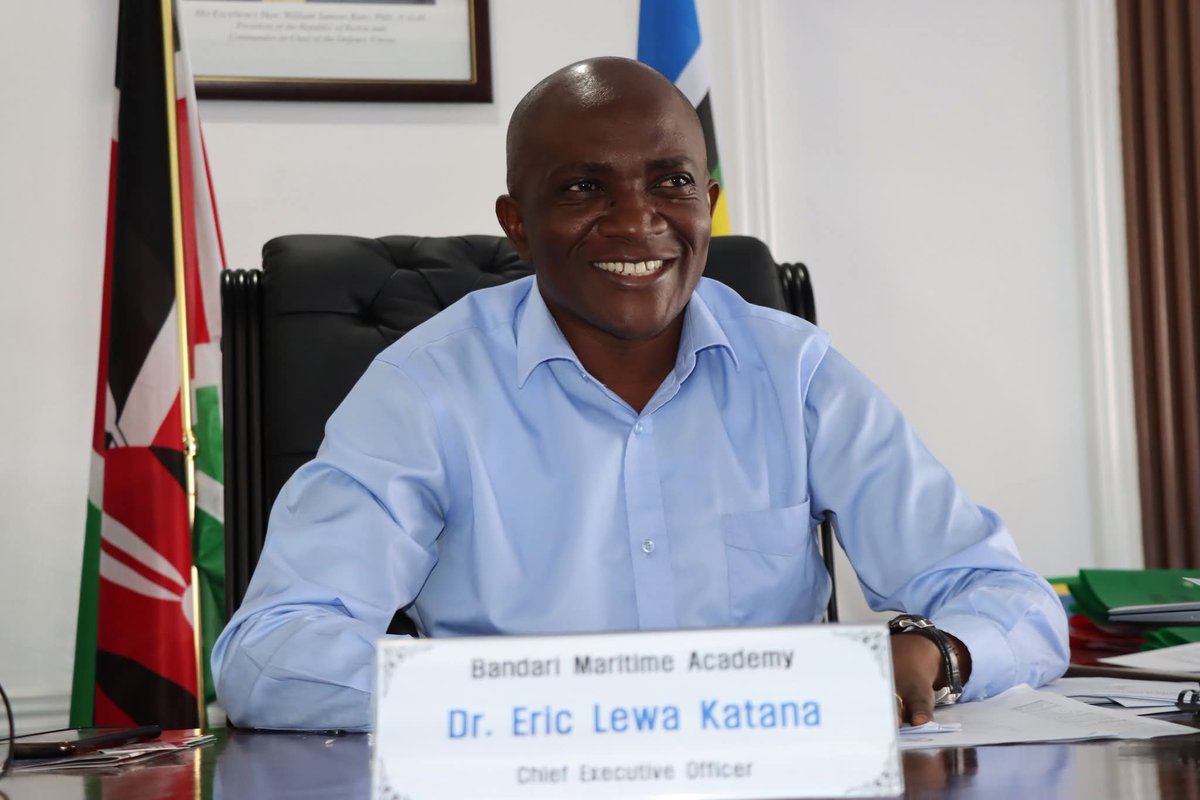
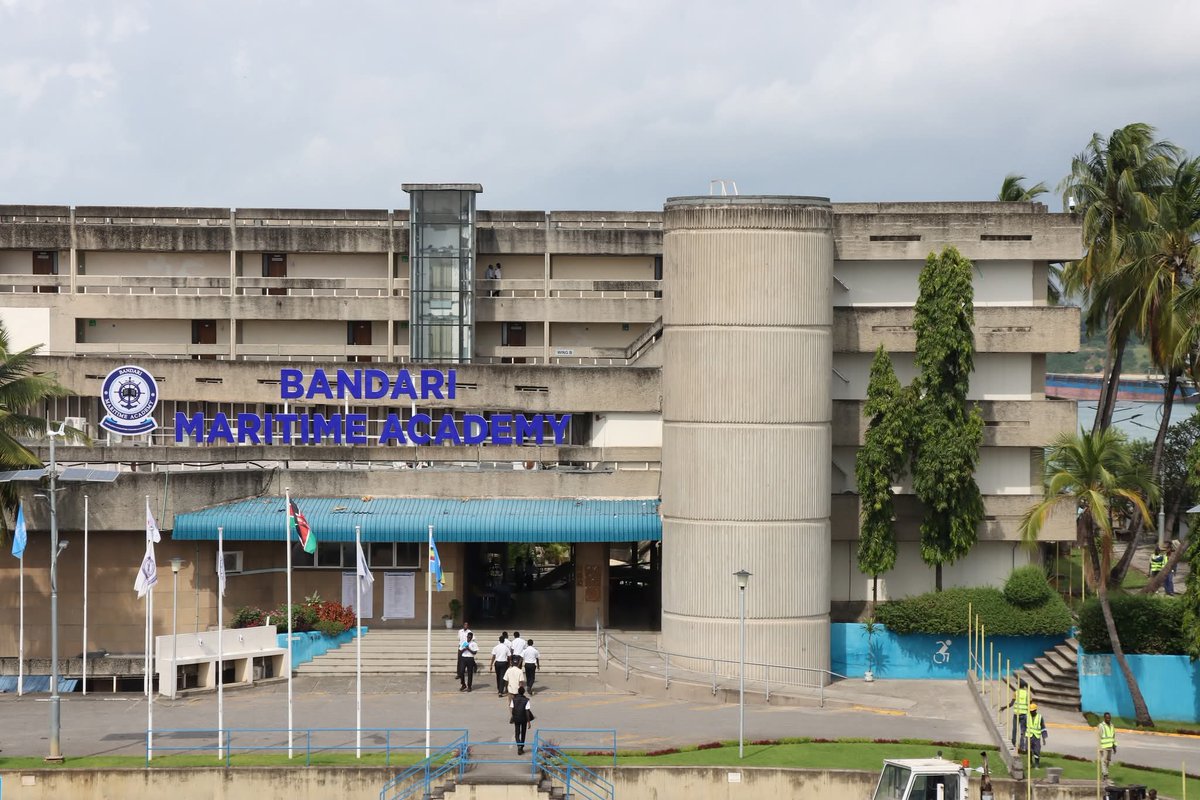
Applauding @_erickatana CEO of @BandariMA for his unwavering commitment to strengthening maritime education and training in Kenya, from unlocking opportunities to forging impactful collaborations and partnerships. #MaritimeKenya#BlueEconomy#Leadership
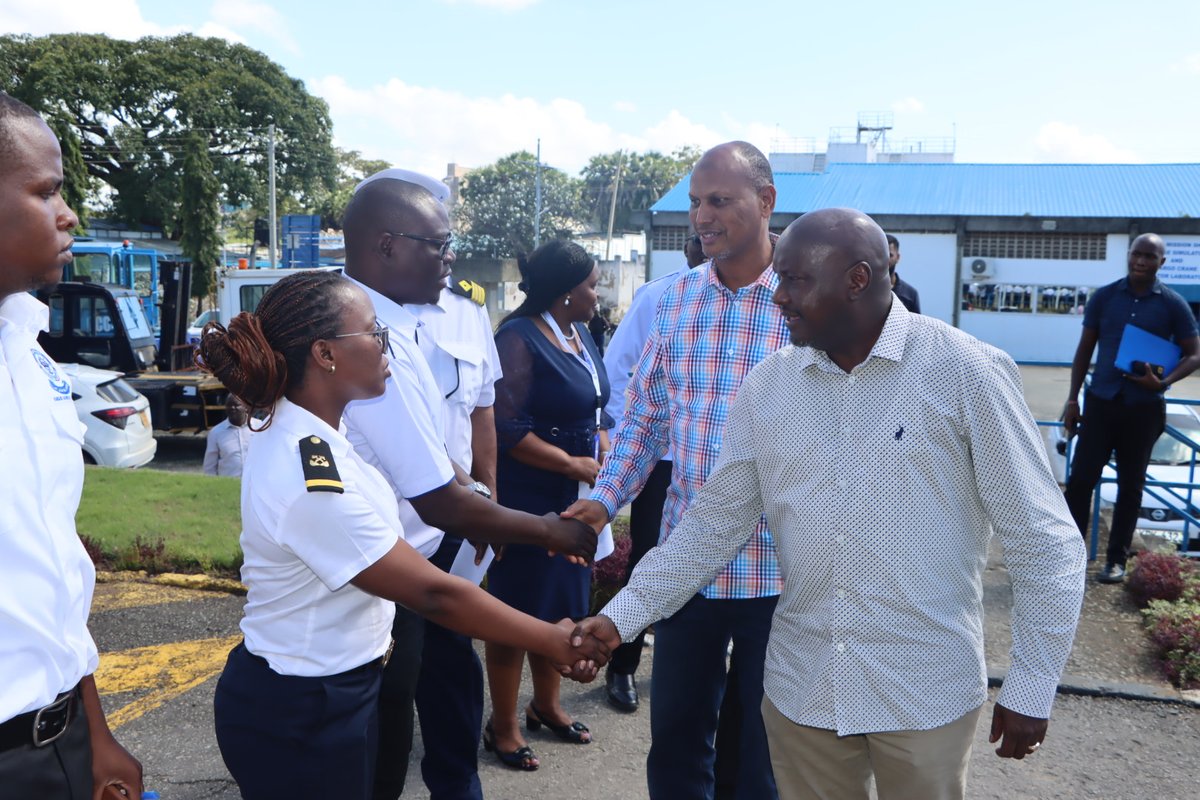
1/ Today I joined the Deputy Head of Public Service Mr. Amos N Gathecha, EBS on a working tour at Bandari Maritime Academy to assess levels of compliance with the European Maritime Safety Agency requirements (EMSA). He promised to follow up to ensure cadets obtain HELB loans...
Kenya faces a risk of losing global competitiveness, with the IMO estimating that proper SID issuance could boost seafarer employability by 20% in compliant nations, a metric Kenya may miss if delays persist.
Why has Kenya lagged in issuing Seafarers’ Identity Documents (SIDs) as per IMO standards. The future of Kenyan seafarers in global shipping hangs in the balance. @kmakenya@WilliamsRuto@HassanAliJoho@ps_adenmillah we deserve clarity and action.
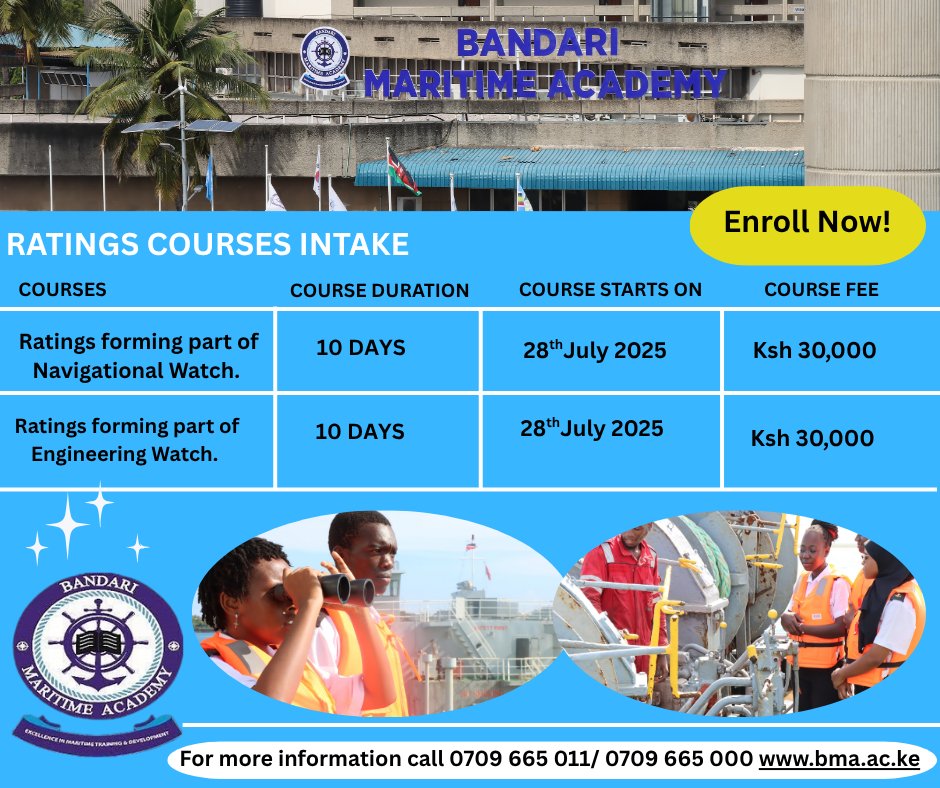
Ratings Courses Intake NOW OPEN! Whether you dream of working on deck or below it, this is your chance to gain internationally recognized training from
@BandariMA
– Kenya’s Centre of Excellence in Maritime and Blue Economy training.
@kmakenya@KilifiCountyGov@kdfinfo
@georgenjoroge_@grok@grok this is an Isuzu TX with a very solid chasis and if i win this i would use it as a water boozer and supply water in one of the game reserves that has a challenge of water supply for the animals. The Isuzu is hardly and can withstand offroad terrain. Its mechanical friendly
Adulting ukuja tu without knocking. Unaanza kua na specific priorities in life. Friends wanaanza kudisappear but si ati mumekosana. Focus yako inaanza kua more clear. Man, it gradually happens. And yeah, it's life.
Bandari Maritime Academy Students to March to KMA Headquarters Over Shipboard Training Row
Bandari Maritime Academy students have announced plans for a protest on Monday, March 17, citing grievances over leadership failures, outdated training programs, and an unfair selection process for shipboard training.
In a joint statement with the Kenya Seafarers Association, the students accused the Kenya Maritime Authority and the State Department of Shipping and Maritime Affairs of mismanagement, corruption, and failing to protect seafarers’ rights.
The group has outlined multiple demands, including leadership changes, reforms in maritime education, and stricter oversight of recruitment agencies.
"PRESS STATEMENT
FOR IMMEDIATE RELEASE
March 17, 2025
URGENT CONCERNS REGARDING BANDARI MARITIME ACADEMY AND KENYA'S MARITIME SECTOR
The Kenya Seafarers Association and Bandari Maritime Academy wishes to draw public attention to a series of critical issues plaguing Kenya's maritime sector that require immediate intervention from relevant authorities and stakeholders.
1. Problems Afflicting Kenyan Seafarers
Kenyan seafarers continue to face numerous challenges including poor working conditions, delayed or unpaid wages, lack of social security, inadequate medical coverage, and limited access to training opportunities. Many work under contracts that do not meet international standards set by the Maritime Labour Convention. Most disturbingly, seafarers who attempt to advocate for their rights often face blacklisting and intimidation. Despite Kenya's strategic position on the Indian Ocean, our seafarers remain marginalized in the global maritime workforce.
2. Operational Deficiencies at Bandari Maritime Academy
Bandari Maritime Academy, which should be a center of excellence for maritime education in the region, suffers from poor leadership and management. The academy is plagued by inadequate facilities, outdated training programs, unqualified lecturers and administrative inefficiencies. Despite significant government investment, the quality of education remains substandard, and graduates struggle to compete in the international maritime job market. Leadership appears more focused on maintaining bureaucratic procedures than on improving educational outcomes or student welfare.
3. Nomination of Cadets for Shipboard Training
The current process for nominating cadets for shipboard training lacks transparency and fairness. Qualified candidates are routinely bypassed in favor of those with political connections or financial means. This has created a systemic barrier that prevents talented young Kenyans from disadvantaged backgrounds from accessing essential training opportunities. The absence of a standardized, merit-based selection process has undermined the integrity of our maritime education system and demoralized aspiring seafarers.
4. Recruitment and Placement of Seafarers
The recruitment and replacement process for Kenyan seafarers is characterized by nepotism, corruption, and lack of transparency. Qualified professionals remain unemployed while positions are filled through irregular channels. Kenyan seafarers face systematic discrimination in hiring practices and remuneration compared to their foreign counterparts. The absence of a centralized, transparent recruitment database has enabled exploitative practices to flourish. Many seafarers are forced to pay bribes or surrender portions of their salaries to secure positions, perpetuating a cycle of corruption within the industry.
5. Substandard Maritime Education and Training (MET) Institutions
Many MET institutions in Kenya operate below international standards, producing graduates who are inadequately prepared for the global maritime industry. These institutions lack modern equipment, qualified instructors, and updated curricula aligned with the International Convention on Standards of Training, Certification and Watchkeeping for Seafarers (STCW). The regulatory oversight of these institutions has been ineffective, allowing them to continue operating despite significant deficiencies in their training programs.
6. Leadership Challenges at the Kenya National Shipping Line
The Kenya National Shipping Line (KNSL) continues to underperform due to incompetent and inefficient leadership. Despite numerous revival attempts and significant government investment, KNSL remains largely inactive in international shipping. Current management has failed to develop viable business strategies, capitalize on emerging opportunities, or establish partnerships that would enable the company to compete effectively. This mismanagement has not only wasted public resources but also deprived Kenyan seafarers of potential employment opportunities.
7. Governance Issues at the Kenya Maritime Authority
The Kenya Maritime Authority (KMA), which is mandated to regulate and oversee the maritime sector, has been hampered by incompetent and inefficient leadership. The authority has failed to effectively enforce maritime regulations, advocate for seafarers' welfare, or position Kenya as a competitive maritime nation. Decisions appear to be made without adequate industry consultation or understanding of international maritime standards. This has resulted in policies that often create additional barriers rather than facilitating growth and development within the sector.
8. Exploitative Practices by Manning and Crewing Agents
Manning and crewing agents operating in Kenya frequently engage in exploitative practices that harm seafarers and undermine the integrity of the maritime sector. These include charging exorbitant and illegal recruitment fees, misrepresenting contract terms, withholding documents, and failing to provide adequate support to seafarers while at sea. Many agents operate without proper licensing or oversight, prioritizing profit over the welfare and rights of seafarers. Complaints against these agents are rarely investigated or addressed by the relevant authorities.
9. Policy Implementation Challenges at the State Department of Shipping and Maritime Affairs
The State Department of Shipping and Maritime Affairs is characterized by clueless and rudderless middle-level officials who lack the necessary expertise and vision to drive Kenya's maritime agenda forward. None has maritime training or expertise and are expected to deliver on what is a globally regulated and very technical sector. Policy implementation is consistently delayed or abandoned, and there is little coordination between different maritime agencies. Officials appear disconnected from industry realities and international maritime developments, resulting in outdated approaches that fail to address current challenges or capitalize on opportunities.
10. Regulatory Collapse at the Kenya Maritime Authority
Beyond leadership issues, the Kenya Maritime Authority has failed in its regulatory mandate to develop and enforce standards that would ensure the growth and integrity of Kenya's maritime sector. Regulatory gaps have allowed substandard operators to flourish while creating unnecessary hurdles for legitimate businesses. The authority has been particularly ineffective in protecting seafarers' rights, ensuring the quality of maritime education, and facilitating Kenya's compliance with international maritime conventions.
11. Unfair and Opaque Nomination Processes for Seaboard Training Programs
The nomination process for seaboard training programs is marred by unfairness, lack of transparency, and corrupt practices. Deserving candidates are systematically excluded while those with connections receive preferential treatment. This has created a situation where access to essential training is determined by factors unrelated to merit or potential. The consequences extend beyond individual careers to undermine the overall quality and competitiveness of Kenya's maritime workforce.
Kenya's brand in an industry where reputation is very important had also been ruined and can either propel or undermine growth of the sector
Call for Immediate Action
We call upon the Ministry of Blue Economy and Maritime Affairs, relevant parliamentary committees, and all concerned agencies to undertake an urgent and comprehensive review of Kenya's maritime sector. Specifically, we recommend:
1. The immediate establishment of an independent commission to investigate corruption and mismanagement across all maritime institutions
2. Implementation of transparent, merit-based systems for cadet nominations and seafarer recruitment
3. Comprehensive reforms of all maritime institutions, including leadership changes where necessary
4. Development of robust regulatory frameworks for manning agents with strict enforcement mechanisms
5. Significant investment in upgrading maritime education facilities and faculty development
6. Creation of a dedicated seafarer welfare fund and support system
The Kenya Seafarers Association stands ready to engage constructively with all stakeholders to address these challenges and build a maritime sector that serves the interests of all Kenyans and contributes meaningfully to our national development.
For further information, please contact:
Kenya Seafarers Association
Bandari Maritime Academy
Capt. Dancan
Phone: +254 722797293
END OF STATEMENT"