Makes a mockery of our democracy that the Taoiseach is considering a referendum on the number of Ministers but has ruled out a referendum on neutrality - because he knows they would likely lose.
Irish water do not monitor all sewage discharge overflows contrary to the urban wastewater treatment directive. I have a JR in court over it. Please sign petition asking Uisce Eireann to put live monitoring systems in place similar to UK. #DirtyBusiness
https://t.co/MAUiTcnNyk
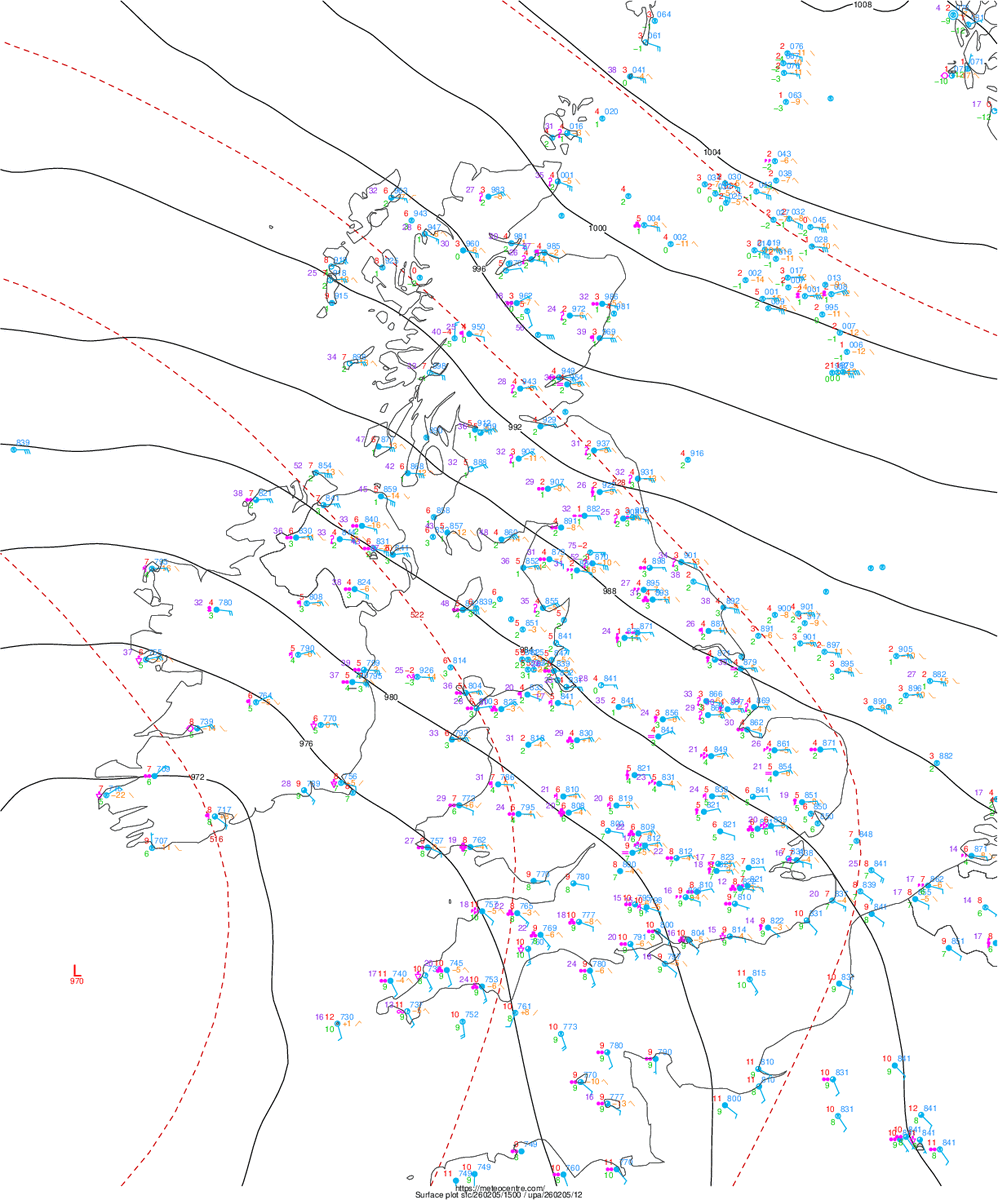
🌊The combination of Spring tide and low atmospheric pressure made local sea level abnormally high here. How?
Pressure was 980 hPa around this time. Local sea level rises 1 cm for every 1-hPa drop in pressure, so it was already around 33 cm (13") higher than standard pressure (1013 hPa) even before the significant effect of high tide and onshore easterly wind.
Previous more notable events occurred in Jan 1839, Feb 1903 (The Ulysses Storm), Dec 1954 (The Great North Strand Flood) and Feb 2002. https://t.co/TCSeivHS75
#Leonardo #Dublin #Floods
Housing can be fixed, but not with this Govt’s plan 🏠
Here are 7 policy changes that would transform housing 💡
2026 must be the year Govt feels the heat on housing 🔥
It’s time to #RaiseTheRoof ✊
Op-ed in todays @IrishMailSunday 📰👇
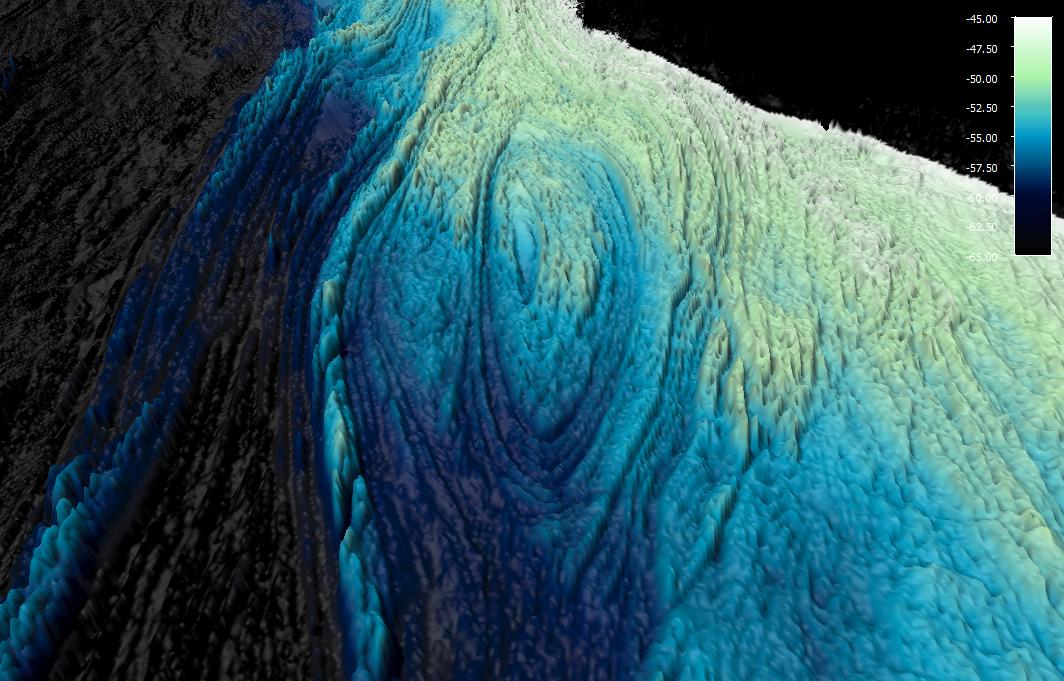
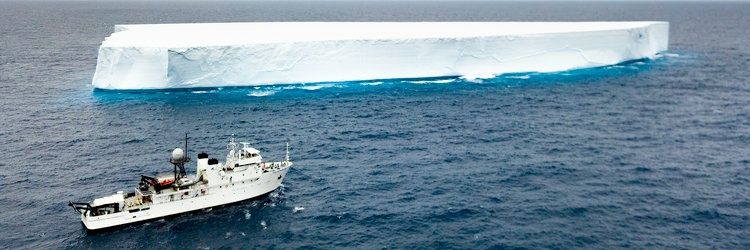
Join us tomorrow at 1400 UTC to learn more about INFOMAR, Ireland's seabed and how the various features formed!
@followtheboats@EuroGeoSurveys@GeolSurvIE
https://t.co/NjY3GSYxmv
Tomorrow, Tue 16 Dec, Irish Techie Table Quiz in the Urban Garden at Dogpatch Labs (CHQ).
Free to join. Please donate to Dublin Simon Community if you can.
Tech, general and seasonal rounds. Christmas jumpers encouraged.
Register: https://t.co/BrZ7Lgo7L0
Join us tomorrow at 1400 UTC to learn more about INFOMAR, Ireland's seabed and how the various features formed!
@followtheboats@EuroGeoSurveys@GeolSurvIE
https://t.co/NjY3GSYxmv
Why is there no permanent link across the Irish Sea connecting Ireland with England, Wales or Scotland? Despite more than a century and a half of proposals ranging from satirical 18th-century jokes to serious multi-billion-pound government studies, the reasons are a fascinating combination of economics and geology. And sadly, explosive historical legacies.
Serious exploration of a link began in the late 19th century as part of the Unionist movement. Engineers like Luke Livingston Macassey envisioned a rail link using a tunnel, "tubular bridge," or even a solid causeway to strengthen the commercial and political ties between the islands. In 1915, during the German U-boat blockade, a tunnel was proposed as a defensive measure, only to be dismissed by Prime Minister H. H. Asquith as "hardly practicable."
In recent years, proposals have continued, focusing on several routes. The North Channel (Galloway): The shortest route, but cursed by Beaufort's Dyke. The Irish Mail Route (Holyhead–Dublin) was a longer route at 50 miles (81 km), but shallower than the North Channel and with fewer obstructions. The Isle of Man Hub was an even less-likely scenario involving an underground roundabout beneath the Isle of Man to connect multiple points.
The first and most immediate problem is that the Irish Sea is a much trickier engineering challenge than it appears on a map, especially when compared to the English Channel. The most popular and shortest route, the North Channel between Scotland (Galloway) and Northern Ireland (Larne), is approximately 21 miles (34 km). While the overall distance is manageable, this route contains the infamous Beaufort's Dyke. This is a dramatic, sheer-sided underwater rift carved out by the northern ice cap during the last Ice Age.
It plunges to depths of up to 300 meters (1,000 feet), which is four times deeper than the Channel Tunnel's maximum depth! Worse still as we previously explored in the DTM, between the end of World War II and the late 20th century the British used this abyss as a dumping ground for high-explosive shells and chemical weapons! Any excavation or piling work to build a fixed link would risk disturbing this "graveyard of munitions," triggering an environmental and safety catastrophe. Adding to the toxic insanity, the Irish Sea bed is also home to vast amounts of low-level nuclear waste, a result of the Thatcher regime’s 'Out of sight, out of mind' disposal policies, further complicating any major construction work.
Then theres the fact that the Irish Sea is frequently battered by cyclonic storms. Powerful winds and strong currents, funnelled into the narrow gap from the Atlantic Ocean, make it too rough for a long-span bridge to be viable without massive engineering to cope with persistent, high wind speeds.
Add to that, unlike the relatively stable chalk bedrock that was perfect for tunnelling beneath the English Channel, the floor of the Irish Sea is an uneven, complicated mix of hard basalt/granite rock and soft glacial sediments. This lack of "soft rock" makes boring a tunnel significantly harder and more expensive.
Even if engineers could overcome the geological and munitions problems, the projected cost of the crossing is universally deemed "impossible to justify" from an economic standpoint.A 2021 UK government review, which examined a fixed link as part of a connectivity proposal (the "Celtic Crossing"), gave a stark estimate. £335 billion for a bridge and £209 billion for a tunnel, dwarfing the original estimates of £20 billion and even the final price of the Channel Tunnel.
The economic reality is that the ferry and air links that already operate are sufficient. An immensely costly fixed link would connect major UK economic centres like Liverpool or Glasgow to Belfast and Dublin, but the overall traffic volume would take decades, if not centuries, to generate enough revenue to recoup the initial investment.
In 2023 Heather Humphreys owned 2 empty homes
in Cootehill, Co Cavan
4 Qs for @HeatherH
1. Are these homes still empty?
2. Did u tell Revenue & pay Vacant Homes Tax?
3. Do you pay LPT?
4. How long were homes kept empty?
#DerelictIreland#VacantIreland#Aras25