@EddieComeaux I concur with the notion that the funds supporting an on-campus police force is a waste of a monetary resource that could be used to promote a stimulating environment for minority groups. An ideal environment would include more financial aid and academic resources. #racialjustice
@veeveeand I completely agree w/you. Athletes are always told/given the “easy” majors so that they maintain eligibility to play. Rather than providing resources & encouraging them to follow their academic goals. It’s unfair to put athletics over education. @MisssNallely @rabea_qamar #ucr150
Ch.12 states that there's a greater emphasis in athletics than academic achievement.CTS as stated in lec, increase academic performance for athletes guiding them towards a quality career transition.However, Is it used in college athletics today? @rabea_qamar @MisssNallely#ucr150
@veeveeand Hi I agree w/ you, as mentioned in this week’s readings the purpose for this is to allow athletes to keep their eligibility to play and as a result they don’t get a full college education experience. This shows that athletics is more important. @rabea_qamar @MisssNallely#ucr150
The NCAA has faced several lawsuits as mentioned in the lecture video. It is shocking to see that in many lawsuits the NCAA is able to defend their case by arguing the amateur model.The NCAA is able to get away with unfair acts b/c of amateurism @rabea_qamar @MisssNallely#ucr150
@AldamaNeomi @rabea_qamar @MisssNallely I completely agree with you. Not allowing athletes who participate in football, basketball or baseball transfer isn’t ethical. As mentioned in ch.6, the reason for this is b/c they participate in revenue generating sports. It is unfair& a trap. @rabea_qamar @MisssNallely#ucr150
Ch.6 states that student-athletes who transfer must complete 1 full academic year of residence at the new institution before they are eligible to compete. The NCAA insists on this rule because they believe students need to adjust. Is this fair? @rabea_qamar @MisssNallely#ucr150
@AldamaNeomi @rabea_qamar @MisssNallely Hi,I agree concussion injuries could be risky and shouldn’t be taken lightly. Aside from not being informed, athletes do not like to speak up about these injuries b/c they are afraid they might lose their position in the team, as stated in lect. @rabea_qamar @MisssNallely#ucr150
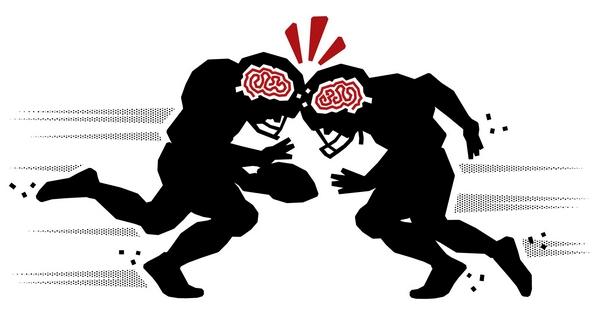
Concussions, as stated in chapter 5, cannot be treated equally because they are unique and diverse affecting athletes differently. It is important that institutions provide student-athletes their CMPs to increase concussion reporting in sports. @rabea_qamar @MisssNallely#ucr150
@btoledo50@MisssNallely @rabea_qamar Hi, I completely agree, women athletes don’t receive enough in scholarships even after representing 50% of the NCAA div.1 student body as we learned in lecture.Title IX has improved women participation but they still face issues which is unfair. @MisssNallely @rabea_qamar #ucr150
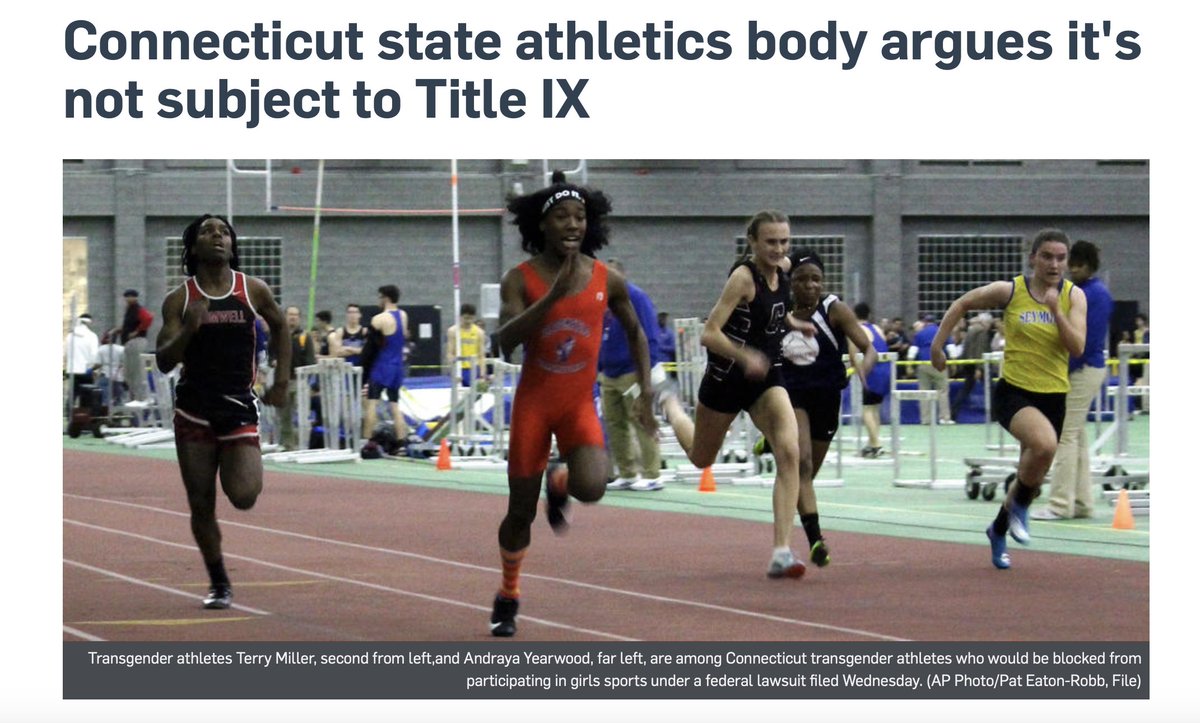
Title IX, grants equal opportunity in sports. After a lawsuit CIAC claims that they are not a federal funded org., and therefore don't pertain to Title IX; preventing 2 transgender athletes from participating in women's sports. is this fair? @rabea_qamar @MisssNallely#ucr150
@adrianakl98@MisssNallely @rabea_qamar Hi Adriana! I completely agree, student athletes do face a great disadvantage and chap.13 explains it clearly. As stated in this chapter it is clear that the focus is on improving play rather than education for these students, Completely unfair. @rabea_qamar @MisssNallely#Ucr150
One of the primary discussions made in ch.13 focuses on the deceptions among athletic scholarships. Students believe they are receiving long term support, when in reality their contract can be terminated at any time for any reason. Is this fair? @MisssNallely @rabea_qamar #UCR150
@AldamaNeomi@MisssNallely @rabea_qamar Hello,I also agree with you, it is unfair that the contributions student-athletes make to sports, brings in revenue and they aren’t given any share of it. It is because the NACAA wants them to keep their amateur status as stated in the reading. #ucr150@MisssNallely @rabea_qamar
Amateurism, as stated in lecture, is the principle stating that student athletes participate in sports to satisfy a hobby, and therefore shouldn't get paid. However, it is clear that athletes dedicate a lot of time/effort, so why not get paid? @rabea_qamar @MisssNallely#ucr150
.@DanWetzel on what the NCAA should do about amateurism.
"You don’t have to pay the college athletes… What you do is what the Olympics did & allow athletes to cash in on their name, image and likeness."
@dianajaayy@MisssNallely @rabea_qamar I think it is a good idea because given the current situation no one is at fault.However the NCAA should be more consistent with their decisions as they have decided not to grant winter sports with an extra year of eligibility, causing problems. @MisssNallely @rabea_qamar #ucr150
Students or employees? To what extent has college athletics transformed itself into a job that conducts labor? Chapter 1 briefly discusses the fine line between students assimilating into the workforce. #ucr150 @rabea_qamar @MisssNallely@helloJuJudy