NGEC IN TURKANA: COMMISSION VISITS LODWAR CHILDREN'S RESCUE CENTRE
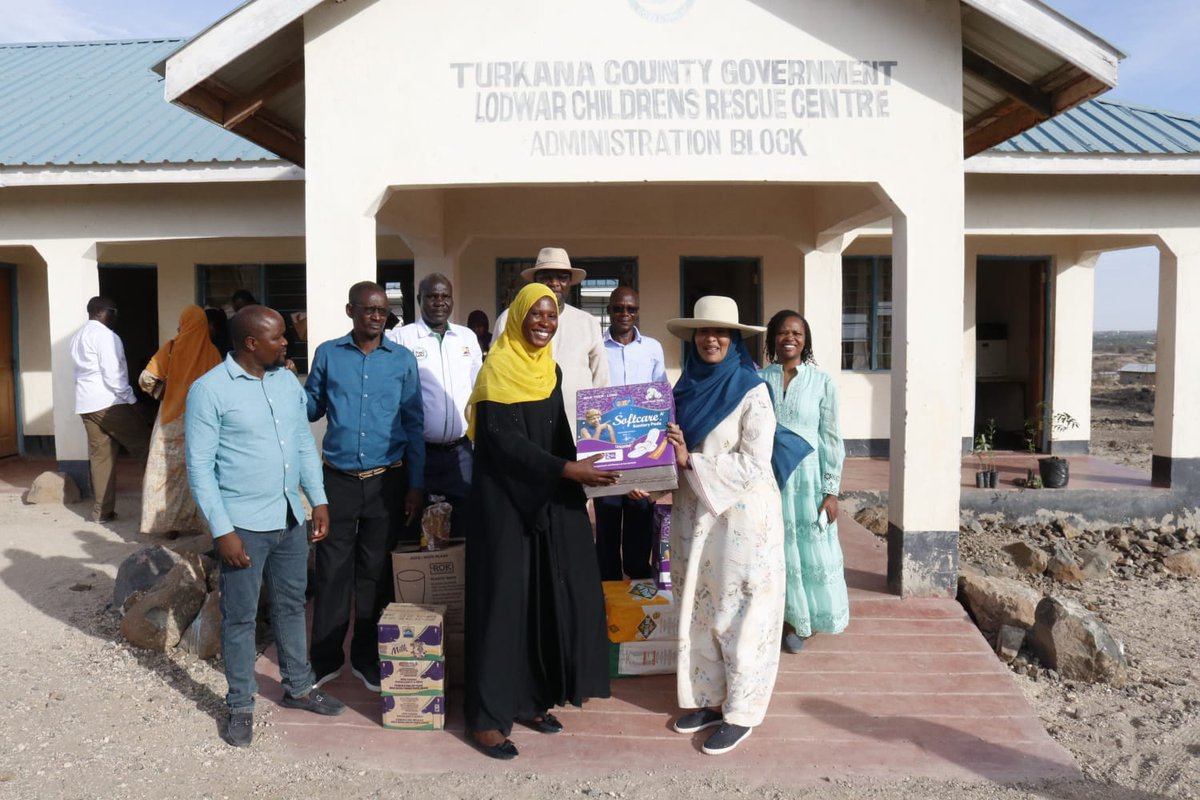
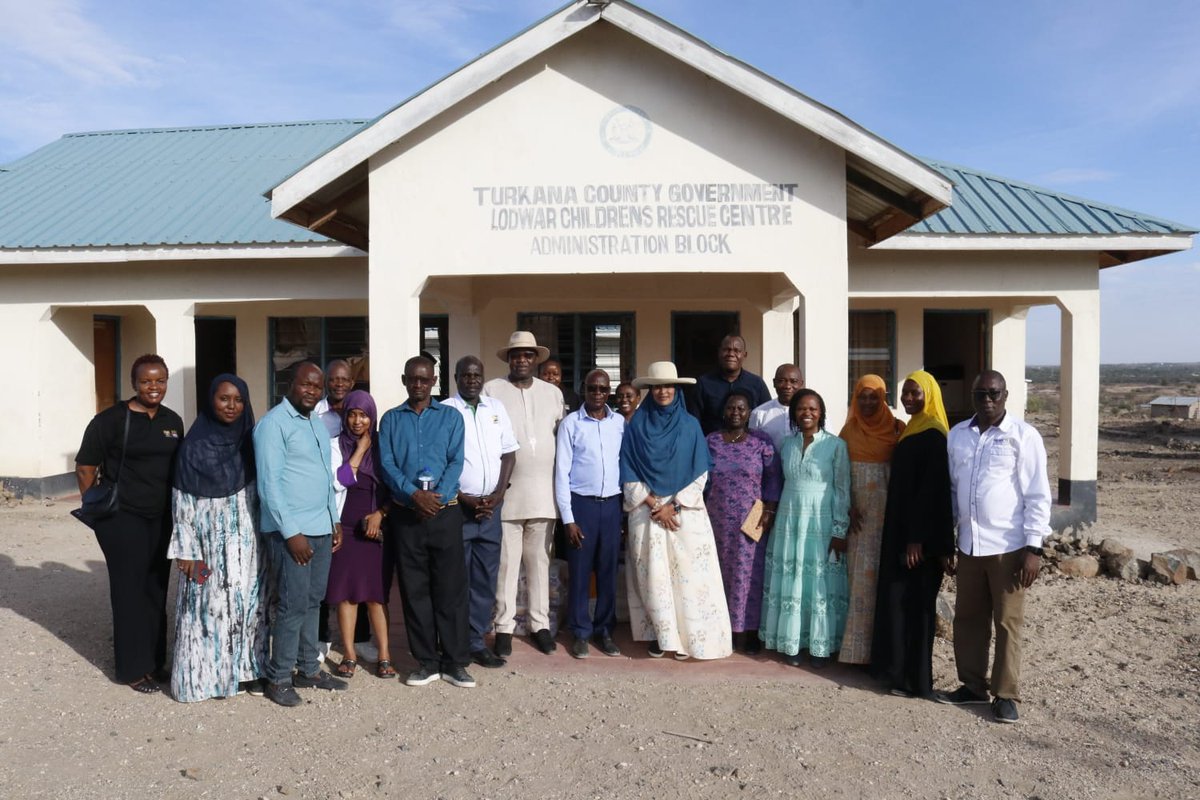
The Commission ended the first day of its Turkana mission with a visit to the Lodwar Children's Rescue Centre. The County Government of Turkana established the centre to rescue and care for orphaned children.
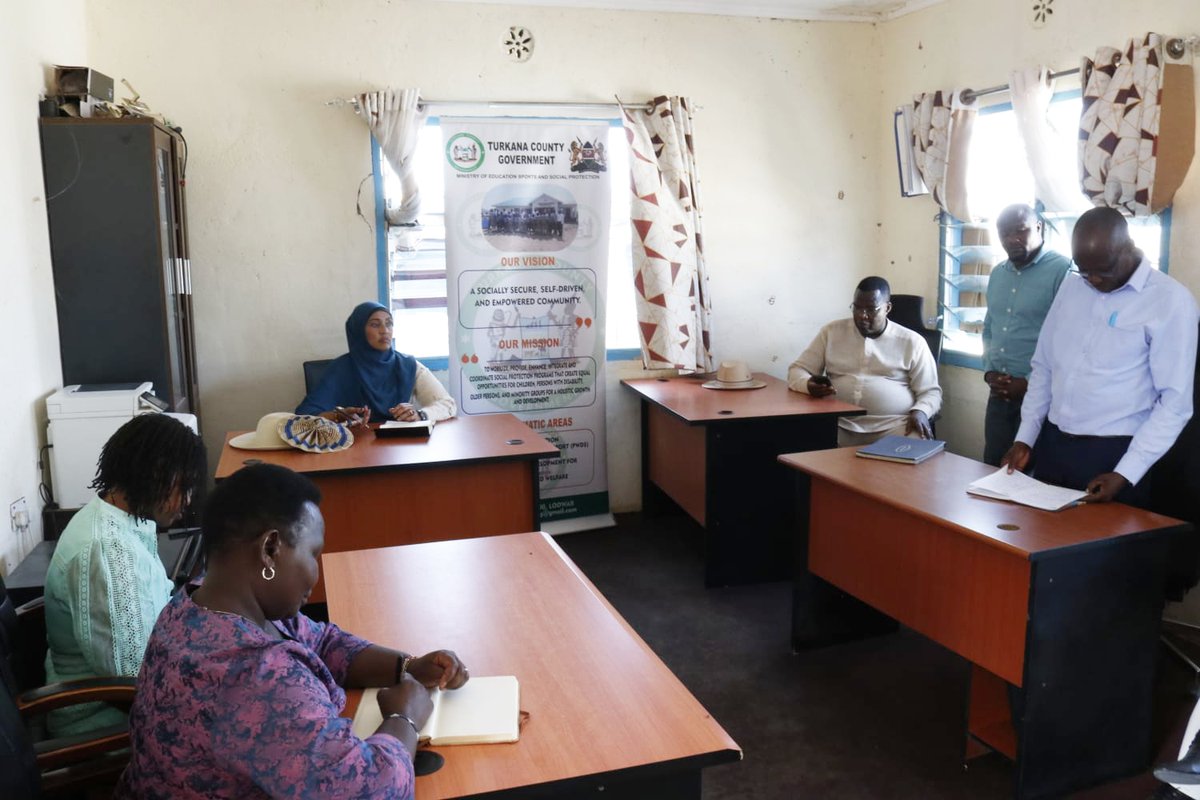
The facility's management briefed the Chairperson, Hon. Rehema Jaldesa, on the children in its care and the services the centre provides. Hon. Jaldesa commended the County Government for the initiative. She noted that it is one of very few children's rescue facilities established by a county government in Kenya.
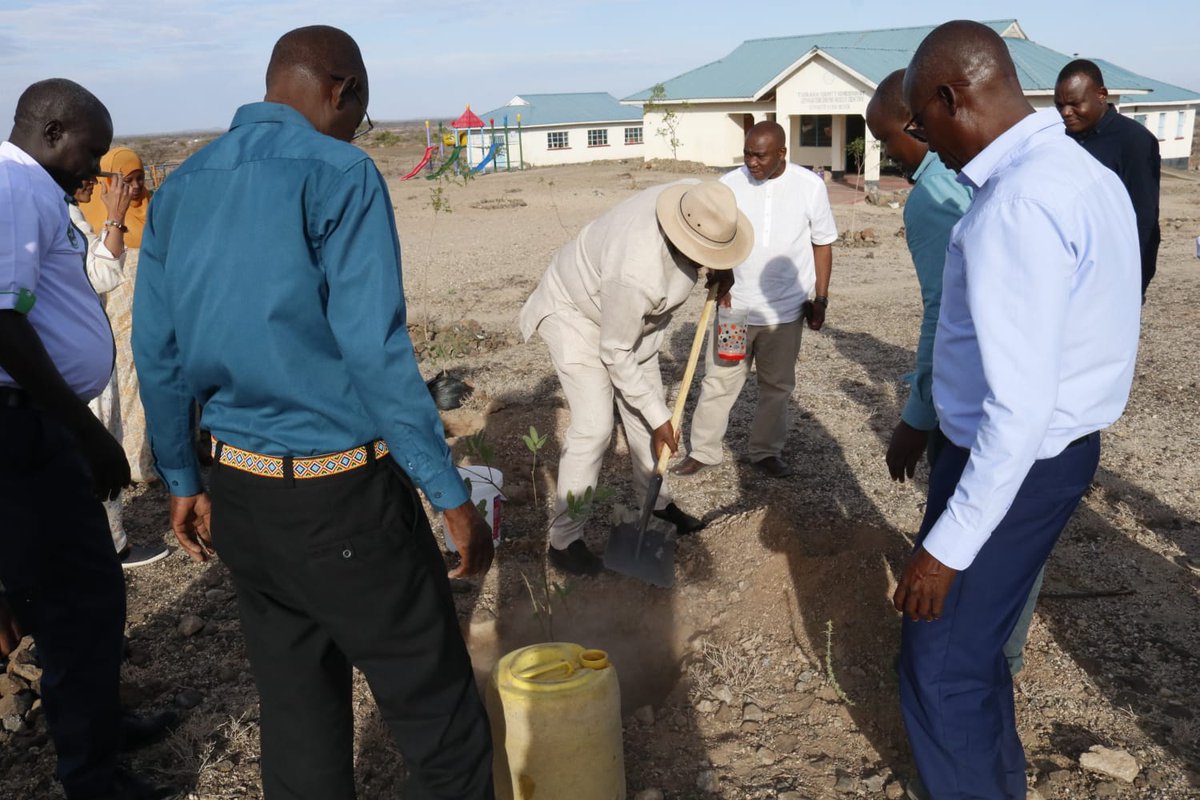
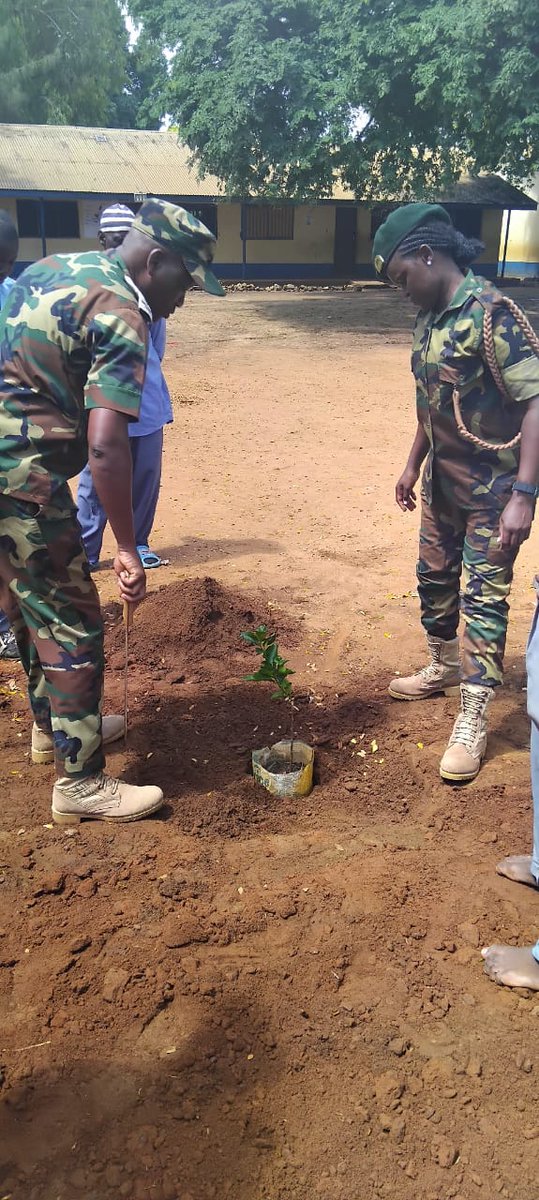
The delegation, which included Vice Chairperson Commissioner Thomas Koyier, EBS, Commissioner Caroline Lentupuru, MBS, HSC, and the Commission Secretary/CEO, Dr Purity Ngina, MBS, then joined the centre in planting trees. The Commission also donated food and non-food items to support the children's care.
#NGECinTurkana
NGEC IN TURKANA: COMMISSION MEETS COUNTY COMMISSIONER AND INSPECTS PROPOSED REGIONAL OFFICE
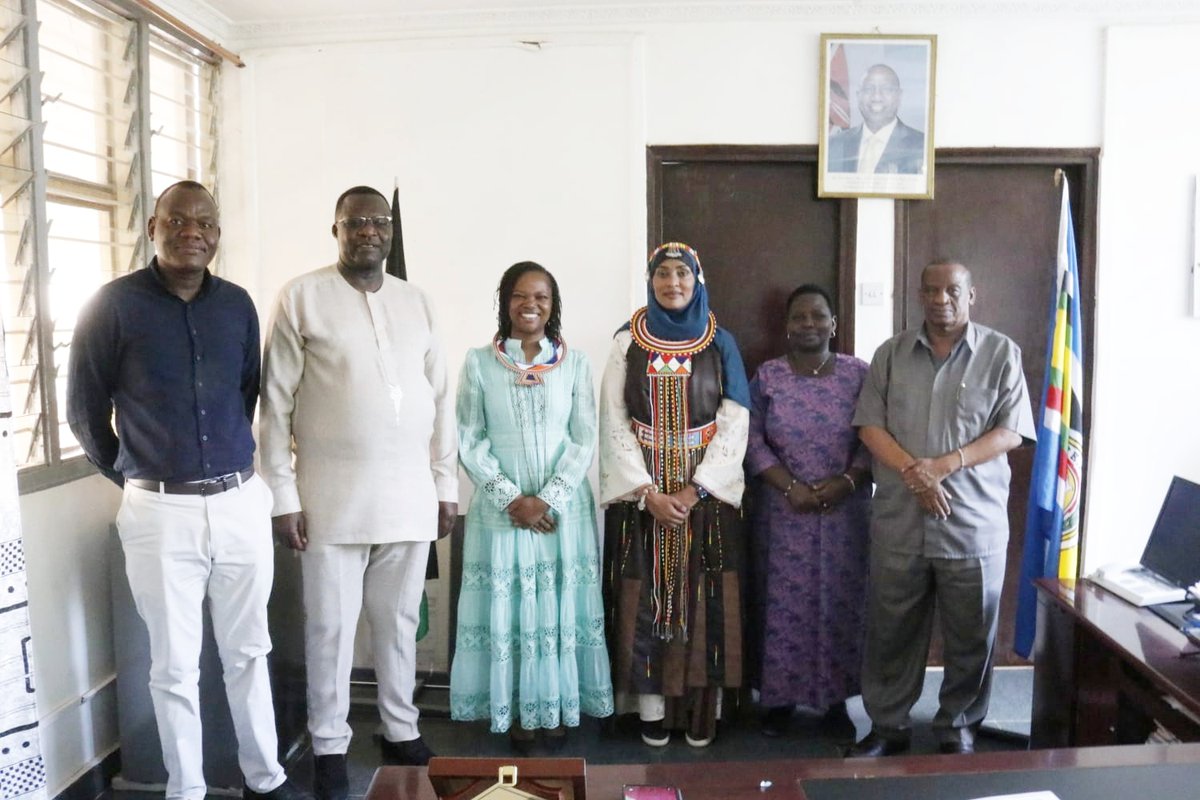
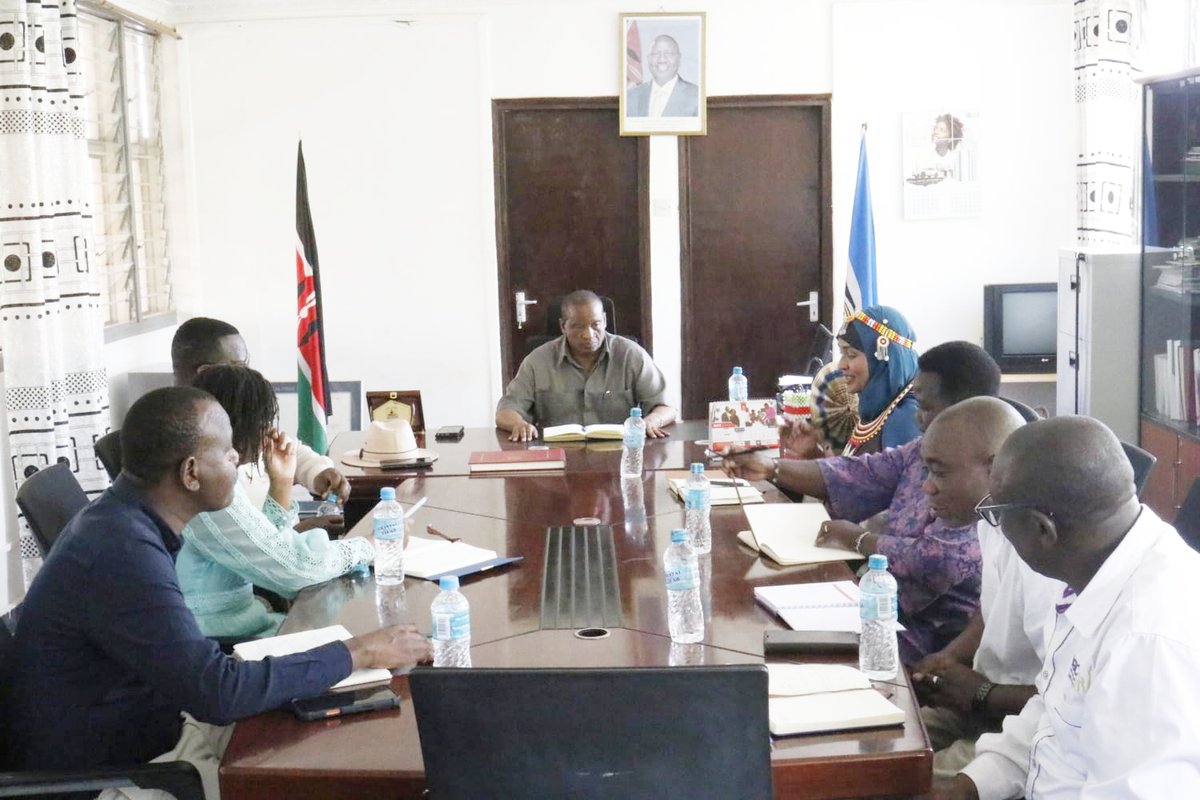
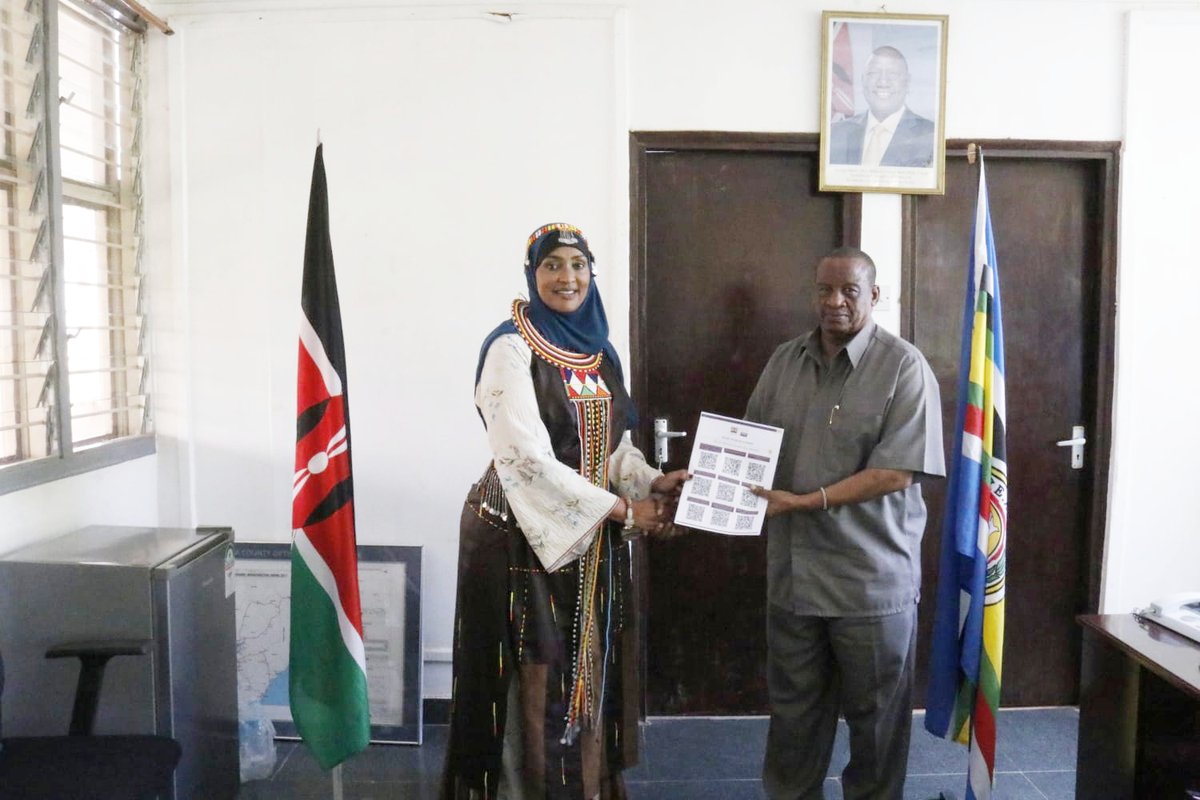
The Commission continued its mission to Turkana County with a courtesy call on the County Commissioner, Mr Julius Kavita, at his office in Lodwar. The delegation was led by the Chairperson, Hon. Rehema Jaldesa. She was accompanied by Vice Chairperson Commissioner Thomas Koyier, EBS, Commissioner Caroline Lentupuru, MBS, HSC, and the Commission Secretary/CEO, Dr Purity Ngina, MBS.
The discussions covered gender-based violence and domestic violence in the county. They also touched on the public debate over the equitable management of county resources, particularly revenue from oil.
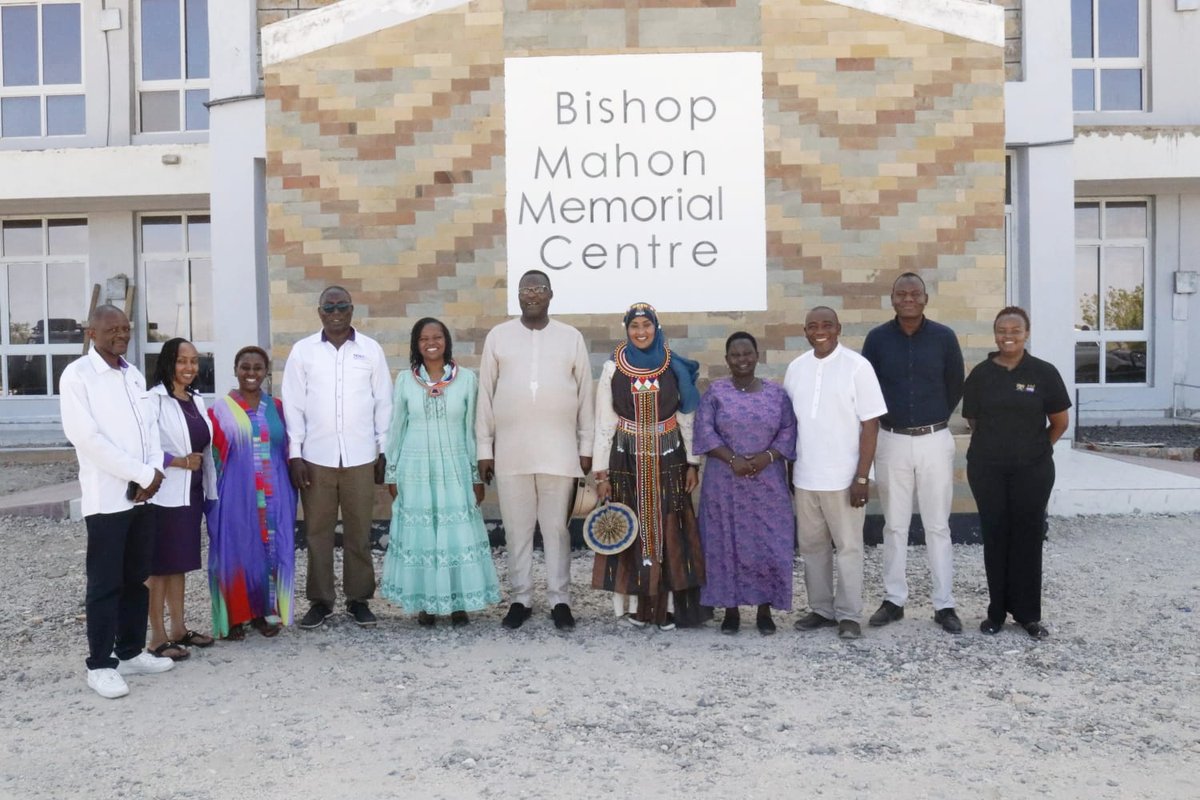
The Commission briefed the County Commissioner on the office space it has identified at the Bishop Mahon Centre, where it plans to establish its Turkana regional office. It also outlined a dedicated programme of male engagement. Under the programme, men will be given a platform and trained as champions of equality, non-discrimination and the rejection of violence.
The Commission later visited the Bishop Mahon Centre to inspect the premises.
#NGECinTurkana
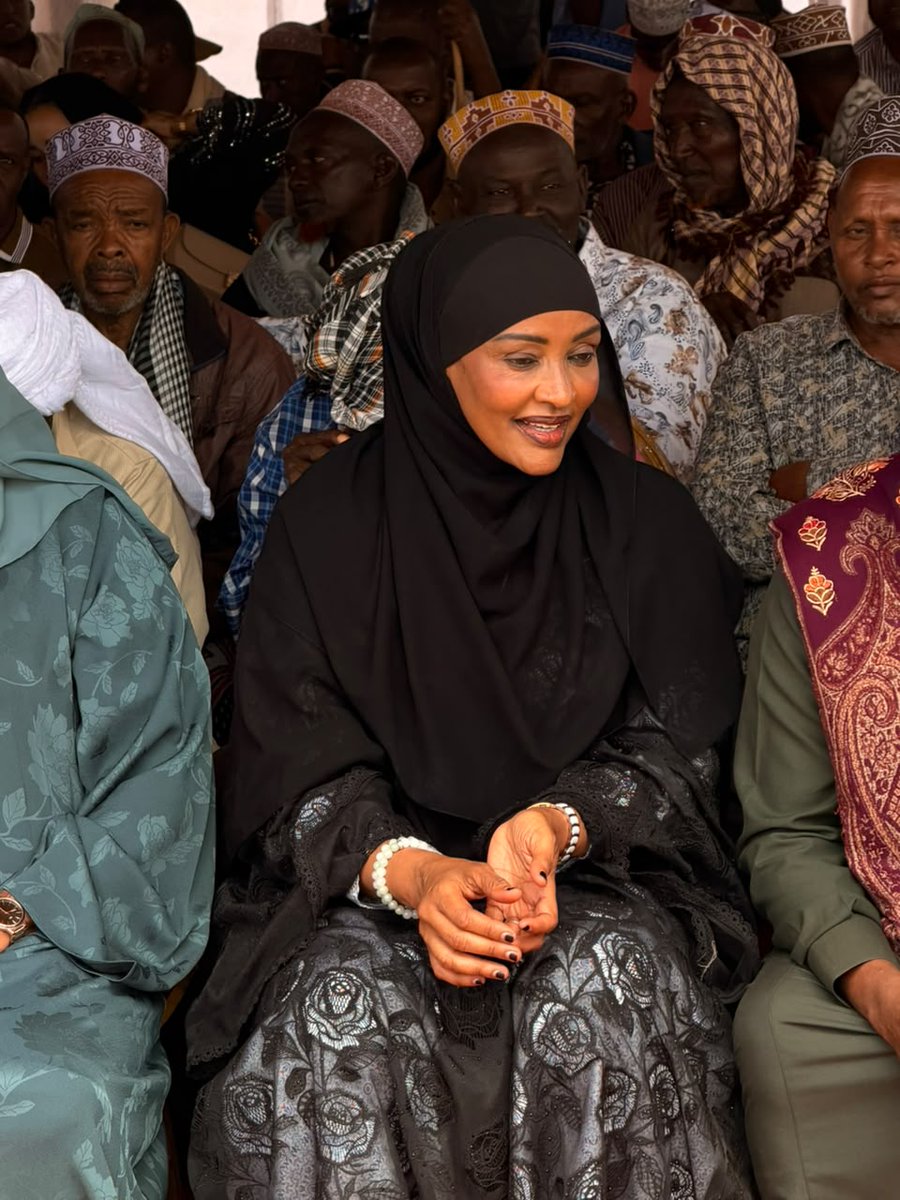
The Chairperson of the Commission, Hon. Rehema Jaldesa, visited Garb Tula, Isiolo County,for an engagement with members of the community.
The engagement provided an opportunity to discuss the importance of voting rights and meaningful participation in democratic processes. Every eligible Kenyan has the right to participate in elections and to have their voice heard without discrimination, intimidation or exclusion.
She emphasised that civic participation is not only about casting a ballot. It is also about ensuring that communities understand their rights, participate in decision-making, and hold institutions accountable.
The engagement further highlighted the importance of unity among the Borana community and across Kenya’s diverse communities. Unity, mutual respect and peaceful coexistence are essential in building an inclusive society where every person can enjoy their rights and opportunities equally.
The message from Garbatula was clear: our diversity should unite us, not divide us.
As Kenya continues to strengthen democratic participation and equality, communities have an important role to play in promoting peaceful engagement, inclusion and respect for the rights of every citizen.
From Garbatula, the call is for inclusion, participation, equality and unity leaving no one behind.
@mamacount2017@TKoyier@drmkarungaru@puritynginaa
#LeaveNoOneBehind #NGECMashinani #InclusiveDevelopment #UsawaKwaWote
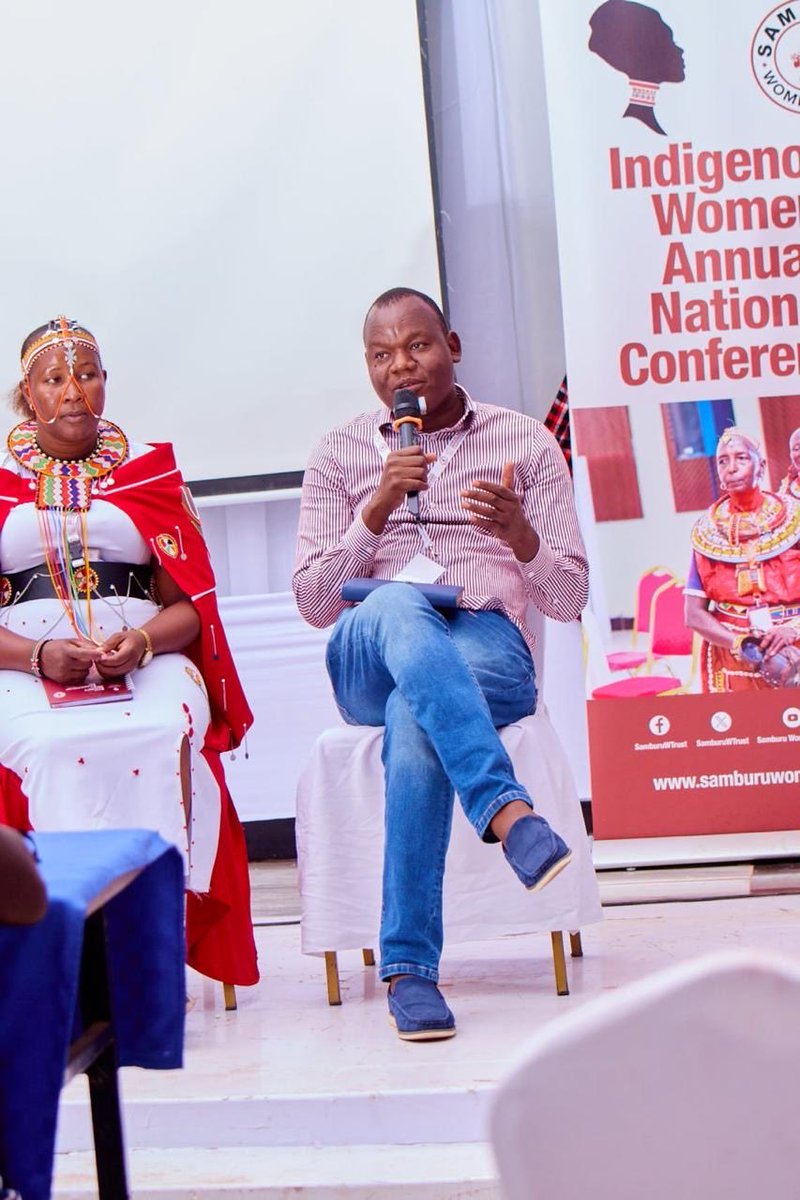
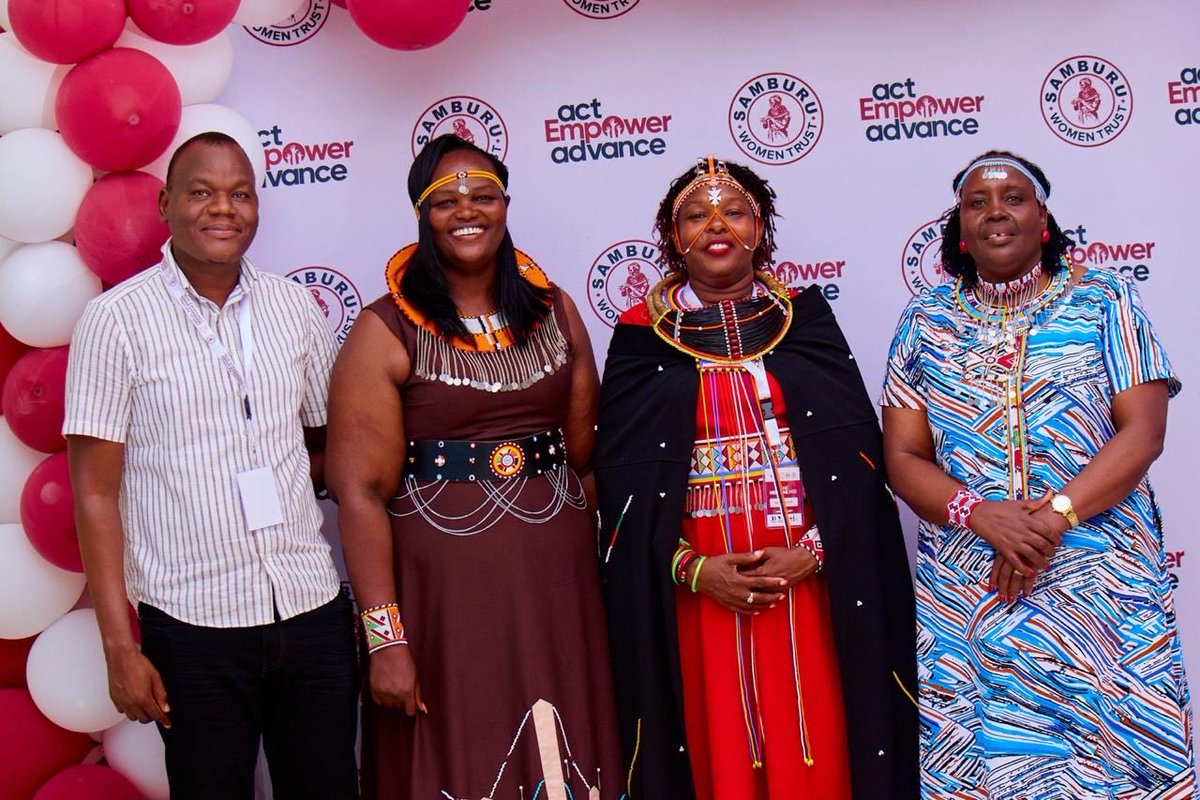
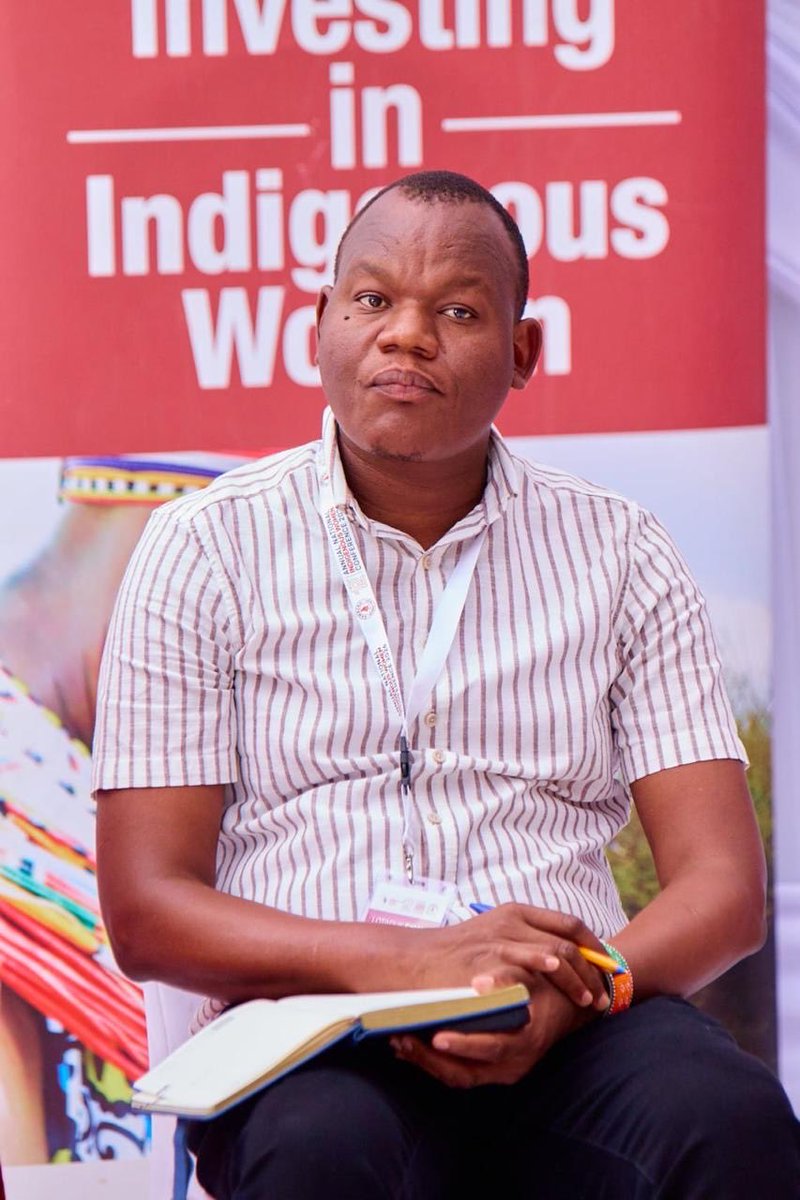
At the Annual Indigenous Women Conference in Isiolo County, the Commission joined public institutions and Indigenous women from across East Africa in a timely conversation on inclusion, representation and accountability in development.
The Commission participated in panel discussions alongside the National Land Commission (NLC), represented by Commissioners Tiya Galgalo and Mary Seneta; the National Cohesion and Integration Commission (NCIC), represented by Commissioner Josephine Eregae; and the Office of Minorities and Marginalized Affairs Unit, Office of the President, led by Josphat Lowoi.
The discussions examined a question that goes to the heart of inclusive governance: how do we ensure that national and county policies translate into meaningful change for Indigenous and marginalised communities?
The Commission highlighted the importance of embedding gender equality and social inclusion in policy formulation, implementation, budgeting and service delivery. For Indigenous women, inclusion must be reflected in decisions affecting land and natural resources, livelihoods, education, healthcare, economic opportunity, climate resilience and political participation.
This is particularly significant where historical exclusion continues to shape access to public resources and opportunities. Recent public-sector assessments have continued to identify gaps in the equitable representation of ethnic communities, women and persons with disabilities in public institutions—underscoring the need for deliberate measures that turn constitutional commitments on equality and affirmative action into measurable outcomes.
The conversation also placed accountability at the centre. Inclusive development is not achieved simply by adopting policies. It requires institutions to implement them, communities to participate in decisions affecting them, and public authorities to demonstrate that resources and opportunities are reaching those who have historically been left behind.
For the Commission, the participation of Indigenous women is particularly important. They are not passive recipients of development; they are rights-holders, leaders, decision-makers, custodians of knowledge and agents of change within their communities. Their voices must therefore inform—not merely accompany—decisions on matters that affect their lives and futures.
The engagement further provided an opportunity for the Commission to exchange experiences with women delegates from across East Africa, strengthening regional learning on women’s leadership, equality, participation and the inclusion of Indigenous communities.
Inclusion must be visible in who makes decisions, whose voice is heard, where resources go and who benefits from development.
The Commission remains committed to working with government, communities and partners to advance a Kenya where gender, ethnicity, disability, geography or social status does not determine who gets heard, who gets opportunities or who benefits from development.
When Indigenous women have an equal voice in shaping development, inclusion moves from a constitutional promise to a lived reality.
#IndigenousWomen #InclusiveDevelopment #GenderEquality #SocialInclusion #EqualityForAll #WomenLeadership #MarginalisedCommunities @EkuamL
Building Bridges for Peace, Equality and Inclusion
The Commission, led by Chairperson @mamacount2017 has today received Hon. John Munyes Kiyong'a, the President’s Special Peace Envoy for the Ateker Region, for a courtesy visit to strengthen collaboration on peacebuilding, equality, and the protection of communities affected by cross-border insecurity.
Peace is not only about ending conflict. It is also about ensuring that women, children, youth, persons with disabilities and other marginalised groups are protected, heard and meaningfully included in the processes that shape their communities.
#Peacebuilding #GenderEquality
@TKoyier@drmkarungaru@puritynginaa
Advancing fair and inclusive county budgeting.
Today, the Commission engaged County Executives, sector directors, budget leads from the County Assembly, and the Directorate of Economic Planning in Marsabit County on the upcoming Gender Responsive Budgeting (GRB) trainings and engagement forums.
The forum, realised through collaboration with the Millennium Water Alliance and its consortium partners, focused on strengthening how county budgets are planned and implemented to ensure they respond to the real needs of communities—especially women, youth, and persons with disabilities.
Discussions underscored the importance of aligning resources with priority needs, enhancing accountability, and ensuring that development outcomes are equitable and inclusive across all sectors.
Usawa kwa bajeti zetu za county ni msingi wa maendeleo.
Na safari inaendelea—Wajir County, Turkana County, na Garissa County twasonga pamoja.
#GenderResponsiveBudgeting @EkuamL #EqualityInAction #InclusiveDevelopment @hajiabey
The Commission is undertaking an assessment of learning institutions to examine how school environments promote equality, inclusion, safety, and dignity for all learners.
The exercise focuses on identifying gaps and good practices in the implementation of policies and standards related to gender equality, the rights of children, persons with disabilities, and other vulnerable groups. It also reviews school infrastructure, governance, and protection mechanisms to determine how effectively they support inclusive and non-discriminatory education.
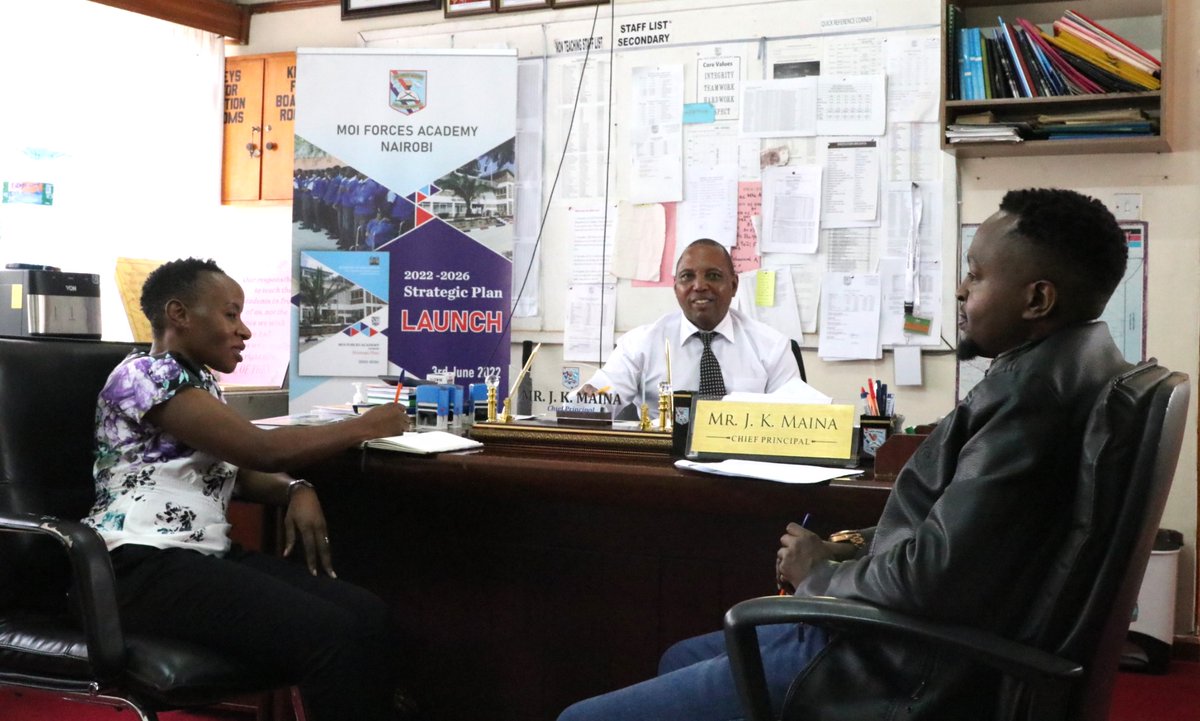
As part of this ongoing assessment, we visited Moi Forces Academy, where the team engaged the Chief Principal, Mr. Maina, on matters of school governance, learner welfare, and measures in place to uphold dignity, equality, and protection for all students.
The findings from this process will inform evidence-based recommendations aimed at strengthening policy, improving accountability, and enhancing collaboration with key stakeholders. These efforts are geared towards advancing safe, inclusive, and rights-based education environments that leave no learner behind.
@mamacount2017@TKoyier@drmkarungaru@puritynginaa@EduMinKenya
The Commission will partner with the organisations to hold a medical camp in February, providing women with direct support, including screening and assessment for cervical and breast cancer, and other essential health services.
During the camp, the Commission will also host legal clinics to help women access justice and understand their rights.
A key focus of our engagement was the use of research and data-driven solutions to identify gaps, inform policy, and measure impact, ensuring that interventions are effective, targeted, and responsive to the needs of Special Interest Groups.
Honoured to meet Brian C. Decker, Chairperson of the Board of Directors, and Esther Baranga, Director of Development, of DeckerMed Africa Trust.
We explored strategic partnership opportunities between the Commission and DeckerMed Africa Trust—an NGO dedicated to training African medical specialists to serve patients in Africa, while providing free medical care to the most vulnerable women and children.
Our discussions centred on ways to strengthen the integration of equality and non-discrimination principles into health policies, programmes, and service delivery for women, children, persons with disabilities, older persons, and marginalised communities.
The Chairperson @mamacount2017 committed to serving Special Interest Groups, reaffirmed the Commission’s responsibility to uphold the rights, dignity, and meaningful inclusion of women, youth, persons with disabilities, minorities, and other marginalised communities.
She reminded the team that true progress is realised only when it is guided by a shared purpose, collective action, and an unwavering commitment to delivering tangible outcomes that positively impact the lives of all Kenyans.
Join us this Wednesday, 19th November 2025, for the Validation of the National Gender Research Agenda webinar.
We will be engaging experts and partners on the research priorities that will guide Kenya’s gender equality work in the coming years.
🔗 Register: https://t.co/QwwidSflLe
@KNBStats@KIPPRAKENYA @ZiziAfrique @nacosti@fawekenya@NCPD_Kenya@aphrc@ReliAfrica
The Commission reaffirmed its commitment to ensuring that mental health is recognised as integral to equality and inclusion. Empowering young people to lead these conversations is key to breaking cycles of silence and creating sustainable change in communities across Kenya.
The Commission today convened a Youth Forum on Mental Health and Well-Being, bringing together youth representatives and mental-health experts for an open dialogue on the pressures facing young Kenyans — from unemployment and identity struggles to stigma, trauma and digital-age anxieties.
Too many young Kenyans carry heavy burdens in silence. Mental-health challenges are on the rise. Yet access to quality support remains uneven. This forum created a space to speak freely, seek understanding, and co-design solutions anchored in lived experience.
Expert facilitators emphasised the truth: mental-well-being is a rights and equality issue. When youth are left to battle trauma, stress or isolation alone, we all pay the price. The Commission is committed to making their wellbeing a priority.
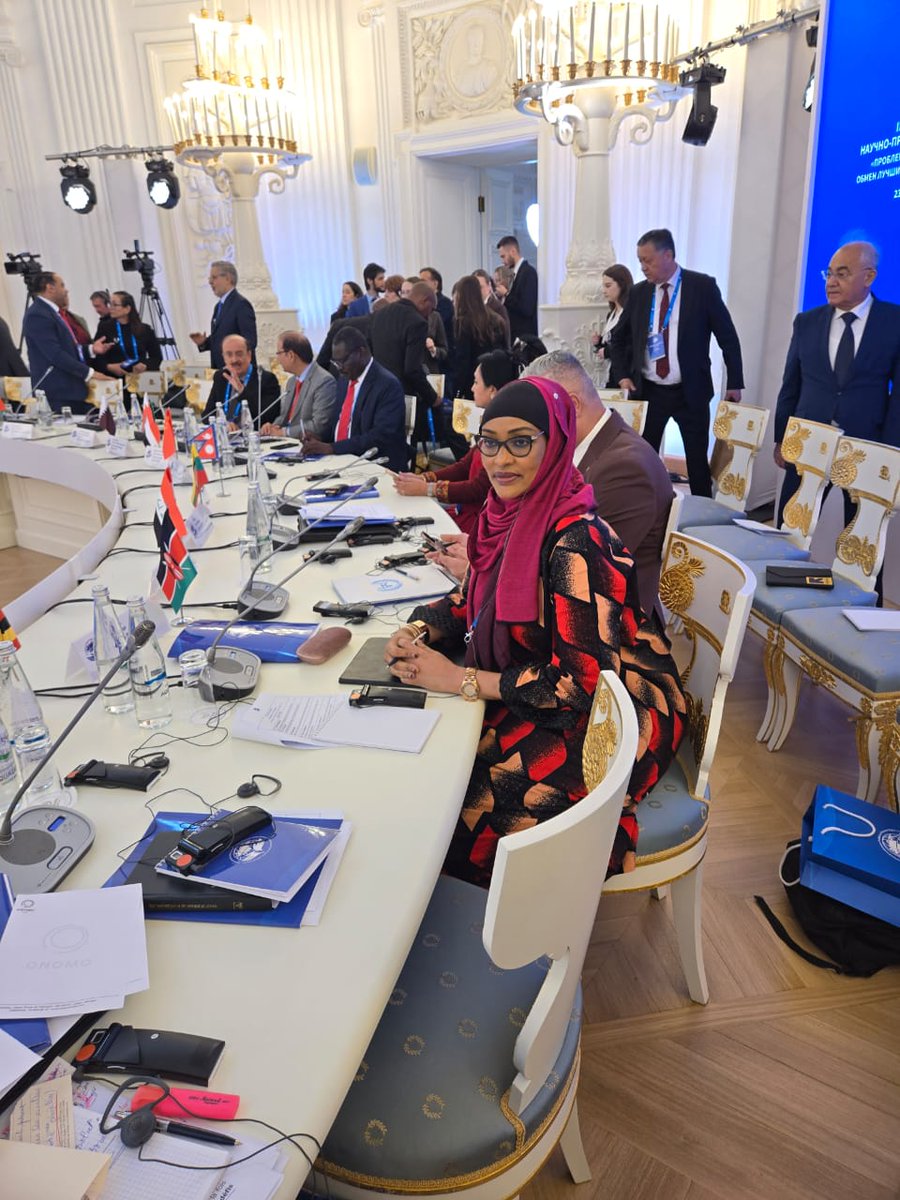
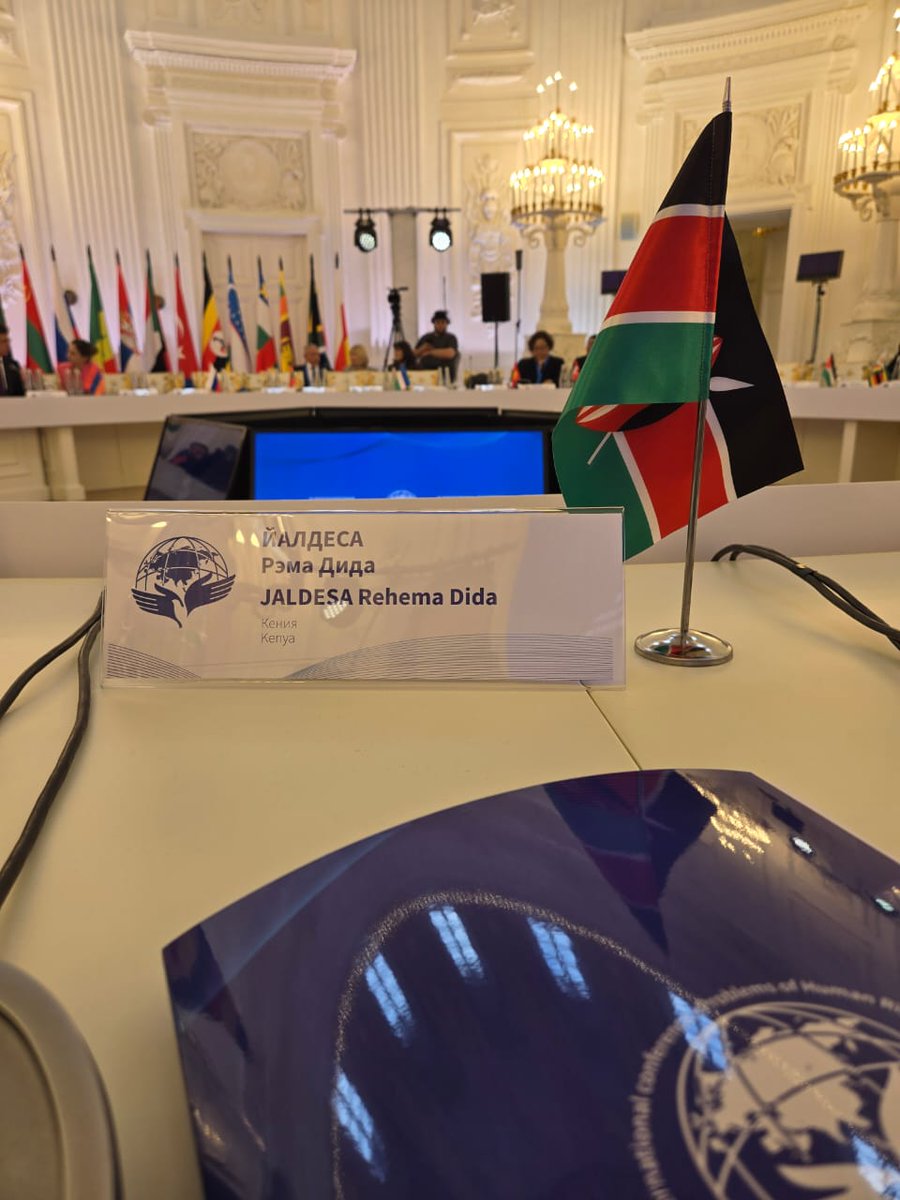
Chairperson @mamacount2017 and Vice Chairperson @TKoyier have participated in the IX International Scientific and Practical Conference on “Protection of Human Rights in the Context of Digitalization of Society” held in Moscow, Russia, on 23rd October 2025.
Speaking at the forum, Chairperson underscored the importance of protecting human rights in an increasingly digital world. She noted that while technology is transforming how institutions engage with citizens and enhance access to justice, it also brings new responsibilities to safeguard privacy, prevent online abuse, and ensure inclusivity.
She emphasized that Kenya’s approach to digitalization focuses on three pillars: inclusion, protection, and accountability. She reaffirmed the Commission’s commitment to collaborate with equality and human rights institutions globally to ensure that technology serves humanity and not the reverse.
The Chairperson also highlighted the Memorandum of Understanding signed between NGEC and the Office of the High Commissioner for Human Rights in the Russian Federation in 2024, which aims to strengthen cooperation in human-rights education, information sharing, and institutional capacity building.
@drmkarungaru@puritynginaa
We have participated in public participation forums on the National Policy for Minority and Marginalised Communities, a constitutional exercise that gives citizens a voice in shaping national policy.
The ongoing exercise is being conducted in collaboration with the Minority and Marginalized Affairs Unit under the Office of the President, an engagement that is bringing together representatives from diverse Minority and Marginalised communities across 11 regions.
During the sessions, community representatives presented their memoranda. Their perspectives will help enrich the National Policy and Bill on Ethnic Minority and Marginalised Communities (EMMCs), ensuring that the resulting frameworks promote inclusivity and equal participation at both the National and County levels of government.
In Kilifi County, our coastal team planted trees at Malindi Central Comprehensive School as part of Mazingira Day celebrations. The activity highlighted the importance of restoring green cover and promoting environmental consciousness among young learners. #MazingiraDay2025KE