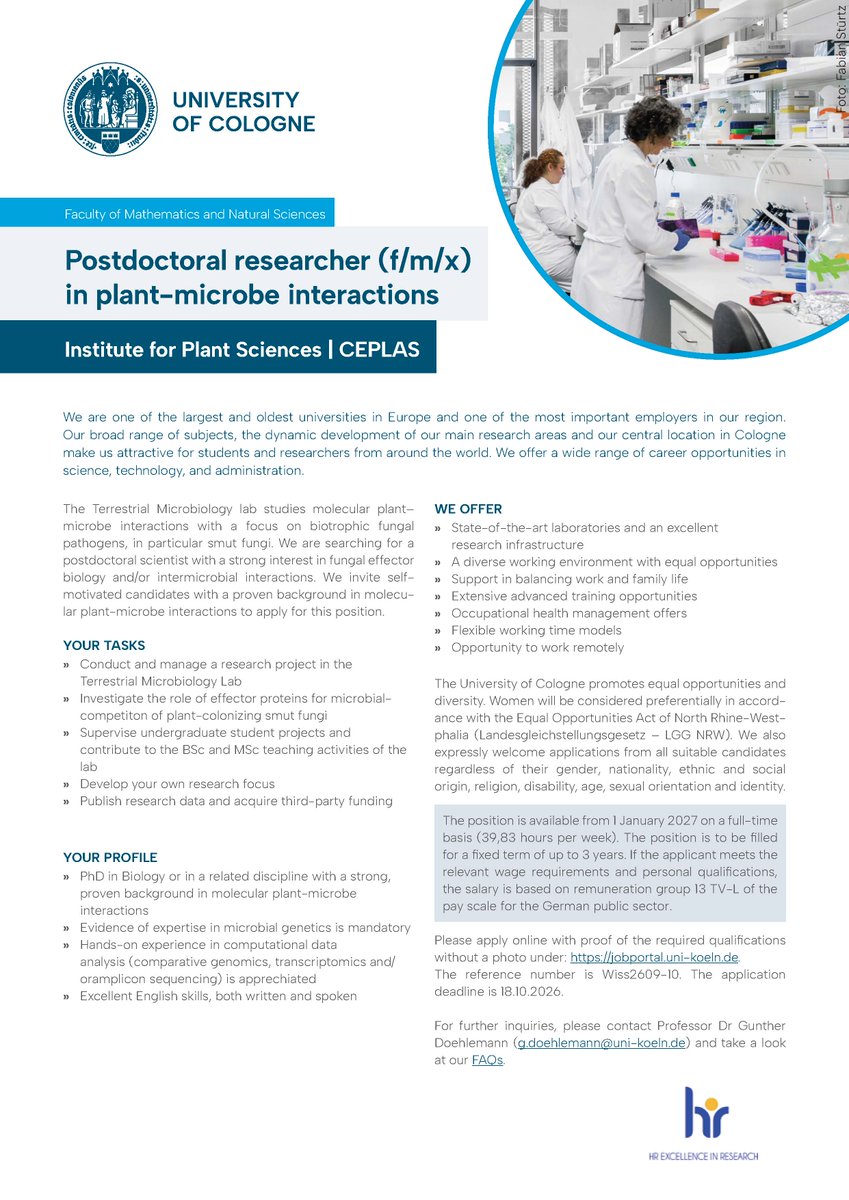
We are looking for a new team member!
Our lab offers a postdoctoral staff scientist position. If you share our fascination with plant-microbe interactions, take a look:
https://t.co/tPanvz6cMQ
Very happy to see our work on the mutational dynamics of Arabidopsis centromeres officially out in @Nature! 🎉🌱
Huge thanks to everyone in @LabSchneeberger , our collaborators, and everyone who helped along the way!
📄 https://t.co/zBzB4wANgd
📰 https://t.co/l0EdtRAkOZ
Very happy to see our Zip1 work highlighted in Plant Physiology 🌽
Sequential proteolysis across compartments can shape where, when and in which form peptide signals act.
Thanks to @Mamoona_Khan_ for the insightful highlight!
https://t.co/zuqrzVsjjr
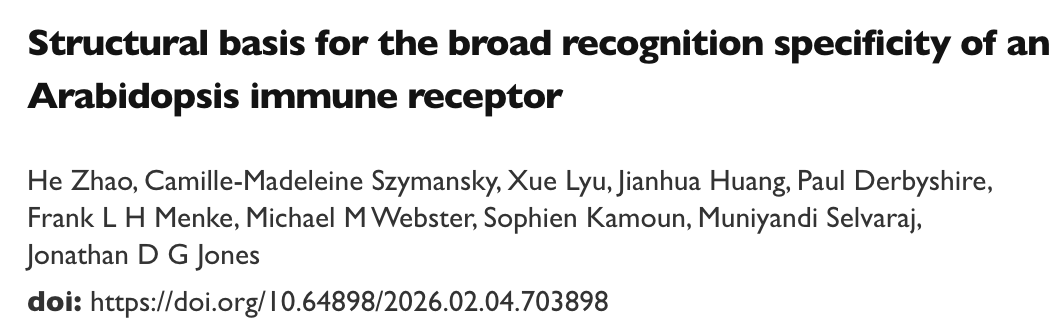
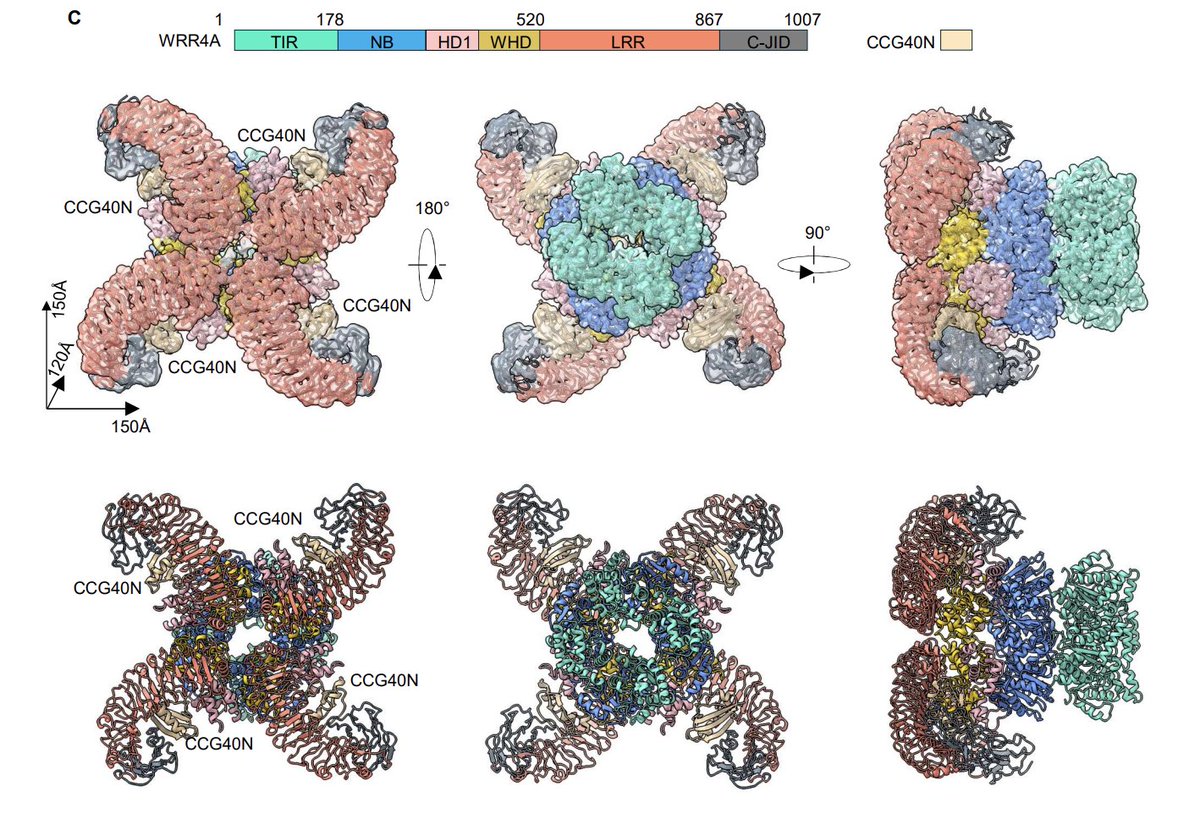
Our new preprint is out! Using AI-guided design (RFdiffusion + ProteinMPNN), we engineered a plant immune receptor to recognise non-cognate pathogen effectors.
Huge thanks to our amazing co-authors for making this possible!
https://t.co/VlEE9Yx3qV
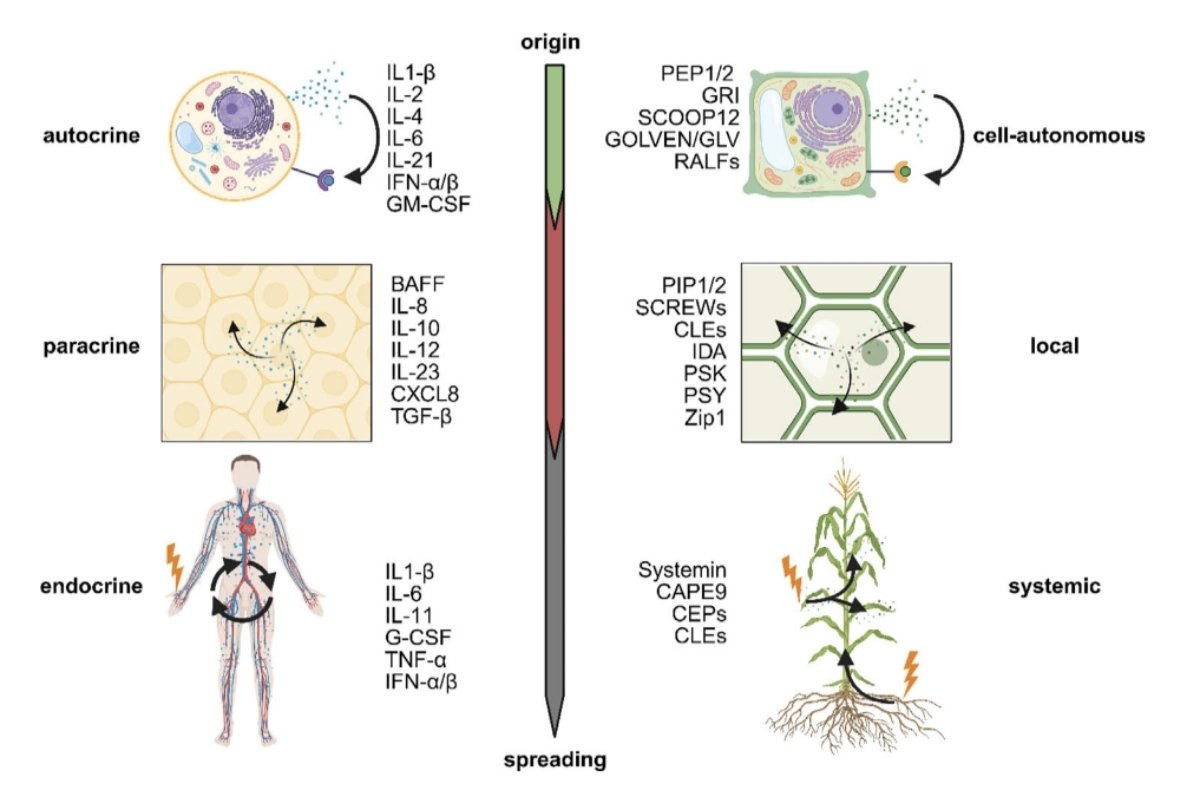
One highlight from our review: peptide signals can be copied or rerouted to redirect plant responses. 🌱
Bacteria, fungi and nematodes tap into phytocytokine pathways via mimics or altered release - steering infection, colonization and symbiosis.
Review:
https://t.co/6fyp4TK2WC
Plants use immunogenic peptides to coordinate immunity. Pathogens can mimic them to hijack defense. 🌱
We compare phytocytokines with animal cytokines and ask how these signals are made, released, mimicked, and controlled in space and time.
https://t.co/6fyp4TK2WC
Immune activation by a phloem-colonizing plant pathogen drives citrus Huanglongbing disease development: Cell Host & Microbe https://t.co/l12R63h3Gi Glad to share our recent progress on citrus HLB. Kudos to the co-first authors Xianen, Wenxiu, Wenting, and Yu and other colleagues in my lab. It is truly a team work by collaboration with Allison K. Hanse at UCR, Ning Zhang at JMU, and Madhurababu Kunta at TAMUK.
Proud to share our new paper led by Mathias Brands from my team at @UniCologne! Host-adapted enzymatic deconstruction of acetylated xylan limits immune activation and facilitates mutualistic colonization of monocot roots. https://t.co/IMPnMyTWHv
How does Ustilago maydis shape the microbiome of its host?
Zarah Sorger & Sarah Daher took a close look, and did a great job:
Infection of maize by Ustilago maydis remodels the phyllosphere microbiome and requires the activity of antimicrobial effectors https://t.co/3GgyrUwVXG
New preprint from our lab: Cis-regulatory elements orchestrate phase-specific effector gene expression in Ustilago maydis
Congrats to Georgios Saridis, @janinawern and everyone involved!
Take a look:
https://t.co/xoV60tm6Ug
Coordinately submitting with @Kobe_Lab_ we're proud to report great collaboration with Selvaraj in @KamounLab to reveal basis for recognition of multiple effectors by the same immune receptor, to extend that recognition and to see the preactivation state https://t.co/CTpPE68Ofn
Just online! Effectors extend beyond immune suppression acting as multifunctional tools and immunometabolic regulators that synergistically shape host compatibility and the microbiota. Immunometabolic (re)programming: microbial strategies for compatibility https://t.co/TjxfsZXXYa
Huge thanks to my amazing co-authors, to AG Saur and AG Döhlemann, and to all our collaborators for their fantastic contributions. @MerleBS4@IzzySaur@gun_doe@Grandpa_Hiro@ChemicalSara82 &Matthieu Pierre Platre.
https://t.co/x8g8yrnIPU
Our new paper is out!
Autophagy acts as a gatekeeper of plant–fungal symbiosis.
Zecua and Dunken et al. show how Arabidopsis restricts endophyte over-colonization and symbiosis-induced cell death to keep the partnership beneficial. https://t.co/u1NyipAvF0
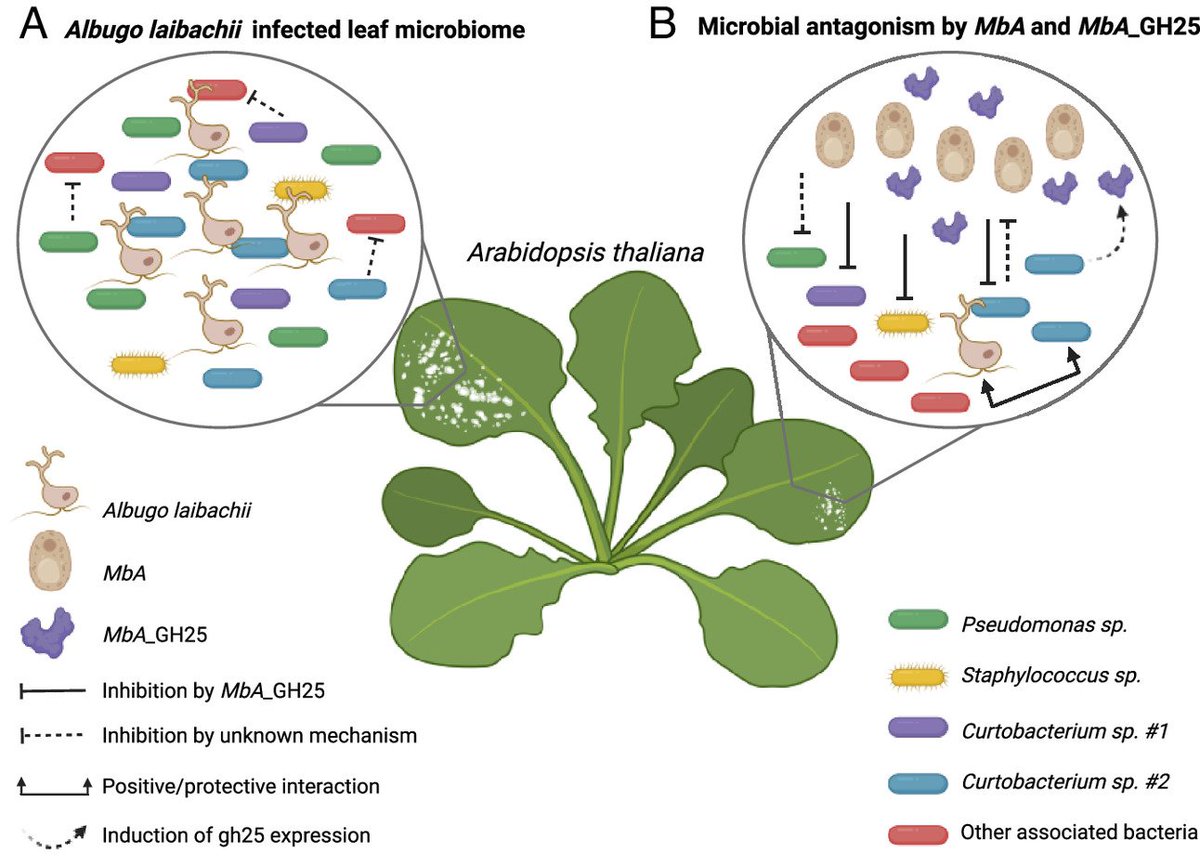
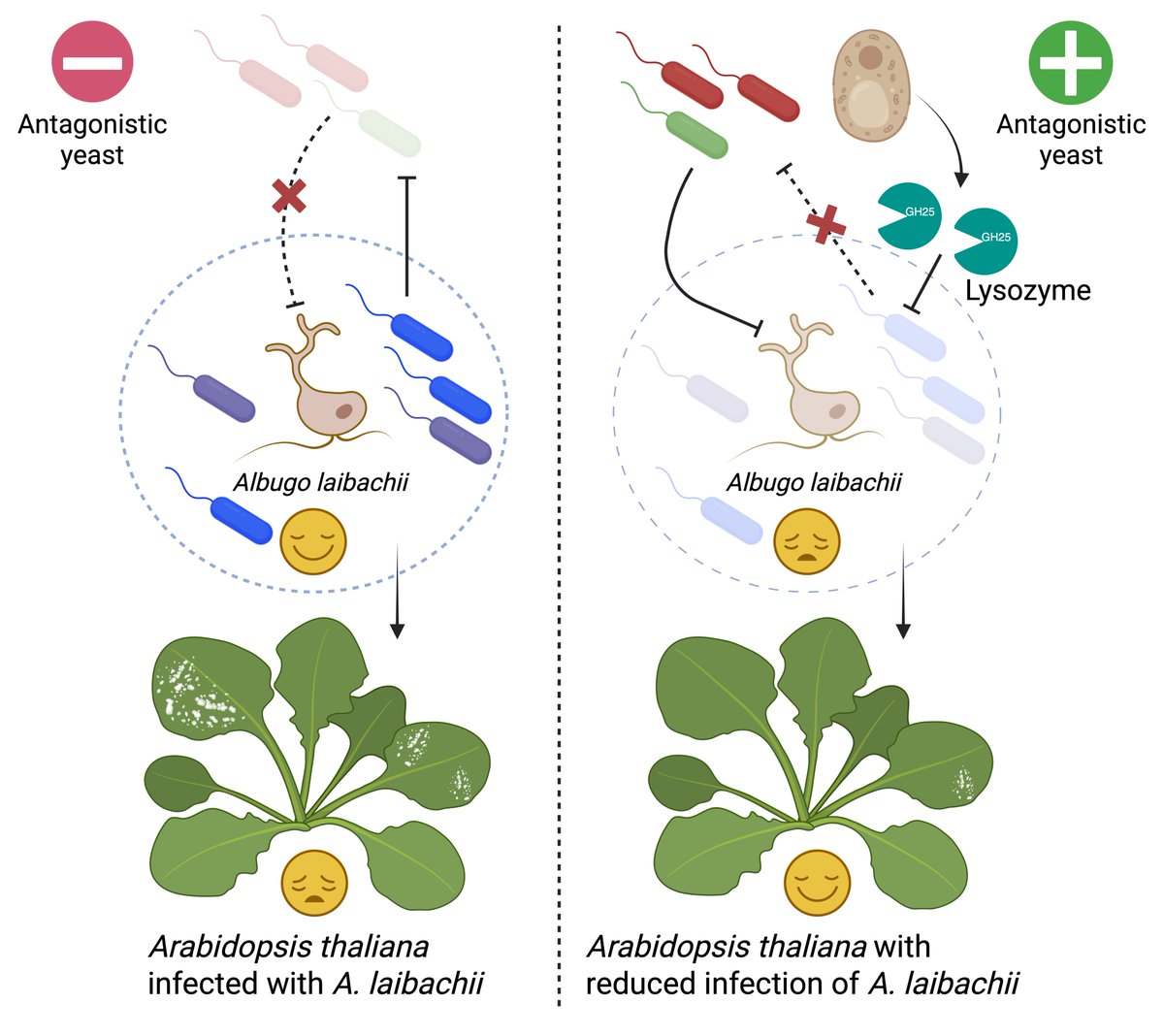
It's great to see this work being published: Zarah and Priya found how the success of an adapted pathogen is determined by intermicrobial interactions, mediated by a fungal lysozyme. Collab with @Kemen_Lab & @ParkerLab_MPIPZ | PNAS https://t.co/XrpB3iH1N5