For those bioinformaticians who drown in genomic datasets and are asked to turn them into a paper, we present HiCognition: a visual exploration and hypothesis testing tool for 3D genomics.
🪄https://t.co/eLuhCvhCml
#3DGenome#bioinfo#ComputationalBiology#genomics#BioVis
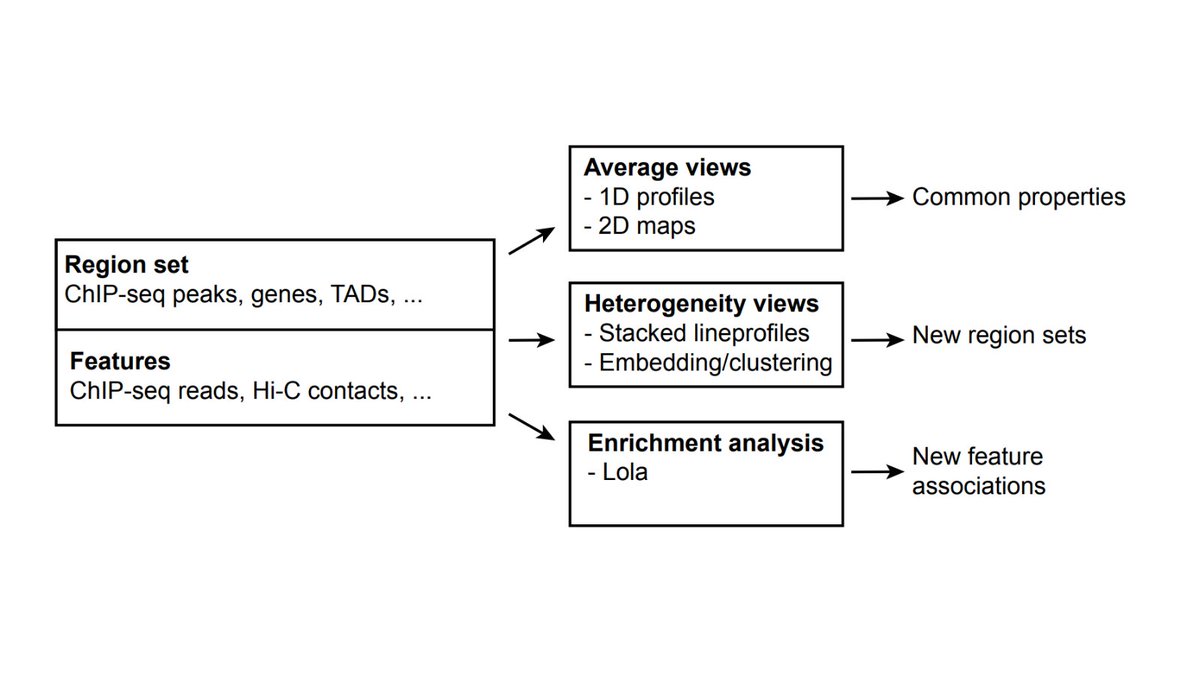
The tool has some cool ideas around *genomic region sets* which aim to allow "users to address biological questions about how a specific type of region is composed, regulated, and organized in 3D space."
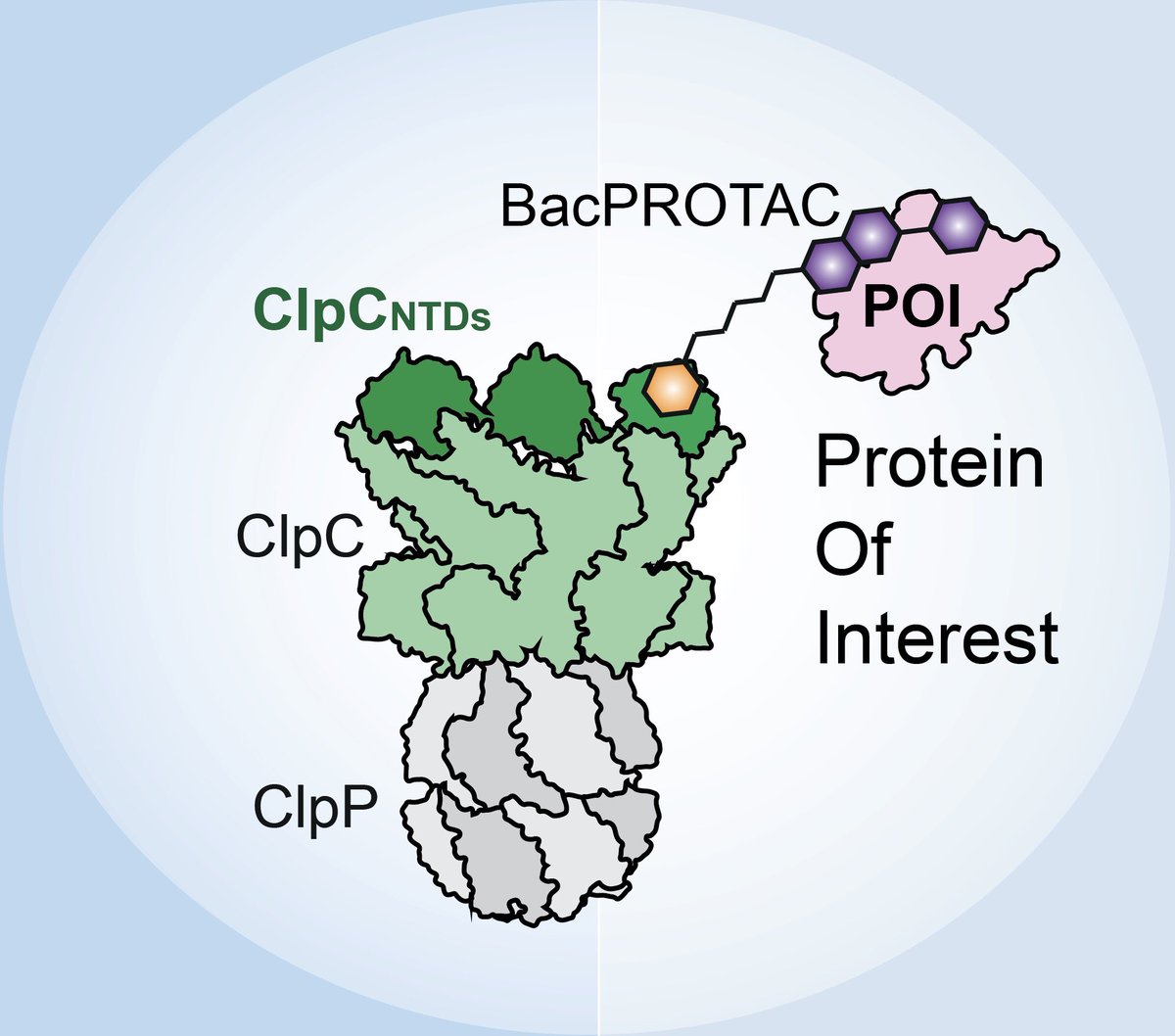
Delighted to finally share our work on BacPROTACs, published today @CellCellPress! We bring the PROTAC approach to the bacterial world, hijacking ClpCP proteolytic complexes to induce targeted protein degradation.
Read the full article here👇
https://t.co/xqnod9hvIE
🐦Early bird gets the worm 🪱 IJCAI-ECAI 2022 EARLY BIRD REGISTRATION closes on 30 May.
👉 Application for Student Volunteers closes on 23 May and the decision will be communicated before the early bird deadline.
https://t.co/GNWotwLZVk
#IJCAI2022#Vienna#Austria#KI#AI
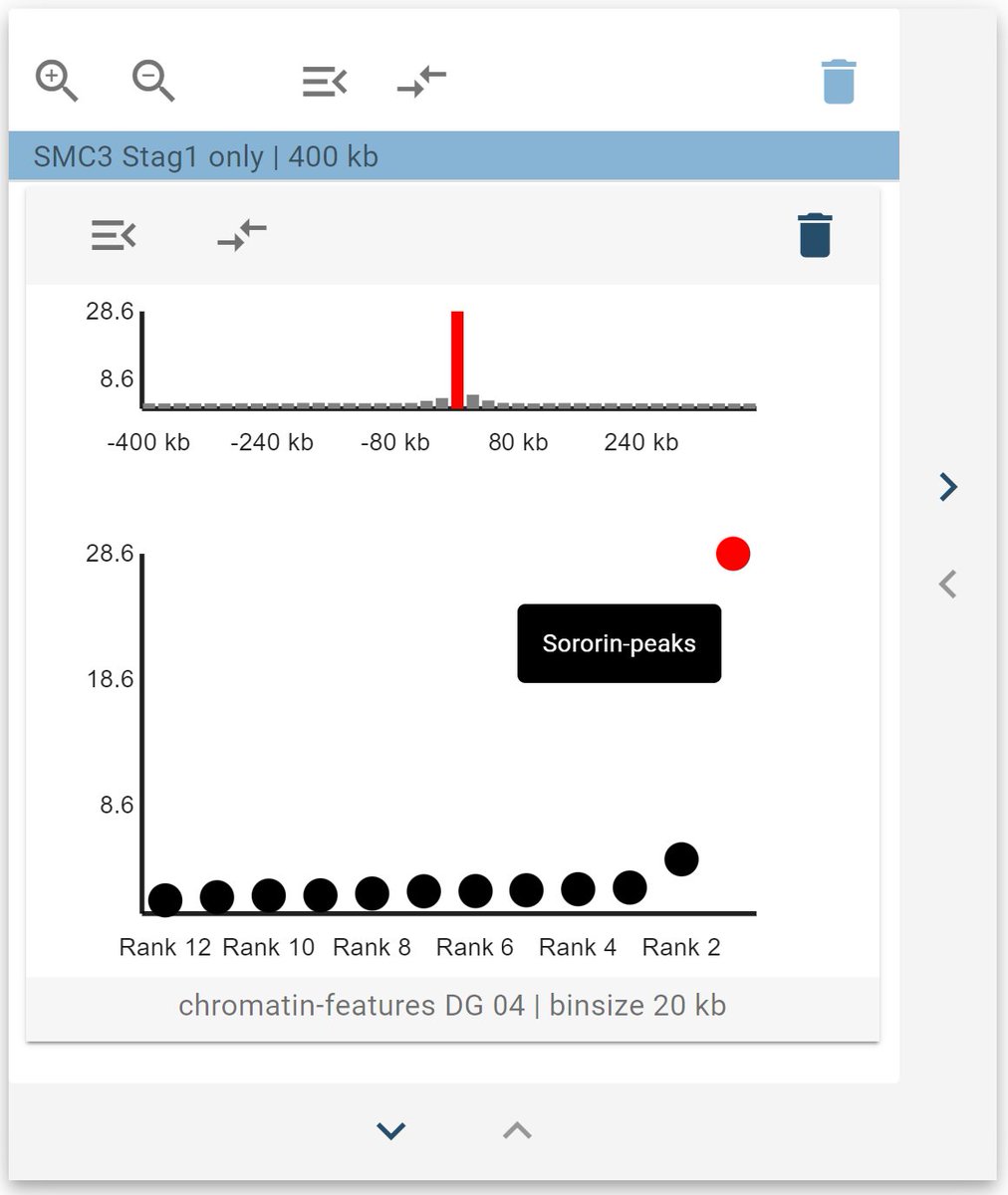
Discover associations using the LOLA widget 🧬HiCognition users can use a powerful widget that implements the LOLA algorithm to explore associations between genomic region sets and to discover regulatory, functional, or spatial patterns that are characteristic to them.
5/5
HiCognition allows data analysis of genomic datasets based on the genomic region-set approach. Combined with efficient preprocessing and interactive data visualization, this enables rapid exploration.
@hicognition#3DGenome#bioinfo#ComputationalBiology#genomics#scicomm
1/5
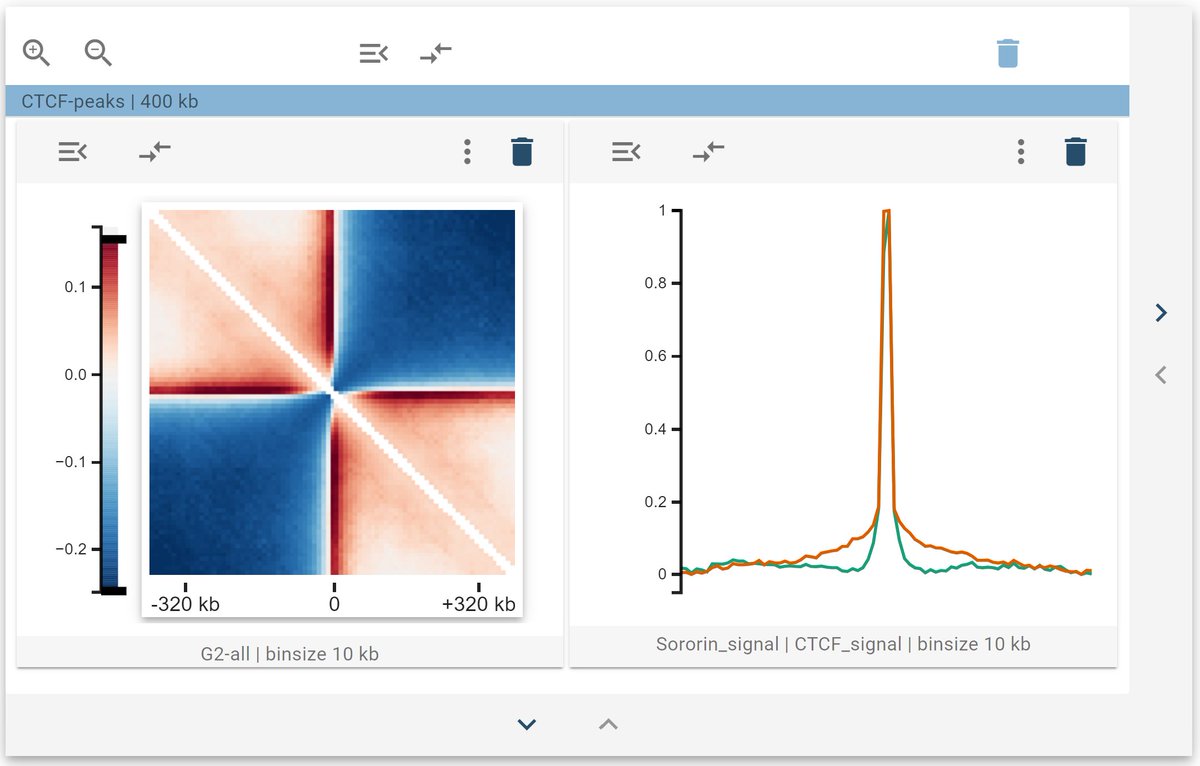
Explore average behavior using aggregation widgets 🧬 HiCognition allows visualization of genomic features' average behavior at genomic regions, allowing users to explore both 1D- and 2D-genomic features.
4/5
In contrast to conventional genome browsers, which visualize a specific subregion, HiCognition can interactively analyze large sets of genomic regions that are of particular interest in many biological questions. @hicognition
https://t.co/dwjXoqrHHS
#3DGenome#bioinfo#DNA