David Dyzenhaus-edited (2019) publication of Hermann Heller's major Weimar-period work Sovereignty (1927), responsive to albeit far less well-known than Hans Kelsen's 1920 Problem of Sovereignty and Carl Schmitt's 1922 Political Theology.
The Cypriot Doctrine of Necessity and the Amendment of the Cypriot Constitution: The Revision of the Unamendable Amendment Rules of the Cypriot Constitution Through a Juridical Coup D’ État - Read on https://t.co/IbPMIglGwf @degruyter_pub
Excited to see my new article on responsive constitutionalism in print in the Modern Law Review https://t.co/upAWHe5DyC
Thank you MLR and so many friends for helpful comments. Perfect post-turkey holiday reading? Or distraction for Indian cricket fans…
In this case, the #SupremeCourtofIndia was dealing with appeal filed by a person who is HIV+.
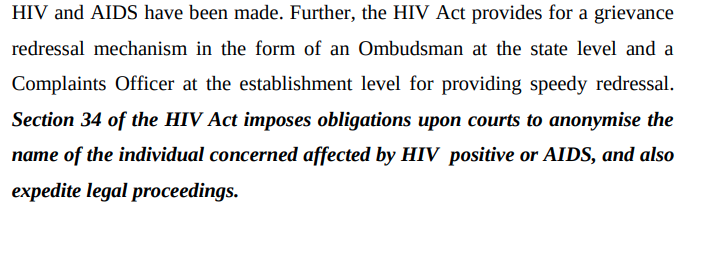
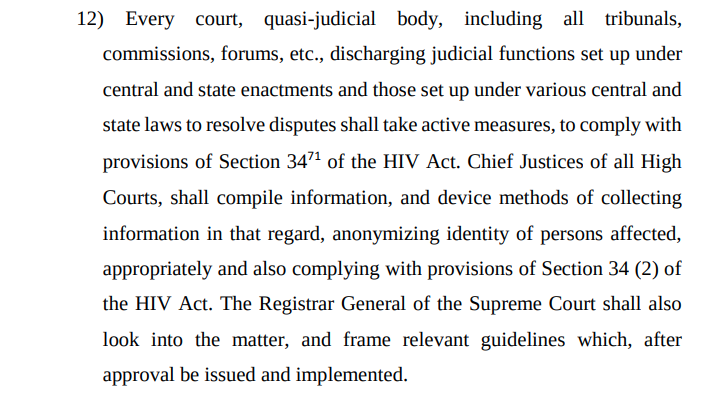
In its judgment delivered yesterday (and is uploaded only sometime ago), the Court noticed and highlighted the fact that Section 34 of the HIV Act imposes obligations upon courts to anonymise the name of the individual concerned affected by HIV positive or AIDS. It has even issued directions in this regard.
But this judgment cause title has the name of the appellant who is HIV+.
We urge someone practising in Supreme Court to take note of this and urge the concerned in the SC Registry to redact the name of the appellant.
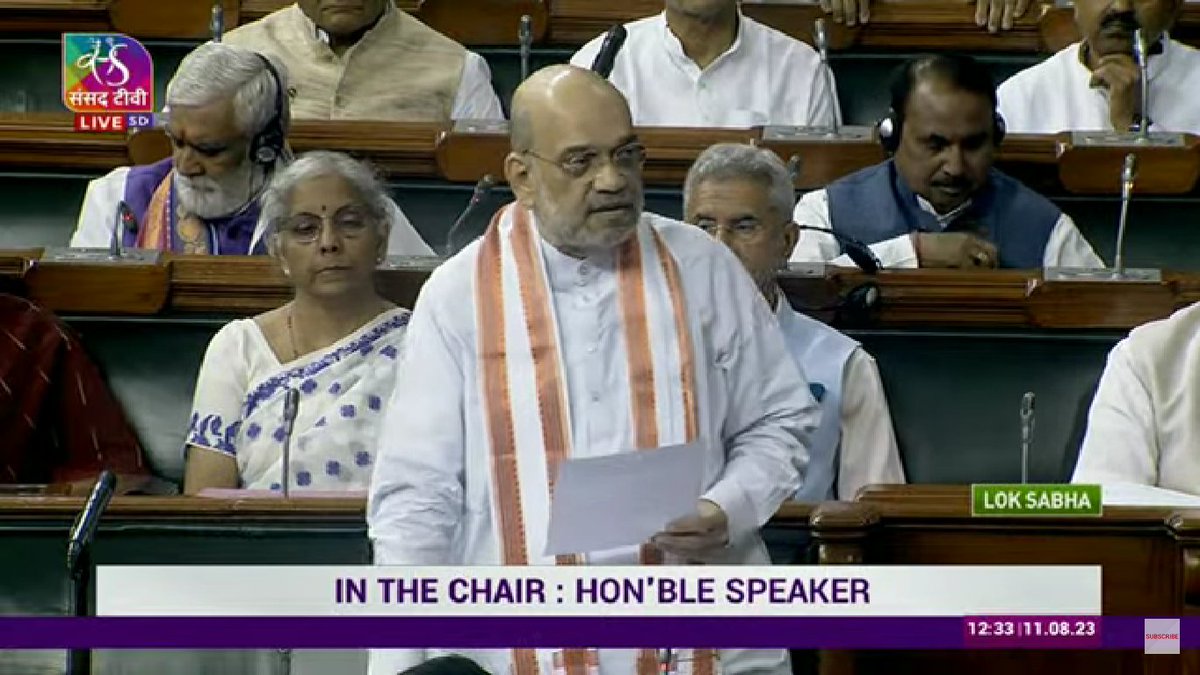
Home Minister Amit Shah while introducing the 'surprise' Bills:
- IPC to be replaced with Bhartiya Nyaya Sanhita 2023
- Indian Evidence Act to be replaced with Bhartiya Sakshya Sanhita 2023
- CrPC to be replaced with Bhartiya Nagrik Surakasha Sanhita, 2023
#MonsoonSession
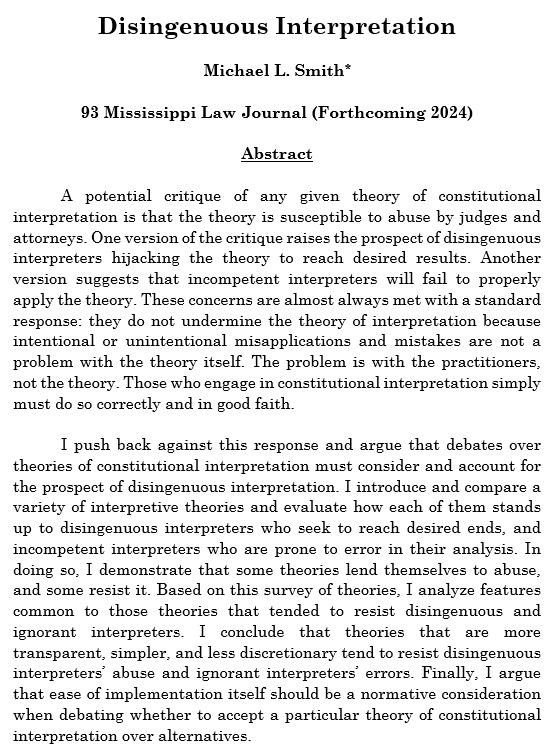
Happy to announce my article, "Disingenuous Interpretation," which will be published in the @MSLawJournal. I argue that debates over theories of constitutional interpretation improperly ignore disingenuous and incompetent interpreters.
https://t.co/qWY2wUYMVy
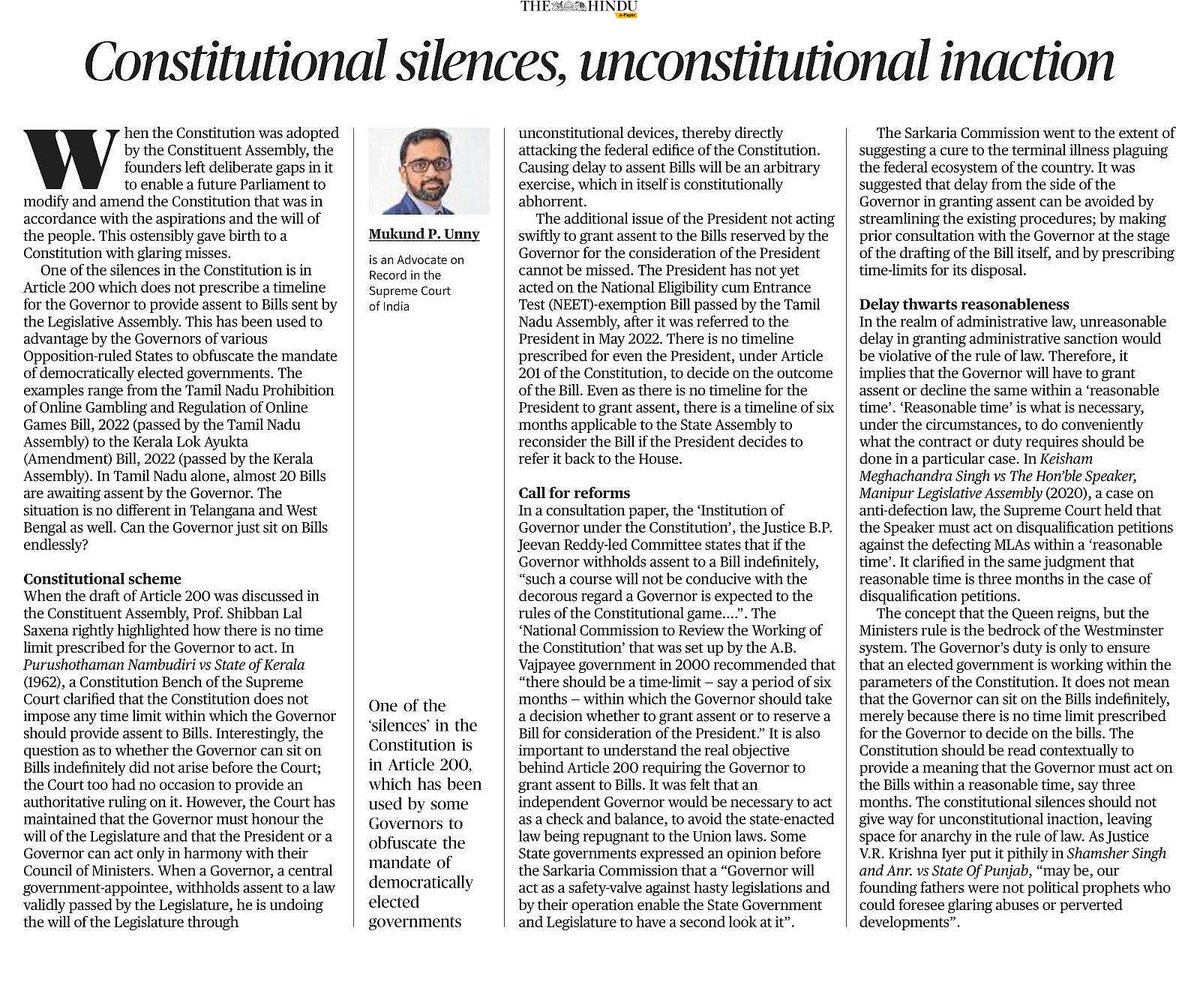
I write in @the_hindu on Governors sitting indefinitely on bills passed by Legislature. I argue that the Governors cannot make use of silences in the constitution and perpetrate unconstitutionalism.
Excited to report that my article, 𝘛𝘩𝘦 𝘊𝘰𝘮𝘮𝘰𝘯 𝘓𝘢𝘸 𝘢𝘴 𝘚𝘵𝘢𝘵𝘶𝘵𝘰𝘳𝘺 𝘉𝘢𝘤𝘬𝘥𝘳𝘰𝘱, has just been published in the @HarvLRev! Deepest thanks to the student law review editors for their incredibly hard work.
https://t.co/fnT6l7jVdi
Against hundreds of years of congressional action, against solid #SCOTUS precedent, and hundreds of years of history, the Supreme Court held today that states have jurisdiction over certain crimes in Indian Country by judicial fiat. A devastating result for our democracy.
The President of the Hungarian Supreme Court, a loyal supporter of Orban, turns to the Constitutional Court to curtail judges who are critical of Orbans’ judicial ‘reforms’. https://t.co/EapqppiXRk
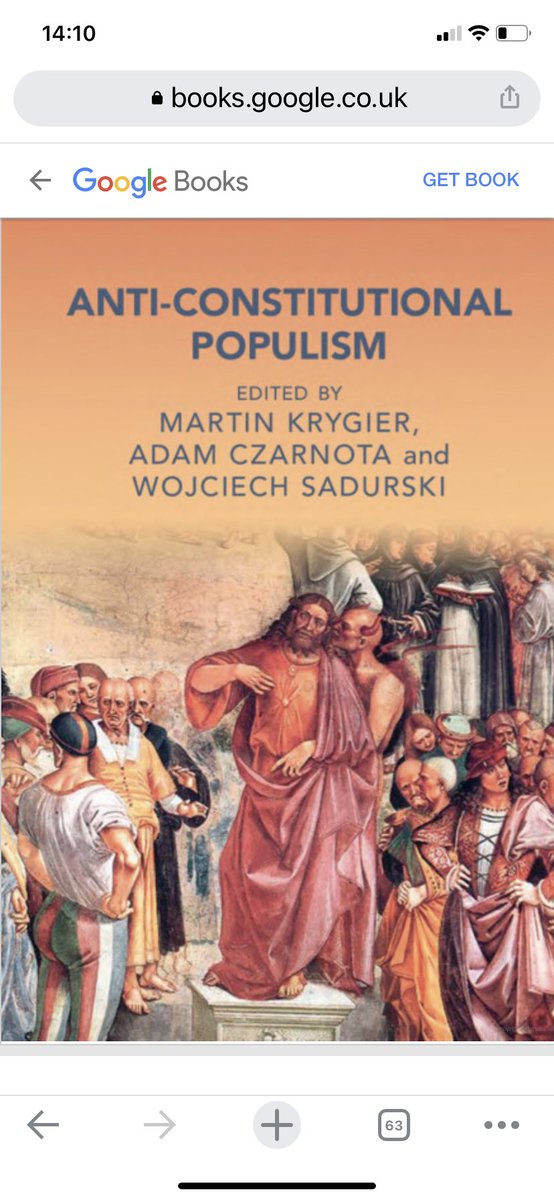
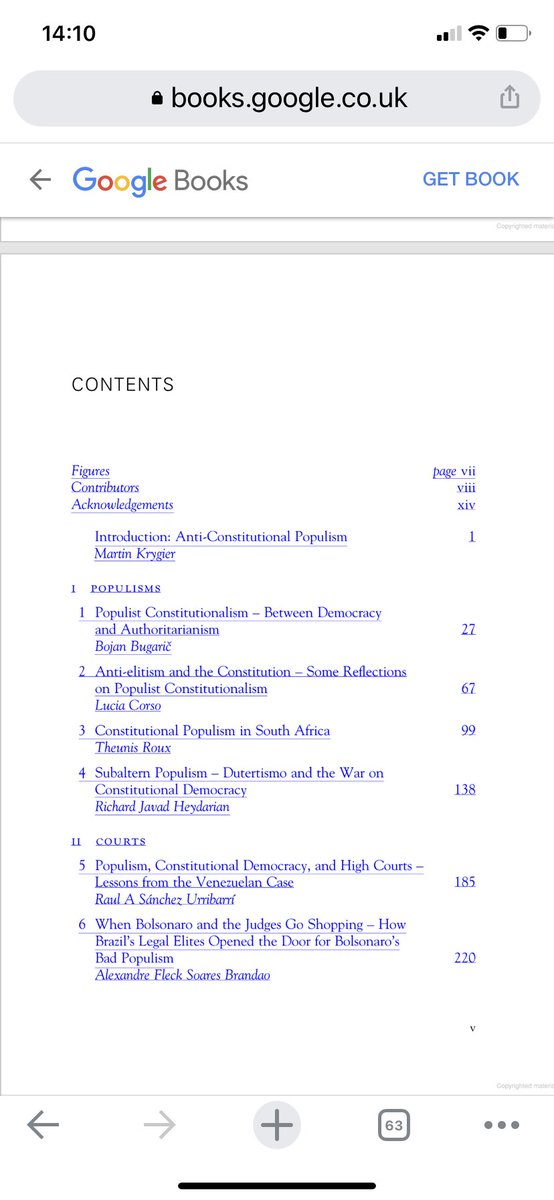
Happy to contribute a chapter to this great collection, edited by @WojSadurski @KrygierM and A.Czarnota, a.k.a. as the holly trinity of CEE legal studies.
"The purpose of [regulations made today] is to apply to the Ukrainian regions of Donetsk and Luhansk the existing autonomous sanctions measures that are in place in respect of the illegally-annexed Ukrainian regions of Crimea and Sevastopol" 1/2
🌍 One of the most important papers I have read in a long time: "Decolonial Comparative Law: A Conceptual Beginning," written by Lena Salaymeh & @MichaelsRalf, offering a roadmap for a pluriversal approach to law & society. Urgent and brilliant.
Details: https://t.co/ORQ1kWG3SU
"There is a question, not explored in argument, as to the extent to which one can or should characterise lawful, even if robust, rallies and protests in the free expression of political or social views (even if unpopular or held only by a few people) as a threat to good order...