Thoracic Pathologist University of Pennsylvania, Consultant Pathology Advisory Board Lung Cancer, Interests - Biotech, Healthcare. Opinions expressed are my own
we have come such a long way in our understanding of IgG4-related disease. This is a volume of seminars in diagnostic pathology devoted to Ig4-related disease. Covers virtually every organ. written by Folks that have spent their careers writing about this disease. The focus is not on how one makes the diagnosis, but how one avoids making the diagnosis😄
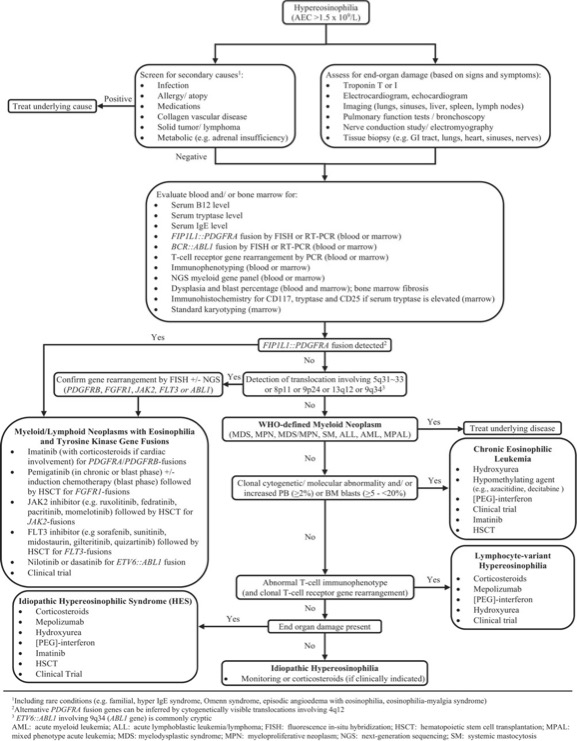
World Health Organization and International Consensus Classification of eosinophilic disorders: 2024 update on diagnosis, risk stratification, and management
Now online & free access! https://t.co/u8EPInGyIG
#hemepath#hematology#mpnsm#eosinophilia
If you like to read final versions - this was just posted:
Commentary on SMARCA4-deficient undifferentiated tumors mimicking small cell carcinoma.
https://t.co/BLkcUOAqhQ
Original paper by @Sutherland_Lab and @JinNg_1
https://t.co/guvKipmjXO
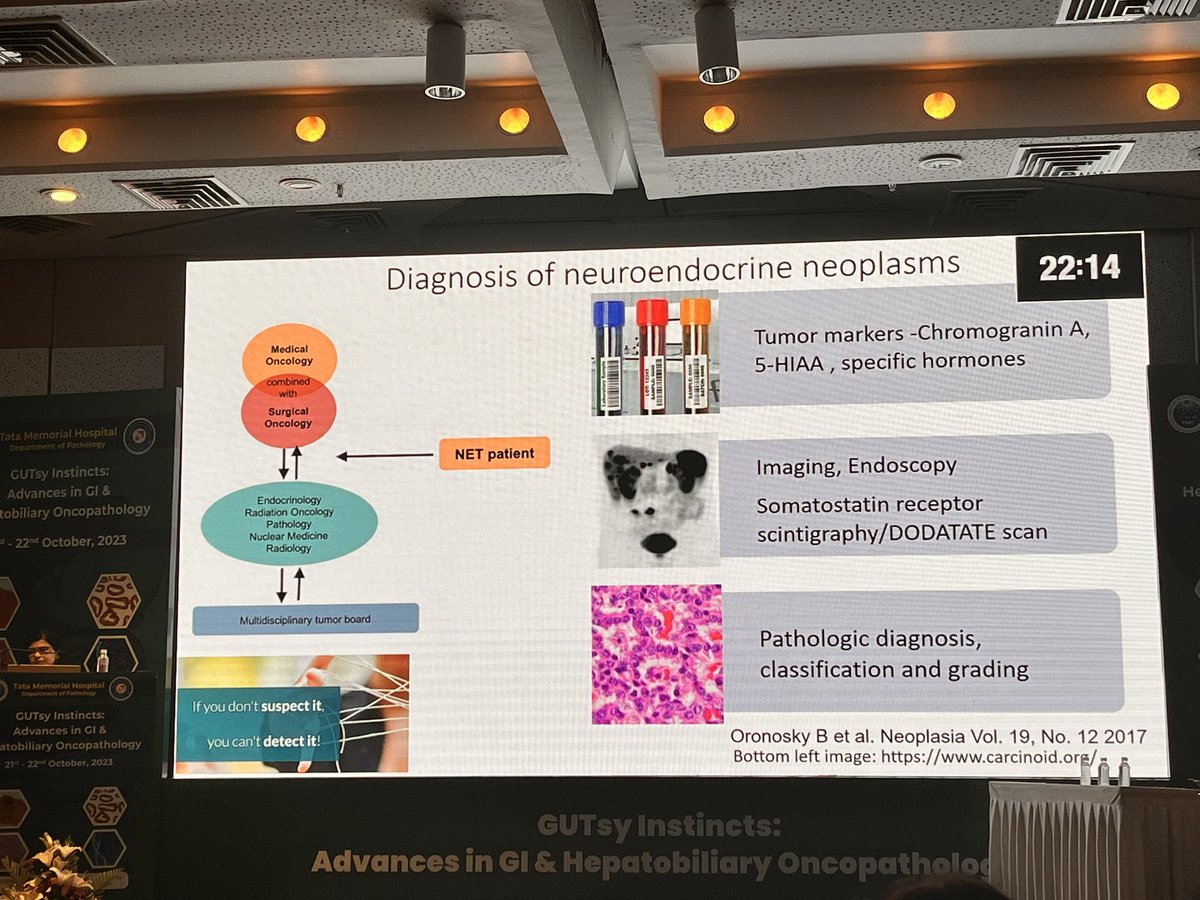
GI Neuroendocrine neoplasms …. grading , pragmatic approach, usual diagnostic queries and tips to resolve the same with IHC and molecular underpinnings dealt in great details by @Mvgs1706 … at GUTsy instincts CME at @TataMemorial
I took a deep dive on the new image feature on ChatGPT 4.0 for histology images and it is 🤯
Follow along below. Note, images are from publically available de-identified slides available on the internet.
NIH funding by institution for FY 2023
1 Johns Hopkins U $518M
2 UCSF $451M
3 U Michigan $436M
4 Penn $434M
5 UCLA $424M
6 Stanford $407M
7 Mass General $406M
8 Wash U. $404M
9 Yale $390M
10 Pitt $382M
11 Columbia $362M
12 Duke $360M
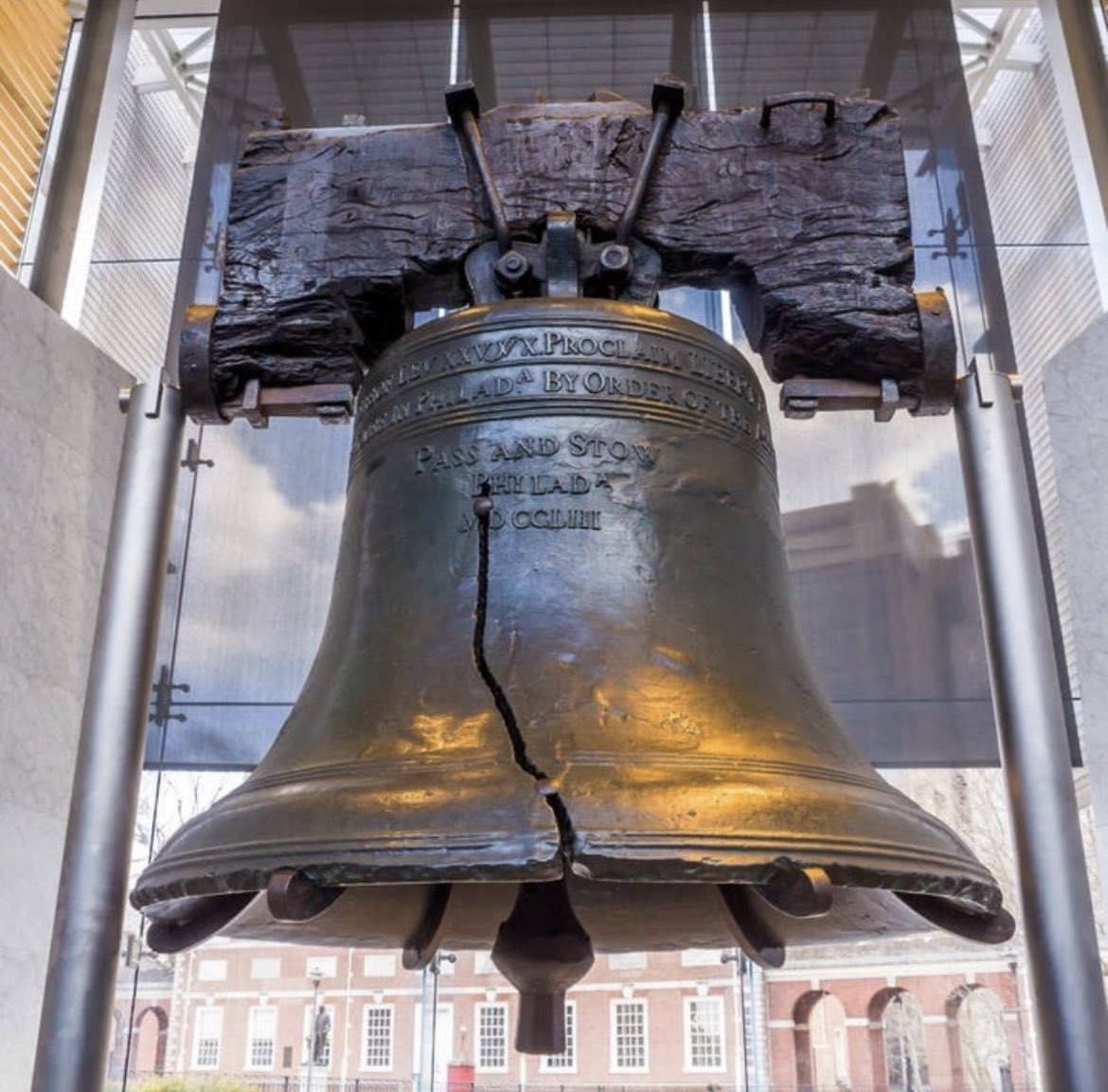
A popular misconception about the Liberty Bell is that it cracked while ringing to celebrate the adoption of the Declaration of Independence, but the reality is quite different. The truth is that during the Revolutionary War, the Liberty Bell was hidden beneath the floorboards of a church in Allentown, Pennsylvania, to protect it from falling into the hands of the British. It remained concealed throughout the war, safeguarded from potential destruction.
The Liberty Bell holds a significant place in American history, and over its lifetime, it played a role in various important events. For example, it rang to signal the first meeting of the Continental Congress, which took place in Philadelphia in 1774. This gathering marked the beginning of the united effort of the American colonies to address their grievances with British rule.
Another notable occasion where the Liberty Bell rang was in 1824 when Revolutionary War hero Marquis de Lafayette visited the United States. The bell's joyful peals commemorated the arrival of Lafayette, a key figure in the fight for American independence.
Furthermore, the Liberty Bell's solemn tolls were heard during the funeral procession of Chief Justice John Marshall in 1835. Marshall was a highly influential figure in American jurisprudence and served as Chief Justice of the United States Supreme Court for over three decades. The Liberty Bell's somber sound honored his contributions and mourned his passing.
When discussing the Liberty Bell, the matter of its cracks cannot be ignored. Contrary to popular belief, the Liberty Bell experienced multiple cracks throughout its existence. The first notable crack appeared in 1752, just twenty years after its creation. It was repaired by local craftsmen, but the restoration resulted in a noticeable crack that altered the sound of the bell.
However, the most well-known crack occurred on July 8, 1835, when the Liberty Bell was being rung to mark the death of Chief Justice John Marshall. As the bell's clapper struck the metal, a large fracture emerged, rendering the bell unusable for further ringing. Efforts were made to repair the crack, but they were unsuccessful, and the Liberty Bell acquired its distinctively recognizable appearance with the prominent crack that we associate with it today.
In summary, while the Liberty Bell was not rung during the adoption of the Declaration of Independence, it played a vital role in various historical events. The bell's cracks, including the famous one from 1835, add to its unique character and symbolize the endurance and resilience of the American spirit.
During the late 19th century, the pharmaceutical company Bayer gained prominence for its production and distribution of various medications. One such product was heroin, which at the time was considered a breakthrough in the field of medicine. Initially, Bayer held the trademark for the word "heroin" and marketed it as a remedy for common ailments like coughs and headaches.
Heroin, derived from morphine, was synthesized by Bayer's chief chemist, Felix Hoffmann, in 1897. The company saw potential in the drug due to its potent pain-relieving properties. As a result, Bayer introduced heroin as an over-the-counter medication, widely available for purchase without a prescription.
The marketing campaign for Bayer's heroin emphasized its effectiveness as a cough suppressant, particularly for children. It was positioned as a safer alternative to traditional cough remedies, such as codeine-based preparations. The company touted the drug's ability to alleviate coughing and soothe headaches, presenting it as a versatile solution for common respiratory and pain-related issues.
During this period, the potential risks and addictive nature of heroin were not yet fully understood or acknowledged. Consequently, the public and medical professionals had limited awareness of the dangers associated with its use. As a result, heroin gained widespread acceptance and popularity as a household remedy.
It wasn't until the early 20th century that the harmful effects and addictive nature of heroin became more widely recognized. As scientific understanding advanced, the medical community and regulatory authorities began to realize the detrimental consequences of its unrestricted availability. Subsequently, heroin was classified as a controlled substance, leading to stricter regulations and eventually its removal from the market as an over-the-counter medication.
The case of Bayer's involvement in the marketing and distribution of heroin as a cough and headache remedy serves as a historical reminder of the evolving understanding of drugs and their effects. It highlights the importance of scientific research, regulatory oversight, and responsible pharmaceutical practices in ensuring public health and safety.
Thank you @bensolomon1 for recognizing that while it’s important to celebrate the wins, it’s critical to remember that tolerable is relative and can change over time for those on chronic treatment.
#LCSM#ASCO23@EGFRResisters
BREAKING: OpenAI just launched the official ChatGPT app for iOS.
Spoiler: It's BETTER than the regular web ChatGPT.
Here's everything you need to know and why it's a big deal: