This is USDC's permit() from two EVM decompilers.
Top increments the nonce, then hashes the new value.
Bottom reads it once into a variable, stores the incremented value, and hashes the original variable.
Only the bottom one matches the bytecode. The top one produces permits that all fail 🧵
Typical contract decompiles in ~0.1s. Works on any EVM chain: paste an address or the bytecode.
Free on the web: https://t.co/NeKNEvbtkS
Built on the open-source EVMole library (selectors, storage layout, proxies, CFG) - cdump/evmole on github
Send me contracts that break it. If the output behaves differently from the bytecode, I want the address.
Nice list. Two additions from me (disclosure: I wrote both):
Steps 3 + 4: evmole, open source. Detects proxies and recovers the ABI and storage layout from bytecode, even for unknown selectors. https://t.co/S2Nbh6bsir
Step 2: https://t.co/NeKNEvbtkS, a decompiler built on it. Paste the address and get readable code; a typical contract decompiles in ~0.1s
EVMole's benchmarks now cover Solidity & Vyper compiler generations, settings, ABI/storage layouts, modern opcodes and hard CFGs - using 14.5K verified contracts and ground truth from @SourcifyEth.
#1 in quality. MIT-licensed OSS for Py/Rust/JS/Go
Try it: https://t.co/EpaPH9IwFO
Code: https://t.co/S2Nbh6bsir
Would be interesting to compare ExVul with EVMole on selector, argument, and mutability recovery - especially control-flow reconstruction.
Benchmark results: https://t.co/c2sAFQy5nh
Reproduction steps: benchmark/README.md
I also checked a random contract from the dataset, and ExVul missed router():
https://t.co/N2E5SBkVMI
EVMole is MIT-licensed library, so integrating it could potentially improve this part of the decompiler
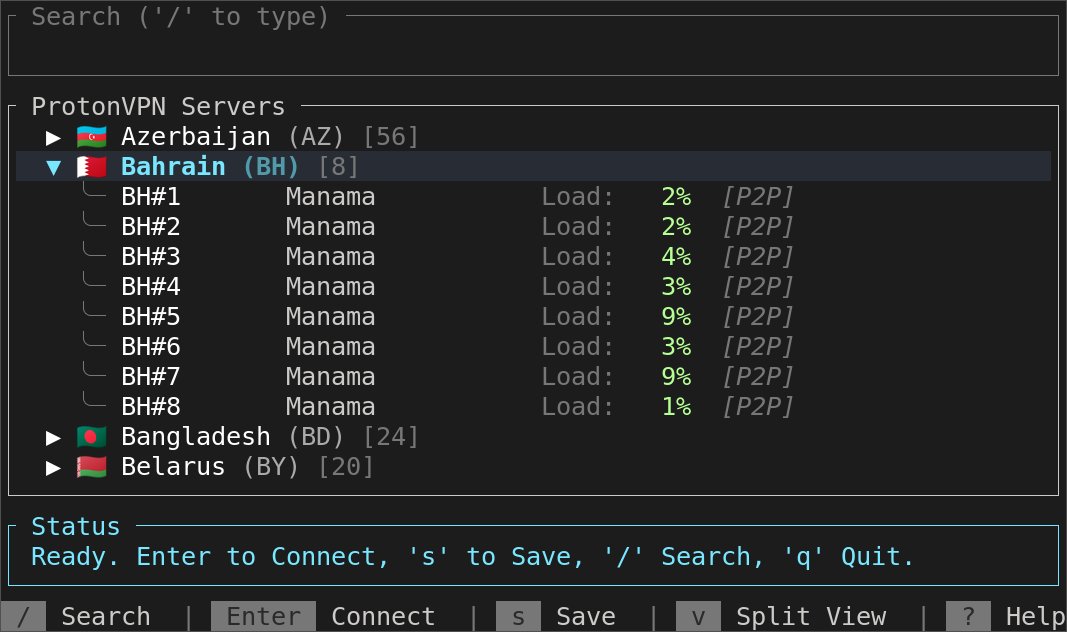
Just released Proton TUI! 🚀
A modern, unofficial terminal interface for @ProtonVPN written in #Rust.
This project was almost entirely built by AI coding agents with me as reviewer.
https://t.co/BWPMwdIGMQ
@optimizoor Protip 1 isn’t true. Proof: https://t.co/AkGZPKtpQO
You can find only one occurrence of SELFBALANCE in the Disassemble tab. See the source code in the Source Code tab.
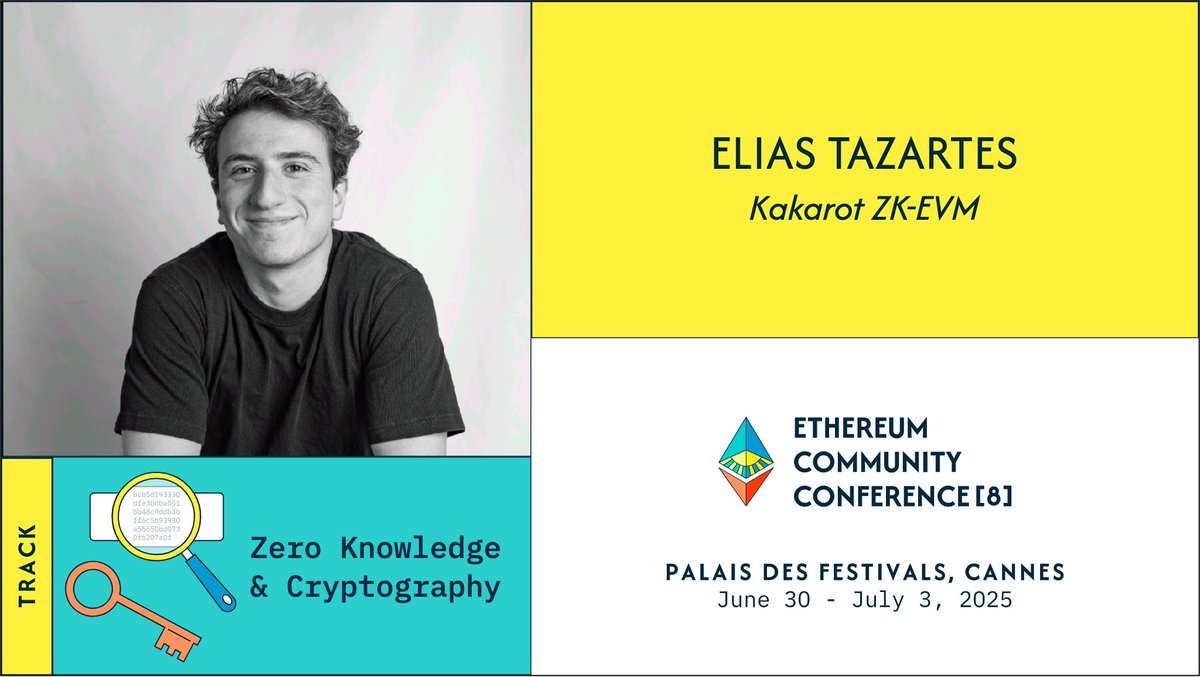
Say hello to more EthCC[8] speakers!
Elias Tazartes from Kakarot ZK-EVM (@ETazou)
Track: 🧬 Zero Knowledge & Cryptography
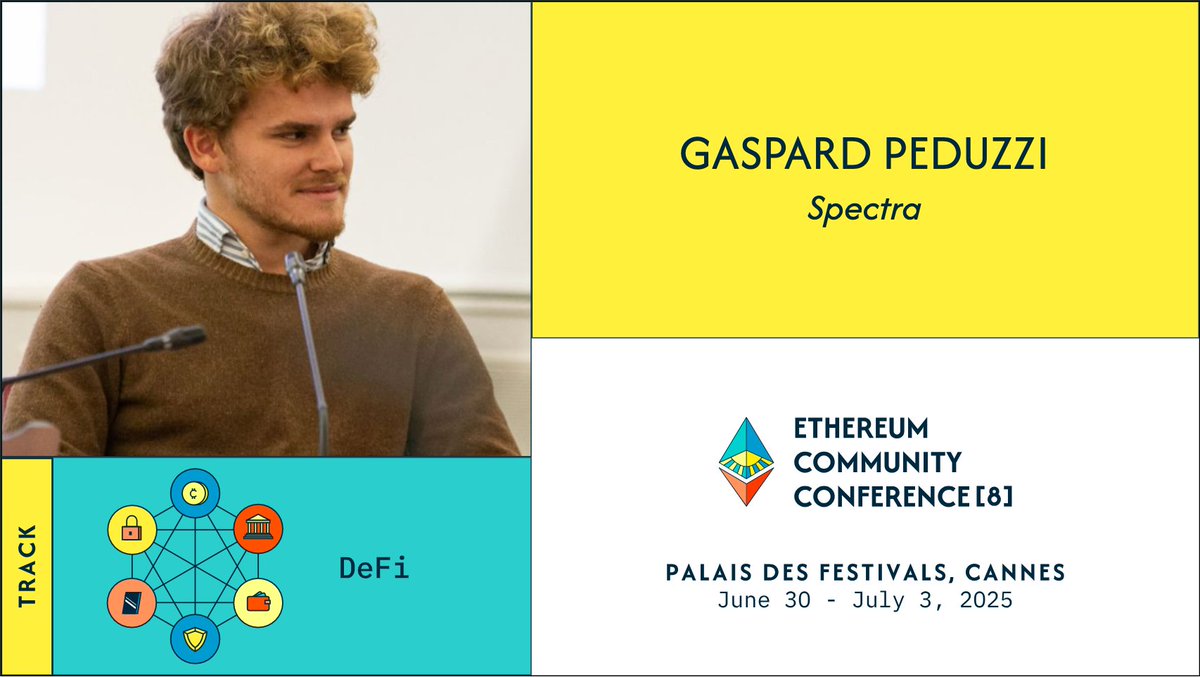
Gaspard Peduzzi from Spectra (@GaspardPeduzzi)
Track: 🏦 DeFi
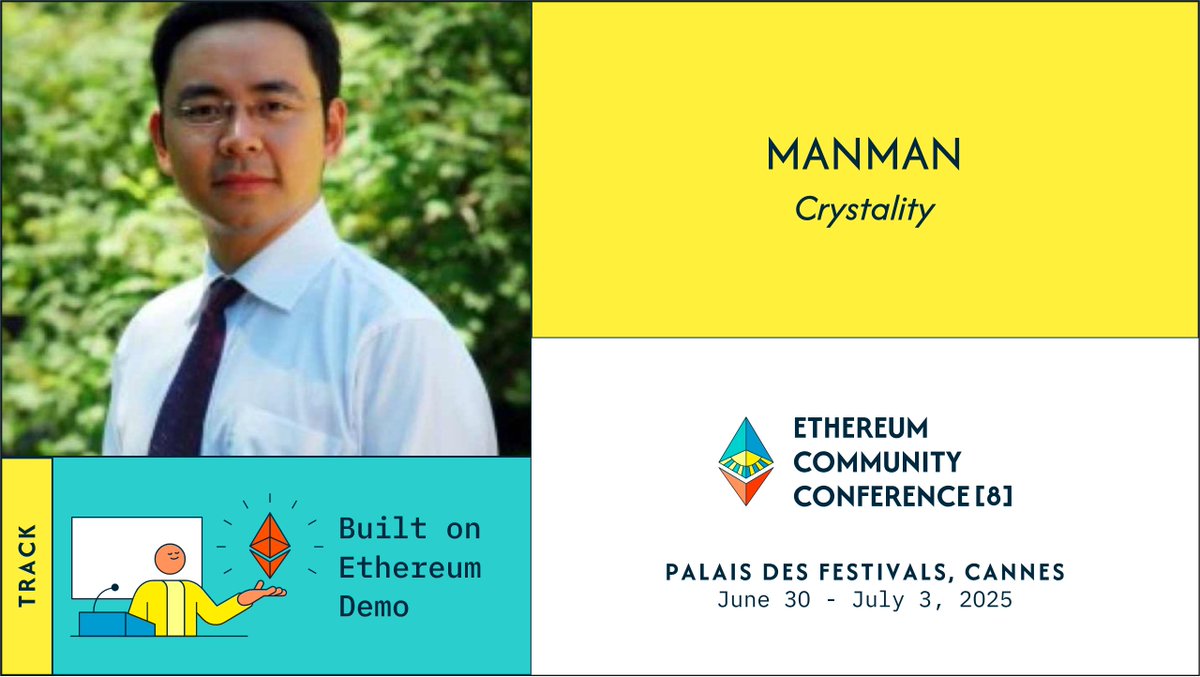
Manman from Crystality (@PREDALang)
Track: 🛠️ Built on Ethereum Demo
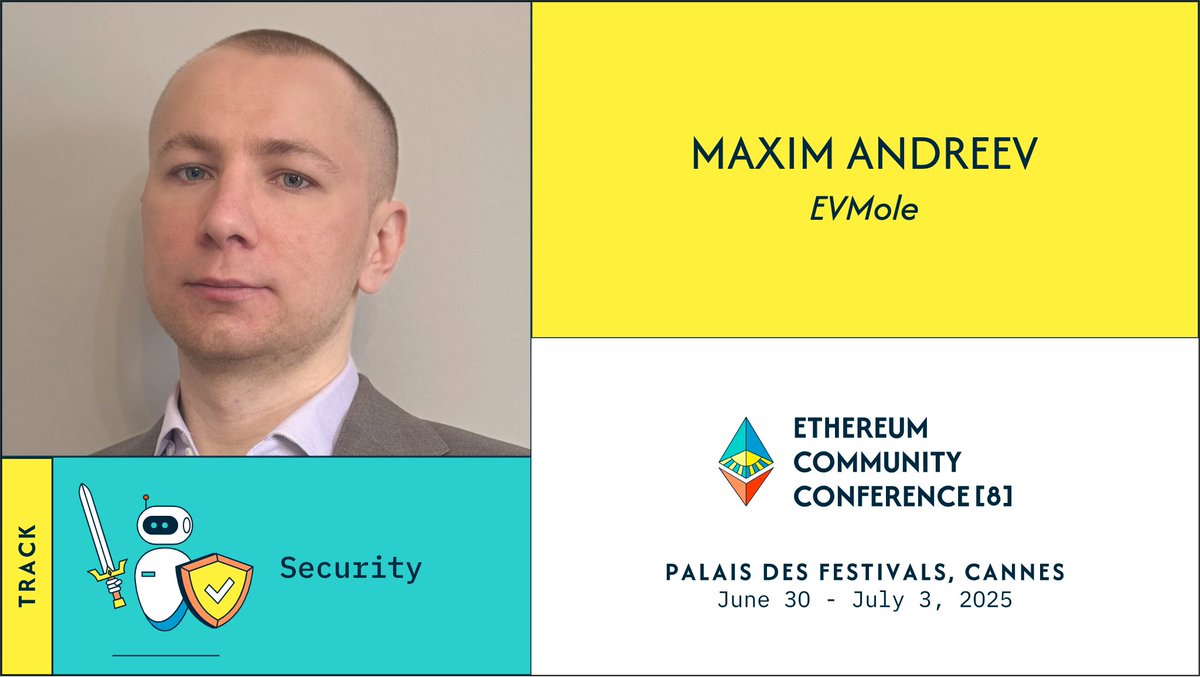
Maxim Andreev from EVMole (@cdump)
Track: 🔐 Security
See you in Cannes! 💙💛🧡
Security remains one of the most critical challenges in blockchain, from smart contract exploits to protocol vulnerabilities. At ETH Taipei, we’re bringing together leading security researchers and engineers who are working on the frontlines of blockchain security.
In this next wave of speaker announcements, meet four experts shaping the future of blockchain security. 🔐
Daniel Cumming – Runtime Verification (@rv_inc)
Smart contract audits often reveal critical bugs that were missed during development, but what if developers could catch them earlier?
As a Verification Engineer at @rv_inc, Daniel Cumming focuses on formal methods—powerful tools for ensuring smart contract correctness. His talk, "Empowering Everyone: Taking Specialization Out Of Formal Methods," explores how developer-friendly formal verification tools can help teams detect vulnerabilities earlier.
Louis Tsai (@0xlouistsai) – Amber Group
Fusaka upgrade is set to introduce Ethereum Object Format (EOF)—a major shift in smart contract structure and execution. But how will EOF impact program analysis and security tools?
As a Web3 security researcher in @ambergroup_io and smart contract auditor, Louis Tsai is actively working on EOF integration and contributes to the Ethereum Execution Spec Tests (EEST) project. His talk, "A Deep Dive into EOF and Its Impact on Program Analysis," explores how EOF’s structured versioning, code-data separation, and new control flow mechanisms (CALLF, JUMPF, RETF) will change smart contract auditing and reverse engineering.
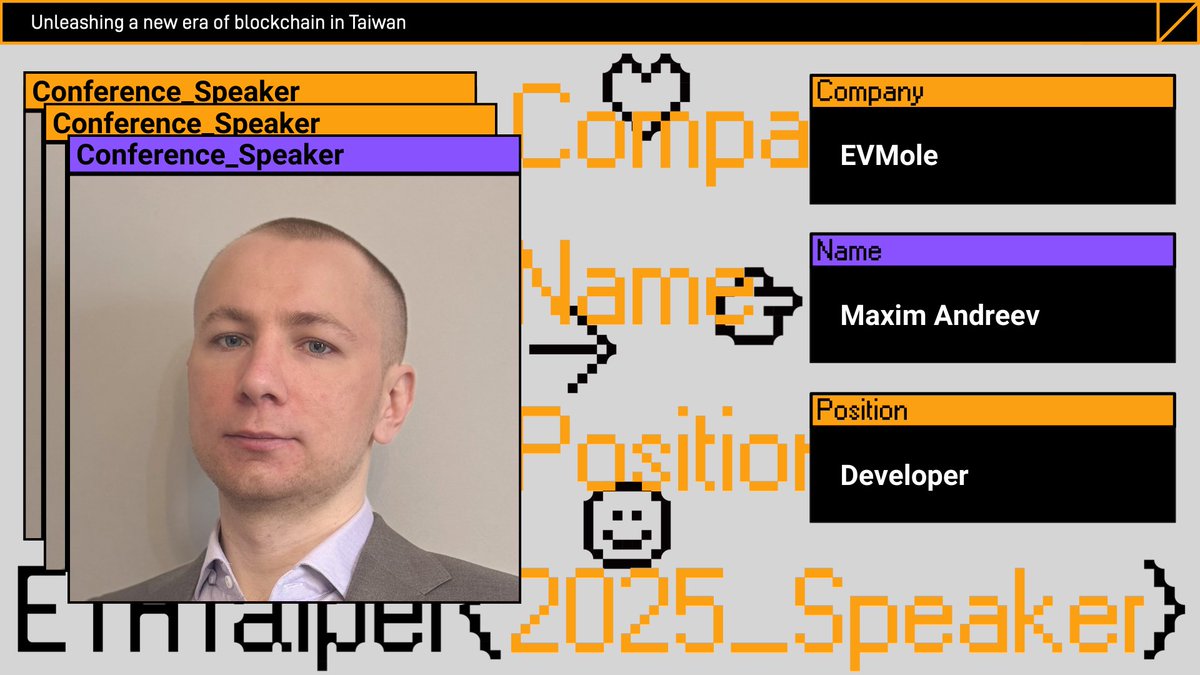
Maxim Andreev (@cdump) – EVMole
Accurately analyzing EVM bytecode is critical for smart contract security, but existing control flow graph (CFG) reconstruction methods are often slow and imprecise.
As the creator of EVMole, Maxim Andreev is developing advanced analysis algorithms to improve smart contract auditing and vulnerability detection. His talk, "Reconstructing Control Flow Graphs from EVM Bytecode: Faster, Better, Stronger," introduces a new algorithm that significantly enhances speed and accuracy, enabling more effective security analysis.
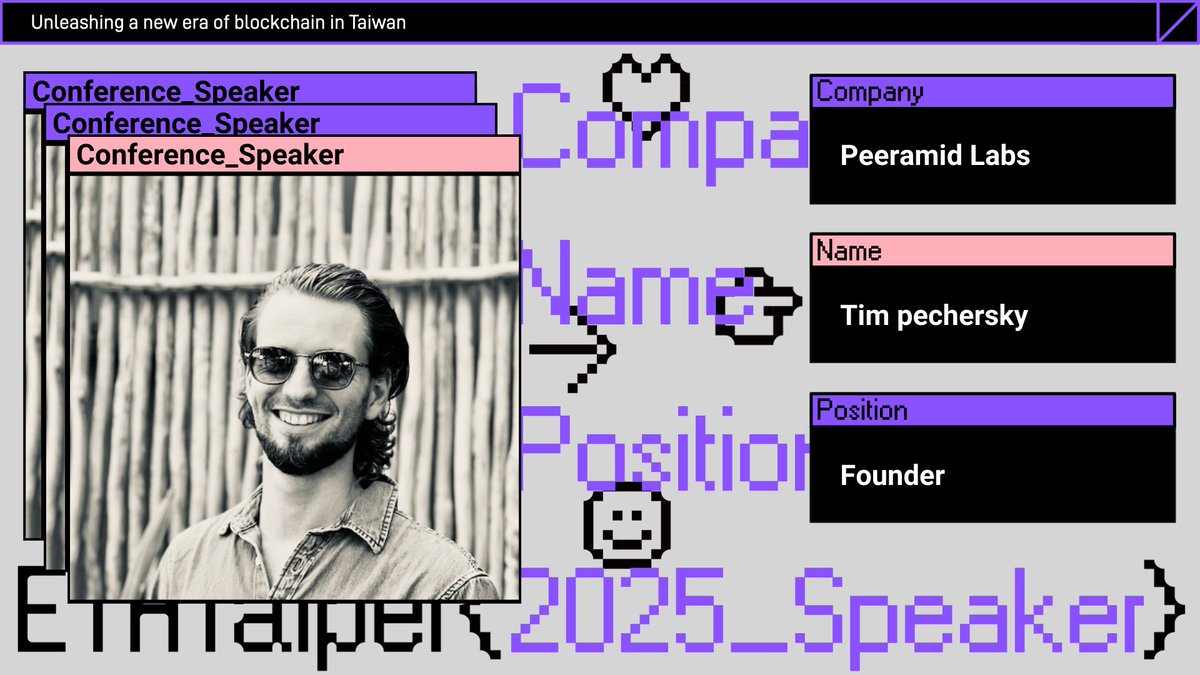
Tim Pechersky (@iampeersky) – Peeramid Labs
How can Ethereum improve code verification, trust, and resource efficiency? EIP-7784: GETCONTRACT introduces a new opcode that enables retrieval of contract addresses by their bytecode hash, bringing content-addressed storage to the EVM.
As the Founder of @peeramid_labs and former Security Architect at OpenZeppelin, Tim Pechersky applies dynamic systems theories to security in both crypto and social structures. His talk, "EIP-7784: GETCONTRACT opcode," explores how this proposal enhances security audits, pre-deployment whitelisting, and gas optimization.
More speakers are on the way—stay tuned for the next wave of builders, researchers, and innovators joining us at ETH Taipei!
📍 Join us at ETH Taipei: https://t.co/4wPTbgwkyU
🎟️ Get your tickets now: https://t.co/8jisOzNlA2