A woman lived to 117 without cancer, cardiovascular disease, or neurodegenerative disease. What does her biology look like?
Her telomeres were exceptionally short, and her blood and immune cells showed clear signs of aging. Yet her epigenetic age was approximately 23 years younger than her chronological age. She also had very low inflammation, protective genetic variants, and a diverse gut microbiome.
She followed a Mediterranean diet, ate plenty of yogurt, walked, gardened, read, played piano, slept well, and remained socially active too.
We can’t derive a longevity formula from one exceptional person, but I think her biology offers a fascinating glimpse of how aging and disease may become uncoupled.
Researchers cut open the brains of Alzheimer’s patients and found a bacteria living inside 90% of them.
It’s the exact same bacteria that lives in your mouth right now.
For decades, medicine treated Alzheimer’s as an unavoidable genetic flaw or a random protein glitch.
The leading theory blamed "amyloid plaques”, sticky protein buildups that choke off brain cells. Big Pharma spent billions trying to destroy these plaques.
Almost every single drug trial failed.
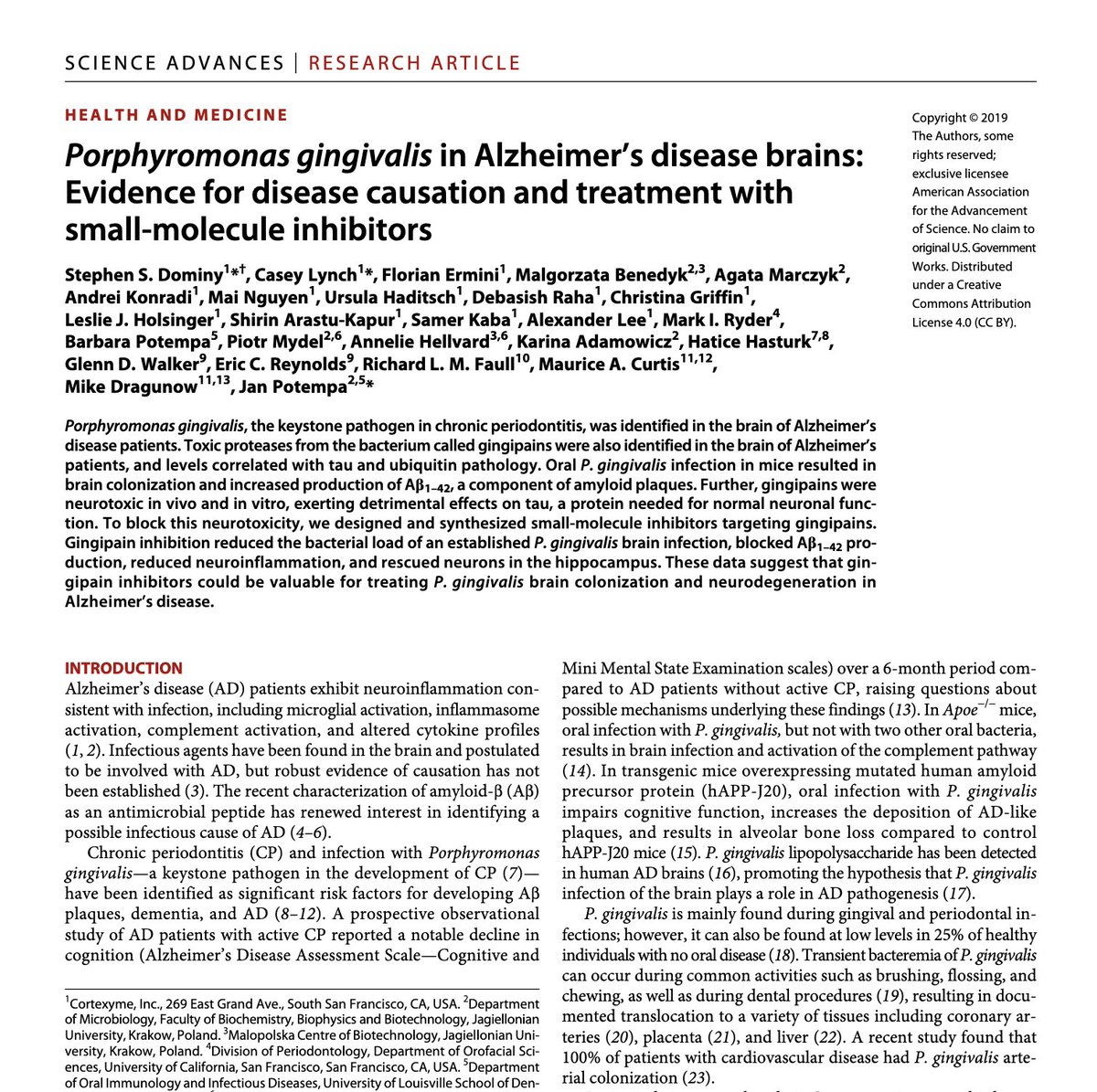
A groundbreaking study published in Science Advances revealed why.
The protein plaques aren't the primary cause of the disease.
They are the brain's desperation defense mechanism against an invader.
The culprit is Porphyromonas gingivalis, a common bacterium that thrives in infected gums.
When your gums bleed, the bacteria enters your bloodstream. Over years, it breaches the blood-brain barrier and secretes toxic enzymes called gingipains.
These toxic enzymes literally slice up brain tissue, destroy neurons, and trigger devastating memory loss.
To defend itself, the brain produces amyloid proteins to trap the bacteria.
We weren't looking at the cause of Alzheimer's.
We were looking at the crime scene aftermath.
When researchers infected healthy mice with the gum bacteria, the mice developed brain infections, amyloid plaques, and rapid neural damage.
When they gave the mice a targeted drug to block the bacterial enzymes, the brain infection cleared, neuroinflammation dropped, and dying neurons were rescued.
Alzheimer’s may not be an irreversible decay of the mind.
It might be a chronic bacterial infection we’ve been ignoring for decades.
The solution to one of humanity's most terrifying diseases might not start in a neurology ward.
It might start in your mouth.
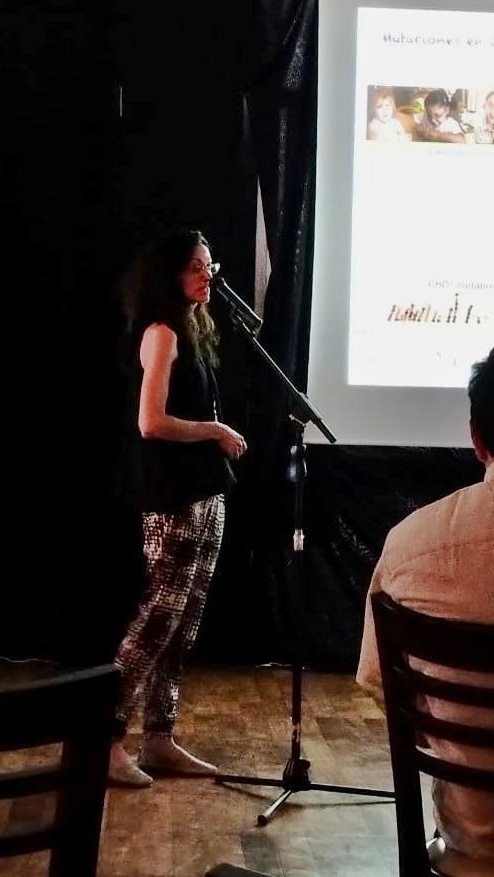
Uno cree que el bullying de los grupitos termina en el colegio. Pero también existe entre adultos. Por suerte, fue una excepción en mi recorrido. El verdadero compañerismo consiste en incluir, no en excluir; en resolver los conflictos de frente, no atacando en manada.
🤔¿Te acordás cuando nos visitó el físico Juan Martín Maldacena?
👉Te invitamos a ver su conferencia completa: "El significado del espacio-tiempo. Geometría, agujeros negros y la mecánica cuántica" en nuestro canal de Youtube: https://t.co/8QI4XbcGsB
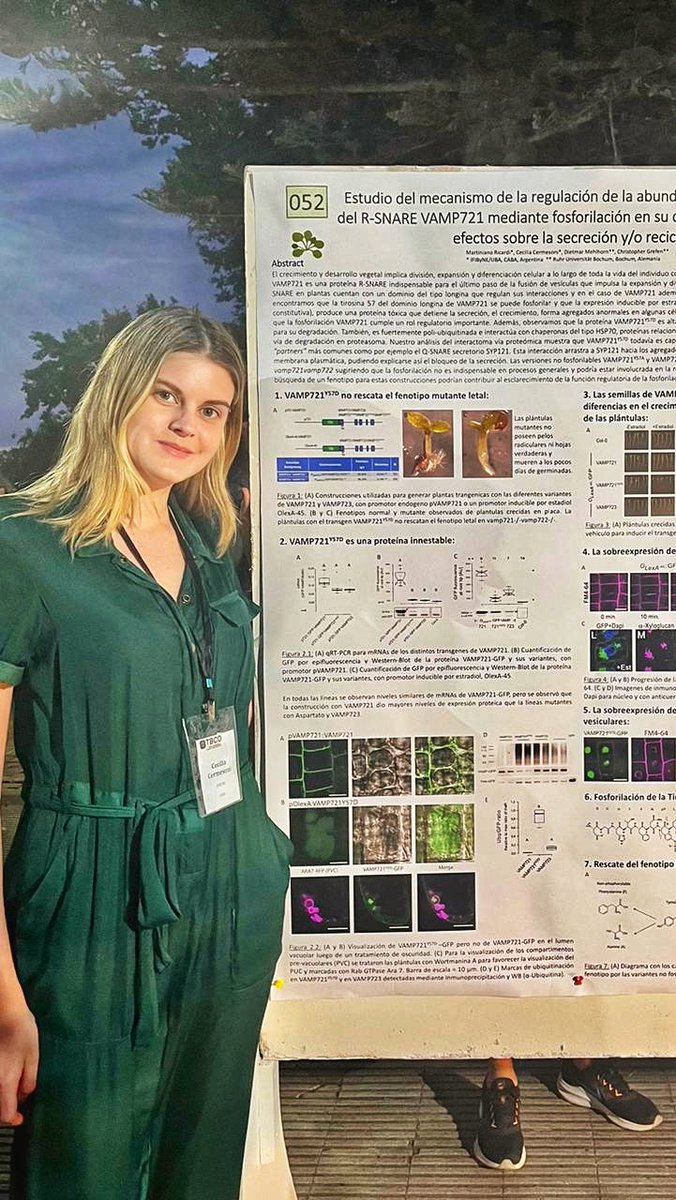
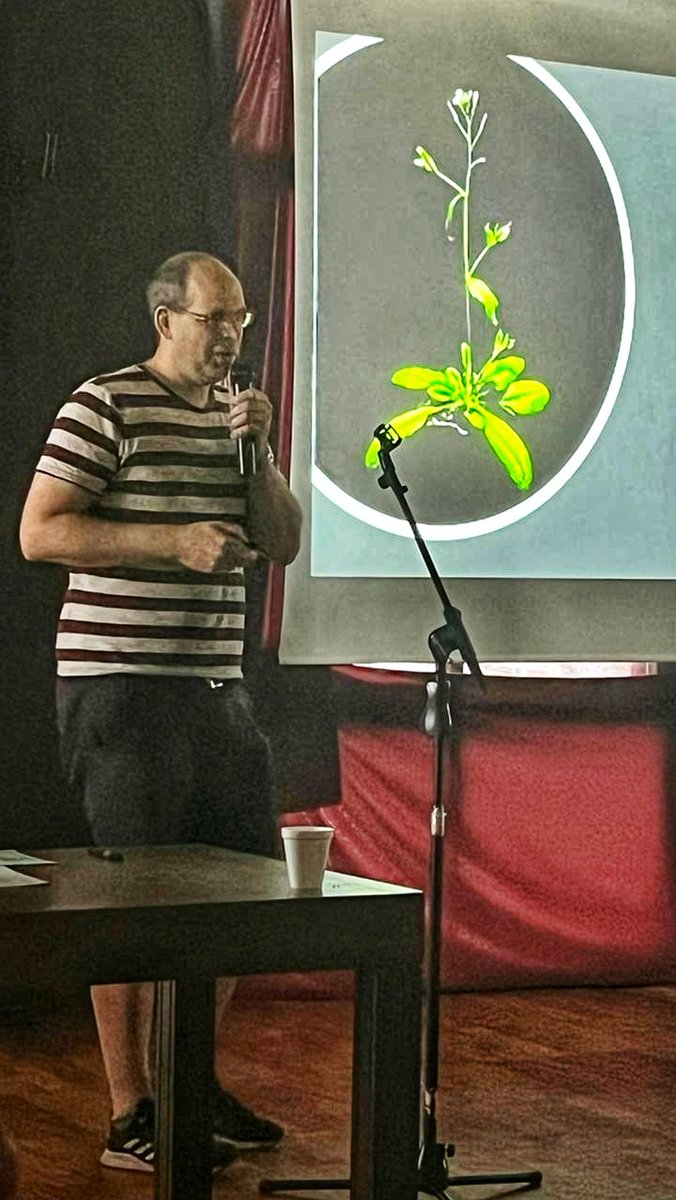
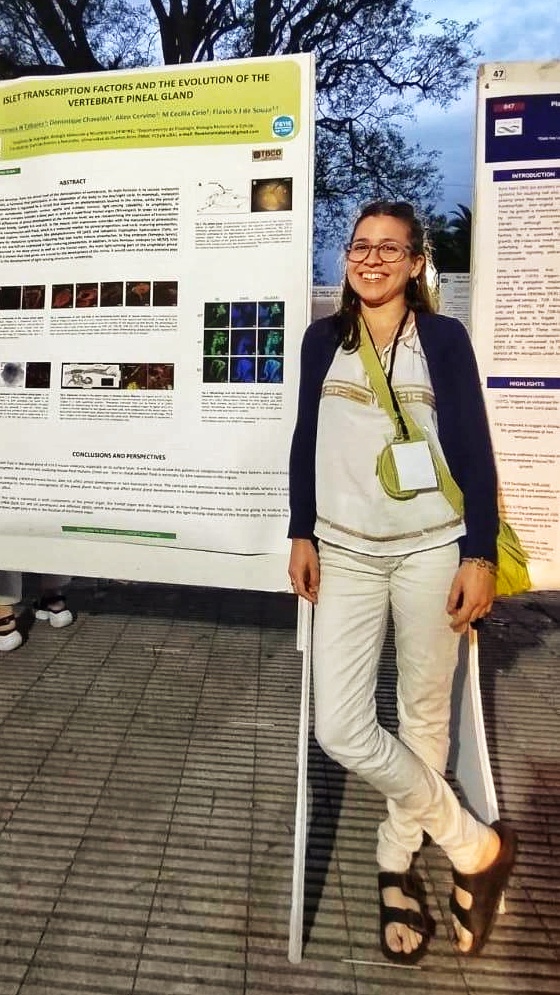
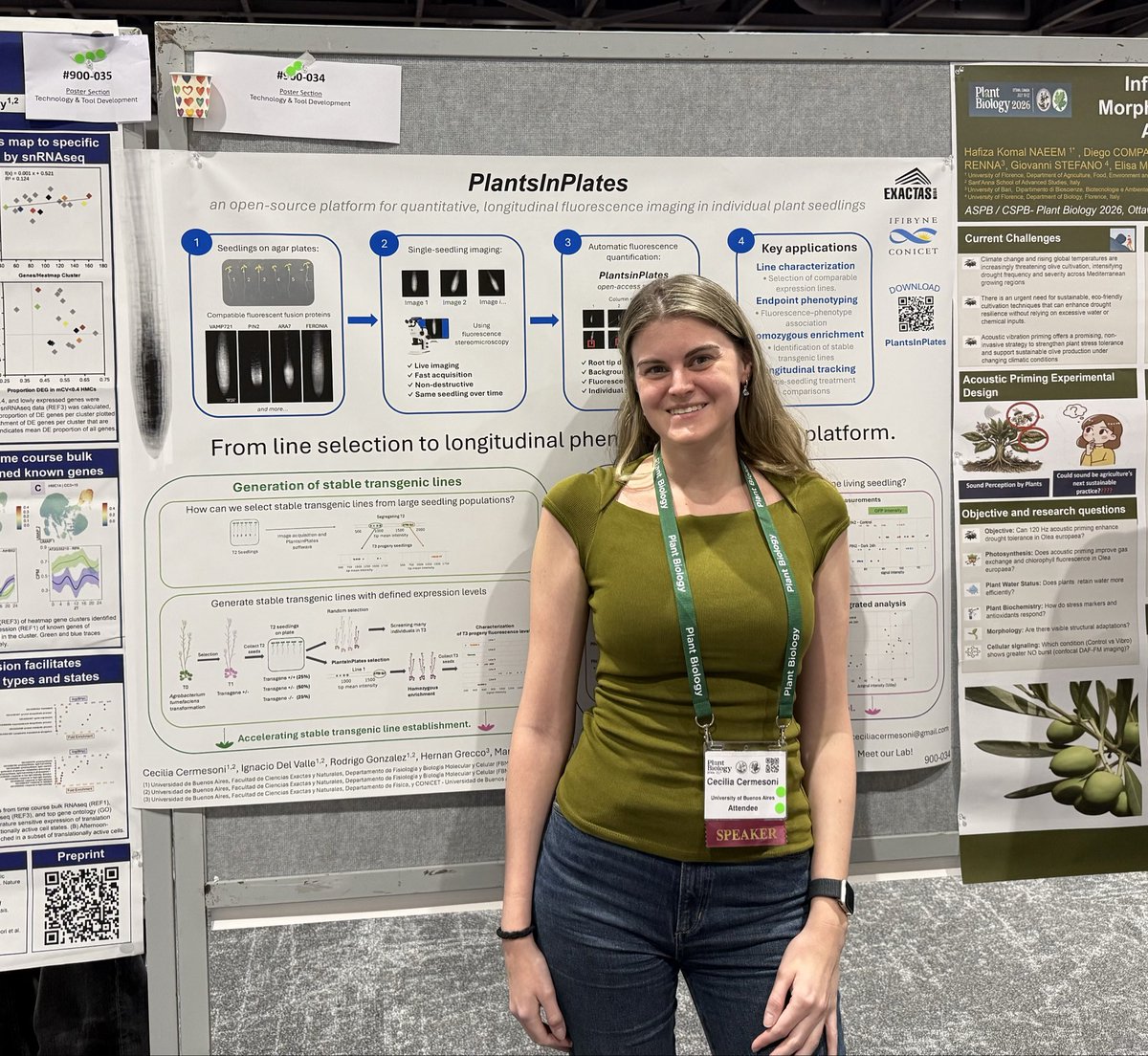
🌱 Excited to share highlights from #PlantBiology2026, the annual meeting of @ASPB in Ottawa, Canada.
I presented both a talk and a poster representing @IFIBYNE.
It was a great week of science and inspiring discussions.🧵👇
The right tools make scientific questions easier to answer.
That’s why we developed PlantsInPlates, our open-source platform for high-throughput screening and longitudinal fluorescence imaging.
Este sábado, parte de mis videos de confocal van a transformarse en visuales en vivo durante el set de @anahagenn ✨
🎥 Visuales en vivo por @ssslu___ (ig)
📍 @mansoclub
🗓️ Sáb 9/5 — 21 h
Muy agradecida con @anahagenn, @franbjelica y @mansoclub por esta oportunidad 💚
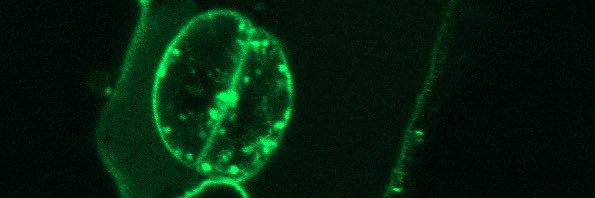
La microscopía es una de las cosas que más amo de hacer ciencia 🌱✨
En mi doctorado estudio cómo crecen las plantas a nivel celular usando microscopía confocal y proteínas fluorescentes.
Siempre sentí que estas imágenes eran mucho más que datos de laboratorio.
Son una manera de entrar en el mundo microscópico de las plantas y revelar algo que normalmente permanece invisible.
@Seanathon_J @PaulStamets@HBO@TheLastofUsHBO Idk if this answers ur question, but there are fungi that are already part of our flora and adapted to our body temp. For a species to parasite another there is an intimate and ancient relation between both species, lots of specialized genes especially for infection.
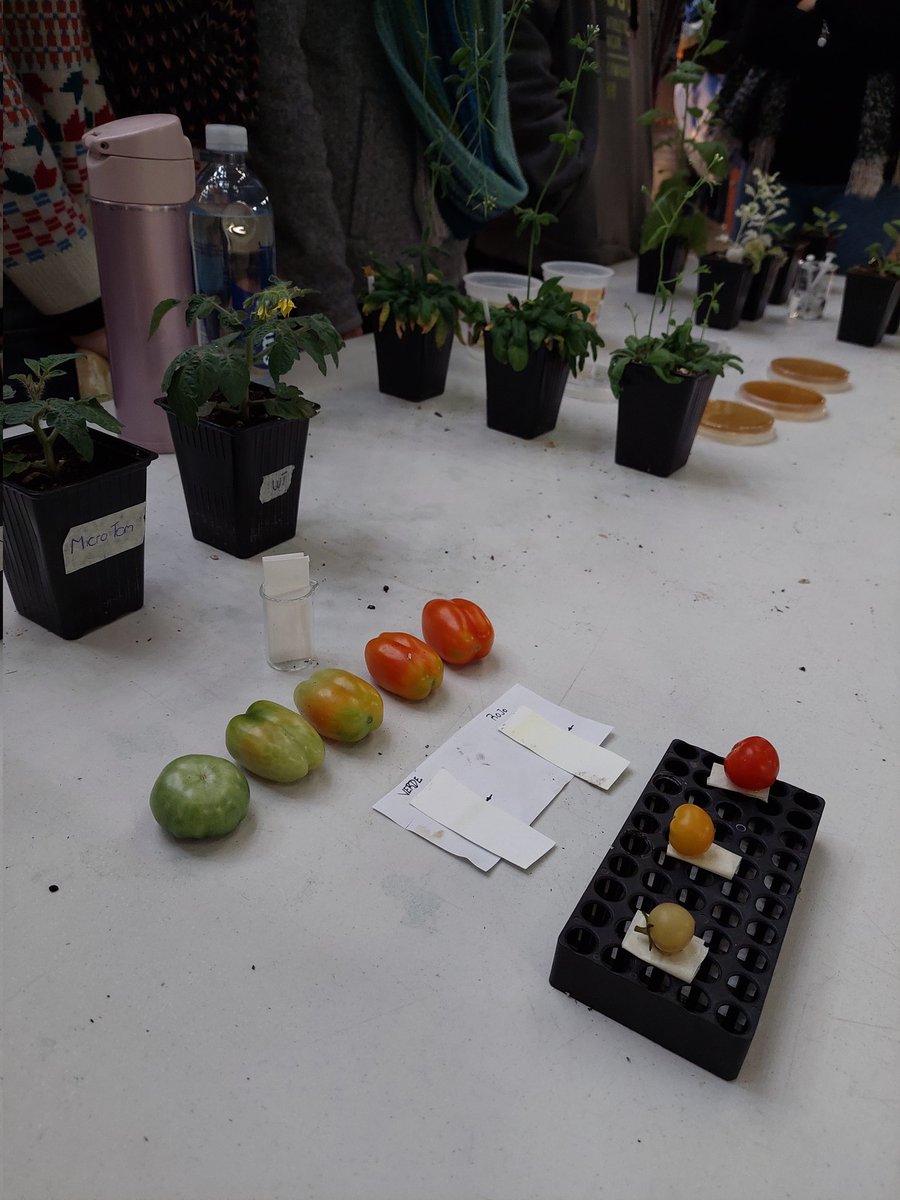
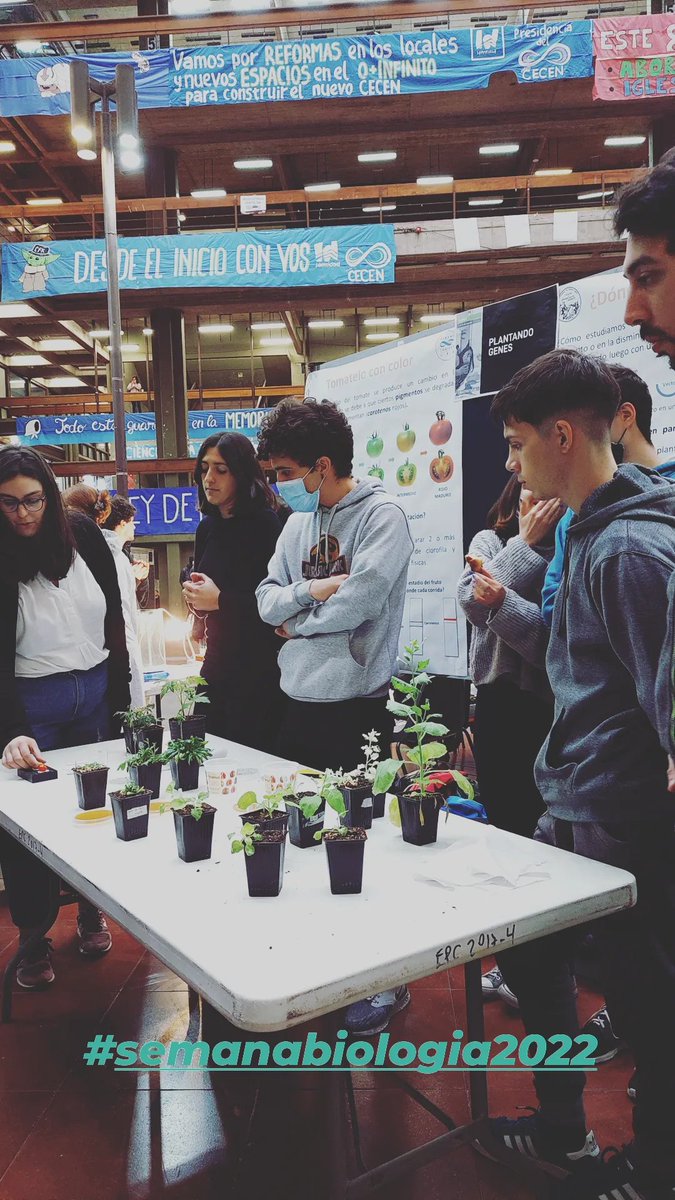
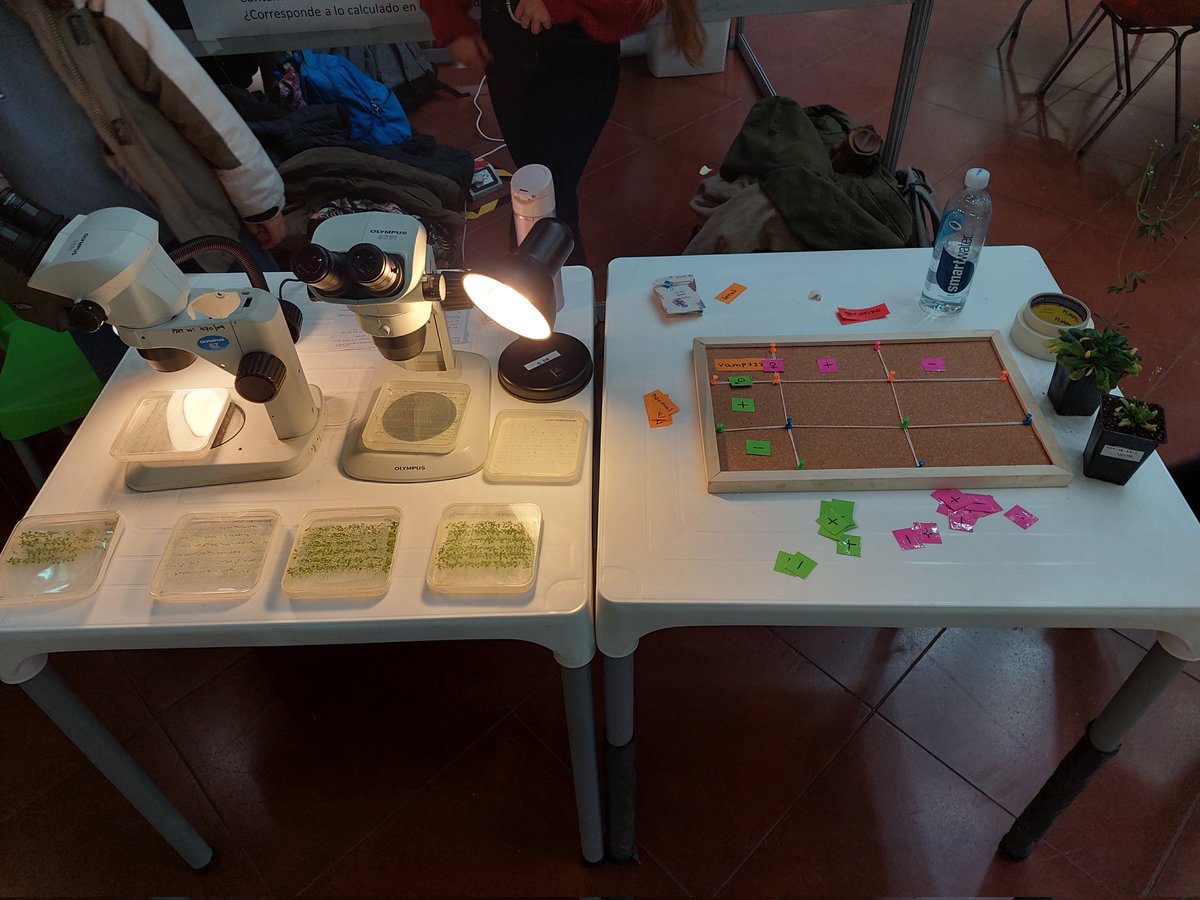
Un poco de lo que fue la #SemanadelaBiologia2022 en 📍FCEN UBA📍. En nuestro stand 🌱Plantando Genes🌱 le mostramos a alumnos de secundaria con que trabaja un biólogx molecular de plantas usando las 3 plantas modelo: Arabidopsis, Nicotianas y Tomates Micro-Tom. 🧬💪