HISTORY HAS BEEN MADE 🫨
Sabastian Sawe becomes the first person ever to break the 2-hour barrier in official race conditions, storming to a historic 1:59:30‼️
@KejelchaYomif, on his marathon debut, also breaks 2 hours with a stunning 1:59:41 and @jacobkiplimo2 clocks 2:00:28, also faster than the previous world record 😤
Dos corredores por debajo de las 2 horas en el Maratón de Londres.
En un evento oficial, Adidas gana la carrera por subir el Everest del atletismo, por llegar a la luna.
Sabastian Sawe 🇰🇪 1:59:30
Yomif Kejelcha 🇪🇹 1:59:41 (el primer maratón de su carrera).
Keeping active! 💪
Galaxy IC 486 shines in this new Hubble image. Its core glows with the light from an active galactic nucleus, or AGN, which is powered by a supermassive black hole more than 100 million times the mass of our Sun: https://t.co/66ftmZ9mOU
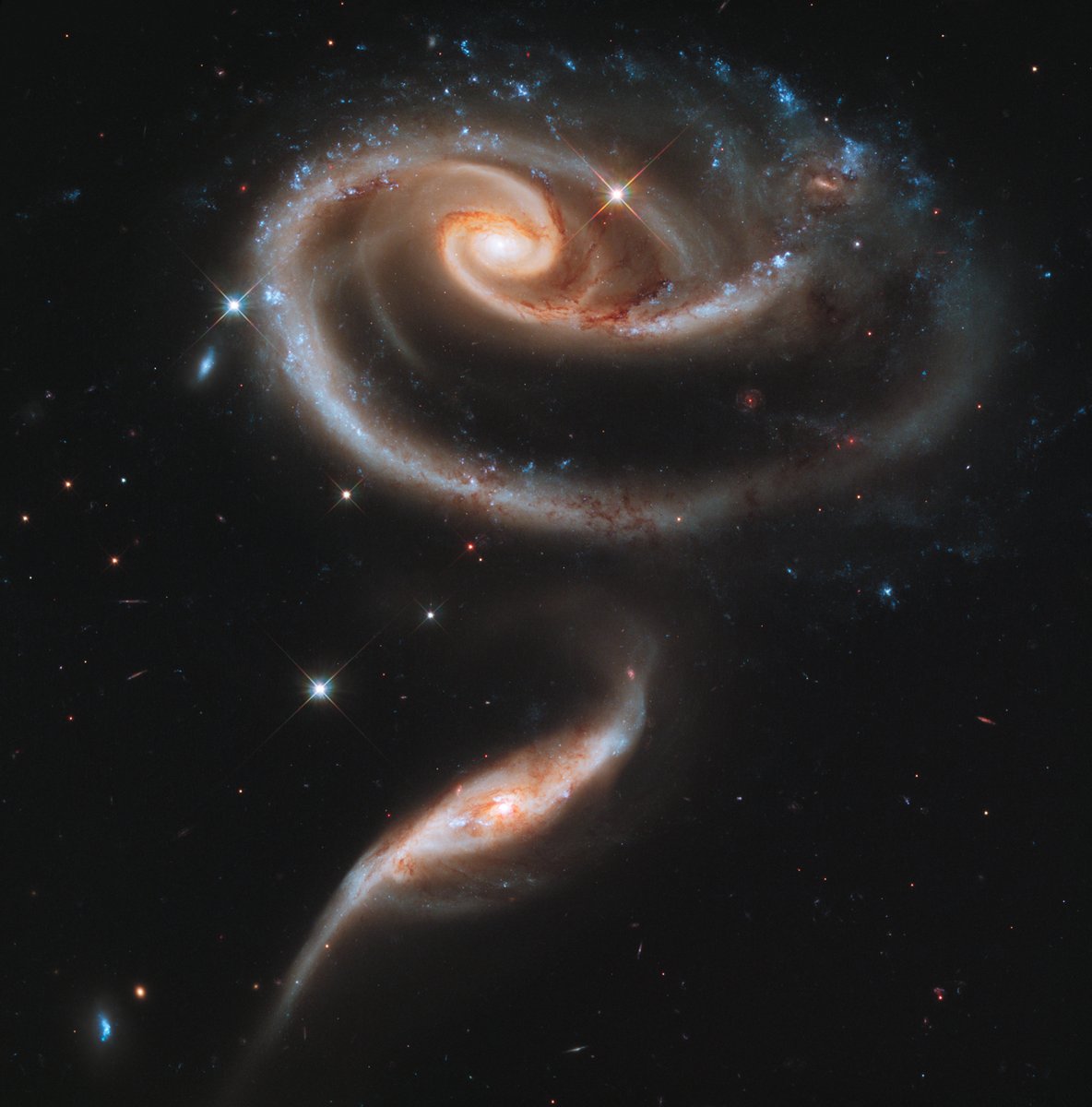
The cosmos gifted us a rose 🌹
This rose is made of a pair of interacting galaxies that have been distorted by each other’s gravitational pulls. Learn more about these cosmic companions: https://t.co/4CeWf4cbhY
Behold, the heart‑shaped Cocoon Nebula — because even the universe can get a little dramatic about Valentine's Day. Nothing says “I love you” quite like a giant cloud of hot gas. If you need it, it'll be out there glowing majestically roughly 2,650 light-years from Earth.💘✨
It’s #SunDay! Here’s your space weather report for the week of Jan. 30 – Feb 5:
- 72 M-class flares (!)
- 6 X-class flares
- 33 coronal mass ejections
- 0 geomagnetic storms
This video from NASA’s Solar Dynamics Observatory (SDO) shows the week’s activity.
SDO ended its Earth eclipse period this week just in time for an uninterrupted view of a barrage of solar flares! This week, one active region in particular — AR4366, which rotates onto the Earth-facing disk of the Sun at the beginning of this video — unleashed a whopping six X-class flares this week, and all but three of this week’s 72 M-class flares. This one is worth a watch!🤩
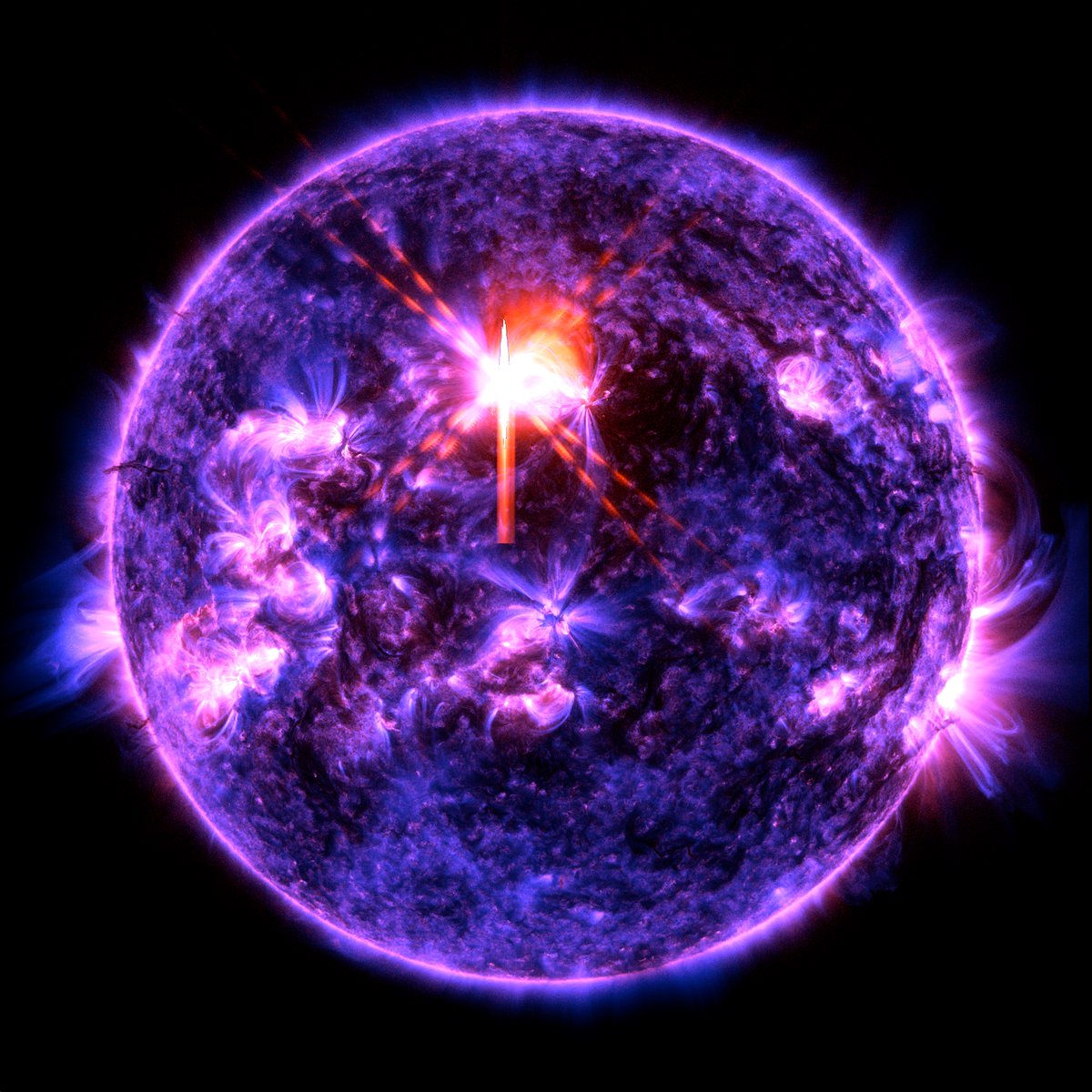
The Sun emitted a strong solar flare on Feb. 4, peaking at 7:13 a.m. ET. NASA’s Solar Dynamics Observatory captured an image of the event, which was classified as X4.2: https://t.co/qI38AfWaYr