In 1963, America was down to four hundred seventeen nesting pairs of bald eagles. Not four hundred seventeen thousand — four. One. Seven.
The Wildlife Center of Virginia had been working on her for a month. Puncture wounds. Heavy metal poisoning. On June 15 she was released.
The population is over three hundred thousand birds now. It took sixty years.
On June 15, one more eagle left the glove.
In 1980, an entire species had one mother. Her name was Old Blue.
The Chatham Island black robin had been reduced to just 5 individuals, and Old Blue, identified by the blue band on her leg, was the only breeding female left alive. Introduced rats and cats had wiped the species from most of its range on the remote Chatham Islands, 500 miles east of New Zealand, and habitat loss had finished much of the damage.
By the time Don Merton and his New Zealand Wildlife Service team began intensive management, there was almost nothing left to save.
Merton realized that if Old Blue's eggs were removed and placed in the nests of Chatham Island tomtits, she would lay replacement clutches. The foster parents raised the first broods while Old Blue produced more eggs.
Against all odds, the population began to grow. Old Blue was last seen in December 1983. By then, she had produced enough descendants to give the species a future. Every Chatham Island black robin alive today traces its ancestry back to her.
Don Merton went on to apply similar techniques to endangered birds around the world before his death in 2011. The black robin remains one of conservation's most extraordinary success stories.
Old Blue never knew how close her species came to disappearing forever. But she lived long enough to ensure that it didn't.
A father’s legacy is not what he leaves behind - it’s what he builds in his children.
This Father’s Day, thank you to the fathers across our Navy and Marine Corps family for the sacrifices you make, the example you set, and the legacy you build every day.
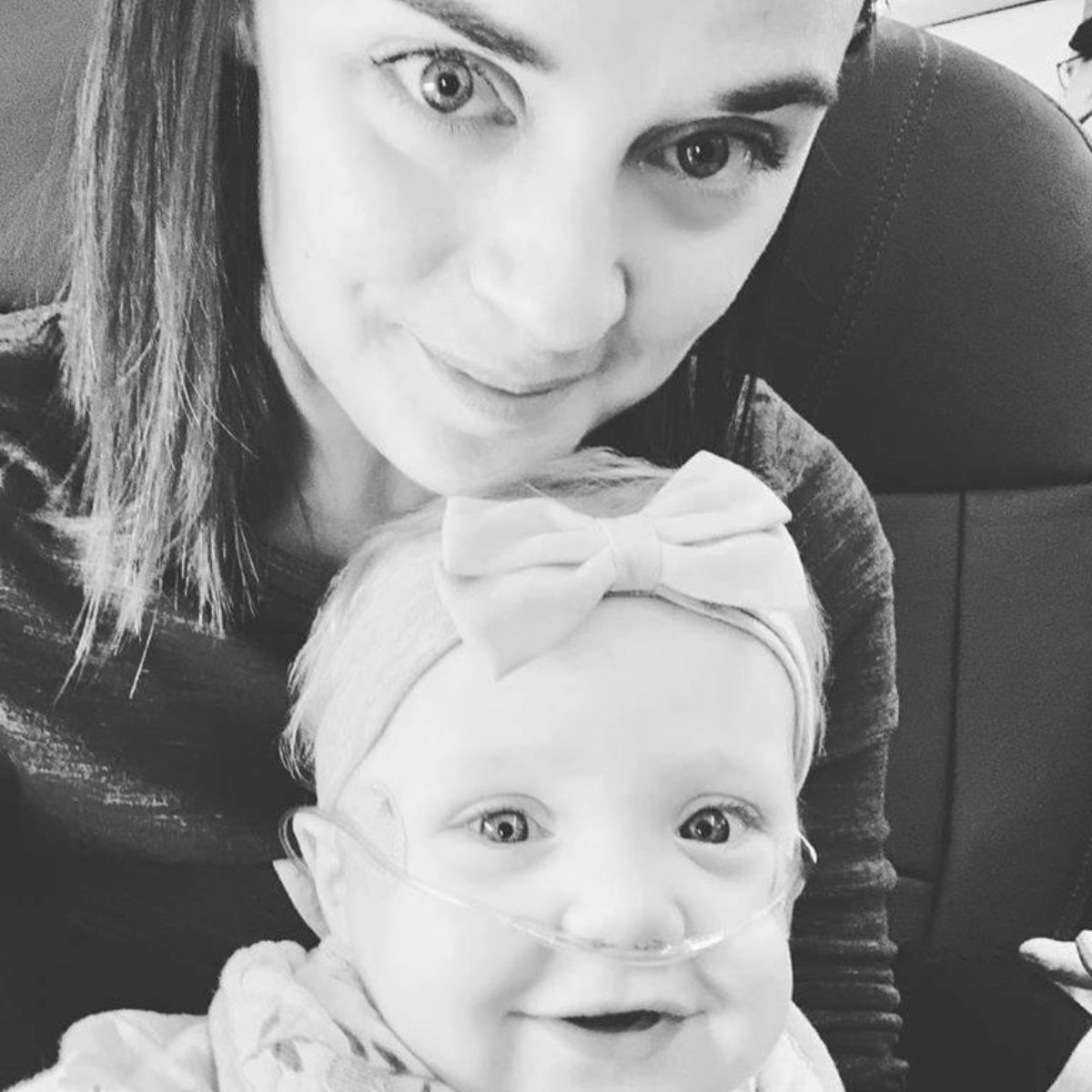
To the man in 2D, today you were flying from Orlando to Philly. I don’t know you, but I think you must have seen us somewhere. I was pushing a stroller, carrying a diaper bag, and also lugging an oxygen machine for my daughter. We were all smiles, heading to see her "friends" at CHOP (Children’s Hospital of Philadelphia). We boarded the plane early, got settled in our window seat, and joked with the people around us about sitting next to my yelling-but-happy baby. Then, the flight attendant came over and told me you were offering to switch seats. You were giving up your comfortable first-class seat for us.
I couldn’t hold back the tears as I walked down the aisle, while my daughter Lucy giggled! She could feel the kindness too… real, pure goodness. I smiled and thanked you as we swapped seats but didn’t get the chance to thank you properly.
So... thank you. Not just for the seat, but for noticing us. For seeing that maybe things aren't always easy. For choosing to show us a random act of kindness. It reminded me how much good there is in the world. I can’t wait to tell Lucy about this someday. Until then... we will pay it forward. AA 588 passenger in seat 2D, your generosity truly inspired us.”
Credit: Kelsey Zwick
The World Cup has turned America into a discovery channel for the rest of the world.
And they are not handling it well.
In the best possible way.
Here is what they are discovering:
Free public restrooms. Europeans pay every time.
Free water at every restaurant. Just appears.
Free refills. Coffee. Sodas. Iced tea. Unlimited.
Free chips and salsa before you even order.
Free warm bread with dinner.
Ice in drinks like civilized people.
Air conditioning everywhere. Not a moral debate. A fact.
Parking lots attached to the actual place you are going.
Drive throughs where the food comes to the car while you sit in it.
Ranch dressing by the gallon.
Tex-Mex that cannot be explained only experienced.
Dental care that actually works.
Buccee’s. There are no words for Buccee’s.
Then they found the grocery stores.
Five of them within one mile.
Each one the size of an aircraft hangar.
Burgers. Steaks. Brisket. Ribs. Pulled pork. Lamb. Veal. Every cut of every animal ever domesticated by human civilization available in one refrigerated aisle at ten in the morning on a Tuesday.
The Germans stood in the meat section for forty five minutes.
In silence.
Processing.
They finally understand why we do not have trains.
We have roads wide enough for the cars we actually drive.
Parking lots the size of small European countries.
Airports in every city worth visiting.
Why would we need trains.
The Germans are taking ranch home by the bottle.
The Dutch found queso and briefly lost the ability to speak.
The Japanese are photographing HEB like it is the Louvre.
The Czechs are weeping in West, Texas.
Welcome to America!
The greatest country on earth.
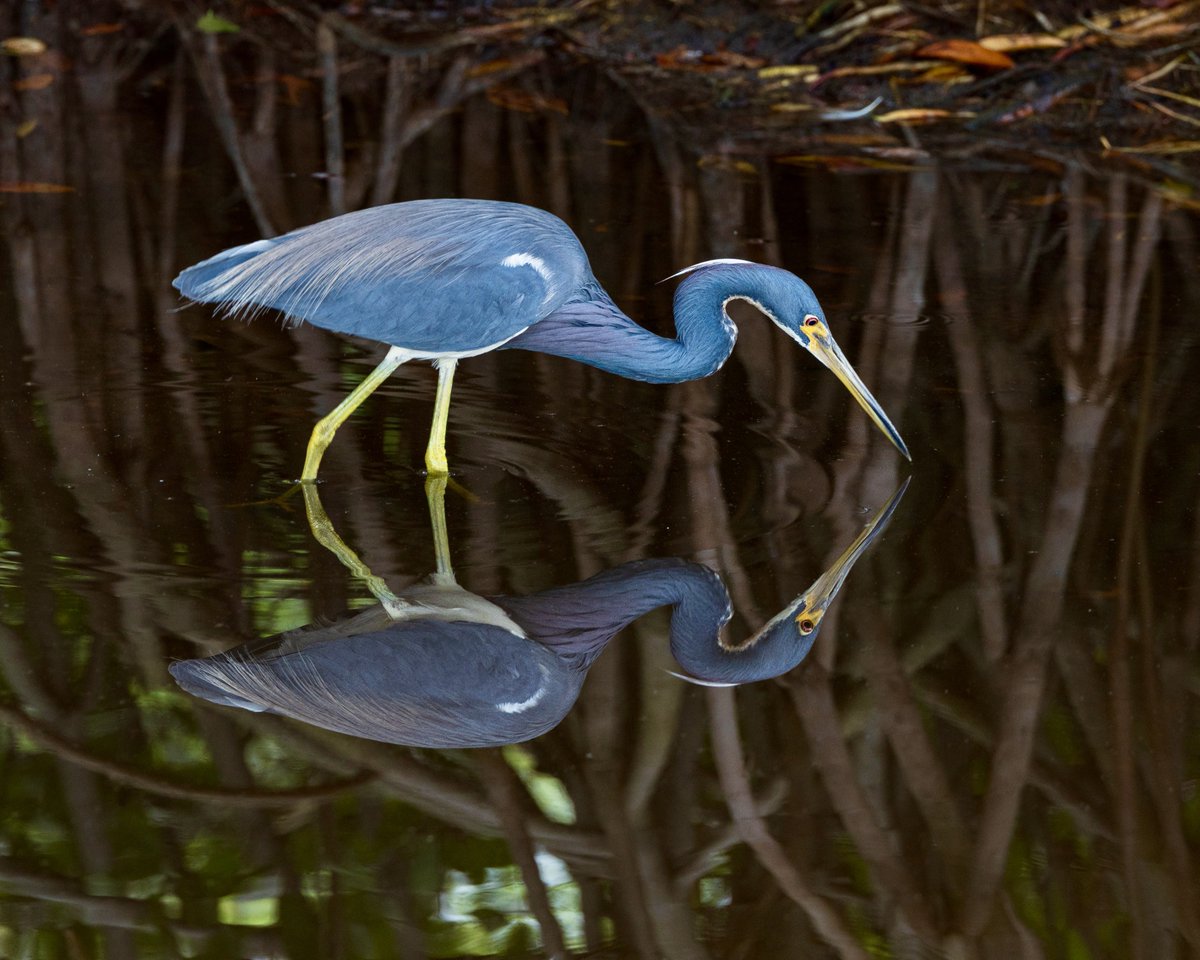
Good news! My heron photo was accepted by Utah State University for their local artist exhibition, June 30 - August 7. My first gallery exhibition. I’m so excited.
Pouca gente sabe o motivo real de nenhum barco chegar perto. Quando o gelo cai, blocos gigantescos que estavam escondidos submersos disparam para a superfície com uma força absurda pela pressão da água, empurrando tudo no caminho. O perigo real sempre vem de baixo.
It all makes a lot more sense if you don’t want unknown people using apps to coordinate insurrection during a mass criminal takedown. Nothing is what it seems to be.