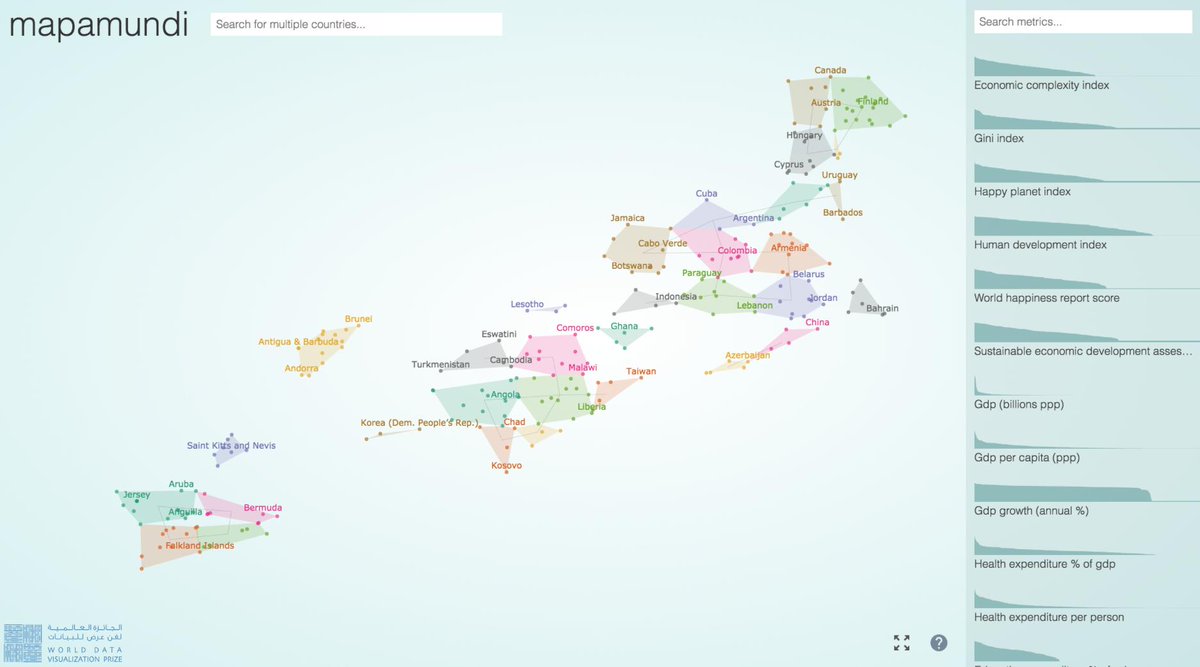
Mapamundi: a world map based on a geometric interpretation of data, was selected for the longlist showcase of Information is Beautiful Awards @infobeautyaward Thank you!
👉 https://t.co/uShSHJPnqs
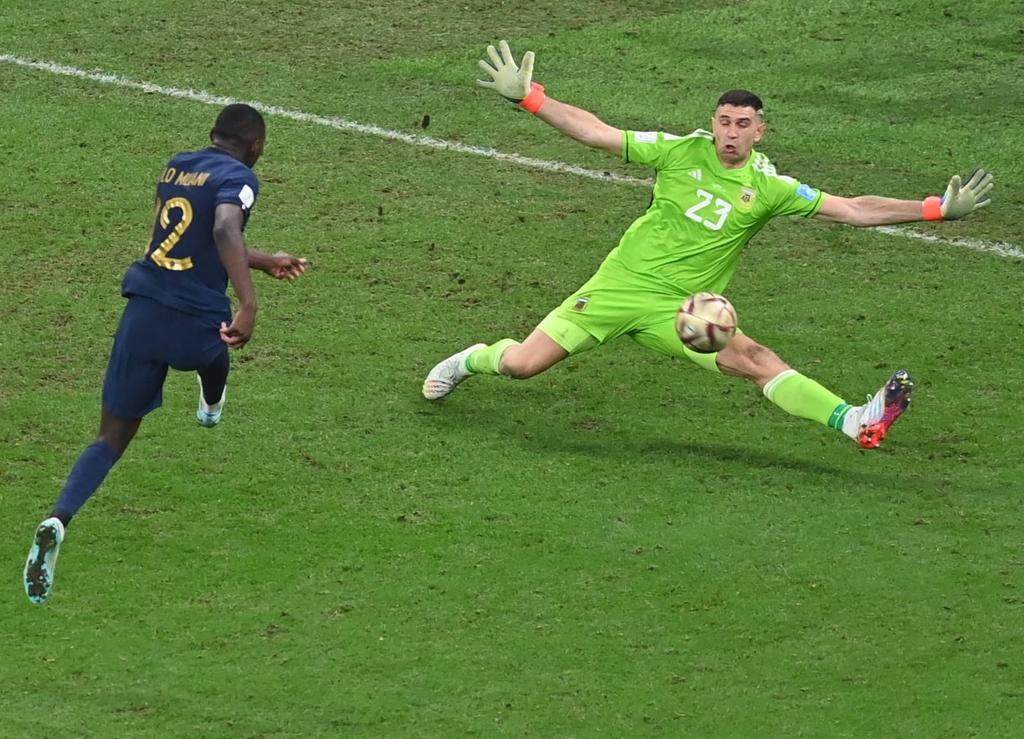
⏩ Somos el mejor país, somos el peor país. Campeones del mundo en crisis constantes. El subibaja no es sólo emocional: para entendernos necesitamos frenar un poco 👇🏽
The longer I’ve been programming, the less I like reaching for a library or framework. Most libraries solve small problems yet require as much learning & fiddling as just solving the problem yourself.
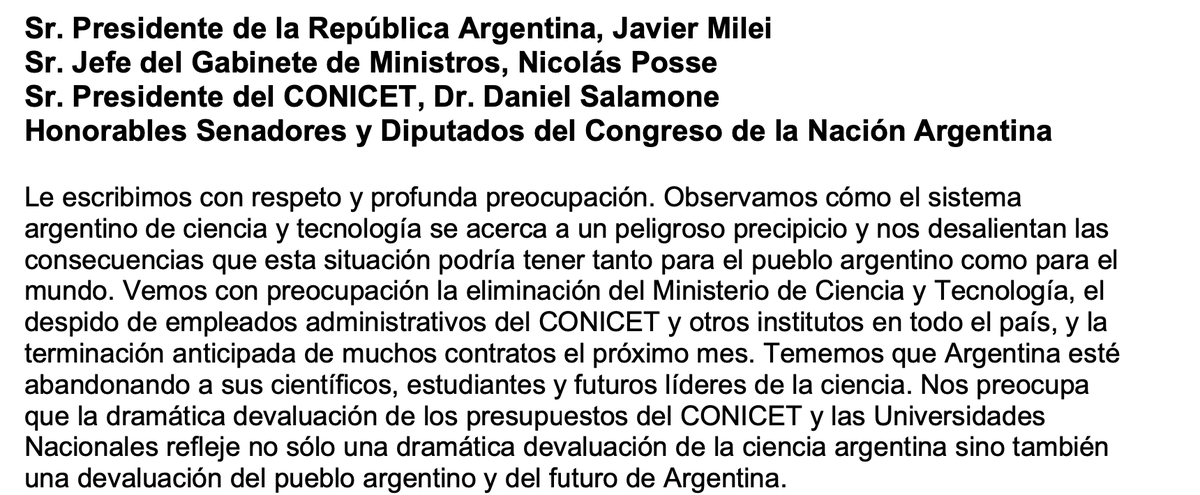
Una carta firmada por 68 premios Nobel de todo el mundo preocupados por el desbarrando, desfinanciación y peligro de derrumbe de la ciencia argentina. Aquí algunos fragmentos:
The Delicate Dance of Large Language Models - Memorization vs. Generalization
Critics of LLMs claim that they are stochastic parrots that do not do much more than memorize the world's information. Others, however, point to examples of LLMs displaying logic and reasoning abilities and claim they are beginning to exhibit emergent properties and may evolve to be a superintelligence that threats our very existence
It turns out that LLMs are actually pretty good at memorization.
Data Imprinting: During the training phase, a language model essentially encodes specific data points into the weights of the neural network. This is akin to how you remember the capital of France is Paris.
N-gram Storage: Essentially, a trained model will have "memorized" a lot of sequences of words (N-grams), but this isn't memory in the way humans understand it. It's a complex mathematical representation that allows LLMs to predict the next word in a sentence based on the preceding words.
This means that LLMs are extremely good at retrieving pretty much any data that they have been trained on and presenting it in a coherent way. In other words, LLMs are capable of memorizing without overfitting
This is also why GPT-4 is exceptionally good at answering questions on information BEFORE its training cut-off date of September 2021 and doesn't do well on information after that cut-off date.
In addition, LLMs don't have the capability of learning on the fly - Any information that you send it in real-time isn't memorized making them far less capable than the human brain
Generalization: The real magic happens when LLMs can take what they've learned and apply it to new situations.
Fundamentally, generalization happens because language models map linguistic constructs into a high-dimensional vector space, wherein each dimension could hypothetically represent a unique linguistic feature—be it syntactical, semantic, or otherwise. Predictive capabilities in this space enable generalization to previously unseen data.
Each sentence or word is represented in this mathematical space with similar sentences like "How is the weather" or "Tell me more about the climate" being close together. This space is what enables LLMs to "understand" the language.
When a new sentence is introduced, LLMs can find its place in this semantic universe based on its features. This helps it generate responses that are contextually appropriate, even if the model has never seen that exact sentence during training.
The vector space also allows for contextual understanding - for example, the word "bank" has totally different meanings when used near a river vs. when used in the context of money
Transfer Learning and Domain Adaptability: LLMs can be fine-tuned on specialized datasets and can adapt to the new domain - this is a form of generalized learning and points to the predictive power of these models.
There is overwhelming evidence that LLMs like GPT-4 have remarkable generalization capabilities as well. The combination of memorization and generalization is what makes it so effective.
LLMs are in the Goldilocks zone where a model can both memorize and generalize effectively. Too much memorization can lead to overfitting, where the model is too tailored to the training data and sucks at handling new info. Newer LLMs will evolve to memorize and generalize more and will be capable of complex reasoning tasks much like humans do.
Hace más de 10 años, @ch_parsons desarrollaba sus maquetas de datos en @garagelab en el mismo cuarto del PH en donde estuvo @Satellogic miren el video https://t.co/oo7C2BsbmV
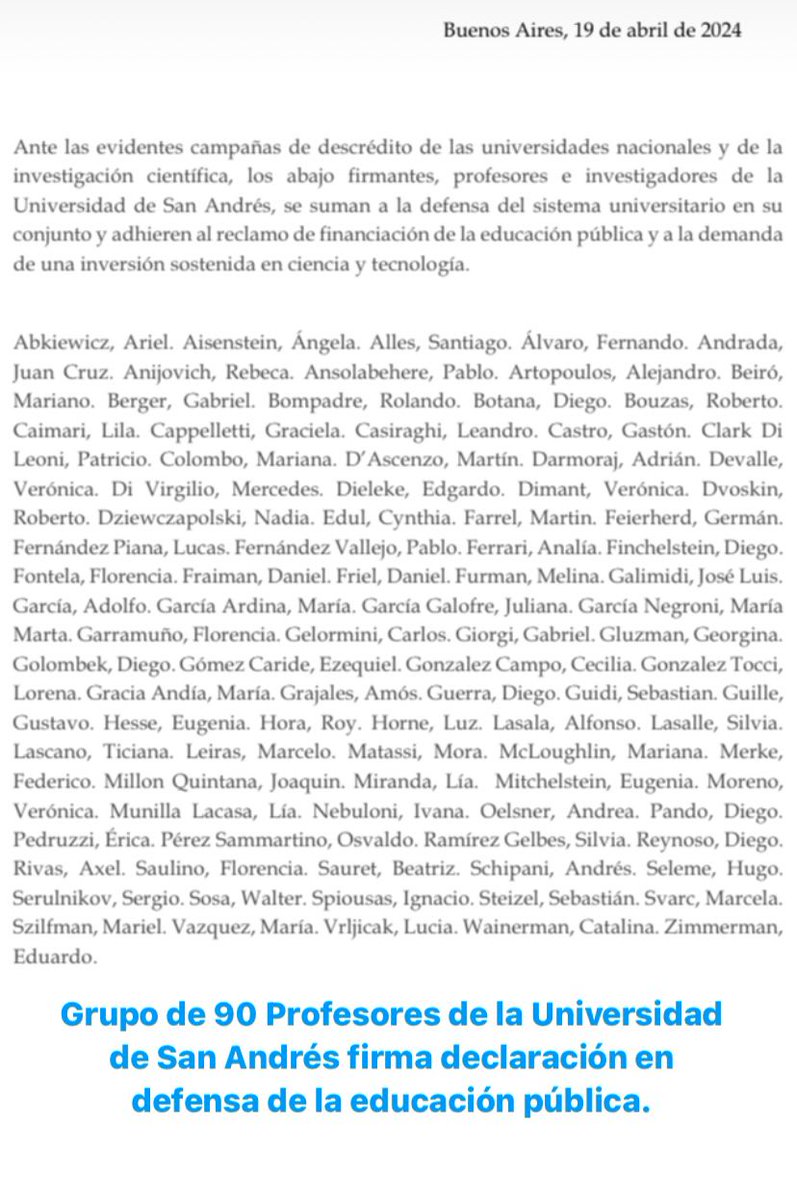
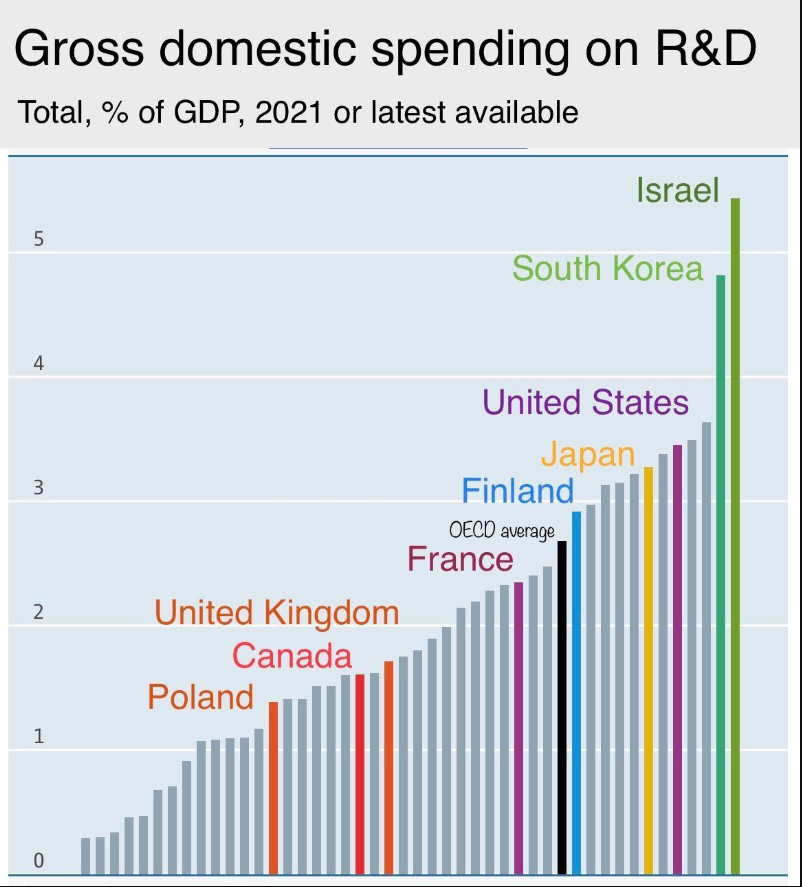
Este 10 de abril, cuando en Argentina celebramos un nuevo día del Investigador Científico, conviene tener presente que un fuerte y sostenido compromiso con la ciencia es una asignatura pendiente. Nuestro país invierte poco en I+D para su nivel de desarrollo. 1/4
Intelligent brains take longer to solve difficult problems: “participants with higher intelligence scores were only quicker when tackling simple tasks, while they took longer to solve difficult problems than subjects with lower scores.” https://t.co/iKsiRlyQ2c
No es necesario ser una superpotencia para invertir en investigación lo necesario para transformarnos en un país desarrollado. Israel, Corea del Sur, Finlandia y otros lo muestran.
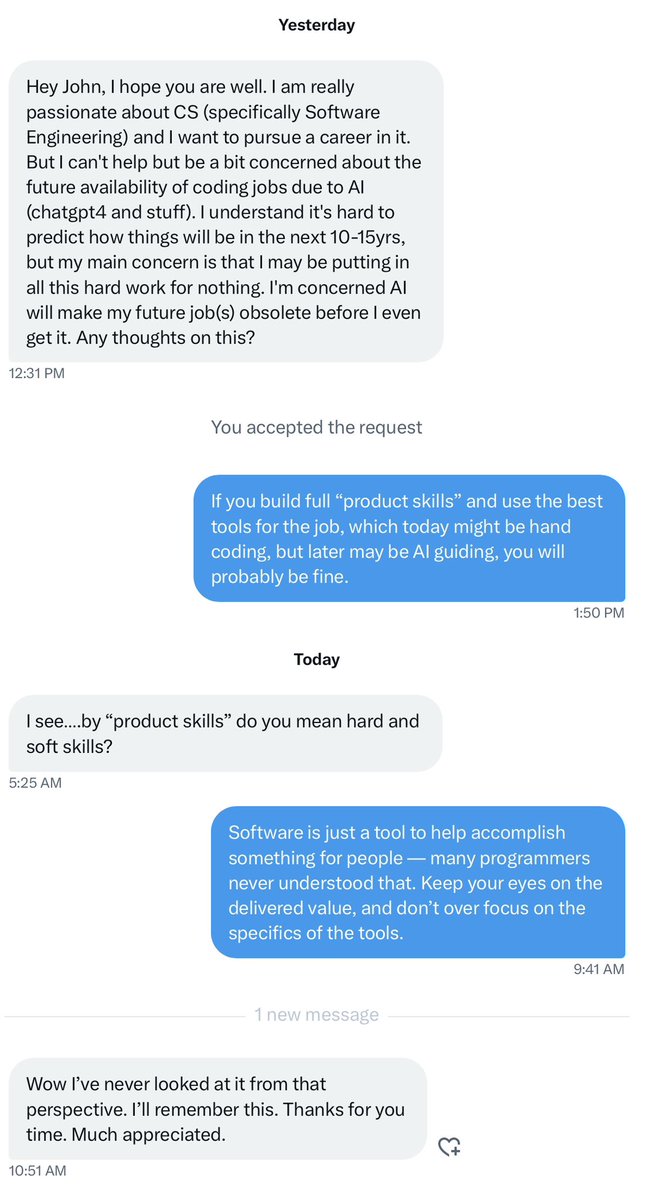
Asking if it's still worth learning to code in the age of AI is like asking if it's still worth learning to write in the age of the printing press. It's even more valuable than before. You've just gained new leverage.
Pendant que le monde entier regardait la finale, @Twitter modifie ses conditions générales d'utilisation pour interdire l'évocation d'autres réseaux sociaux sur sa plateforme. Une pratique contraire à la liberté d’expression qui sera illégale en Europe dès 2023 grâce au DSA.