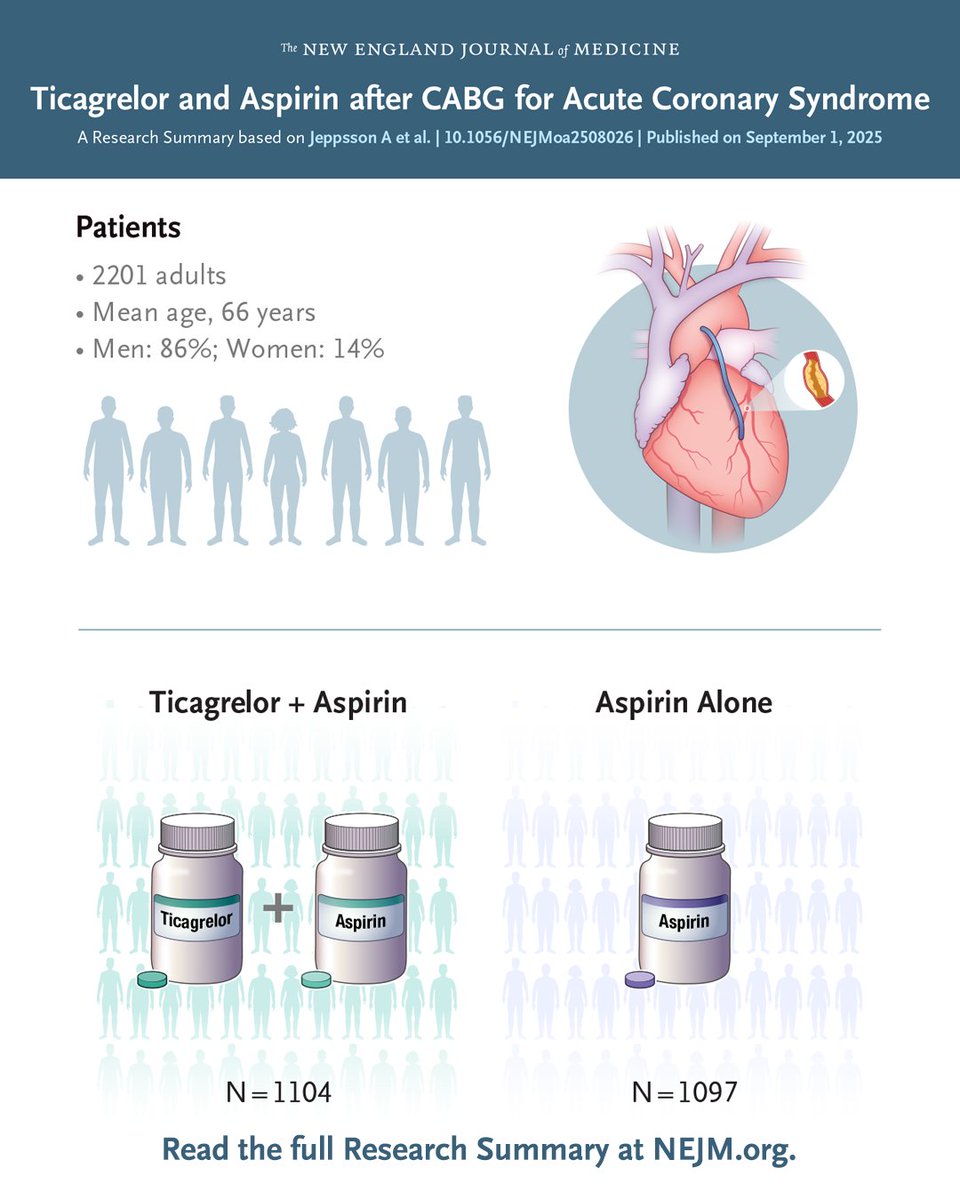
After coronary bypass for acute coronary syndrome, adding ticagrelor to aspirin did not reduce cardiovascular events but increased major bleeding at 1 year, as compared with aspirin alone. Full TACSI trial results and Research Summary: https://t.co/dnIiQbX1qF
This is a fascinating development in lung cancer surgery. The JCOG0802 study emphasizes the long-debated issue of choosing between segmentectomy and lobectomy, particularly concerning recurrence rates. Does the reported increase in locoregional recurrence affect the overall survival rates, or are they similar between the two procedures? It would be helpful to understand the criteria used for patient inclusion in the study and which factors might influence decision-making in clinical settings. For more comprehensive insights into such surgical studies, check out https://t.co/4Y9Imt8uIJ, your go-to platform for generating detailed biomedical reviews. #Medicine #LungCancer #Surgery
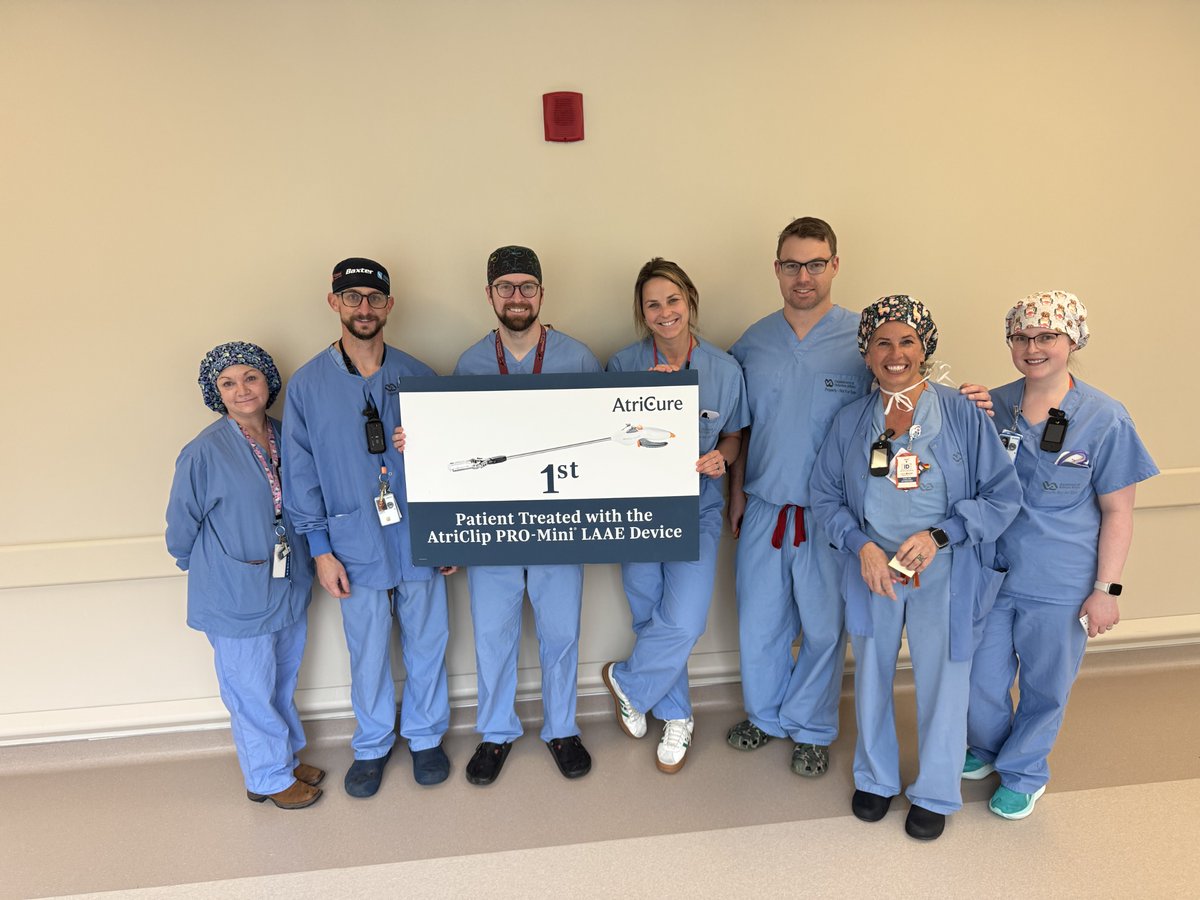
Congratulations to @MichaelTCainMD and the @VAECHCS team on treating their first patient with the AtriClip PRO-Mini® device!
Designed for MIS, the PRO-Mini is a low-profile option, offering surgeons optimized visualization for permanent LAAE.
Learn more about AtriClip PRO-Mini here: https://t.co/W4x3PkEvxv
#AtriClip #LAAExclusion #CardioTwitter
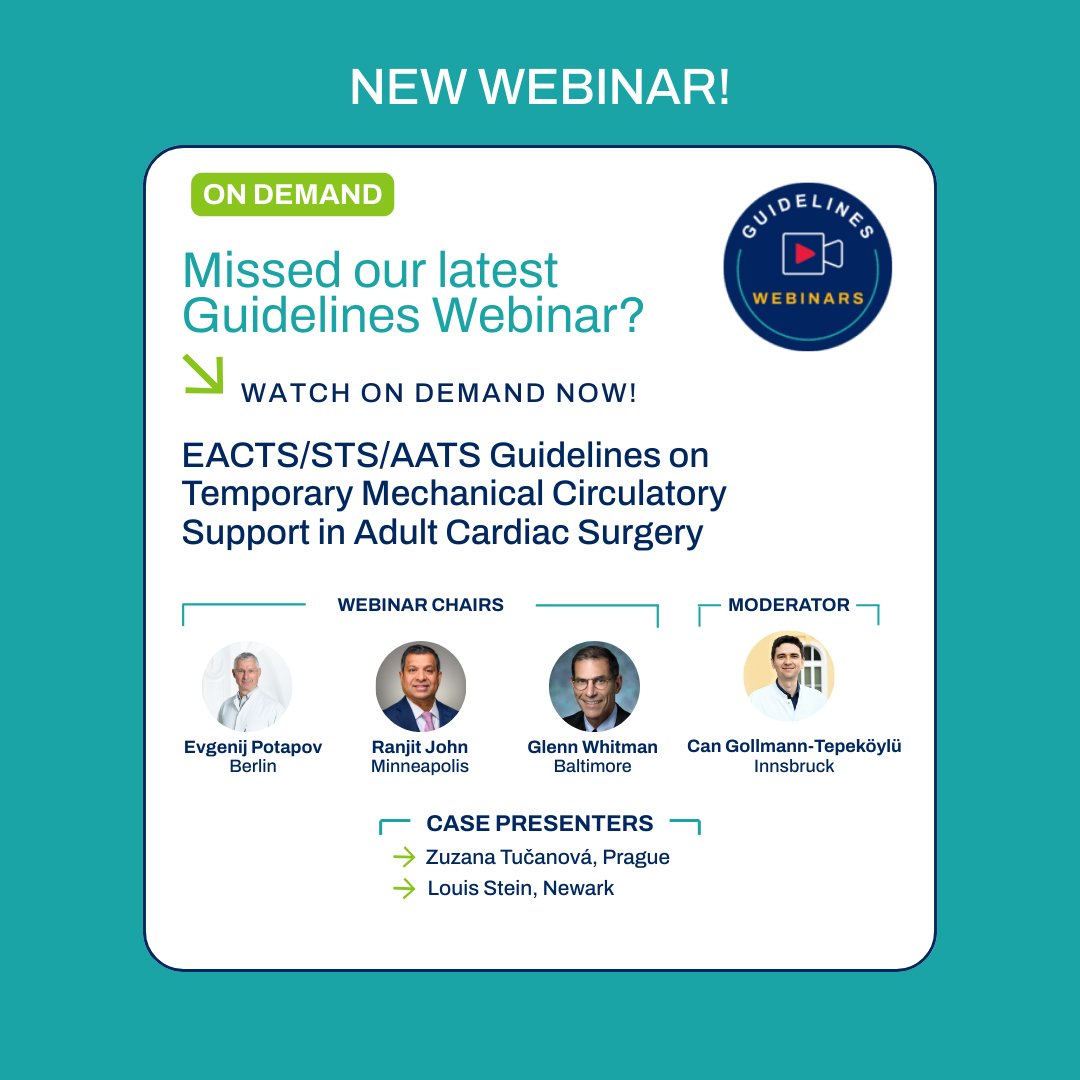
Didn’t catch our live webinar exploring the new EACTS/STS/AATS Guidelines on Temporary Mechanical Circulatory Support (tMCS)? It’s now available on demand.
Learn how guideline-driven use of tMCS can improve outcomes, reduce complications and support decision-making in complex surgical scenarios.
Watch the webinar now 🔗 https://t.co/ZkZdwPnwOz
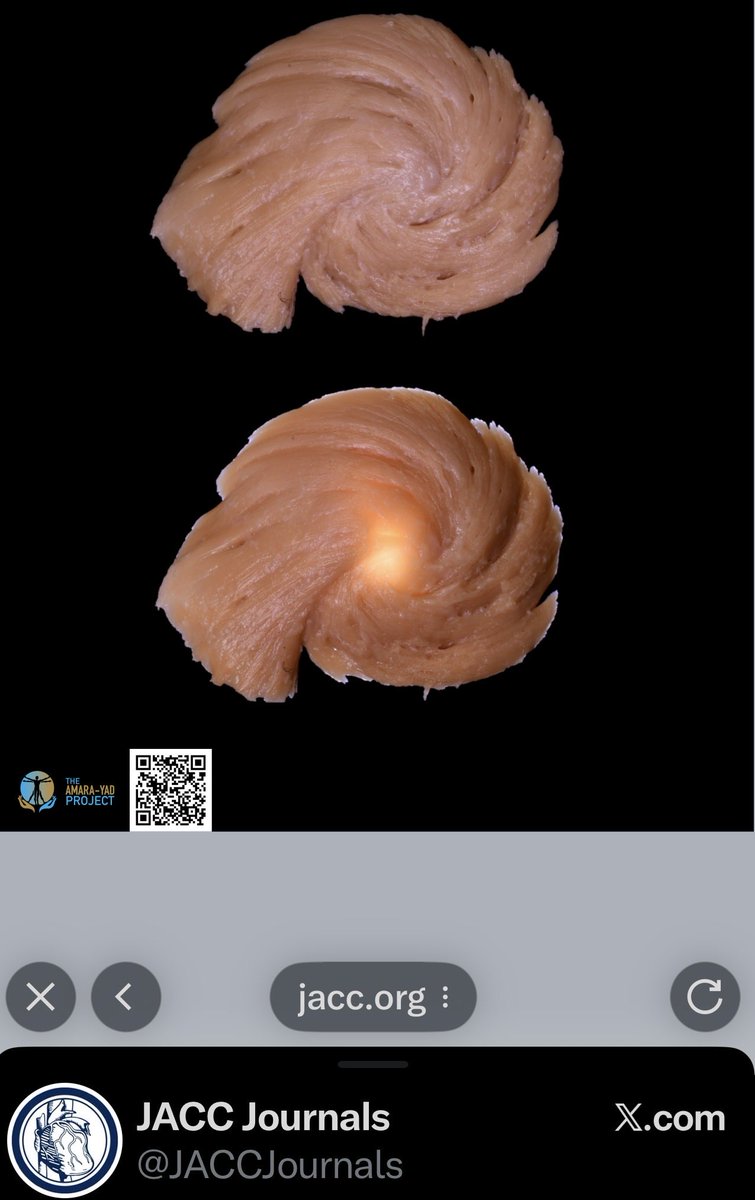
The atrial appendage may look tiny, but it works hard. In normal rhythm, it squeezes with the atria to help fill the ventricles, handles pressure changes, and releases ANP.
But when sinus rhythm is lost, it stops moving and that stillness becomes the ideal setup for clot formation.
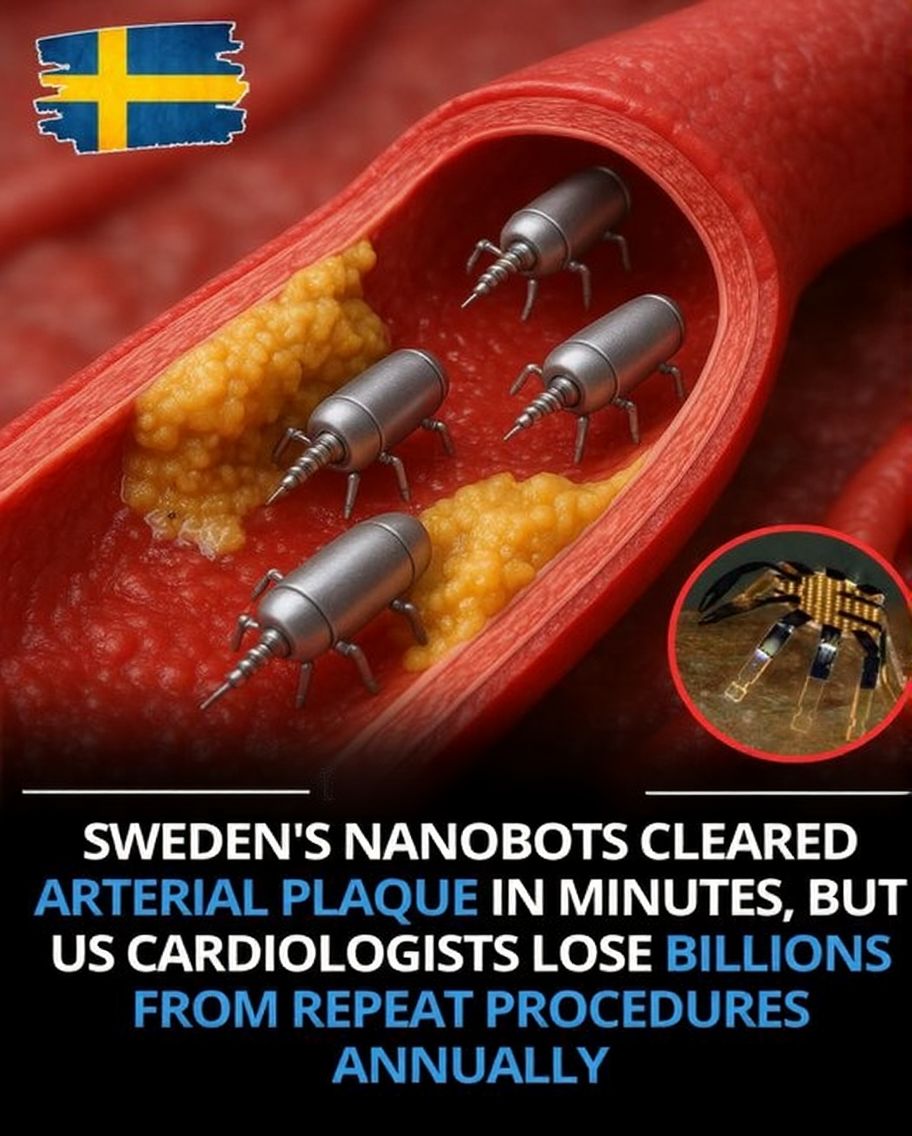
Swedish scientists develop microscopic nanobots that could prevent heart attacks without surgery.
These microscopic machines move through blood vessels, locate hardened buildup, and break it apart with incredible precision — restoring blood flow without the need for stents, surgery, or long recovery times. Early trials show that the nanobots can clean arteries far more effectively than today’s procedures, offering a powerful new option for preventing heart attacks and strokes.
The technology works by steering the bots with magnetic fields, guiding them directly to blockages that normally require invasive interventions. Once in place, the nanobots gently break the plaque into particles small enough for the body to process naturally, leaving the artery smooth and open. Patients in initial tests saw improved circulation almost instantly, proving just how transformative this approach could be for cardiovascular care.
But the breakthrough has sparked controversy in the United States, where cardiologists perform millions of repeat procedures each year to manage plaque buildup. Critics say the adoption of nanobot treatments could dramatically reduce the need for costly surgeries, cutting into billions of dollars in annual revenue from angioplasty, stent replacements, and other recurring interventions. Supporters argue that patient health should come first — and that technology capable of cleaning arteries in minutes should be embraced, not resisted.
New Invited Expert Review: Surgical treatment of atrial fibrillation in coronary artery bypass grafting. Researchers found ablation during CABG is safe and effective. Read now in #JTCVS: https://t.co/RyvUFZBD3V
@SarahNisivaco@ChrisMalaisrie
Retirons les ordinateurs portables des classes : une méta-analyse montre que les étudiants apprennent + et ont de meilleures notes après avoir pris des notes à la main plutôt qu'en tapant : le stylo est + puissant que le clavier.
#éducation
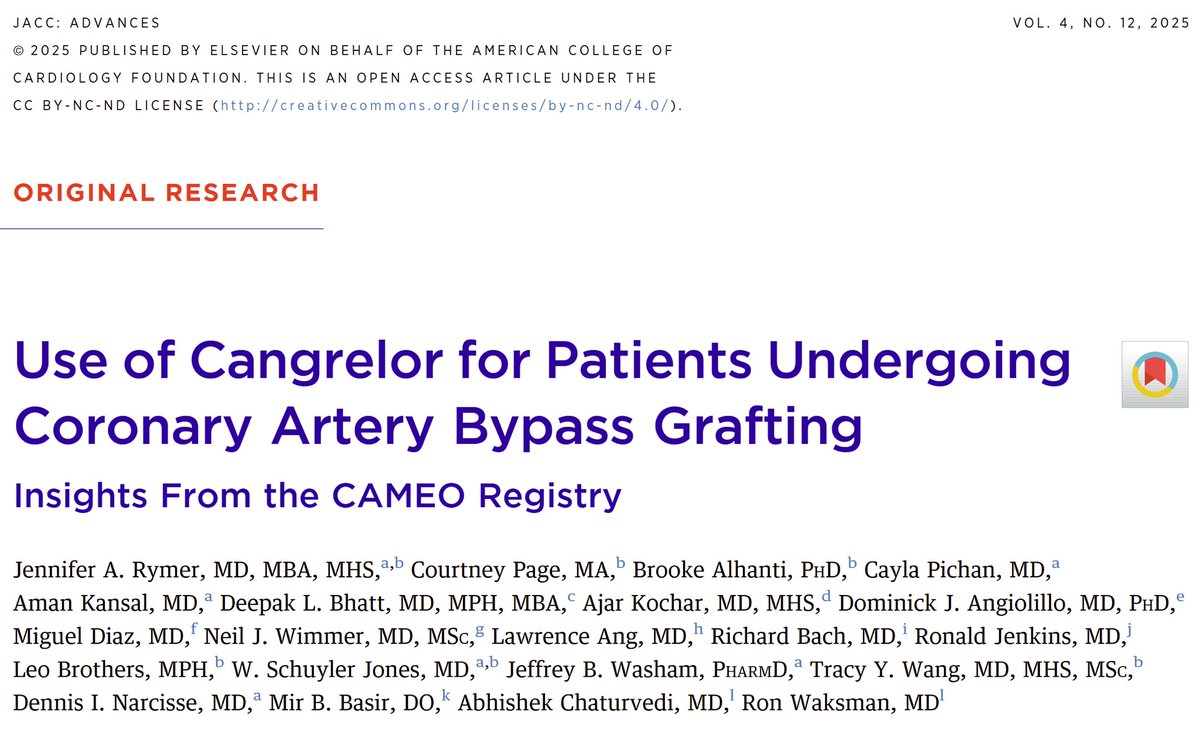
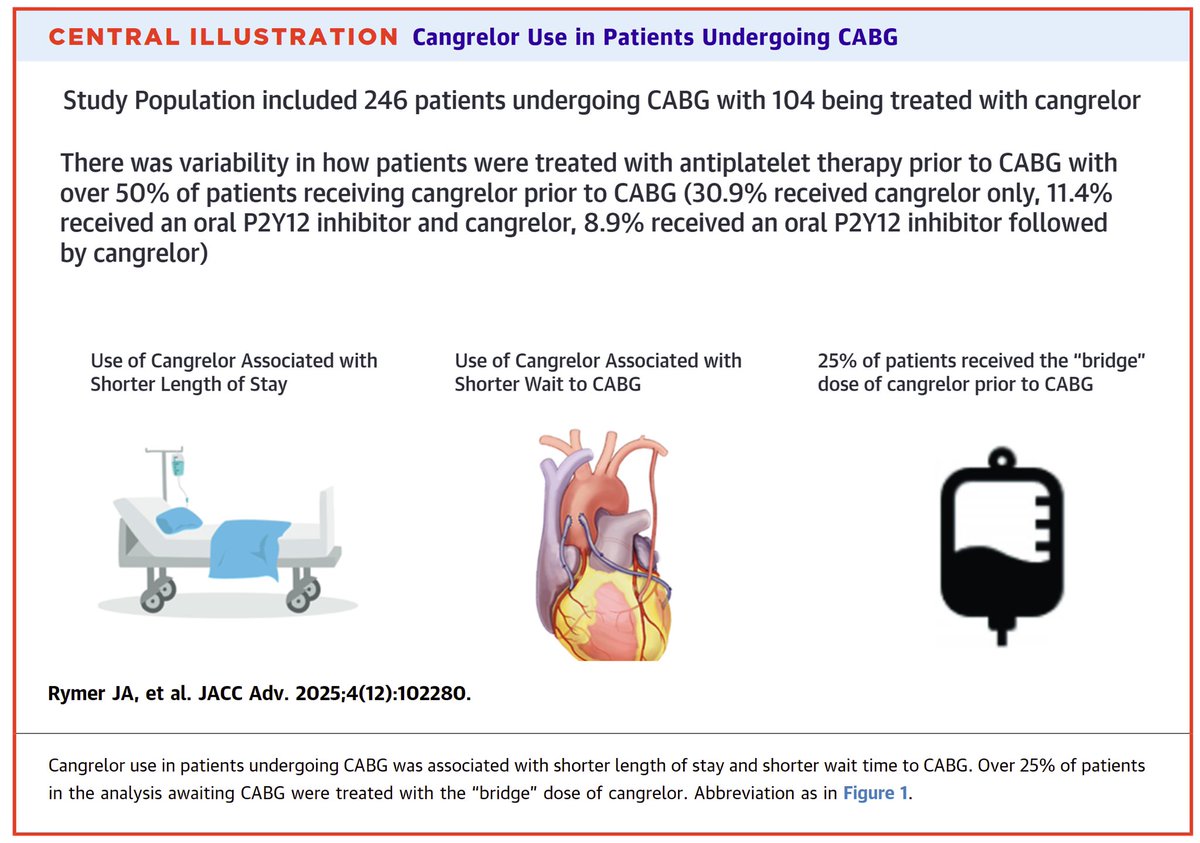
Now out in @JACCJournals, our latest analysis from #CAMEO Registry shows that Cangrelor use is common (42%) in Acute MI patients getting CABG & linked to faster time-to-CABG & shorter hospital stay!
Led by Drs. Rymer @DukeCardiology & @ronwaksman
Read 🔗 https://t.co/HOXgYbWoZ6
Medicare will pay more than $1,000 for AI to analyze your coronary CT angiogram to determine how much hard vs fatty plaque there is. https://t.co/Edp4HIPW5s via @statnews