Robert J. Watkins/Procter & Gamble Prof of Law and Director of Law, Finance & Governance Program @OSU_Law. Interested in markets, inheritance, and inequality.
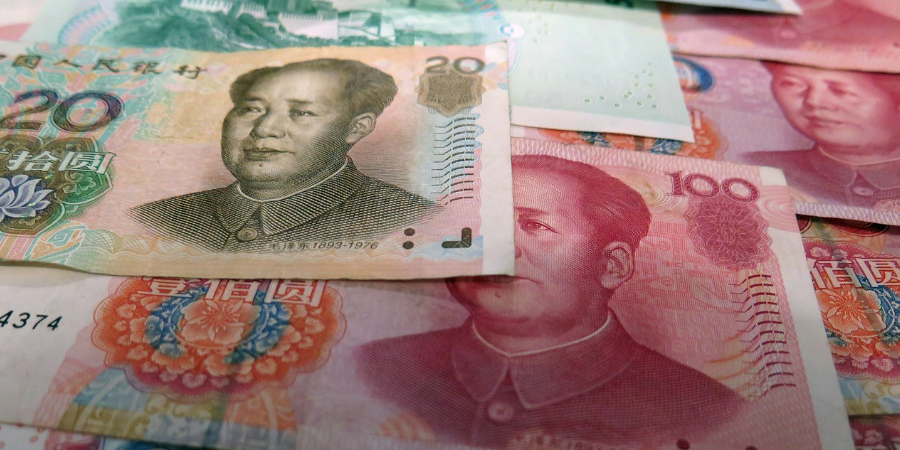
The #Chinese Cross-Border Interbank Payment System (CIPS) has been viewed as a move to dethrone the #US dollar. Will the emergence of CIPS guarantee widespread acceptance of the #renminbi?
Find the Answer: https://t.co/Bau6r4kVBW
Subscribe: https://t.co/2qRLeJZrep
#antitrustlaw
@tandfhss@changlawprof and @slavprofsrc provide a historically and geographically contextualized study of how global racial processes emerge in locally distinct yet interconnected ways.
You can read @AnthroBalkans's review here: https://t.co/LRBIJcHoAC
While @FTC decides how to proceed with Kroger-Albertsons, here is a @YaleJREG blog arguing against the acquisition. Hate to root against a Cincinnati company, but I don’t think the deal is good for workers or consumers. https://t.co/Yn8M5hJGUj
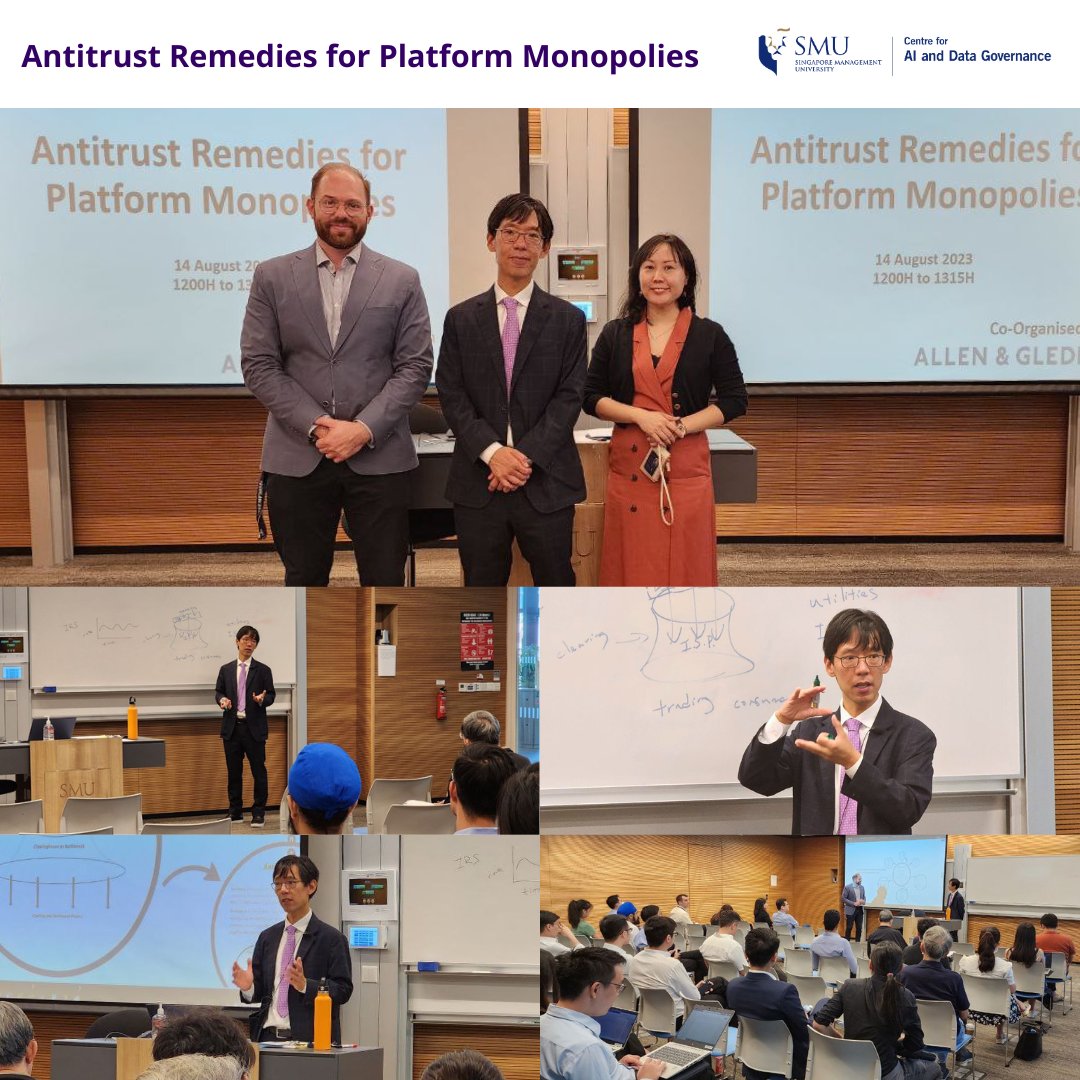
In today's Antitrust Remedies for Platform Monopolies seminar organised by CAIDG and supported by @AllenGledhill, we were privileged to have @changlawprof from @UCincinnatiLaw lead an illuminating discussion on the recent US antitrust interventions targeting platform monopolies.
China has been on a tear building infrastructures, but how good is it at building a financial market infrastructure? In Clearing the Way to Renminbi Dominance, I compare China’s Cross-Border Interbank Payment System to other FMIs. https://t.co/GAKffmXHE9
CIPS is a natural monopoly in cross-border RMB settlement, but its network effects are constrained by a uniform direct participant roster. Still, China’s market-making activities in RMB payments (e.g., through BRI) is bringing more—and diverse—players into the RMB fold.
For now, I still think it’s hard for China to leverage CIPS’s dominance in RMB settlement into dominance in an adjacent market where all int’l currencies compete
In a new article, “Intestacy and Inequality under China’s Revised Succession Law,” forthcoming in American Journal of Comparative Law, Lusina Ho @hkulaw and I look at how Chinese intestacy laws affect wealth inequality. https://t.co/dtIzivTkIQ
.@SBenzell (@ChapmanArgyros) and @changlawprof (@OSU_Law, @UCincinnatiLaw) find that interventions such as taxes, mandated interoperability, and user rebates would be more socially beneficial than breakups of digital platforms https://t.co/10AwJbHWrg
@ew_jin@daniel_mcdowell@gdp1985@Brad_Setser As CIPS’s participants list grows, I’m watching if it diversifies. CHIPS by contrast only has 43 participants, but they’re diverse. Diversity suggests economies of scope, which CIPS doesn’t yet have. Once it does, RMB settlement will make economic (rather than political) sense.
@ew_jin@daniel_mcdowell@gdp1985@Brad_Setser Thanks for bringing me in, Dan. Emily’s explanation makes sense. Maybe CIPS hasn’t updated the direct participant list to include BOCOM-BBM.