Witnesses say Nolan stayed on the island. His phone's own data last unlocked by his face at 2:18 says it never left the boat. This was unlike Nolan as he kept his phone with him at all times. This is part of the mystery.
The #SayHerName movement grew out of a painful reality: Black women who experience police violence have often received far less attention in the national conversation about race and policing in America. Launched in 2014 by the African American Policy Forum and the Center for Intersectionality and Social Policy Studies, the campaign sought to bring greater attention to Black women and girls whose stories were frequently overlooked compared with those of Black men killed in highly publicized encounters with police.
The women whose names became connected to this movement experienced very different circumstances, and those differences matter. Rekia Boyd was fatally shot in Chicago in 2012 by an off-duty police officer. Atatiana Jefferson was killed by a Fort Worth police officer inside her own home in 2019. Sandra Bland died in a Texas jail in 2015, three days after being stopped and arrested during a traffic incident. Her death became part of the wider #SayHerName conversation and prompted national discussion about policing, detention and the treatment of Black women.
The campaign also helped draw attention to the different situations in which Black women can encounter police and the criminal justice system. These encounters can happen during traffic stops, inside their homes, while seeking help, during mental health crises or while in custody. Organizers and scholars, including legal scholar Kimberlé Crenshaw, emphasized that racism and sexism can intersect in ways that shape how Black women experience these systems.
It is also important to be careful when presenting long lists of names under a single heading. The women associated with #SayHerName did not all die in the same circumstances, and some cases involve deaths in custody or other encounters rather than a police officer directly killing the person. Remembering them responsibly means taking the time to understand each woman’s individual story rather than reducing their lives to a list of names or statistics.
At its core, #SayHerName asks the public to recognize that Black women have always been part of the history of policing, civil rights and state violence in America. The movement helped bring greater visibility to stories that had often received less national attention and encouraged people to question why some victims become widely remembered while others can disappear from public memory. Saying their names is only the beginning. Learning what happened to each woman and preserving her story accurately is what gives those names meaning.
CONFIRMED: Snap Chat messages deleted from Nolan Wells’ phone.
This case was a sham and a HUGE cover up.
They dragged it out for months.
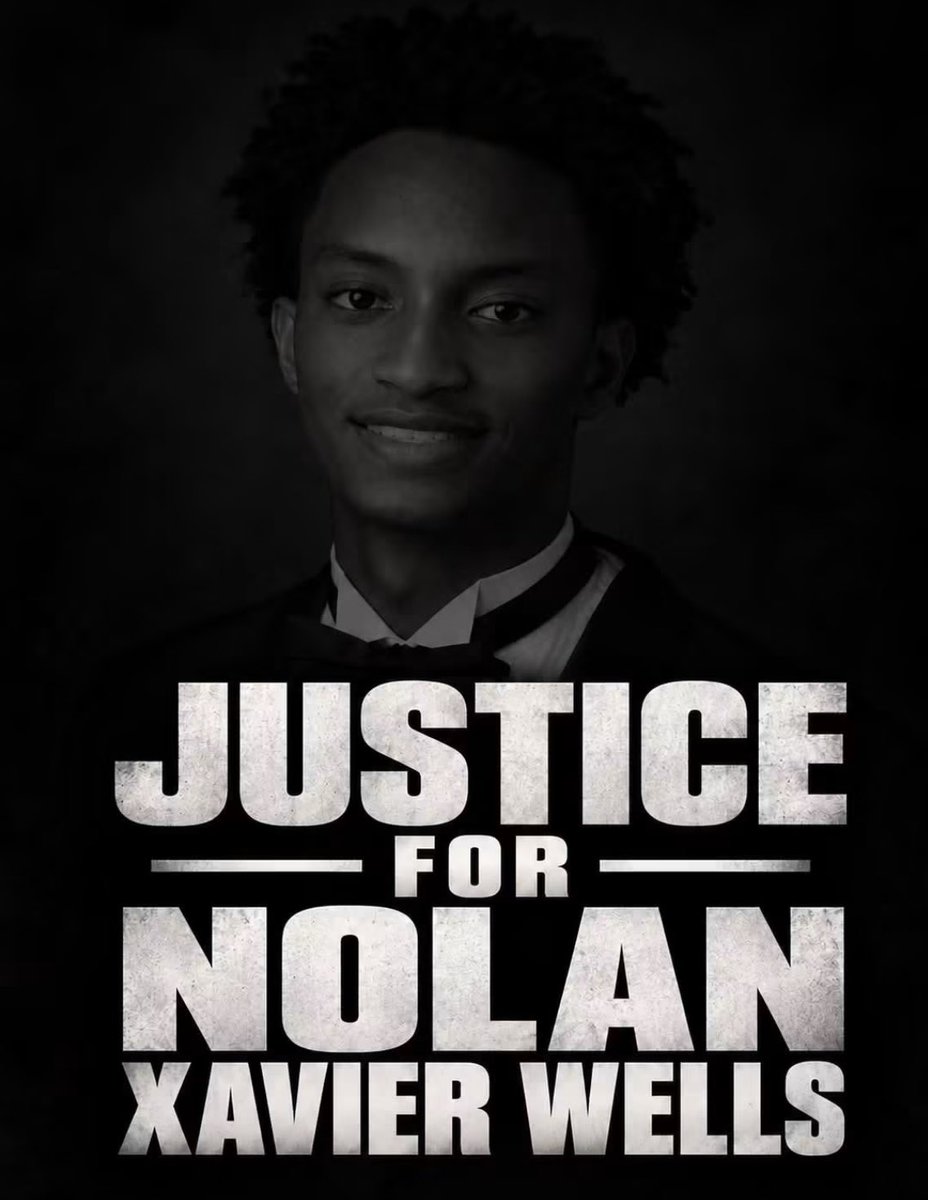
Justice for #NolanWells.
Dr. Stacy Turner #Mississippi
Autopsy’s should ALSO be done with a body camera, documented for further scrutiny by peers in the field and to prevent destroying, and/or misleading evidence such as this.
Today's Crime Report
Liberal California has a huge homeless population, but it has even more anti-black racists who see homeless black people as easy targets.
Today we look at one incident from Marysville.
https://t.co/XTwEdCUdYX
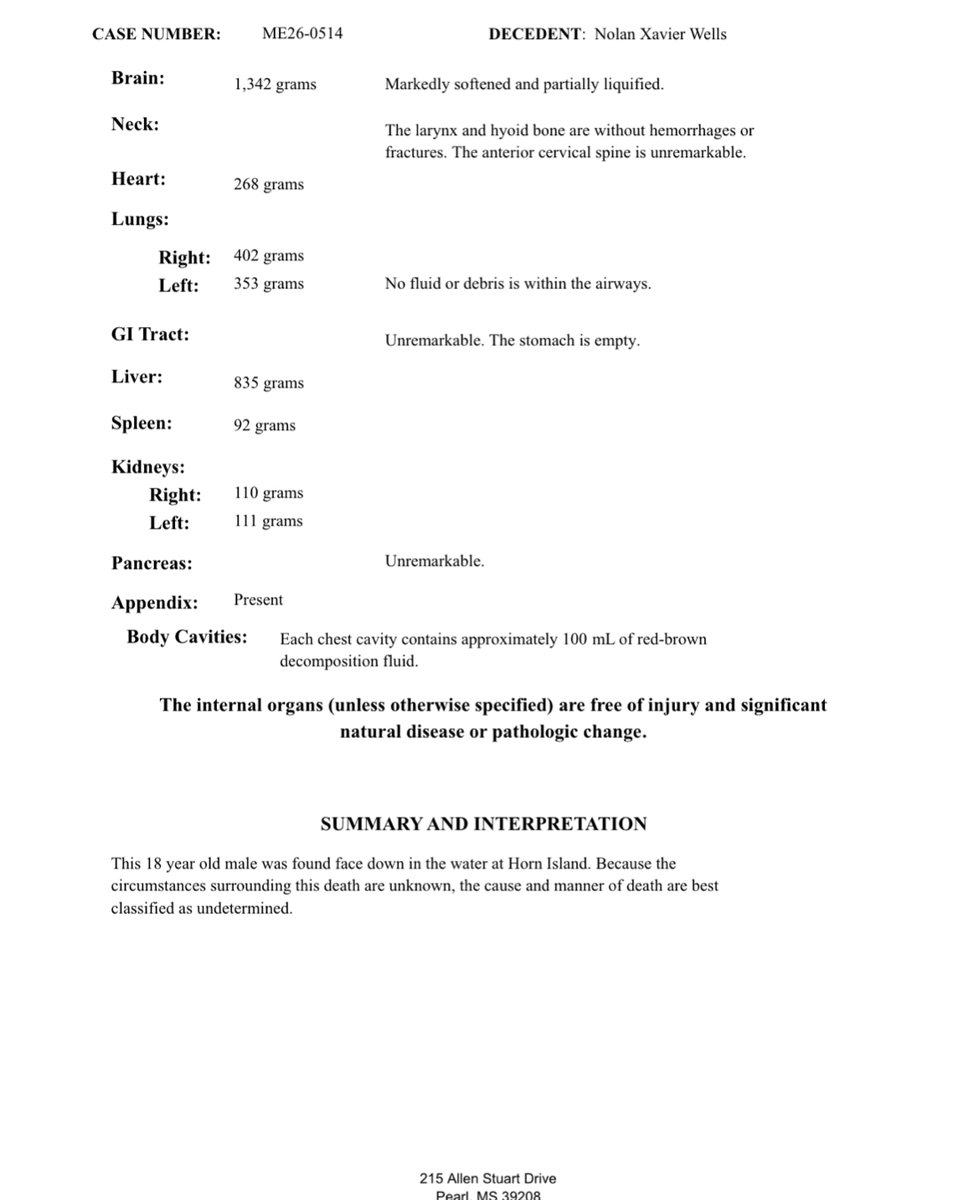
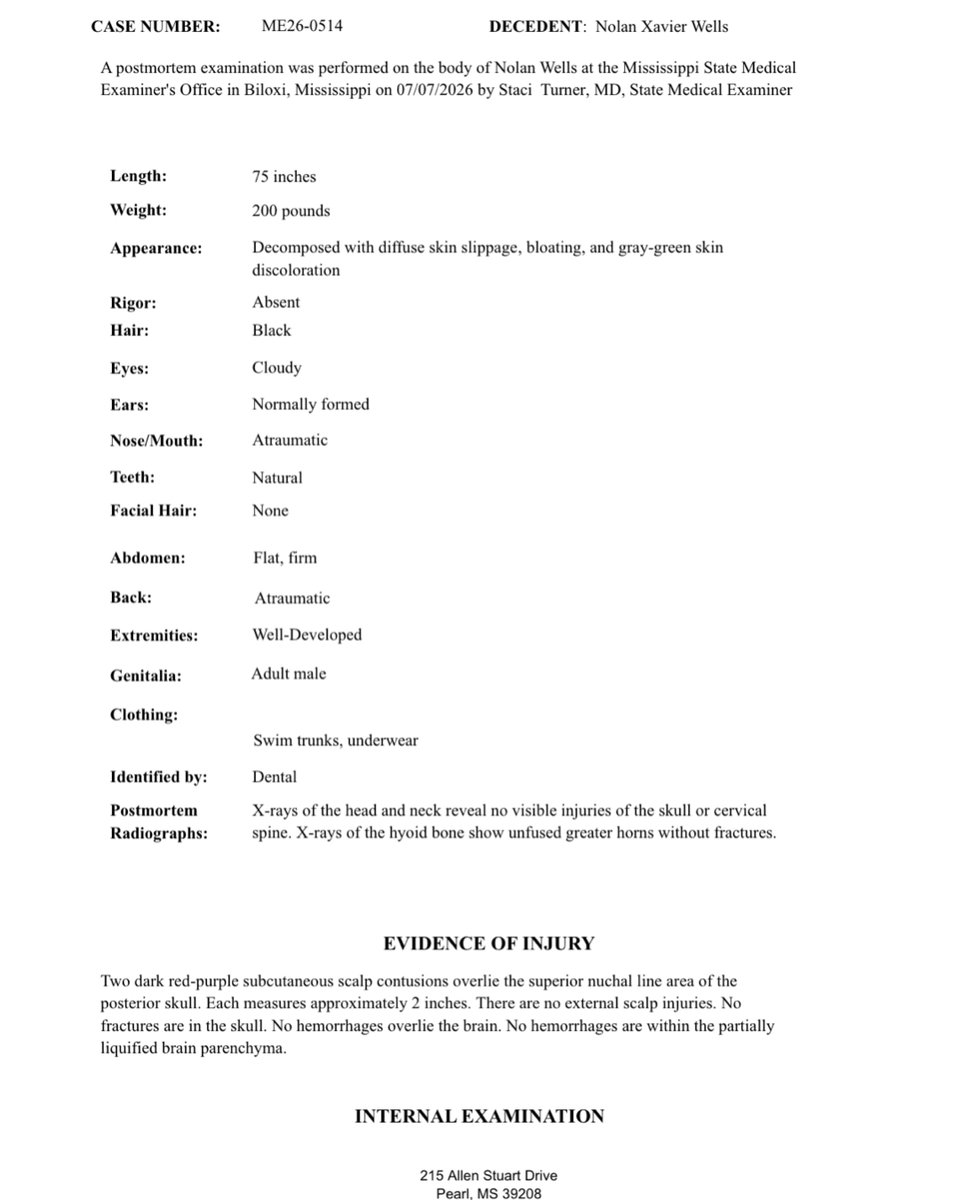
The Mississippi State Medical Examiner's autopsy report found no water in his lungs or airways, despite the grand jury report suggesting Nolan Wells' death was an accidental drowning. The cause and manner of death remain undetermined, with documented evidence of head injuries noted in the report.