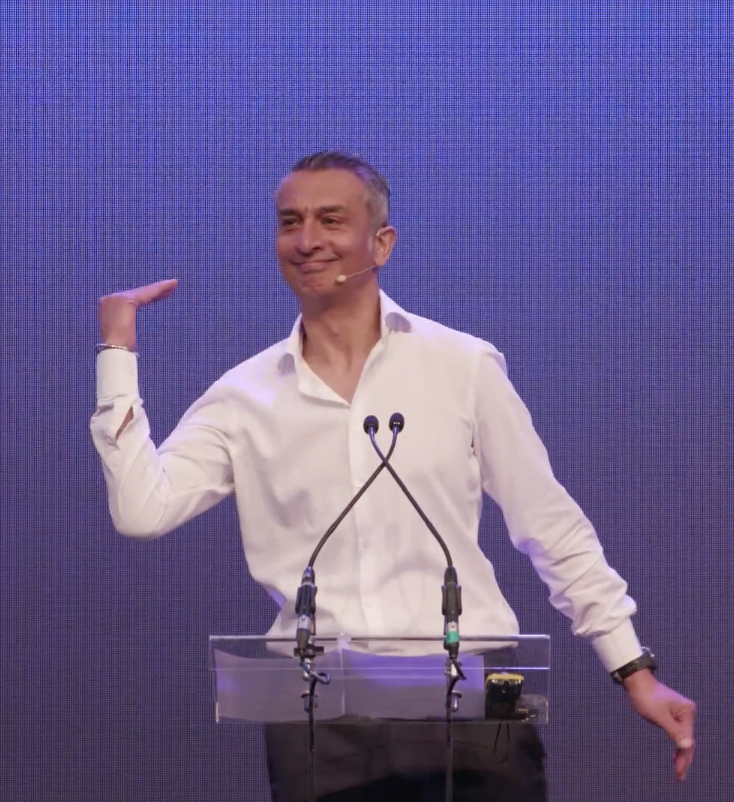
After 6 long years of attending and presenting online, I am finally back to London Calling in person! Lots of great science, developments and networking. #nanoporeconf@nanopore
I’m happy to share that I’ve started my first permanent academic position as a 𝐒𝐞𝐧𝐢𝐨𝐫 𝐋𝐞𝐜𝐭𝐮𝐫𝐞𝐫 𝐢𝐧 𝐇𝐮𝐦𝐚𝐧 𝐆𝐞𝐧𝐨𝐦𝐢𝐜𝐬 @oxford_brookes 🎉🧬
Excited for the teaching, research & collaborations ahead!
#Genomics#Bioinformatics
Exciting announcement: I have left @OxfordVacGroup to follow my passion for teaching and lecturing and started a new post at @HumanGeneticsOx, @UniofOxford to educate the next generation of scientists in a very new discipline - Genomic Medicine.
#bioinformatics is a future.
Our study shows that our genetic makeup, in addition to factors such as age and health status, impacts on how well we respond to COVID-19 vaccines and our subsequent risk of COVID-19. @jenneratingVacc@OxfordVacGroup@ajpollard1@KnightGenetics
https://t.co/zZNDsGvYea
#AcademicTwitter That's what we got... Still. In the 21st century. Any actions we can take to change it?..
Credits for the slide @andiroy
Also, does anyone know the numbers for #bioinformatics? I bet even the starting point will be (much) lower...
@oseiasjunior Hey, there are two, I find both complementary and useful but the second one is more intuitive and bring you through all the steps using an example dataset. I essentially just copy-pasted the codes from it mainly.
https://t.co/b3bVOWUiZy
https://t.co/L1Qdzhdm2d
#Bioinformatics guys, if you have transcriptomics time-series dataset with at least 3 time points, I found a package, which I highly recommend. It looks for the trends across time and IS more sensitive compared to classical DGE. Proved on my data. #RStats https://t.co/3NCOETk6Er
@base2bit It may depend, in my case (2 different studies) it picked the differences I could not see by DGE... however those clusters of the few genes were crucial along the time course in general. Also nice clustering and co-expression (we all love classical WGCNA but).
It's the last day of #DiabetesWeek. I just want to highlight that #T1D brought lots of new issues, worries, and problems but also insights, value, meaning, and understanding into my life. I love my older son, he is my best friend, no matter what. *his favourite selfie attached*
Open position in the lab of my good collaborator: we are looking for a #Bioinformatics postdoc for cancer research in @Dunn_School, @UniofOxford. Apply below.
https://t.co/2D1OVYxbAZ
Not long now!! Attending #RNA2022 next week? Oxford @nanopore has a sponsored session on Thurs, 02 June ~12:45 with 3 great speakers @chelysheva_i, @Mercerlab1, @oguzhanbegik & updates from me (#directRNA & #cDNA). Lunch provided! Info & registration here: https://t.co/GmfA4jC4Xg
@gordon_sanghera Not sure if they just cut this out from the online version of #nanoporeconf this year. That was the best thing I have ever seen (gong is nice but...)
Hiding from #NanoporeConf tweets this time as someone who has to teach @UniofOxford students instead of attending my favourite conference in person this year. Will present some of my @nanopore stuff at @RNASociety conference in June though.👌
@Psy_Fer_@The__Taybor James, seeing the poll results, most people wanna keep it simple. Although I really liked your .nsf option as an idea, it is sadly already in common use - IBM's database extension. :(
@TheLucyGarner@UniofOxford See my last post: https://t.co/1jGQovLv7o
You will also get some statistics. I am 30 as well and believe in science, but most people see things more realistically.
#Bioinformatics guys in academia. What if you get a job offer from the industry and they are going to pay 4x times your current salary?
*Not asking for a friend