💥 Scoperto un pianeta, HIP 67522 b, che scatena brillamenti sulla sua stella e si danneggia da solo!
Un risultato unico reso possibile da CHEOPS, come spiega G. Scandariato (@InafOact ).
🔗 https://t.co/a5znC2f3tV
#CHEOPS#INAF#Esopianeti#Astrofisica
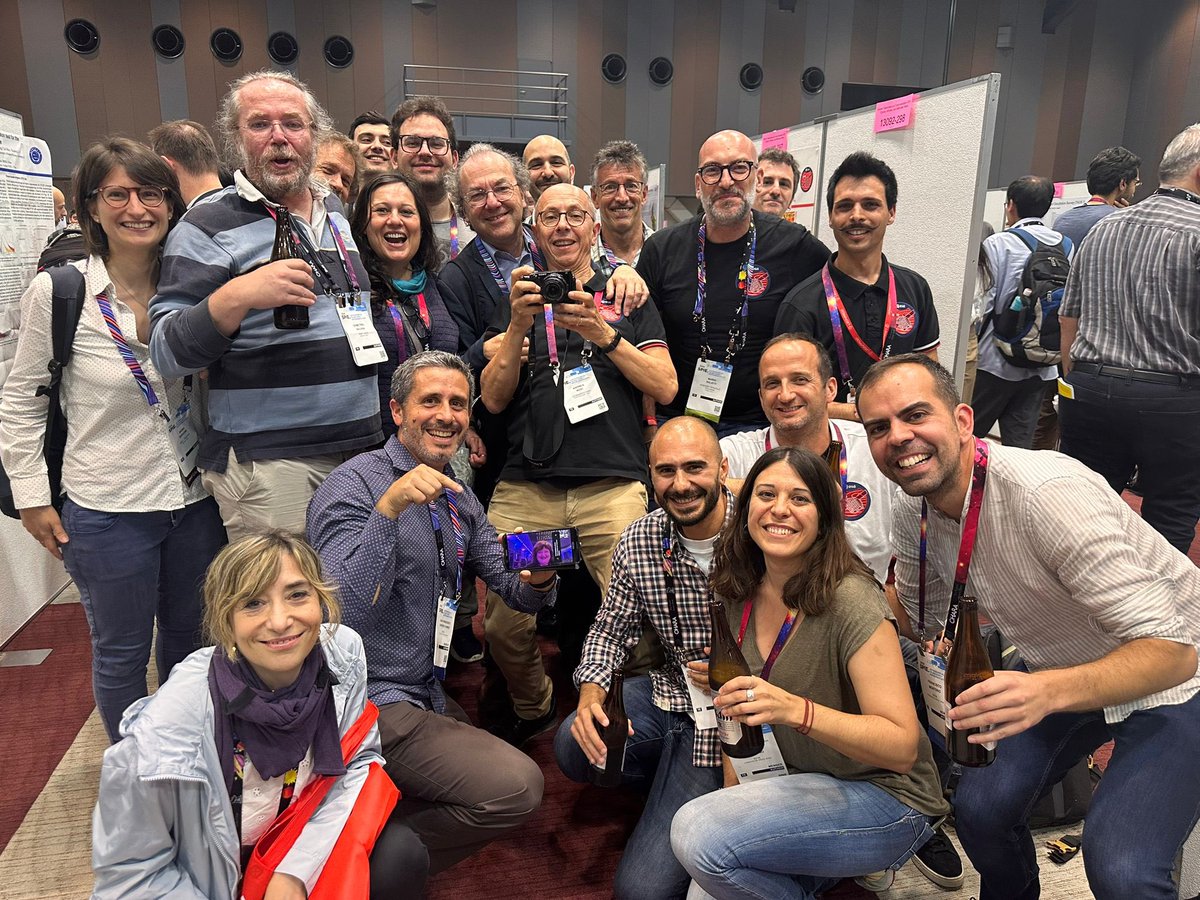
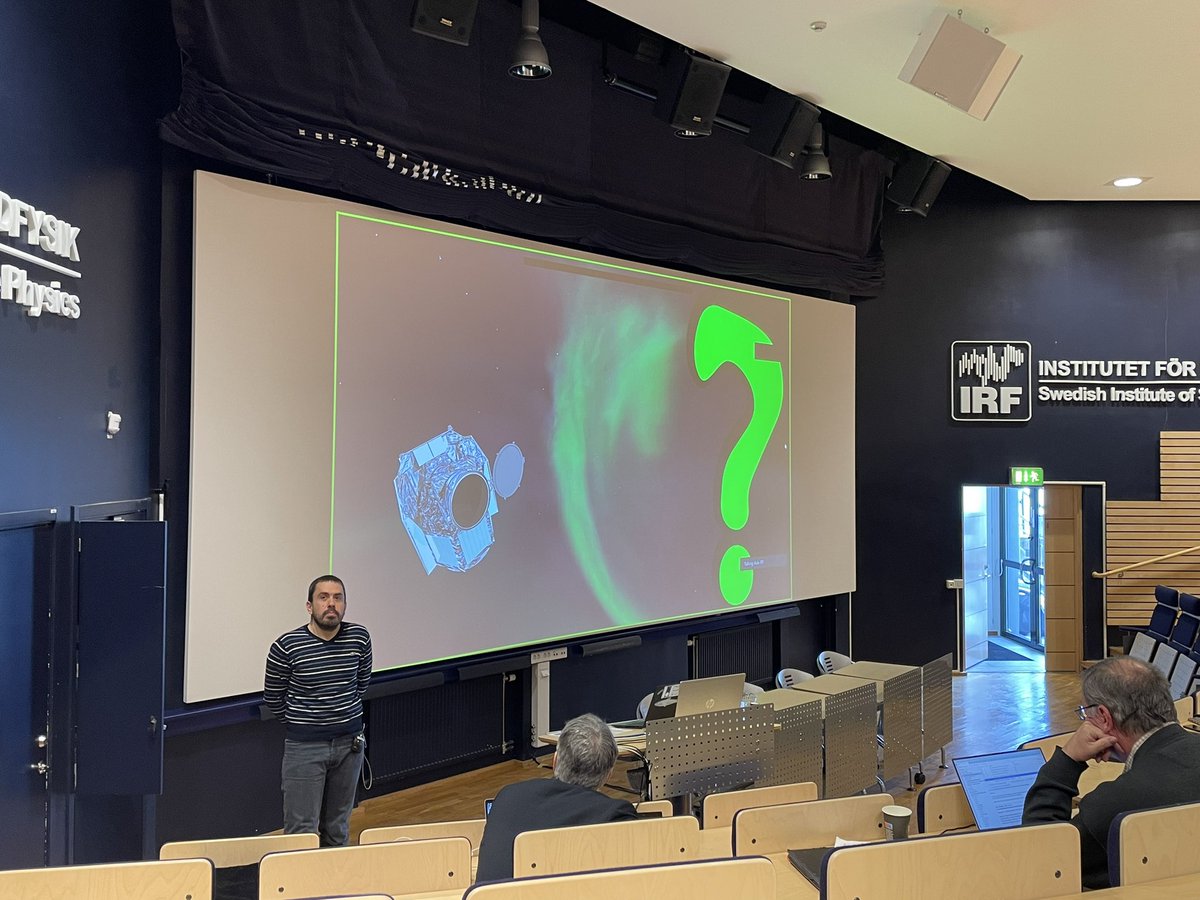
CHEOPS people at #exoplanets5 in Leiden. Thanks to Alexis Brandeker who made it possible. Foto credit: Ricky Nilsson. @esascience@ESA_CHEOPS @DidierQueloz
Intervistata da Davide Re. Con Giuseppina Micela.
«Noi a caccia di esopianeti per cercare la vita molto lontana da qui» @mediainaf https://t.co/Dd0lJvV04i
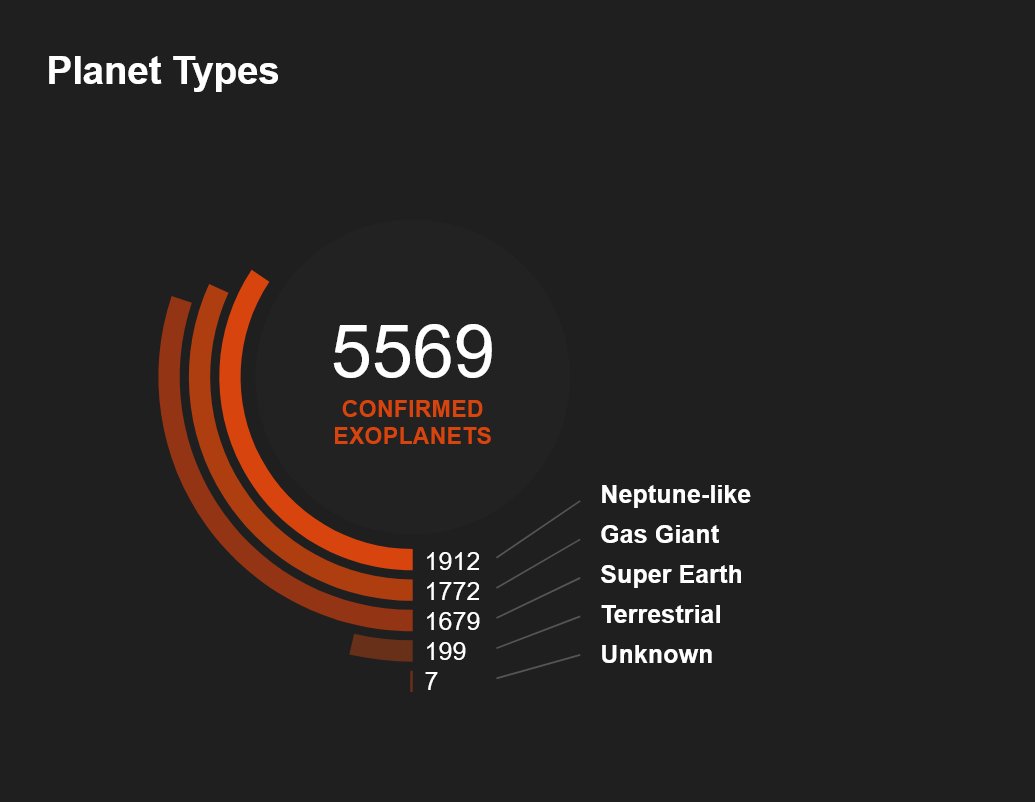
We've confirmed 5,569 planets beyond our solar system so far. Some may have jewels blowing in their winds, others could have glass. We've detected burning clouds of black atmosphere and clouds made of quartz. Each is a marvel. https://t.co/UbAUiqDqtW
https://t.co/Z2yxw6D7RC Un raro sistema stellare costituito da 6 esopianeti in risonanza è stato scoperto grazie a @ESA_CHEOPS. La loro configurazione orbitale mostra che il sistema è rimasto uguale a sé stesso nell’ultimo miliardo di anni almeno @InafOact@UniPadova
#Cheops osserva il pianeta più brillante mai trovato.
Grazie alle sue nubi "metalliche", riflette l'80% della luce stellare, rendendolo il più grande "specchio" dell'Universo finora conosciuto.
#Ltt9779b#exoplanets#clouds#atmosphere
➡️ https://t.co/cPK1UksCDz
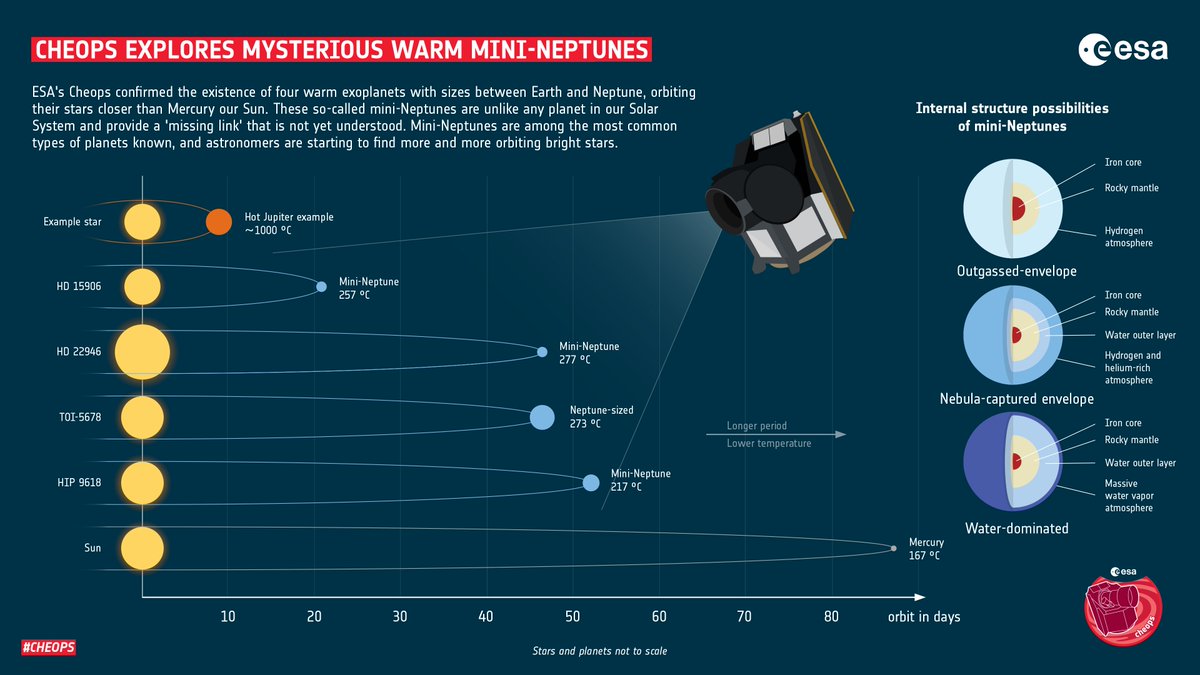
Our @ESA_CHEOPS exoplanet mission confirmed the existence of four warm #exoplanets orbiting four stars in our Milky Way. These mysterious planets are unlike any planet in our Solar System, and are nicknamed 'mini-Neptunes' 👉 https://t.co/L37SG8J1yk
#ESACheops confirmed the existence of 4 mysterious warm #exoplanets with sizes between Earth and Neptune, orbiting their stars closer than Mercury our Sun.
These so-called mini-Neptunes provide a 'missing link' that is not yet understood 👉
https://t.co/ptpFnsCRY8