Just yesterday, PM @narendramodi spoke about Indian companies not focusing on quality @ficci_india
Had this terrible experience today twice: unraveling of guide wires!!
Corporate hospitals acquire this due to high margins & Government due to GEM portal & "Make in India"mandate 😞
Kudos @dr_sivaranjani !!!
She's making an important point. Of what use is all human scientific progress if it ultimately doesn't benefit the vast majority of intended beneficiaries? All because of greed??
Risky investment in R&D cannot justify premium extraction of this magnitude
Feeling so relieved! It had been a roller coaster ride!
A mother with a child with Allan Herndon Dudley syndrome (MCT-8 deficiency) without insurance in USA was asked to pay $950,000(9 crore rupees) per year for Tiratricol (Emcitate).
The same medicine (the Active pharmaceutical ingredient compounded in the Transvaal pharmacy) compounded in the Netherlands costed an average 2.5 lakhs rupees per year per child. Pharmaceutical Accountability Foundation(Netherlands) made this happen. @PharmAccFound
Access to Medicines India played a crucial role from the time the message reached them. The medicine has reached India, today, through proper channels and with proper permissions. It will be handed over to the parents of seven children with Allan Herndon Dudley syndrome, soon.
Feeling so relieved! It really had been a roller coaster ride!
I had reached out to many journalists but Toufiq @ToufiqRashid from the First Post was the only one who actually had written about it. We said, "a parent to a parent" at the same time! It was like "we have to do it". If it hadn't been for her write up, the message may not have reached the Pharmaceutical Accountability Foundation and Access to Medicines India. We need more journalists like her!
Organization for Rare Diseases India helped us get permissions.
Pavitra(mother of Aarav) helped the other parents get permissions. She became a proactive team member than a passive observer.
Dr Praveen helped get the five children on board and is coordinating with the Erasmus team for managing the seven children.
Dr Santosh @dr_rsantosh helped us to reach out to more endocrinologists in the country through which we got some more leads.
Parents of those children I am a paediatrician for, donated generously, and Pharmaceutical Accountability Foundation raised funds too. So, the parents of these seven children didn't have to pay a single rupee for the medicine.
Earlier, Pavitra(Mother of Aarav) had to pay 12 lakh rupees for a month's supply of the medicine. The lead was given by two parents through an Instagram DM to me and a whatsapp message to me.
There were some false hopes raised in between including the time when the Erasmus team said Egetis Therapeutics might help. That didn't happen! That was a huge set back!
Now, I request the government of India to ensure the active pharmaceutical ingredient is compounded in India and is made available under the National Rare Diseases Policy. We can easily prepare it here, and it would cost even less(less than the Rs 2.5 lakhs it took in Netherlands to compound the Active Pharmaceutical Ingredient for one child for one year in Netherlands).
@narendramodi@jpnadda@mohfw_india
All the paediatricians, endocrinologists, paediatric endocrinologists, and paediatric neurologists, if you are currently caring for a child with confirmed or suspected MCT8 deficiency, please share the details below. I will contact you for further clinical information and coordination regarding diagnosis, treatment and access to tiratricol.
Please do not upload or share unnecessary patient-identifying information at this stage.
https://t.co/k98Hxikwhc
FINALLY, THIS KIND OF PHARMA PIRACY WHERE A MEDICINE THAT CAN BE PREPARED FOR 2.5 LAKH RUPEES IS BEING MADE INACCESSIBLE FOR MANY BY SELLING IT AT 9 CRORE RUPEES IS ONE OF THE WORST EXAMPLES OF PHARMA PIRACY! WHAT IS THE USE OF HUMANITY PROGRESSING SO MUCH, IF THIS IS THE SITUATION!?
'PERSEVERANCE' - This is what makes things happen! Let us persist to make life better for people!
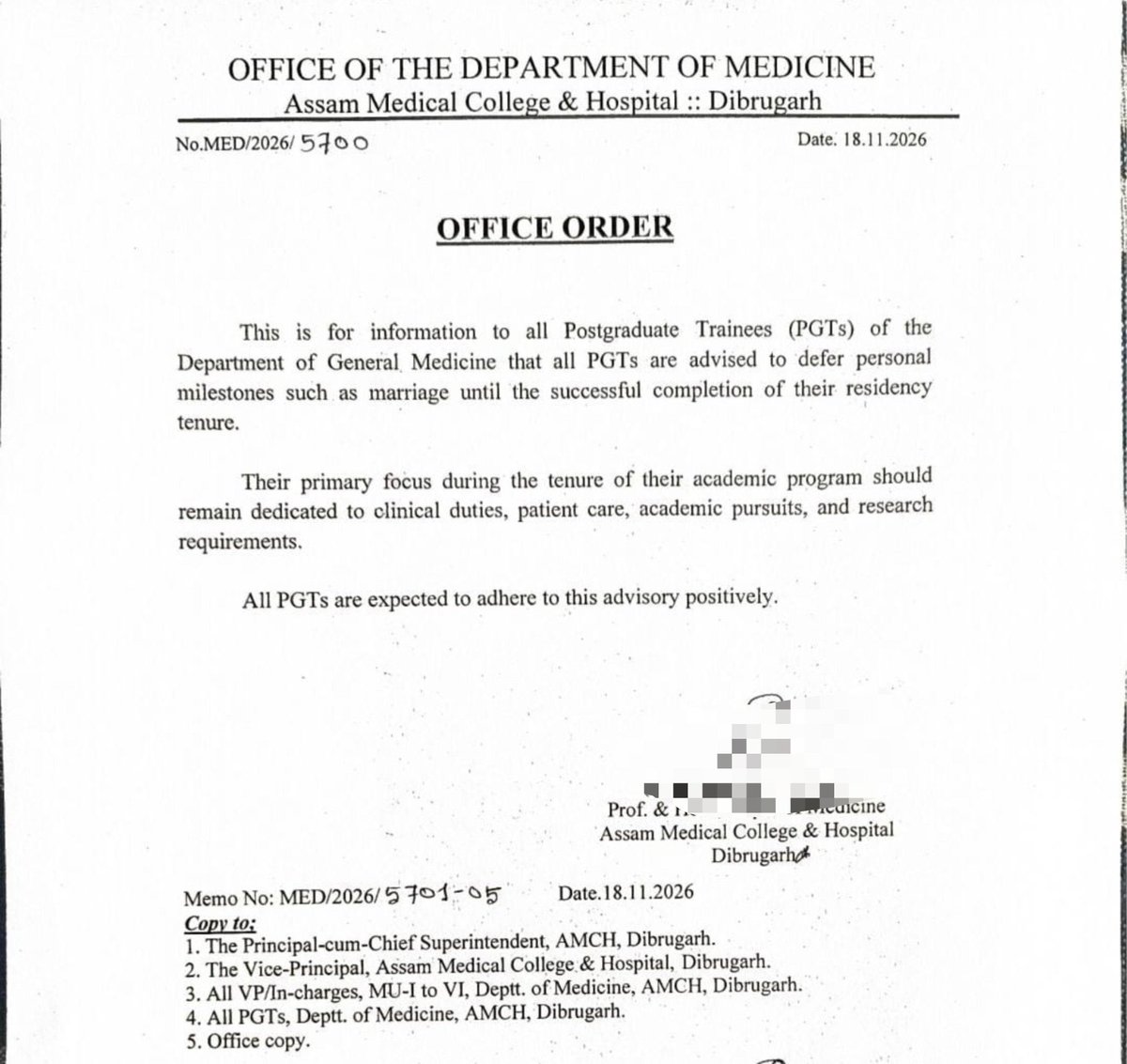
Thanks PM @narendramodi for asking these questions of India Inc. They have massively hiked CEO compensation and Board compensation in many cases but starting salaries in many cases for last 10 years are barely above inflation. These cos should be exposed for hurting young Indians. @PMOIndia
The future of interventional nephrology may look very different from today. As devices advance and procedural techniques evolve, so will the way we create, maintain, and salvage dialysis vascular access
Full episode: https://t.co/EC8yRvx8gO
#NephroLogic#InterventionalNephrology
Help us. We are facing a severe shortage of blood and blood products at @TataMemorial
Please come forward to donate blood. If anybody your housing societies can arrange larger blood donation camps, we can organize them on site. Please DM me if this is possible, and help amplify this call. Your selfless gesture can help us continue services as usual at the hospital. Grateful for your help
When tolvaptan is NOT indicated: Not every case of ADPKD or ADPKD-like cystic kidney disease is caused by a pathogenic variant in PKD1 or PKD2. Accurate genetic diagnosis matters when making treatment decisions.
https://t.co/ZkxDX92Un0
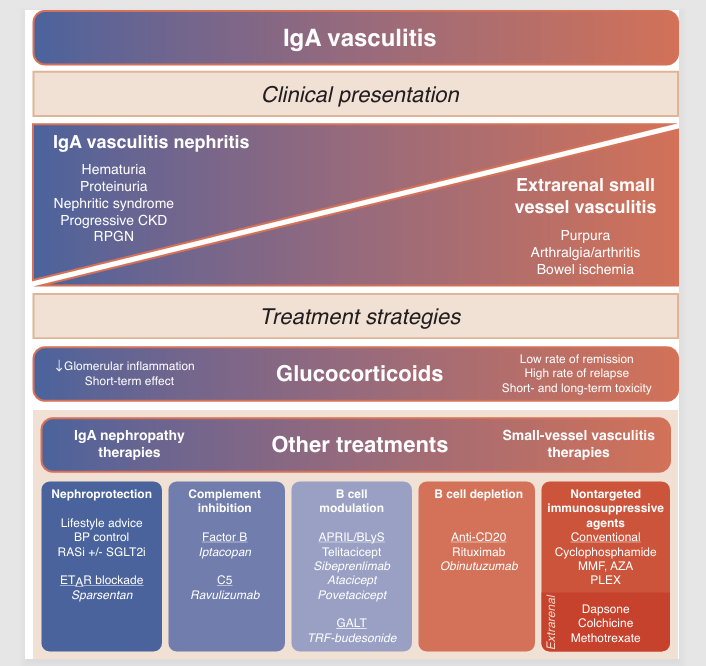
#ASNJASN#Perspective: IgA vasculitis nephritis can range from mild urinary abnormalities to kidney failure, and current treatments often fail to prevent relapses. New therapies targeting B cells, APRIL/BLyS, and complement pathways may reshape care in the years ahead. https://t.co/jphuFCCbXC
Fresh out of your Nephrology residency? Or feeling lost in the maze of corporate/small clinic/govt hospital job search?
We’ve got you ! The #KidneyKonversations 21st episode brings you two experts, discussing and giving practical tips on how to start and navigate the nuances of job search and building practice !!
The full podcast coming soon…. !!
@arvindcanchi@drshyambansal@DrAkshayaJ@ShreshtaT@taruna_pahuja
Guests : @nephroeddy and Dr Mukesh Shete
The spread of gram-negative antimicrobial resistance is driven by human, environmental, and other factors. Pranita D. Tamma, MD, reviews clinically important pathogens, mechanisms driving resistance, and strategies for treatment.
Read the Review Article “Gram-Negative Bacterial Resistance”: https://t.co/XCUH767k4m
The problem restricting innovation and trials is not Indian Pharmas not wanting to put in money or the court freezing margins. It is the health ministry’s dysfunctional approval process for trials, and the peculiar market situation in India wrt pharma. 🧵
1. Ethics committee approval is mandatory for trials. But try forming an ethics committee if you’re a healthcare institution. It may take years to get permissions if you get it at all. Of course you can go to a committee that already exists. But the time taken, number of queries raised and conditions put are sufficient to deter the bravest of researchers even if it just a simple observational study with zero patient risk. Hospitals and pharma companies are still waiting for approvals of trials proposed over two years back.
2. The business model of Indian pharma is low cost production and high MRP to pass on maximum margins to sellers. To capture market space, Indian pharma companies keep printing higher and higher MRPs. No international pharma giant gives the kind of obscene margins Indian companies do, they focus on their brand image and pitch product quality instead.
3. For example: Before it’s MRP was restricted under DPCO, the same brand of a higher generation antibiotic (meropenem) made by a good Indian pharma company was sold with printed MRPs ranging from 600 to 3500 depending on what the buyer wanted, the supply price was the same: 300. The hospital pharmacy could then supply it to a rich delux class patient at 3500 and less affording general ward patient at 600. Something akin to bottled water being sold for MRP of 20 in stores and MRP of 60 to 100 at airports and cinema halls due to different captive audience at the point of sale.
4. The problem therefore is not Indian companies being restricted by price control hence not getting funds for research. They can very well readjust their pricing to make provision for research, this remains unrestricted. Their selling price to distributors matters to them, not the printed MRP decided by the buyer.
5. In fact, Indian pharma companies are putting in substantial efforts at research and have brought out some original research molecules that are doing well. It’s a late but good start. Even low cost drug giants like Mankind now have hundreds of scientists engaged in research. India also has not less than 128 startups doing dedicated research into new drugs. Over 1000 new drugs by Indian companies are currently in various stages of trials. So it is a myth that Indian companies are not doing research. The problem is not them. It’s the health ministry.
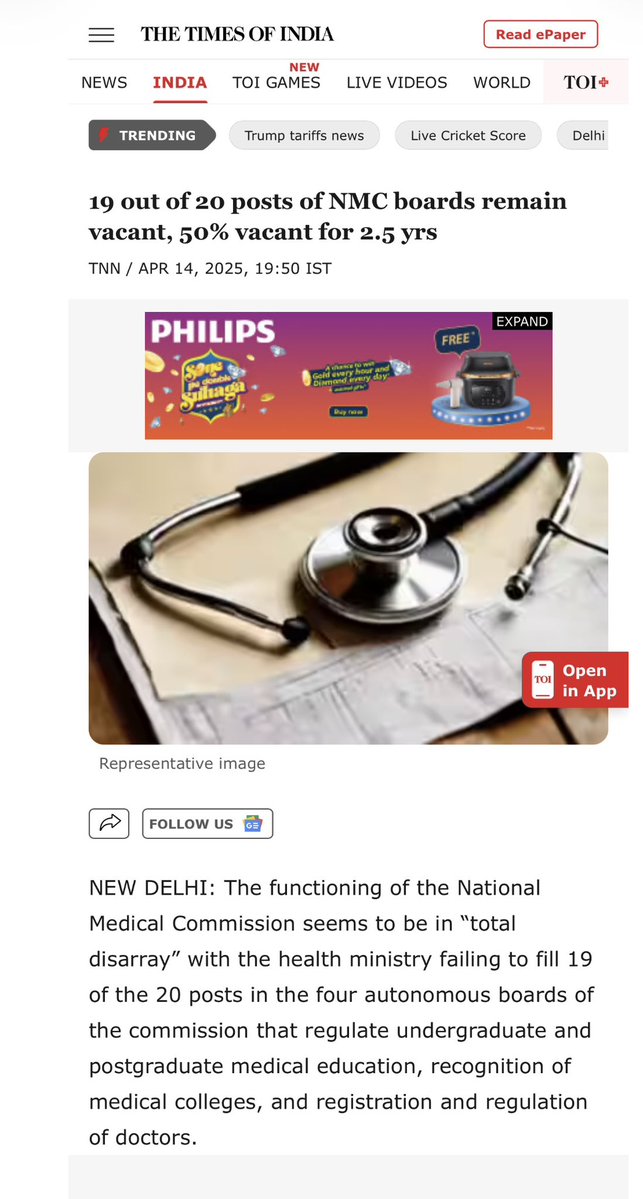
6. These trials will remain stuck if there is no one to give approvals in the first place. Look at the sad condition of the National Medical Commission. For over two years, all seats on NMC panels were lying vacant and the entire organisation was virtually defunct. Some but all vacancies have still not been filled after SC pulled them up for it. This is the body responsible for medical research and ethics in India and even today, most of the posts at the autonomous board for medical ethics and registration are lying vacant. UG and PG Medical education boards too are lying vacant. Is it not the responsibility of the health ministry to at least have the NMC functional at all times?
The solution to the pharma research conundrum is lying in plain sight. Processes that work need functional govt departments. MoHFW Naddaji really needs to get his act together and pull up his socks and his subordinates to get things going.
This is an altogether new thing to worry as doctors and as a society!!!
Sad that a young person died.
Hope @OpenAI@AnthropicAI@grok@GeminiApp and all others suitably modify their models.
https://t.co/VdDPLPvkjw
This is a worthwhile intervention by the Supreme Court.
There was no justification at all for the huge gap between PTR/TRP and MRP.
Hope the court forces a similar slashing of MRP on Immunosuppresssive drugs, Antibiotics and medical devices.
Big- NPPA notified the MRP of reduced price for cancer drugs. The huge drop in is on thiotepa, a chemo injection to treat bladder cancer. A 100 mg vial of Samtepa goes from ₹80,071.86 to ₹7,150.33, a cut of ₹72,921.53, or 91.1%. My story @livemint
https://t.co/eScHoqcVaS
1. There is really no justification for it. The huge margins offered by drug manufacturers are due to market distortion. Manufacturers view the purchasers and prescribers, ie hospital and doctor, as their clients, not the patient on whom the medicine is used.
2. Controlling the margins on these drugs won’t affect research as claimed by manufacturers, since they are still free to fix their sale price to distributors. Only the subsequent exorbitant margin gets capped. However, corporate hospitals will certainly take a big hit and by and large their overall profit margins are not good enough to fully absorb this impact.
3. Bed charges, even in highest category of rooms, are well below the infra and running cost per bed of the hospital. It is a fact that hospitals cover the cost of stay and treatment primarily from high margins on pharmacy.
4. If margins from pharmacy and consumables too are cut off, you may find that hospitals substantially increase other charges to offset this substantial loss of income. We have seen this happen in coronary angioplasty - when margins on stents was capped, the procedure charges were increased to keep package cost the same.
5. Unfortunately in India, as of now services are not valued as much as products. Most patients are willing to pay 1 lakh for an implant, stent or medicine a lot more readily than giving the treating doctor 50k for his expertise. Additionally in oncology, the fear of cancer is a big incentive for people to spend any amount for medicines in the hope of cure. It is a sad reality that manufacturers, hospitals and doctors do exploit this situation. It is not a grand conspiracy, each of them is in it for their own reasons.
6. Even though I’m not a fan of overarching govt controls, in some situations such as this, the govt does need to step in and correct market distortions. I reiterate that for antibiotics too, rampant misuse due to high margins is causing scarily high rates of antibiotic resistance. The margins on all antibiotics must be made so low that there should be no incentive at all for misuse.
7. My opinion is that it is better for medical professionals to charge directly for services rendered, than rely on such indirect and somewhat unsavoury sources of income. People too should also get used to paying their treating doctors well for good, clean and timely services and treatment.