Victoria, a pet parrot, survived for seven days beneath the rubble after Venezuela's devastating earthquakes. When volunteers found her, she was clinging to the body of her owner, who died with Victoria on his chest. They told @camiloreports she refused to leave his side. Victoria, the only survivor from the apartment, was rushed to an emergency veterinary hospital but died days later from her injuries.
When an ex-orphan brings her new calf home, do our Keepers get to greet the baby?
Sometimes – and it's entirely up to the mother. Some, like Nasalot here, walk straight up to a familiar Keeper and let them meet the calf. Keeper Benjamin had been a part of Nasalot’s journey every step of the way since she was rescued as an infant in 2000. Today, Nasalot is all grown up and living wild but she and her family continue to visit their human-elephant family on a regular basis.
Other new mothers keep the calf at a careful distance and let the Keepers observe from the side. Whatever they decide, the fact that orphans make this pilgrimage home at all is the gesture of trust. Just seeing them, thriving as a mother and a matriarch, is the reward for years of care and many sleepless nights.
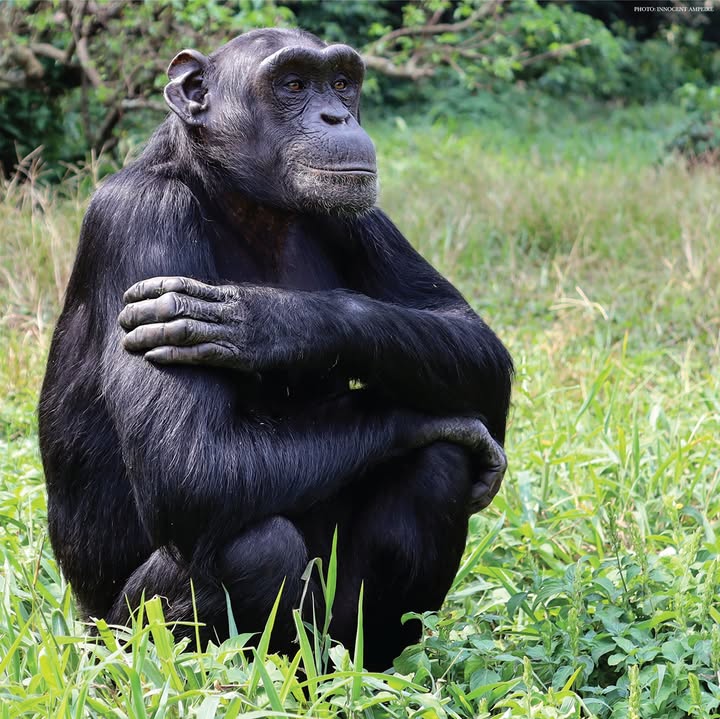
This is Ham, a chimpanzee trained by NASA who became the first great ape to travel to space on January 31, 1961, helping scientists prove that humans could survive and perform tasks during spaceflight.
@Vision4theBlind Pink Floyd drummer Nick Mason has was among 1,100 distinguished British citizens who received the coveted Commander of the Order of the British Empire honor by Queen Elizabeth II.
A young woman is overwhelmed with emotion while watching Elvis Presley perform in concert in Philadelphia, April 1957.
By 1957, Elvis Presley had become far more than a recording artist—he was a full-blown cultural force. His April performance in Philadelphia arrived at the peak of “Elvismania,” when the roar of screaming fans often drowned out the music itself, and police were present not for violence, but to manage swooning audiences.
That same year, Elvis appeared three times on The Ed Sullivan Show, drawing an estimated 60 million viewers—over 80 percent of the U.S. television audience. His fusion of rhythm and blues, gospel, and country, combined with his provocative stage movements, alarmed conservative America while thrilling young fans, particularly teenage girls rarely given such cultural focus. Venues frequently reported fainting, tears, and medical emergencies, prompting psychologists to label the reaction “mass hysteria.” Attempts by some radio stations to ban his music over moral concerns only fueled record sales further.
Coyotes are among the few mammals that practice lifelong monogamy. After a mate dies, scientists have documented changes in behavior and brain activity that may help explain how stress and loss affect long-term bonds across species, including humans. 🔗 https://t.co/s7D9Xi07Ea
The ability of humans to think rationally and weigh the evidence when making a choice is well known. However, tests of this ability in other species are lacking.
In a recent Science study, researchers report that chimpanzees can also update their beliefs on the basis of the quantity and quality of new evidence.
Learn more in this #SciencePerspective: https://t.co/6TV3EfMFIB
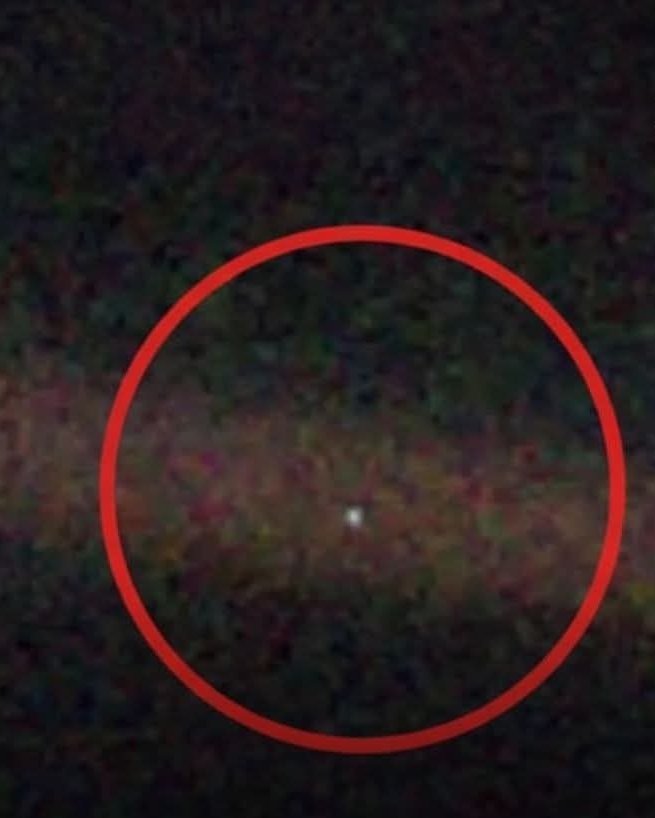
Beautifully said. The "Pale Blue Dot" remains one of the most profound images in human history—a humbling reminder of our place in the cosmos.Captured on February 14, 1990, by NASA's Voyager 1 from about 6 billion kilometers (3.7 billion miles) away, Earth appears as a minuscule speck—less than a single pixel—suspended in a ray of scattered sunlight.This was part of Voyager's "Family Portrait" series, the last images taken before its cameras were powered down to conserve energy for the long journey into interstellar space. The idea came largely from Carl Sagan, who later reflected in his book Pale Blue Dot:"Look again at that dot. That's here. That's home. That's us. On it everyone you love, everyone you know, everyone you ever heard of, every human being who ever was, lived out their lives... Our posturings, our imagined self-importance, the delusion that we have some privileged position in the universe, are challenged by this point of pale light."
In 2020, NASA released a remastered version using modern processing techniques, making our fragile world stand out even more https://t.co/GLnvaqR77R're spot on: it's not just a photo; it's a call to perspective, unity, and stewardship. In an era of division, this view from the edge of our solar system underscores that we all share this one irreplaceable home. Voyager 1, now over 25 billion kilometers away and still sending data, continues to embody that spirit of curiosity and exploration.Thank you for sharing this timeless reflection.