Der Unterschied zwischen sozial benachteiligten und privilegierten Schülerinnen und Schüler ist in der #Schweiz sehr gross. Genauer: Er ist seit Start der #Pisa-Messung im Jahr 2000 noch nie so gross gewesen wie heute.
One of the many great research network activities at the #ScienceCluster in Copenhagen. Congratulations to my@collaborator and friend Andrew Agbaje https://t.co/hQdwwyUdd7
Change in glycoprotein acetyls and white blood cells represent severity of obesity-related chronic inflammation in youth, but not C-reactive protein. Many thanks to the team around @MansellToby, @BurgnerDave.
Hot off the press, our Article on Associations between Change in Adiposity and Change in Inflammatory Biomarkers in Children and Adolecents with Obesity.
https://t.co/O92Bt7Hcf2 in Obesity Research and Clinical Practise (https://t.co/Zq4bT1AQ0Z).
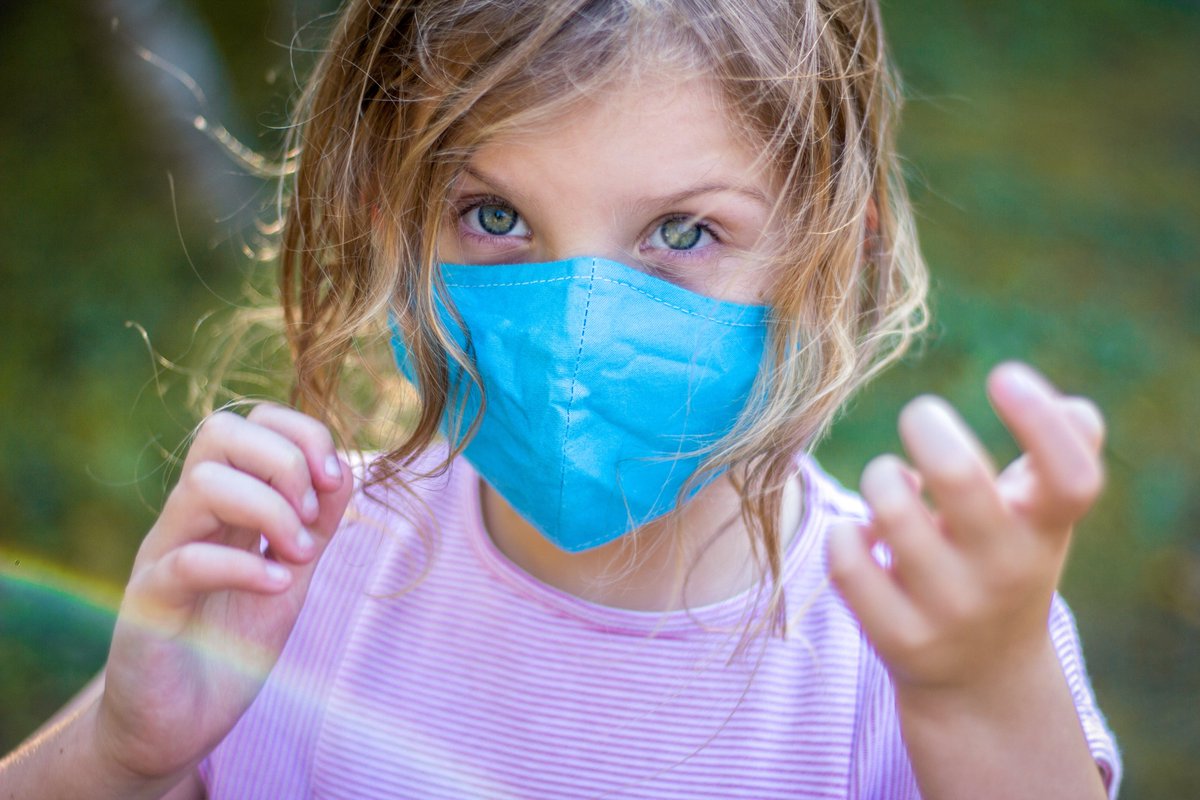
I’m thrilled to share the results of our international cohort investigating severity of #COVID19 in kids of different age groups over the pandemic.
https://t.co/e2aveZwEJ8
These findings challenge the assumption that the Omicron variant is universally milder than its predecessors. While it appears the disease is less severe in older children and adults, this trend was not observed in younger children.
Here we investigate the severity of COVID-19 in hospitalised kids over the course of the pandemic. We show while ICU admissions decreased across the pandemic in all age groups, ventilatory and oxygen support did not decrease over time in children aged younger than 5 years.
Excited to announce our latest paper led by @yanshan_zhu and a massive collaborative effort from @QUT@MCRI_for_kids@UQ_News and so many international partners. https://t.co/UXLNHIyNV6
Shown by Andrew Agbaje that particularly light physical activity (LPA) lowers inflammation over time in ALSPAC @BristolUni . LPA effectively attenuated mediating effect of fat mass on inflammatory biomarkers when compared to MVPA. https://t.co/t6FoyDsJMd
Excellent coverage of our #iPOPstudy research today in @nytimes.
Big thanks to @Inkfish for sticking with us these last 3 years. I don't use this word lightly - but it really was a magical time, and a massive effort by so many! #TeamScience
More here: https://t.co/MNIuoWqOIS
Our study including >50Mio births from 26 countries, published in @NatureHumBehav, https://t.co/kls57wUGIE by the lead of @MeghanAzad and the @ipopstudy on lower prematurity rate during COVID-2 restrictions has been taken up by the NYTimes #nytimes https://t.co/MMlVoMVlrn
Did #pretermbirth rates change during COVID lockdowns? 🧵
🚨 Spoiler: Yes! (but not as much we first thought)
Inspired by a Tweet, we teamed up w/ 167 researchers in 26 countries to find out
Results out today! @NatureHumBehav:
https://t.co/fsAxEgbrfU
#iPOPStudy#Tweetorial
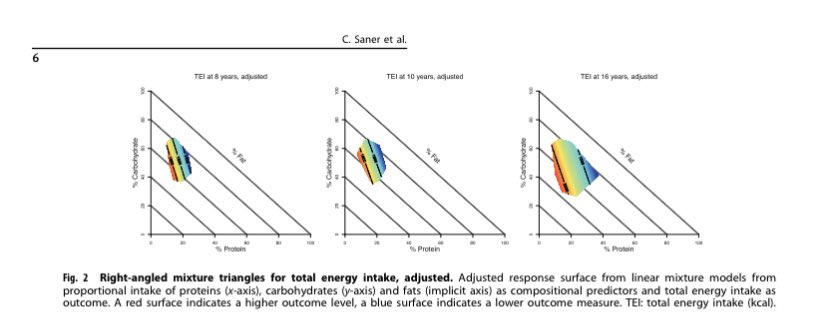
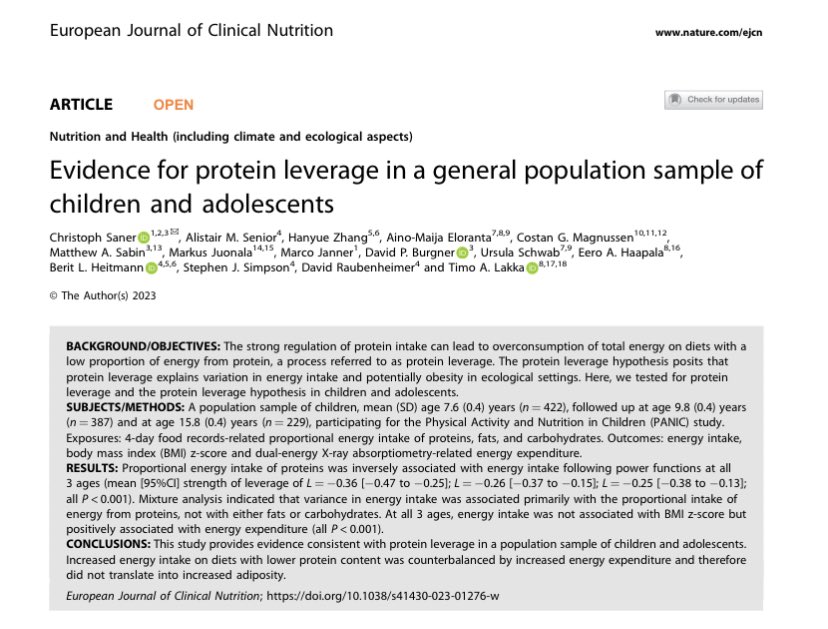
@raphaels7@LoreofRunning1@tednaiman 1) TEE resulted as a function of age, sex, lean and fat mass. The latter 2 are a result of development, physical activity and TEI.
2) interesting Q: PL seems a mechanism in many species for a balanced diet to meet requirements. Not inherently for fat loss but may be useful for?
@raphaels7@LoreofRunning1@tednaiman Hi Raphael, it is a matter of quantity. We’ve detected PL in this population of children with a low prevalence of overweight/obesity. Increased TEI due to PL only translates into excessive weight, if TEI exceeds total energy expenditure (TEE). Here TEI and TEE were balanced.