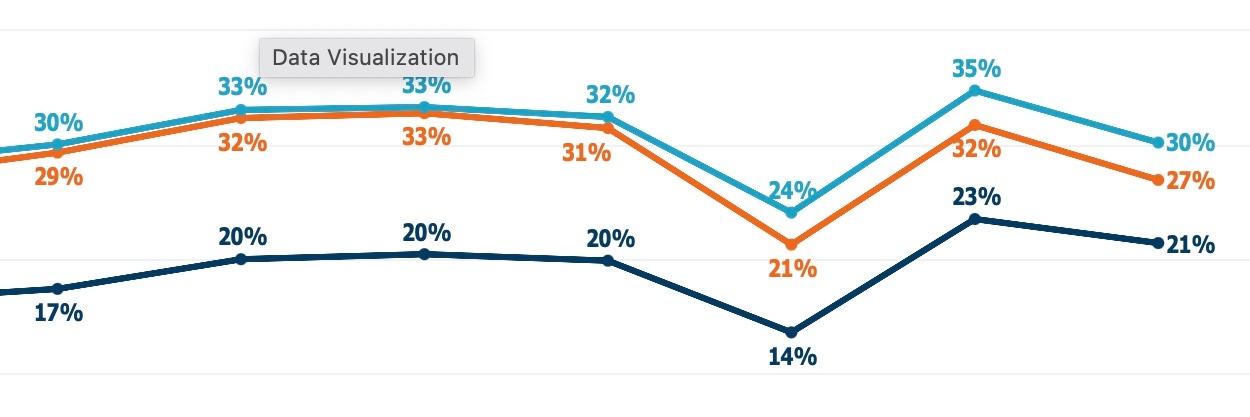
@karenvaites OMG, so much is broken. Regarding state leadership in Texas, our commissioner has been in place for over 10 years. During his tenure, our 3rd grade reading proficiency has improved 0.8% per year, from 42 to 50%. At this rate, we will reach 90% in 50 years. Heartbreaking.
@edwonkkimmy I have a long list of opinions about why the Reading Academies have failed to have significant impact, but I'd love to hear your ideas. Can you share the Houston comparative information? We are a wealthy state and our reading outcomes are indefensible.
@karenvaites I’m begging the leadership of @teainfo and @FortWorthISD to do the same. Texas is not a poor state and we shouldn’t tolerate our abysmal student outcomes. Indefensible.
Mississippi Dept of Ed: Top Ten Things that
Every Literacy Leader (Admin) Needs to Know.
I was doing 1 at a time; enough of that. Here's all 10
https://t.co/AEMWSpRzqF
@Parents4RJ@brett_tingley The absence of “how did they do that” curiosity among education professionals is among the most baffling aspects of my experience in literacy advocacy.
@DTWillingham Being unable to read - going to school day after day feeling defeated and stupid, is an adverse childhood experience. It's a shame it isn't included on the ACE questionnaire.
@jayphoward@Doug_Lemov Sure - if they used the Mississippi model, if you’re held back, you can’t go back to the situation that failed to teach you the first time. Catch up is possible and should be expected.
Teaching children to read is one of the most important things we do in education. When we get it wrong, the consequences stay with them for years. What worries me most is how often we cling to methods we know don’t work. Researchers, teachers and parents keep pointing it out. Yet the system barely shifts. We can do better. And our children deserve better.
@MmeLockhartLDS@ErinCKing Improvement at scale is completely dependent on administrator knowledge. I dream of what would happen if every elementary principal were to read “It’s Possible” (not to discount the other great books you highlighted).
@SchoolsCubedLLC@AngieHanlin
If you care about public school governance, this post by @rpondiscio is definitely worth your time.
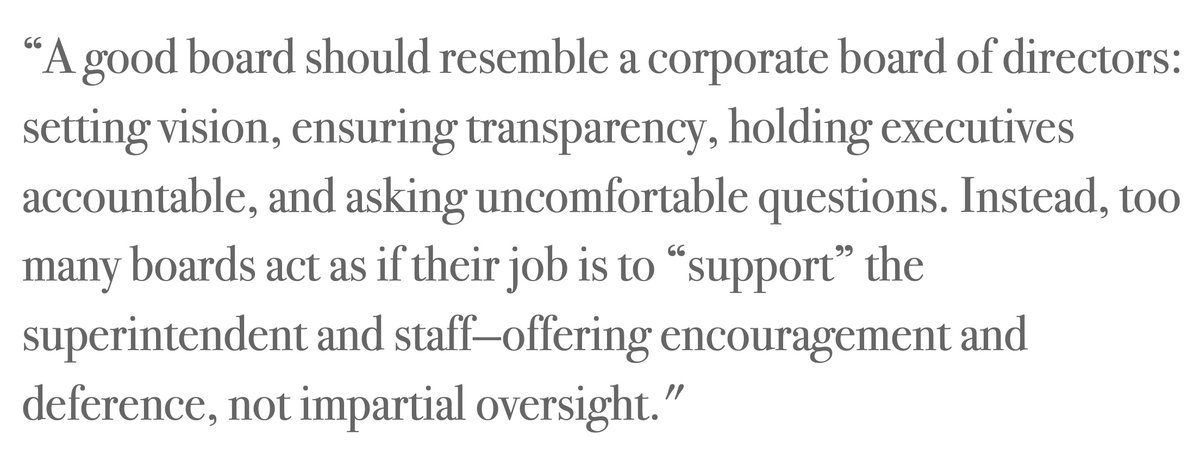
A school board trustee should have high expectations for student outcomes. No longer should the trustee use the demographics of their district as an excuse for poor performance.
A study of school board members shows why they are so vulnerable to institutional capture: They're "dominated by people steeped in education’s internal culture, not by independent-minded representatives of the broader community."
My latest @AEIdeas
https://t.co/IcCKgucESv