Symantec’s Threat Intelligence & Research Team found attackers using CyberPower's PowerPanel Business software to run uploaded scripts as SYSTEM on a domain controller. They used the same channel to collect ntds.dit & launch an implant via DLL sideloading. https://t.co/ad6YMPM0v1
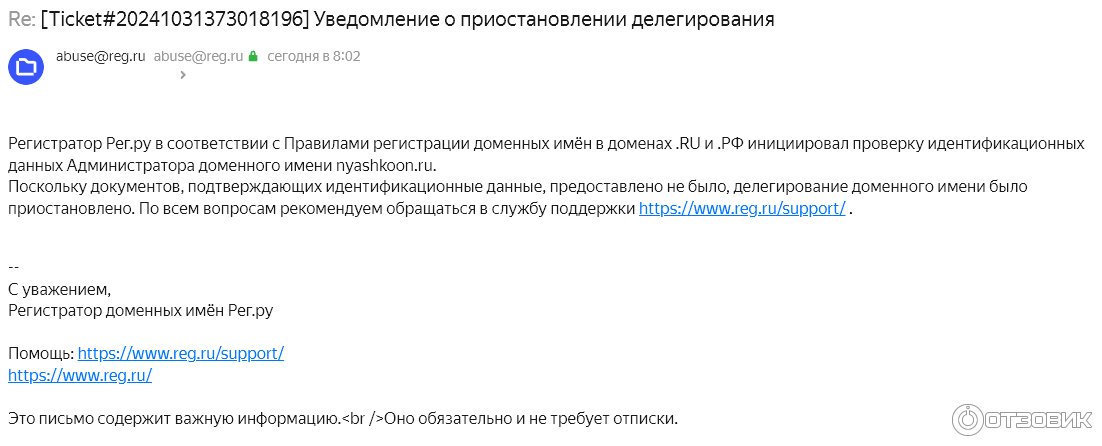
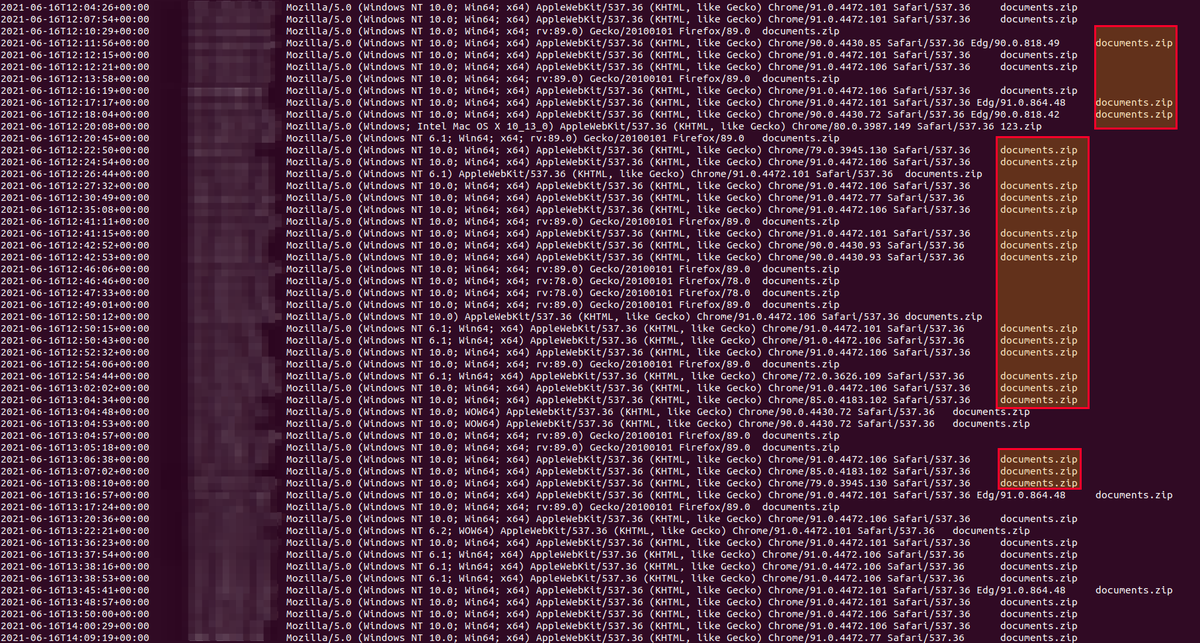
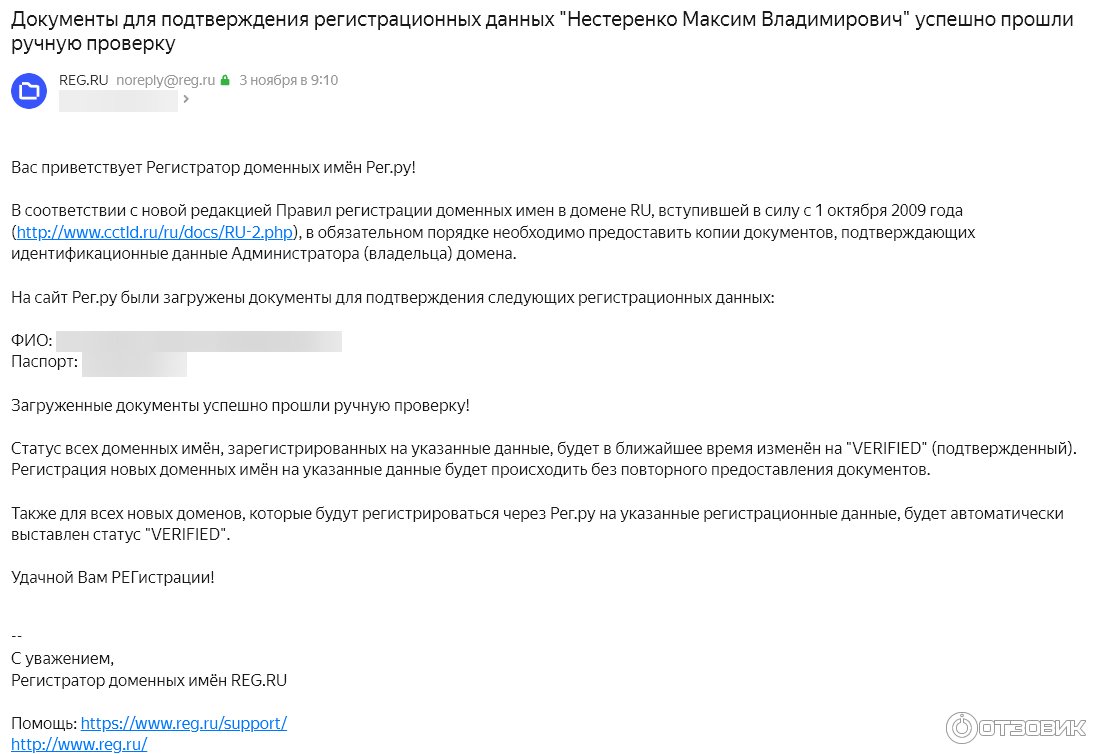
What Does Sandboxing and Reverse Engineering 643 Salat Stealer Malicious Software Samples Lead To And Who Is Its Author Maxim Vladimirovich Nesterenko? - https://t.co/RgWQiiDKJS
Microsoft Threat Intelligence observed an active phishing campaign exploiting the Microsoft 365 service disruption on November 12. The messages impersonate Microsoft 365 service health notifications and reference the legitimate Exchange Online incident EX1550543.
Some of the phishing emails Microsoft detected on November 13 falsely claim that messages were held during the outage and will be deleted within 24 hours unless recipients click to restore them.
Observed subjects follow the pattern "Outage - [six-character code]," with sender display names using organization-specific prefixes followed by "Outage Notification" or "Service Health."
The campaign uses three sender domains, moments-notice[.]com, planetmaison[.]com, and newbooker[.]com, with recipient-specific SendGrid click-tracking links redirecting to reallifeaccounting[.]com, including the observed path /themelist0.html. Similar messages targeted organizations across multiple US sectors.
The activity is consistent with credential phishing, although credential collection and malware delivery have not been confirmed.
Security teams can use Microsoft Defender for Office 365 Threat Explorer and Microsoft Defender XDR advanced hunting (EmailEvents, EmailUrlInfo, and UrlClickEvents) to identify suspicious messages, examine embedded URLs, and investigate user clicks.
Microsoft Defender for Office 365 Safe Links provides time-of-click protection against malicious URLs when properly configured. Organizations should verify their Safe Links policies, investigate potential user interactions, and confirm service disruptions directly through the Microsoft 365 admin center.
There are so many amazing free tools for digital forensics and incident response work, including malware analysis. You can combine the SIFT Workstation and REMnux toolkits to get them all on a single system.
https://t.co/Agx2P6MURi
An interesting talk with plymouth (admin of infamous StealC) about their *not that* new modular malware Stadia "RAT"
Some profiling of the product as usual and discussion of the current and future situation on the malware landscape
Read now 📖👇
https://t.co/N7lPXC3RDK
There's an on-going wave of TamperedChef that @luke92881 has been chasing.
TamperedChef = apps that work as advertised while keeping a back door for later.
Functionality:
https://t.co/NCfADgH8SW
For C2 and signers:
https://t.co/LvopeZ7b4s
1/9
🤓 Talos documented how VOLTA stealer sends stolen data to Telegram and use LLM through OpenRouter for victim appraisal!
The system prompt asks for an evidence dossier and correlate identities, assess password hygiene and OPSEC and rank monetization opportunities.
EvilToken BEC used a similar approach few months ago.
We added the system prompt to PromptIntel to track this adversarial use of AI.
https://t.co/kRhb7LPCej
Over the past few days I've been digging into #ARTEX Infrastructure :
// PART I: I started from an IP shared by @MichalKoczwara to correlated 45 addresses
// PART II: I dug into:
- 290 historical HTTP observations,
- Sub2API deployment patterns,
- Shared TLS cert clusters
- Historical DNS relationships
More infrastructure, more hunting leads!
Part I:
https://t.co/Dd3s2xH9vx
Part II:
https://t.co/REBoALCxtX
#CTI #hunting #AgenticAI
Just finished the full walkthrough of my TraderTraitor infrastructure research today.
From one reported ROOFDECK C2 to 13 linked endpoints using certificates, TLS fingerprints and historical records.
Full walkthrough.
Hope you enjoy it, and happy hunting!
https://t.co/aKwxOeFUiE
Our security researchers built an autonomous cyber vulnerability discovery, exploitation, and patching pipeline.
In a single run with an upcoming cyber model, it validated and generated patches for 948 local privilege escalation vulnerabilities in the Linux kernel at a total API cost of $1.2 million.
My new guide explains how to build a malware analysis lab with REMnux. A Windows VM and REMnux share an isolated network. The AI agent runs on REMnux, with the model as its one allowlisted destination.
https://t.co/JL50SYUACP
🧐 We found 73 GitHub repos posing as AI agent tools (Claude skills, Codex, MCP servers, OpenClaw) that delivers malware ZIP "installers." @SecurityBreakAI
51 were still live this morning. The payload is SmartLoader a Lua loader that usually drops the StealC infostealer. A small thread (Including IOCs) 🧵